Pollination
Embark on a botanical journey with Learning Mole’s “High Five Facts About Pollination”! This video is a dive into the intricate process that allows plants to reproduce, exploring the fascinating world of pollination. From the role of pollinators to the different methods of pollination, we’re about to uncover the essential facts that make pollination a crucial aspect of plant life. So, raise your hand for a high-five and join us as we explore the high-fiving facts about pollination. It’s a celebration of floral partnerships, reproductive strategies, and the natural beauty of the pollination dance! πΊππΌβ
Transcription for Pollination
Please note this transcript is generated automatically and may contain errors.
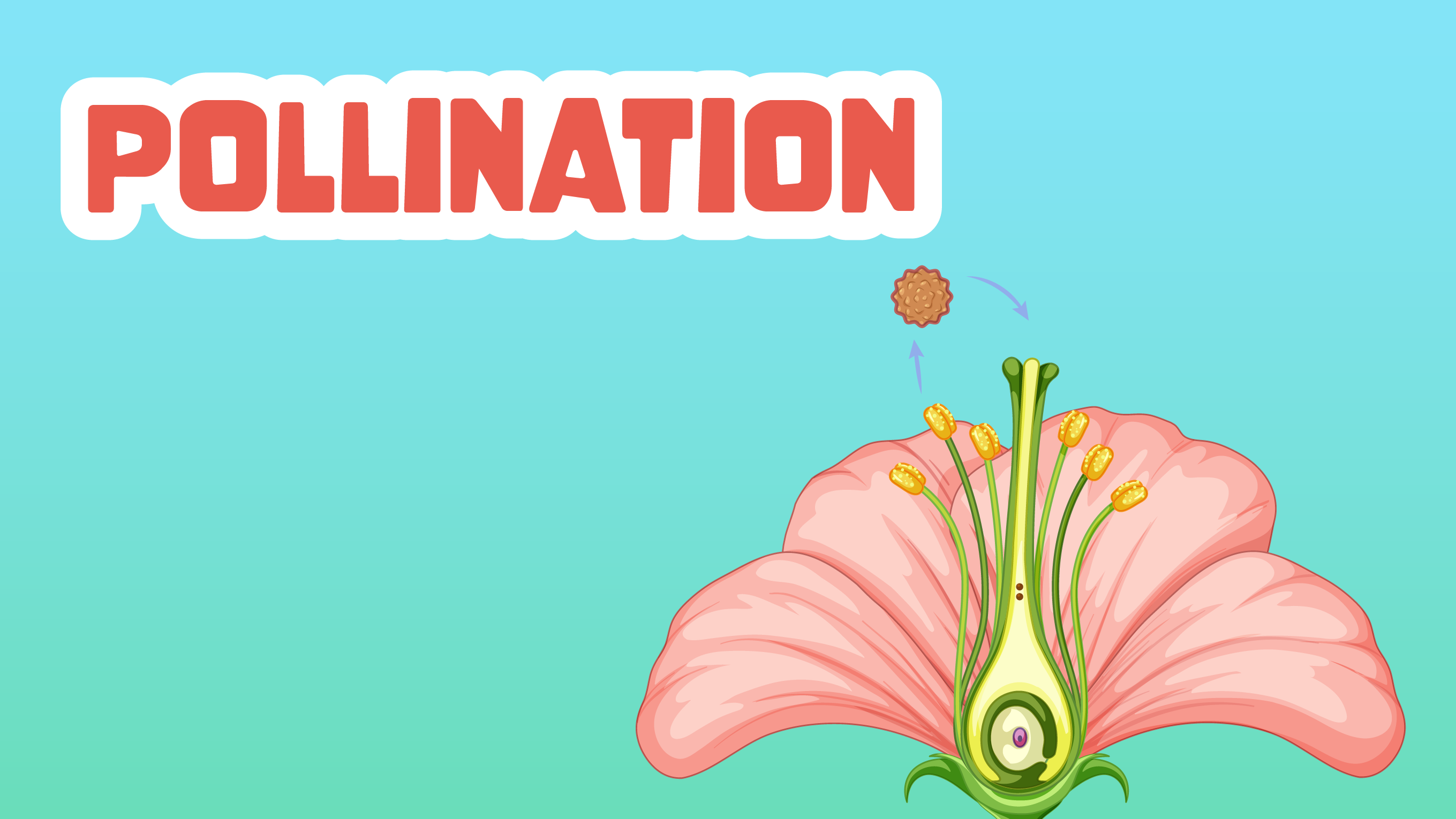
Today we are going to learn five perfect facts about pollination facts. Number one, pollination is a crucial process for the survival and reproduction of many plants During pollination. Polling grains which contain the male genetic material are transferred from the male reproductive structure. The statement to the female reproductive structure, the pistol of another plant. When the pollen reaches the all view inside the pistol, fertilization occurs leading to the formation of seeds and fruits. This process allows plants to reproduce and grow, making pollination essential for maintaining plant biodiversity.
Fact number two, bees, particularly honeybees and bumblebees, are some of the most efficient and effective pollinators. They have specialized body structures like pollen, baskets on the hin, legs and hairs that help collect and carry pollen. As bees fly from flower to flower to collect nectar and pollen for their hive, they inadvertently transfer pollen between plants, facilitating pollination, other insects such as butterflies, moths, beetles, and even some flies also play an essential role in pollination. Fact number three, wind and water can also help plants pollinate while many other plants rely on animals for pollination.
Others utilize the power of wind and water, such as grasses, corn, and some trees produce lightweight pollen that can be easily carried by the wind to other plants. Water pollinated plants like seagrasses and some aquatic pond wheats release a pollen into the water where can be transported to other plants by water. Curings fact number four, flowers are designed to attract pollinators. Many flowering plants produce bright colors, sweet scents, and unique shapes to attract pollinators. These features act as a signal to pollinators, making it easier for them to find the flowers and collect the nectar and pollen they need.
Some flowers even have patterns that are only visible in ultraviolet light, which many pollinating insects can see. These patterns guide the insects towards the nectar and pollen, increasing the chances of successful pollination. Fact number five, approximately 75% of the world’s crop species depend on animal medicated pollination, making the process vital for global food production. Many of the fruits, vegetables, and nuts we enjoy, such as apples, tomatoes, and almonds of the result of successful pollination. Without pollinators, these plants would struggle to reduce the food we rely on, and our diet will become less diverse and nutritious. Supporting pollinators such as bees and butterflies, it’s crucial for maintaining healthy ecosystems. I hope you enjoy my five perfect facts about pollination. See you later.