
Aquatic Plants

Prepare for a refreshing adventure with Aquatic Wonders’ “High Five Facts About Aquatic Plants”! This video is a captivating journey into the vibrant and fascinating world of underwater flora. From their graceful sway to their crucial role in aquatic ecosystems, get ready to uncover mesmerizing and enlightening facts that highlight the beauty and importance of aquatic plants. So, extend your hand for a high-five and join us as we explore the high-fiving facts about aquatic plants. It’s a celebration of nature’s aquatic marvels, where we dive into the diverse forms and functions of these plants, from oxygen production to providing habitats for aquatic life. Discover the enchanting world beneath the surface and leave you with a sense of awe for the intricate balance of life in water bodies! 🌿✋🌊🐠
Transcription for Aquatic Plants

Please note this transcript is generated automatically and may contain errors.

00:02:57 378 words

Today we’re going to learn five amazing facts about aquatic plants fact. Number one aquatic plants are plants that live in or near water such as lakes rivers and wetlands. They’re also called water plants and they have adapted to live in The Aquatic environment by developing special features, like floating leaves roots that can absorb oxygen from the air and the ability to survive in low-light conditions fact, number two aquatic plants plain important role in the ecosystem. They provide food and shelter for many animals and help to keep the water clean by absorbing nutrients and pollutants.

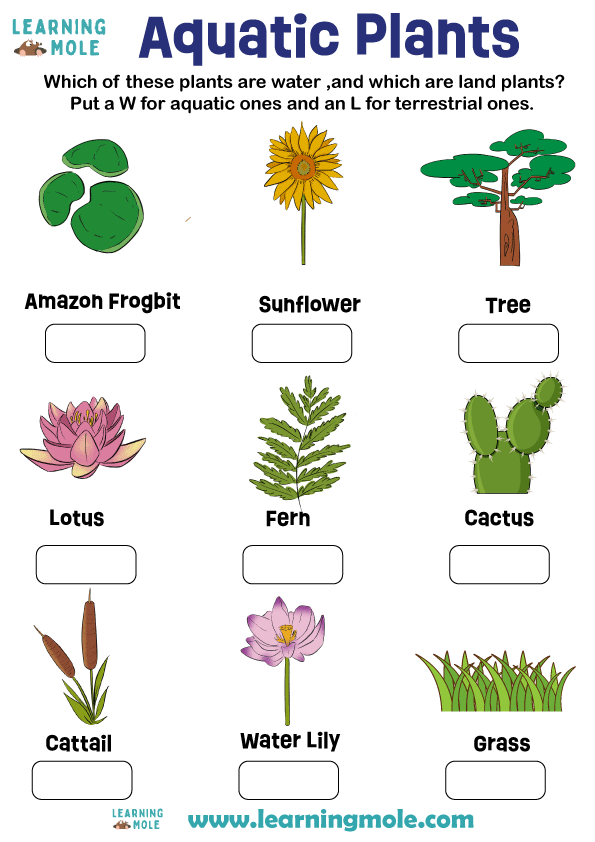
They can also help to slow down water flow reducing erosion and providing habitats for different species. But number three some aquatic plants are floating like water lilies and duckweed While others have roots that grow in the soil beneath the like cocktails and bullrushes floating plants are adapted to float on the surface of the water and have the ability to absorb light and nutrients from the Sun submerged plants on the other hand have roots that grow in the bottom of the water and can absorb nutrients from sediment.

Fact number four aquatic plants can be categorized into two groups submerged and emergent submerged plants are plants that grow entirely underwater while emergent plants are plants that grow with part of their stem or leaves above the water emergency plants are adapted to survive in both Aquatic and terrestrial environments some examples of emergent plants are Lotus reads and rushes. Fact number 5 some aquatic plants are used for medicinal purposes and others are used for food. Like the lily pads of the lotus plant are edible aquatic plants are also used to make various products like paper textiles and even Cosmetics some aquatic plants are also used for ornamental purposes, like water lilies, which are often planted in gardens and ponds for their beautiful flowers and leaves additionally some aquatic plants are used to control erosion and improve water quality in man-made ponds and wetlands overall aquatic plants player critical role in maintaining the balance of the Aquatic ecosystems and providing a wide range of benefits to humans and other organisms. I hope you enjoyed my five amazing facts about aquatic plants. See you next time.