Periodic Table

Embark on a chemical adventure with Learning Mole’s “High Five Facts About the Periodic Table”! This video is a journey into the organized world of elements, where the Periodic Table serves as a roadmap to the building blocks of matter. From groups and periods to the properties of elements, we’re about to uncover the fascinating and essential facts that make the Periodic Table a fundamental tool in chemistry. So, raise your hand for a high-five and join us as we explore the high-fiving facts about the Periodic Table. It’s a celebration of atomic structure, chemical trends, and the systematic nature of the elements! ๐Ÿงช๐Ÿ“Š๐ŸŒโœ‹

Transcription for Periodic Table

Please note this transcript is generated automatically and may contain errors.

00:03:47 467 words

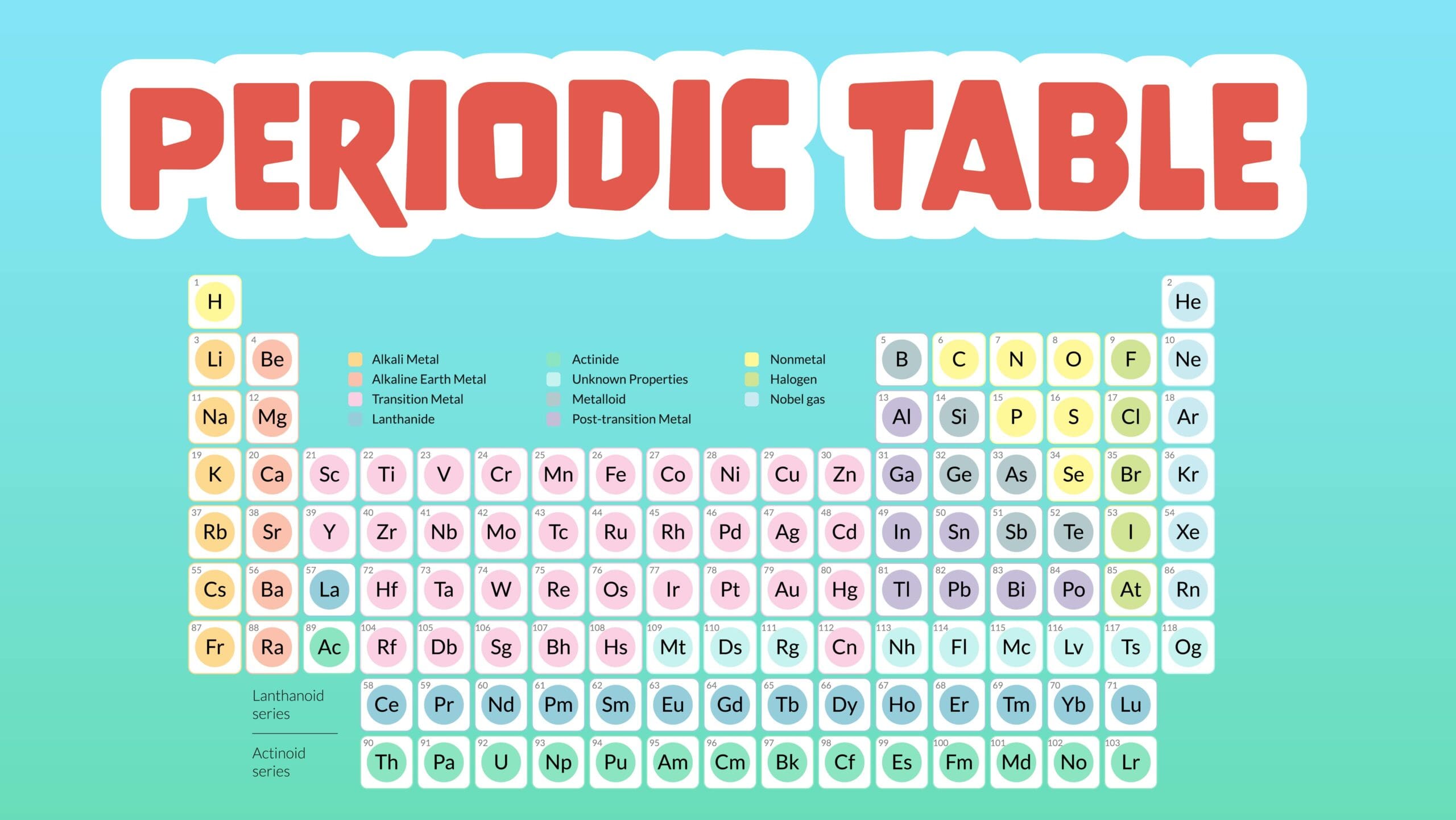
Today we’re going to learn five wonderful facts about the periodic table. Fact number one the elements in the periodic table are lined up in periods from left to right elements are lined up in rows based on their atomic number. These horizontal rows are known as periods. There are seven periods in the periodic table. The first one is the shortest with only two elements hydrogen and helium. The sixth and the seventh period are the longest with 32 elements. Fact number two the periodic table was created by Russian chemist Dimitri Mendeleev in 1869 men believe arranged the elements according to their atomic weight and he left gaps for elements that were yet to be discovered using the table Mendel leaves was able to predict the properties of many elements before they were actually discovered fact number three groups are The Columns of the periodic table.

There are 18 Brooks in the periodic table and different groups have different properties. Two examples of groups in the periodic table are noble gases or alkali metals. Noble gases are found in the last column of the periodic table. These elements have a full outer shell of electrons, which makes them very stable. The alkali metals are on the First Column of the periodic table. They all have only one electron in their outer shell and are very reactive noble gases and alkali metals are opposites. The periodic table is color coded to show groups clearly.

Fact number four each element has its own name and abbreviation in the periodic table. Some of the abbreviations are easy to remember as they start with the same letter as their name. For example H for hydrogen a l for aluminum o for oxygen and C for carbon some are a little bit more difficult and don’t start with the same letter as their name. For example Fe stands for iron Au for gold and na4 sodium. Many of these elements are named after the Latin word for their name.

fact number five The periodic table is a way of listing the elements elements are positioned in the table according to the structure of their atoms. This looks at how many protons and electrons the element has. An element’s atomic number tells you the number of protons in each atom. For example oxygens atomic number is eight which means that an oxygen atom has eight protons in its nucleus while carbons atomic number is 6 the periodic table is used to allow to see and elements atomic mass or their chemical symbol much quicker than searching it up.

There are many songs and Rhymes to help you. Remember the elements of the periodic table in order. I hope you enjoyed my five fantastic facts about the periodic table. See you soon.