
Poisonous Plants
Prepare for a cautionary adventure with Plant Savvy’s “High Five Facts About Poisonous Plants”! This video is an informative journey into the intriguing and potentially dangerous world of poisonous plants. From their alluring appearances to their hidden toxins, get ready to uncover fascinating and essential facts that shed light on the potential hazards found in nature. So, extend your hand for a high-five and join us as we explore the high-fiving facts about poisonous plants. It’s a celebration of knowledge and awareness, showcasing a variety of plants that can pose risks to humans and animals alike. Discover the importance of identification, precautions, and the role of these plants in ecosystems. Get ready to be educated and leave you with a sense of caution and respect for the hidden dangers that can lurk amidst the beauty of the natural world. 🌿✋⚠️🌺
Transcription for Poisonous Plants
Please note this transcript is generated automatically and may contain errors.
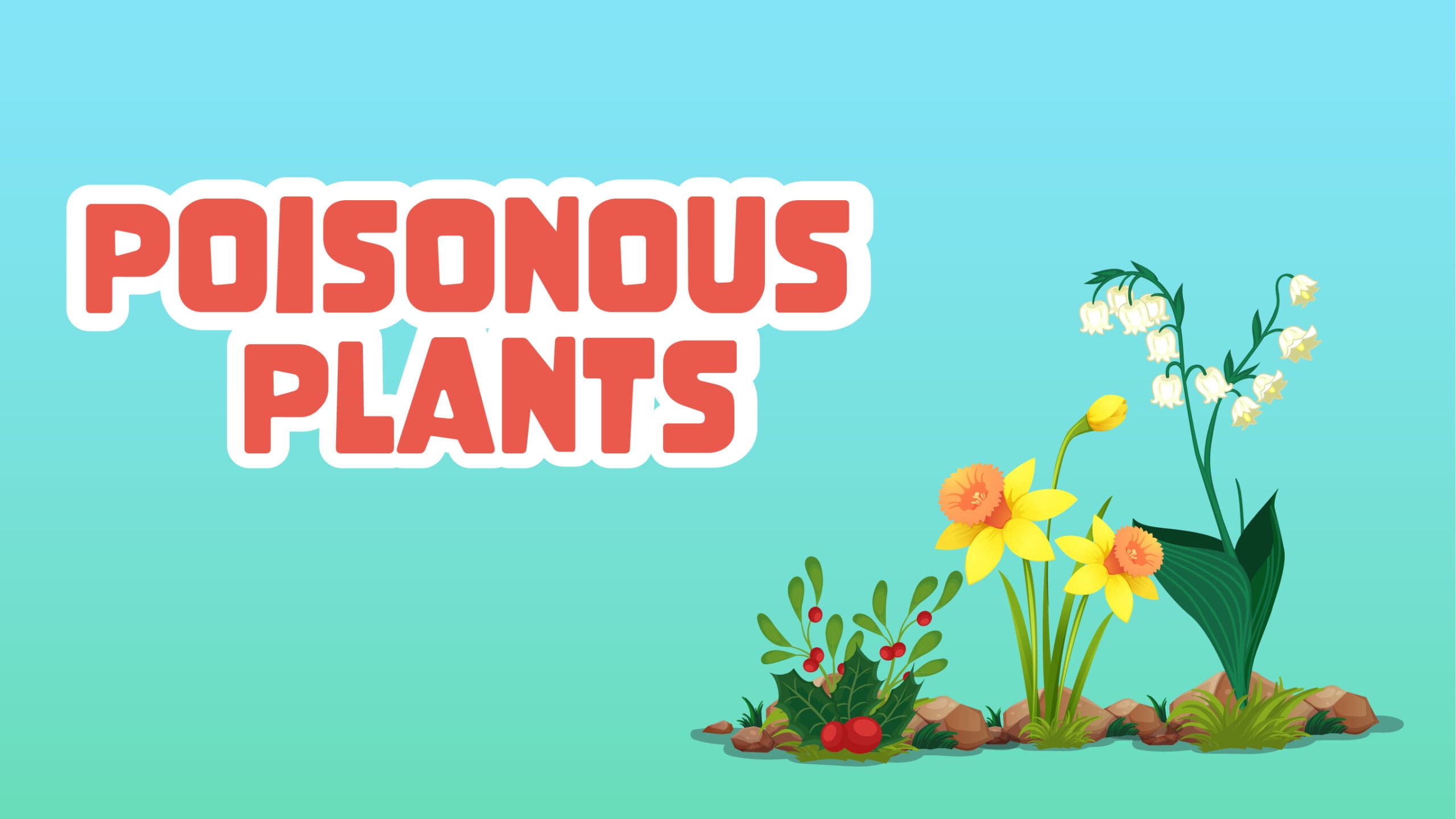
Today we’re going to learn five great facts about poisonous plants fact number one poisonous plants are plants that contain chemicals that can be harmful or deadly to people or animals. If consumed or touched these chemicals are called toxins and they can cause a range of symptoms from mild skin irritation to severe illness or death some plants are more toxic than others and the severity of the symptoms depends on the type and amount of toxin as well as the individual’s sensitivity to it. Fact number two some common poisonous plants found in gardens and homes include daffodils Lilies of the valley and mistletoe these plants can cause symptoms such as nausea vomiting and skin irritation, for example, daffodils contain lycyrene a chemical that can cause vomiting and stomach cramps while mistletoe contains for a toxin which can cause nausea vomiting and even seizures.
Fact number three poison ivy poison oak and poison sumac are common poisonous plants found in the wild these plants can cause severe itching and a rash when touched these plants contain an oil called urushiel, which causes an allergic reaction on the skin. It can also cause difficulty breathing in some cases fact number four not all parts of poisonous plants are harmful some parts of the plants such as the leaves roots or berries can be dangerous while other parts may not be harmful. It’s important to be familiar with the different parts of poisonous plants and to know which parts are toxic, for example, the leaves of the rhubarb plant are toxic, but the stalks are safe to eat.
Fact number five it’s important to be aware of poisonous plants and to teach children not to touch or eat any plants. They do not recognize if you suspect that someone has been poisoned by a plant seek medical attention immediately. It is also important to be careful when working in the garden or handling plants and to wash your hands thoroughly after coming into contact with any potentially poisonous plants. I hope you enjoyed my five great facts about poisonous plants. See you next time.
