Heat Transfer

Ignite your curiosity with Learning Mole in this sizzling episode of High Five Facts! 🔥🌡️ Join us as we dive into the fascinating world of heat transfer, unraveling the mechanisms that govern the flow of thermal energy. From conduction to convection and radiation, we’ll break down five fundamental ways heat travels. Whether you’re a science enthusiast or just looking to warm up your knowledge, get ready to high five the principles that keep our world in thermal balance! 🌍🔥
Transcription for Heat Transfer

Please note this transcript is generated automatically and may contain errors.

00:02:36 396 words

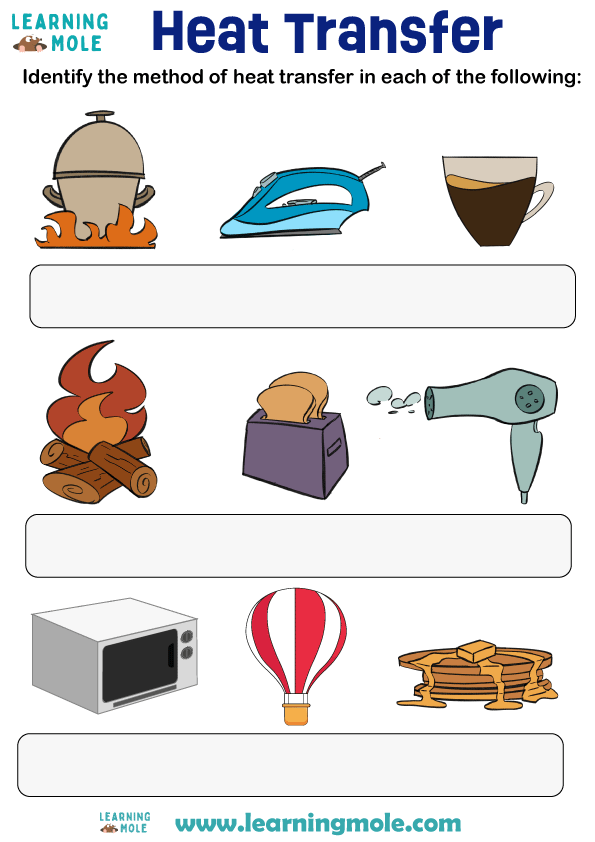
Today we are going to learn five facts about heat transfer. Fact number one, heat transfer is the way heat moves from one place to another, much like passing a ball in a game. In this game, the heat or ball moves, but the materials or players can stay put. There are three main players in this game, conduction, convection, and radiation. Each has its own way of passing the ball and understanding these methods helps us in everyday life from cooking to keeping our homes warm. Fact number two, conduction is all about heat moving through a solid material without the material itself moving.

Think of it like a relay race, where a baton, the heat is passed from one runner atom to the next. For example, if you put a metal spoon in a hot cup of tea, the heat travels from the hot end of the spoon to the cool end. You are holding. Metals are usually good conductors because their atoms pass heat to each other very efficiently. Fact number three, convection is the heat transfer that happens in fluids, which include both liquids and gases. Hot fluid rises because it gets lighter when heated, then it cools down, gets heavier and sinks.

This creates a loop in a pot of boiling water. The hot water rises, cools down at the surface and then sinks again, creating a circulating loop. Fact number four, radiation is a bit like magic because it’s the only method that can transfer heat through the emptiness of space. It doesn’t need a solid liquid or gas to move through. The sun’s heat, for example, travels 93 million miles through the vacuum of space to warm our planet. You can also feel this type of heat from a distance, like when you stand near a campfire and feel its warmth without touching it.

Fact number five, knowing how heat transfer works is super useful in real life. For instance, understanding conduction helps you know why metal pots are great for cooking. They’re good at passing heat. Convection explains why hot air balloons rise and why it’s usually warmer upstairs in a two story house. Radiation helps us understand why we need sunscreen. The sun’s rays can harm our skin even from millions of miles away. I hope you enjoyed my five facts about heat transfer. See you soon.