Acid and Bases
Dive into the fascinating world of chemistry with Learning Mole’s “Acids and Bases”! This video is a captivating journey into the realm of chemical reactions and pH balance, where we explore the defining characteristics of acids and bases. From their reactive properties to their impact on the environment, we’re about to uncover the enlightening and fundamental facts that make acids and bases essential components of the chemical world. Join us as we delve into the science behind these two categories of compounds, understanding how they interact with each other and influence a wide range of processes in nature and industry. Get ready to explore the diverse applications of acids and bases, from everyday household products to industrial processes and environmental considerations. It’s a celebration of the building blocks of chemistry, showcasing the pivotal roles that acids and bases play in shaping our world and understanding the chemical principles that govern our daily lives. Join us on this illuminating journey into the realm of chemical reactions, where each interaction reveals a story of acidity, alkalinity, and the dynamic nature of matter! ⚗️🧪🌡️
Transcription for Acid and Bases
Please note this transcript is generated automatically and may contain errors.
Today we are going to learn five facts about acids and bases. Fact number one, The term pH refers to a scale that measures how acidic or basic a substance is. This scale ranges from zero to 14. If a substance has a pH lower than seven, it’s considered acidic. On the other hand, if it has a pH higher than seven, it’s a base. Right at seven is where you find neutral substances like pure water. This scale helps scientists and even you to understand the properties of different liquids.
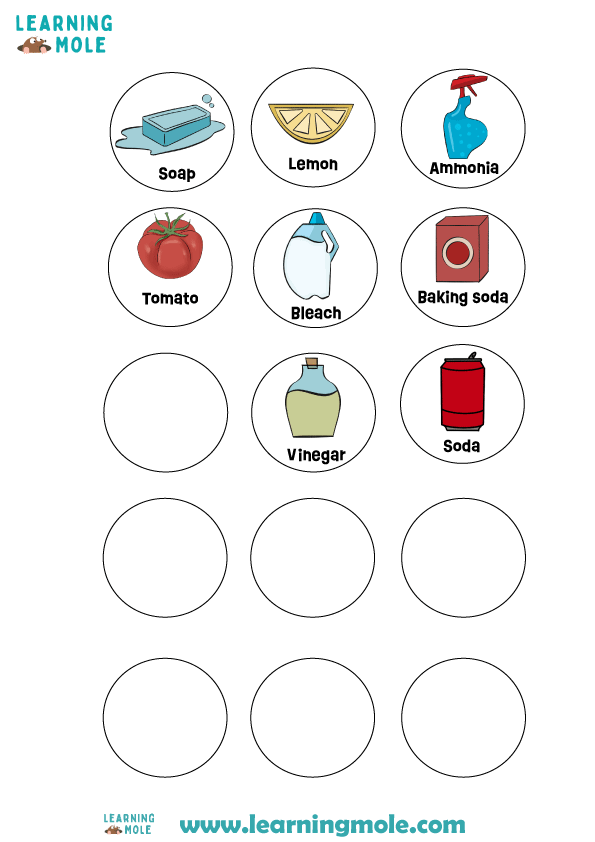
Knowing the pH can tell you a lot about what that substance might do. For example, substances with a low pH are usually sour and can even be corrosive while substances with a high pH can feel slippery and are often used in cleaning products. Fact number two, you’d be surprised how many items in your home are actually acids. Lemon juice and vinegar are both acids. These substances often have a sour taste and can react with metals and bases. Vinegar can dissolve the minerals in a kettle and lemon juice is often used in cooking to add flavor or to prevent fruits like apples from turning brown.
It’s not just for taste. The acidic nature of these substances can also make them excellent cleaners as they can break down stains and grime. Fact number three, bases are the chemical opposites of acids, and you’ll find these in your home too. Soap toothpaste and baking soda are good examples of bases you might use every day because of their properties. Bases are generally good at cleaning and are found in many household cleaning items. For example, baking soda can help remove stains, and soap helps to dissolve grease and dirt when you wash your hands or take a bath.
Fact number four, neutralization is a special kind of chemical reaction that happens when an acid and a base mixed together. When they do, they cancel each other out, usually producing water and a type of salt as the end result. It’s like a tug of war where both sides are equally strong and so they end up in a standstill right in the middle. This is very useful in many real world situations from treating a beasting with baking soda to using antacid tablets to neutralize excess stomach acid.
Fact number five, your body is an incredible machine that uses acids and bases for various functions. One prime example is your stomach, which contains hydrochloric acid. This strong acid helps you digest food by breaking down proteins and other nutrients. On the flip side, your blood is slightly basic with a normal pH level between 7.35 and 7.45. This balance is crucial for many bodily functions, including carrying oxygen to your cells and helping your muscles work correctly. Your body has several systems in place to maintain this delicate balance because even small changes in your body’s pH can have significant impacts on your health. I hope you enjoyed my five facts about acids and bases. See you soon.