What do you think that gas is made of? Come and check our five glorious glass facts for kids.
Glass Facts for Kids Fact Number 1: Glass Is Made from Sand
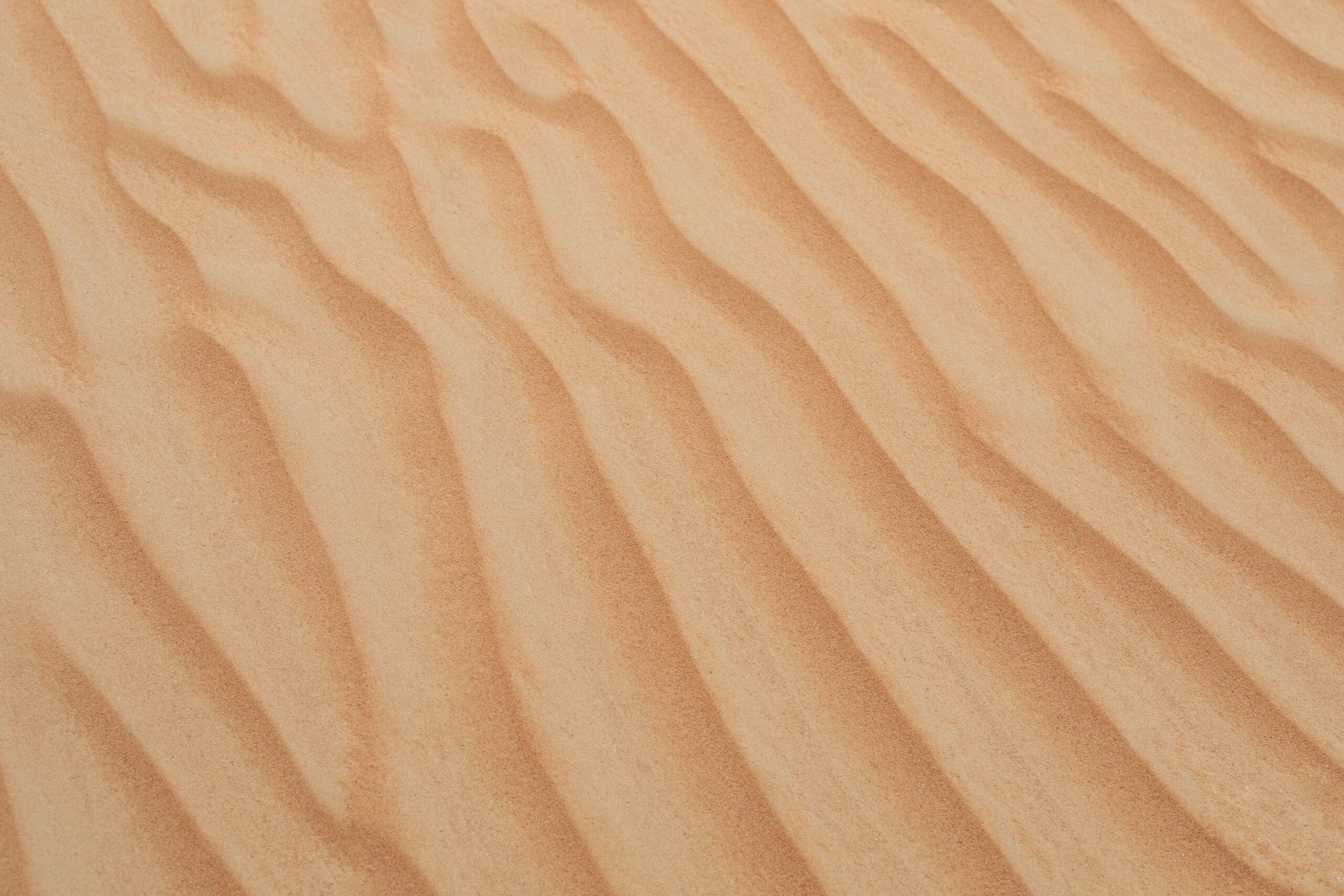
Did you know that the sand you see on the beach is used to make glass. Sand is mixed with lime and soda ash and heated to extremely high temperatures. Once this liquid sand has cooled down, glass is formed. When sand is in this melted form it is known as silica.
Wavy patterns on the desert sand
Glass Facts for Kids Fact Number 2: Glass Can be Recycled
Glass can be recycled endlessly without losing any quality. Considering that glass can be recycled and not lose any of its properties, it is important that we recycle as much glass as possible as it takes around one million years for glass to decompose by itself. Recycling glass is much more sustainable and practical.
Glass Facts for Kids Fact Number 3: Glass Has Been Around for Thousands of Years
It is estimated that glass manufacturing has been around since the 1st century bc. That was a very very long time ago. During these times glass was mainly used to make ornaments and jewellery and containers.
Since the Stone age, glass has been used as a cutting tool and for tips of spears. It seems quite ironic that glass was used during the stone age, doesn’t it? After some time, coloured glass also started to be produced.
It wasn’t until the 17th century that people in England began using glass for windows. Today glass is seen in our everyday life and in almost everything we do.
The Holy Family Stained glass artwork
Glass Facts for Kids Fact Number 4: Glass Is Originally Green not Clear
The oldest and original glass that was made naturally had a greenish colour. Since then many different colours and types of glass have been created. Frosted glass is a kind of glass which is mainly used in making light bulbs and doors.
Laminated glass is a very strong and durable glass that is hard to break. Many layers of laminated glass are used to make the bulletproof glass. Stained glass is a type of glass which was very popular in the Middle Ages, particularly in church windows. Look around your house and see if there are different types and colours of glass.
Glass Facts for Kids Fact Number 5: Glass Was First Formed from an Erupting Volcano
Before glass was man-made, it was made naturally in nature. Obsidian is the naturally formed glassy stone that is formed when sand emerges out of an erupting volcano.
The sand melts in the volcanic lava and when it comes into contact with water outside it cools quickly. The glass is a dark green/ black colour. When people found obsidian they began experimenting ways to recreate the material and eventually they found how to make glass.
Technology in Teacher Professional Development Teacher Professional Development Technology has transcended its role as a mere classroom tool and emerged as a powerful driver in transforming teacher professional development. This...
Geometry challenges, often referred to as the "Shape Olympics," represent the pinnacle of intellectual sport in the world of mathematics. By entering these contests, participants get the chance to apply...
Geometry and animation share a profound connection that brings the magic of motion to the screen. We observe this every day in the way shapes morph and move, creating the...







Leave a Reply