
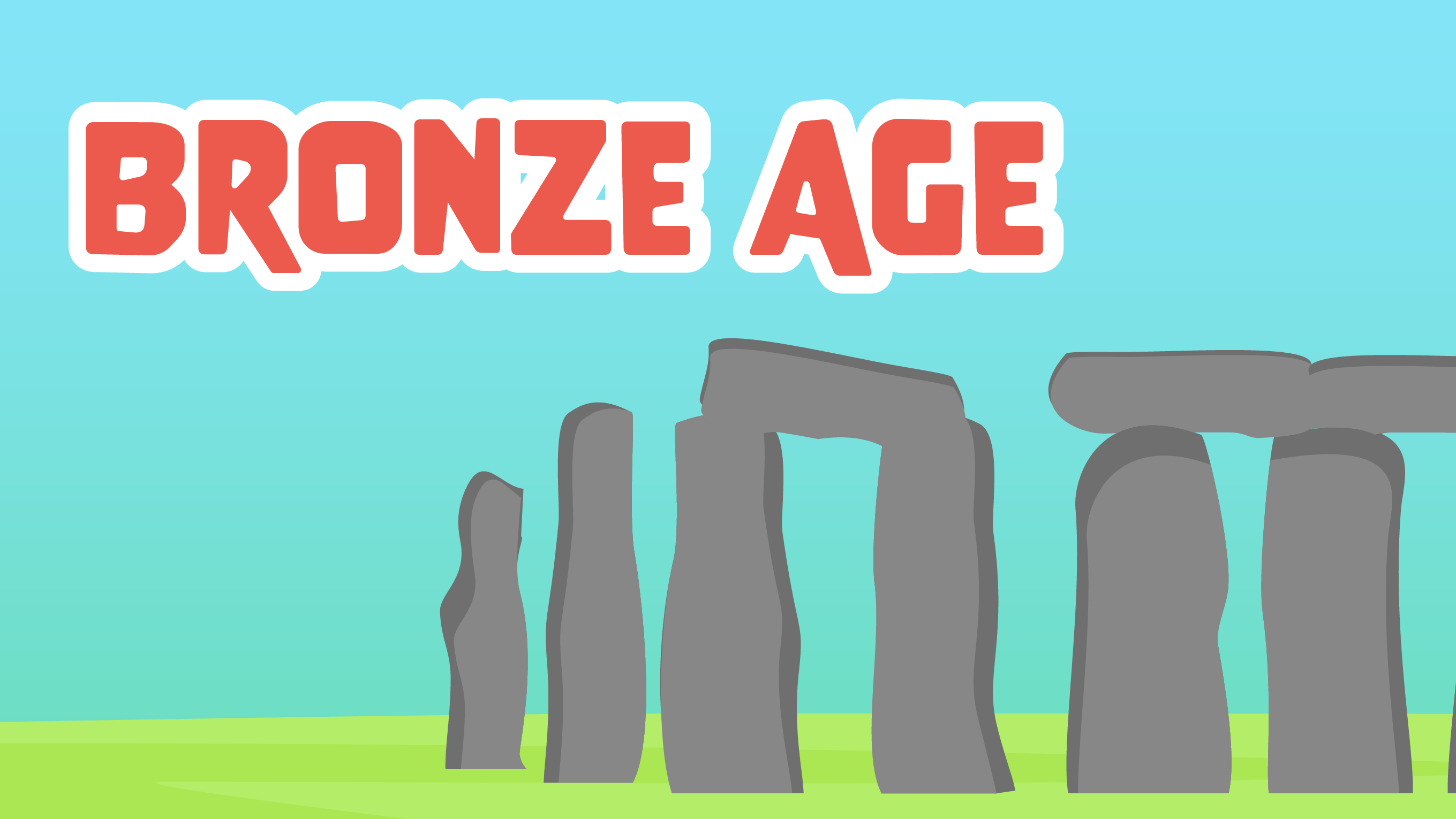
Bronze Age

Embark on an archaeological adventure with Learning Mole’s “Bronze Age”! This video is an intriguing journey into the ancient and innovative world of the Bronze Age, a pivotal era that shaped civilizations and marked significant advancements in technology and culture. From the mastery of bronze craftsmanship to the mysteries of ancient settlements, we’re about to unravel the captivating and enlightening facts that make the Bronze Age a fascinating period in human history. Join us as we delve into the artifacts, tools, and societal developments that defined this epoch, exploring the rise of complex societies, the emergence of metalworking techniques, and the rich cultural exchanges that defined this transformative era. So, dust off your virtual trowel and join us as we unearth the wonders of the Bronze Age, a celebration of human ingenuity, creativity, and resilience that will leave you with a deeper appreciation for our ancient ancestors and their enduring legacies! πŸΊπŸ”πŸ›οΈ

Transcription for Bronze Age

Please note this transcript is generated automatically and may contain errors.

00:03:14 461 words

Today we are going to learn five facts about the Bronze Age. Fact number one, the discovery of bronze. An alloy made by combining copper with a small amount of tin was revolutionary in the Bronze Age around 3,300 to 1200 BCE. This was the first time people created a metal stronger than what they had before. Bronze was such a significant improvement over copper that it led to better tools and weapons which were both more durable and sharper. This advancement greatly influenced agriculture and warfare. As bronze tools helped in more efficient farming and bronze weapons gave an edge in battles.

Fact number two, the Bronze Age was marked by monumental architecture, and Stonehenge is a prime example built in several stages with the first stage around 5,000 years ago. Stonehenge is massive stones known as megaliths, way up to 25 tons and stand up to 30 feet tall. It’s believed that Stonehenge was used for ceremonial or religious purposes, perhaps related to solstice or the changing seasons. The engineering behind transporting and erecting these stones remains a subject of awe and mystery, reflecting the ingenuity of Bronze Age people. Fact number three, the roundhouses of the Bronze Age were a significant step forward in permanent human settlements, typically built with a central hearth for cooking and heating.

These houses symbolized the shift from nomadic to settled lifestyles. The walls were constructed using wattle, woven wood, and dob, a mixture of mud, straw, and dung, providing insulation and weatherproofing. The circular design was not just for structural strength, it also had cultural and social significance fostering a communal way of living. Fact number four, The Bronze Age saw a major transformation in agriculture, which became the backbone of societies. The introduction of plows made farming more efficient, allowing communities to grow surplus food. This surplus meant people could focus on other tasks leading to specialization in crafts and trade diets in the Bronze Age consisted mainly of cereals, legumes, meat, and dairy products.

The shift to settled farming also led to the establishment of trade networks for exchanging surplus goods, seeds, and livestock. Fact number five, Artistic expression in the Bronze Age was both functional and decorative. Pottery became more sophisticated with intricate designs that often told stories or depicted daily life. Textile production also advanced with weaving techniques producing finer fabrics. Wool was commonly used dyed with natural substances like woe for blue and matter for red. Personal adornments were not just for decoration. They often signified social status or achievements. Bronze Age people also created elaborate burial goods indicating beliefs in an afterlife and the importance of rituals and ceremonies in their culture. I hope you enjoyed my five facts about the Bronze Age. See you soon.

Bronze Age Vocabulary Activity

Bronze Age Vocabulary Activity