Life Cycle of a Butterfly: The Ultimate Glow-Up
Table of Contents
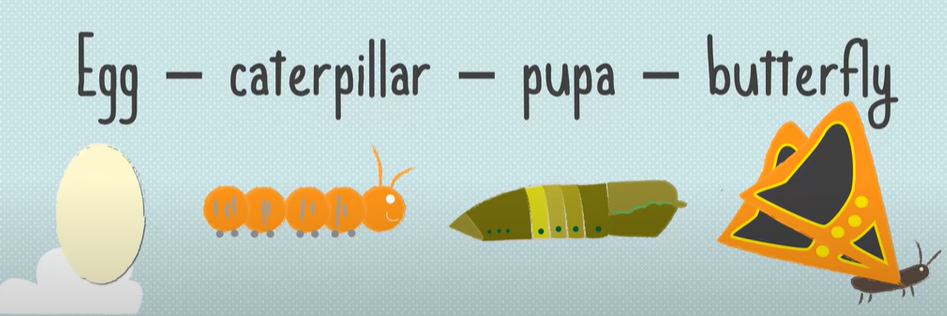
Life Cycle of a Butterfly: The metamorphosis of a butterfly represents one of nature’s most extraordinary transformations. From a tiny egg to a magnificent winged creature, butterflies undergo a complete life cycle that has fascinated scientists, naturalists, and casual observers for centuries. This remarkable journey through four distinct stages—egg, larva (caterpillar), pupa (chrysalis), and adult butterfly—demonstrates the incredible adaptability and resilience of these delicate insects.
Understanding the butterfly life cycle provides insight into broader ecological processes, the importance of habitat conservation, and the intricate relationships between insects and their environment. Each stage of development serves a specific purpose in the butterfly’s survival strategy, and the entire process showcases nature’s ingenuity in ensuring species continuation despite numerous challenges and predators.
Butterflies belong to the order Lepidoptera, which they share with moths, comprising over 180,000 species worldwide. Whilst moths outnumber butterflies considerably, the approximately 17,500 butterfly species capture human imagination through their vibrant colours, graceful flight patterns, and daylight activity. These insects inhabit virtually every continent except Antarctica, thriving in diverse environments from tropical rainforests to alpine meadows, arctic tundra to urban gardens.
The complete metamorphosis that butterflies undergo—termed holometabolism—distinguishes them from insects that experience incomplete metamorphosis, such as grasshoppers or dragonflies. This dramatic transformation allows butterflies to exploit different ecological niches at various life stages, reducing competition between juveniles and adults of the same species. Caterpillars serve as the primary feeding stage, consuming plant material voraciously, whilst adults focus predominantly on reproduction and dispersal.
The study of butterfly life cycles extends beyond mere academic curiosity. These insects serve as important bioindicators, reflecting environmental health and ecosystem integrity. Changes in butterfly populations often signal broader ecological shifts, including habitat degradation, climate fluctuations, and pollution levels. Additionally, butterflies contribute significantly to pollination services, supporting both wild plant communities and agricultural crops, making their conservation essential for maintaining biodiversity and food security.
The Egg Stage: Where Life Begins

The butterfly life cycle commences when an adult female butterfly lays her eggs, typically on the underside of leaves belonging to specific host plants. This initial stage, though often overlooked due to the eggs’ minuscule size, is crucial to the butterfly’s survival. Female butterflies possess remarkable instincts that guide them to select precisely the right plant species—one that will provide appropriate nutrition for their offspring once hatching occurs.
Butterfly eggs vary considerably in appearance across different species. Some resemble tiny spheres, whilst others take on cylindrical, oval, or even ribbed formations. Colours range from white and yellow to green and brown, with many eggs featuring intricate surface patterns visible only under magnification. The outer shell, called the chorion, protects the developing embryo whilst allowing oxygen exchange. These microscopic structures often display remarkable architectural complexity, with ridges, pits, and elaborate surface textures that serve both protective and respiratory functions.
The duration of the egg stage depends heavily on species and environmental conditions, particularly temperature. In warmer climates, eggs may hatch within just a few days, whereas in cooler regions or during unfavourable seasons, development may extend to several weeks. Some species have evolved strategies to overwinter as eggs, remaining dormant until spring temperatures trigger hatching. This remarkable adaptability allows butterflies to synchronise their life cycles with the seasonal availability of host plants and favourable weather conditions.
Inside the egg, the embryonic caterpillar develops rapidly, consuming the yolk for nourishment. As the embryo matures, keen observers might notice the egg darkening or becoming translucent, indicating that hatching is imminent. The tiny caterpillar inside uses specialised mouthparts to chew through the chorion, often consuming the eggshell as its first meal—a nutritious start providing essential proteins for initial growth. This recycling of the egg casing represents nature’s efficiency, ensuring nothing valuable goes to waste.
Female butterflies demonstrate extraordinary precision in egg placement, often laying them individually or in small clusters, depending on species-specific strategies. Some species scatter eggs widely to reduce predation risk, whilst others group eggs together, allowing newly hatched caterpillars to benefit from collective defence mechanisms. The number of eggs laid varies dramatically, with some species producing just dozens whilst others may lay hundreds over their lifetime, reflecting different survival strategies and environmental pressures.
The Larval Stage: A Caterpillar’s Voracious Appetite

Upon hatching, the butterfly enters its larval stage as a caterpillar, a phase characterised by one primary objective: eating. The caterpillar must consume vast quantities of plant material to fuel the incredible growth required for subsequent transformation. This stage represents the primary feeding period in a butterfly’s life cycle, as adult butterflies typically consume only nectar and cannot process solid food.
Caterpillars emerge from their eggs as tiny creatures, often measuring only a few millimetres in length. However, their capacity for growth is astounding. Through a series of moults called instars, caterpillars can increase their body mass thousands of times over. Most butterfly species undergo four to five instars, though some may experience more or fewer depending on their species. During this remarkable growth phase, a caterpillar may increase its weight by as much as 2,000 times or more, representing one of the fastest growth rates in the animal kingdom.
The caterpillar’s body is specifically designed for efficient eating and growth. Unlike adult butterflies, caterpillars possess powerful mandibles capable of chewing through tough plant material. Their elongated bodies feature three pairs of true legs near the head, along with several pairs of fleshy prolegs further back that aid in gripping surfaces and movement. Many caterpillars develop distinctive colouration, patterns, or even spines and hairs that serve as defence mechanisms against predators.
As the caterpillar grows, its exoskeleton becomes increasingly restrictive. When the outer skin can no longer accommodate further expansion, the caterpillar undergoes moulting. During this process, a new, larger skin forms beneath the old one. The caterpillar then splits the old skin and wriggles free, emerging with a roomier exoskeleton that soon hardens. After each moult, the caterpillar may display different colours or patterns, sometimes changing dramatically between instars. This transformation between instars can be so profound that early naturalists sometimes mistakenly classified different instars of the same species as entirely separate organisms.
The larval stage duration varies considerably among species and environmental conditions. Some caterpillars complete this phase within two to three weeks, whilst others may take several months. Certain species adapted to seasonal climates enter diapause—a state of dormancy—during winter, pausing development until favourable conditions return in spring. This physiological adaptation allows caterpillars to survive extended periods of cold temperatures and food scarcity.
Throughout the larval stage, caterpillars face numerous threats. Birds, wasps, spiders, and other predators find caterpillars nutritious prey. Additionally, parasitic wasps and flies may lay eggs inside caterpillars, with the parasitic larvae eventually consuming their host from within. Despite these dangers, caterpillars have evolved various survival strategies, including camouflage, mimicry of dangerous species, and toxic compounds derived from the host plants that make them unpalatable to predators. Some caterpillars even produce silk threads to create protective shelters by rolling leaves or binding them together.
The relationship between caterpillars and their host plants represents one of nature’s most fascinating examples of co-evolution. Many butterfly species have become so specialised that their caterpillars can feed on only one or a few closely related plant species. This specificity results from millions of years of evolutionary adaptation, during which caterpillars developed mechanisms to overcome plant chemical defences whilst plants simultaneously evolved new defensive compounds. Some caterpillars have turned this chemical warfare to their advantage, sequestering toxic plant compounds in their bodies to deter predators.
The Pupal Stage: Hidden Transformation

After reaching full size as a caterpillar, the butterfly enters perhaps its most mysterious stage: the pupa, commonly known as the chrysalis. This phase represents a period of radical transformation where the caterpillar’s body essentially breaks down and reorganises into an entirely different creature. The metamorphosis occurring within the chrysalis ranks amongst nature’s most remarkable biological processes.
When the caterpillar senses that pupation time has arrived, it seeks a suitable location to transform. Different species exhibit varying preferences—some attach themselves to the undersides of leaves, others choose stems or branches, whilst some may pupate beneath bark or even underground. The caterpillar secretes silk to create a small pad, then anchors itself using a cremaster (a specialised hook-like structure) or forms a silk girdle around its body for additional support.
The final larval skin splits and falls away, revealing the chrysalis beneath. Unlike moth cocoons, which are wrapped in silk, butterfly chrysalises are typically exposed, though their appearance provides camouflage. Many chrysalises resemble dead leaves or twigs, whilst others develop metallic spots or intricate patterns that help them blend into their surroundings. Some species create chrysalises that sparkle with golden or silver markings, lending credence to the term “chrysalis,” derived from the Greek word for gold.
Inside the chrysalis, the caterpillar’s body undergoes histolysis, where most larval tissues break down into a nutrient-rich cellular soup. From this primordial substance, adult butterfly structures develop through histogenesis. Imaginal discs—clusters of cells that remained dormant during the larval stage—now activate and differentiate into wings, legs, antennae, and other adult features. This reconstruction process represents complete reorganisation at the cellular level.
The pupal stage duration varies tremendously across species and environmental conditions. Some butterflies emerge from their chrysalis within a week or two, whilst others remain encased for months. Certain species overwinter as pupae, emerging only when spring arrives. Temperature, humidity, and photoperiod (day length) all influence pupation duration. The chrysalis, whilst appearing inactive externally, contains an extraordinarily dynamic internal environment where one of nature’s most dramatic transformations unfolds.
As metamorphosis nears completion, changes become visible through the increasingly transparent chrysalis wall. Observers might glimpse wing colours and patterns developing inside. Just before emergence, the chrysalis may darken or become noticeably transparent, signalling that eclosion (emergence) is imminent. This final phase before emergence represents the culmination of weeks or months of hidden development, as the fully formed butterfly prepares to enter the world.
The Adult Stage: Flight and Reproduction

The butterfly’s emergence from its chrysalis marks the beginning of its final life stage. Eclosion typically occurs in morning hours when temperatures are moderate. The chrysalis splits along predetermined lines, and the adult butterfly gradually pulls itself free. At this moment, the butterfly appears nothing like its eventual form—its wings are crumpled, wet, and folded against its body, whilst its abdomen appears swollen with fluid.
The newly emerged butterfly seeks a suitable perch where it can safely complete its transformation. Gravity and hydraulic pressure become crucial allies as the butterfly pumps haemolymph (insect blood) into the wing veins, gradually expanding the wings to full size. This process requires several hours, during which the butterfly remains vulnerable to predators and weather. The wings must dry and harden completely before flight becomes possible, with the entire hardening process taking anywhere from a few hours to half a day.
Once flight-capable, the adult butterfly’s priorities shift dramatically from the eating-focused larval stage. Adult butterflies primarily seek nectar from flowers, using their long, tube-like proboscis to drink liquid nourishment. This feeding provides energy for flight, but adult butterflies cannot grow—their exoskeleton is fixed in size. Some species barely eat at all during their adult stage, relying entirely on energy reserves accumulated during the larval phase.
The adult stage’s primary purpose is reproduction. Male butterflies typically emerge first, spending time feeding and awaiting female emergence. When females appear, males employ various strategies to attract mates, including patrol flights over territories, perching behaviours, and releasing pheromones. Some species engage in elaborate courtship flights, whilst others rely on visual displays of their vibrant wing patterns.
After mating, female butterflies undertake the critical task of locating appropriate host plants for egg-laying. Their ability to identify correct plant species—sometimes from dozens of metres away—demonstrates remarkable chemical sensing capabilities. Females taste potential host plants using sensory organs on their feet, ensuring suitability before depositing eggs. This precision ensures that emerging caterpillars will have immediate access to appropriate food sources.
Adult butterfly lifespans vary dramatically amongst species. Some butterflies live only a few weeks, whilst others may survive several months. Certain species, such as the Monarch butterfly, can live six to eight months, particularly those that migrate and overwinter. However, most temperate-region butterflies have relatively brief adult lives, with many species producing multiple generations annually during warmer months.
Throughout their adult lives, butterflies face numerous challenges. Predators, including birds, spiders, dragonflies, and mantises hunt them constantly. Weather presents additional dangers—strong winds, heavy rain, and extreme temperatures can all prove fatal. Despite these threats, butterflies play vital ecological roles as pollinators, visiting flowers and transferring pollen whilst seeking nectar.
Environmental Factors and Adaptations

The butterfly life cycle demonstrates remarkable sensitivity to environmental conditions. Temperature profoundly influences development rates across all stages, with warmer conditions generally accelerating growth and cooler temperatures slowing processes. This temperature dependency explains why butterfly diversity and abundance tend to be higher in tropical regions, where year-round warmth supports continuous breeding cycles.
Seasonal variations have driven fascinating adaptations in temperate butterfly species. Many have evolved strategies to survive unfavourable winter conditions through diapause at various life stages. Some species overwinter as eggs, others as caterpillars or pupae, whilst certain butterflies hibernate as adults. These strategies ensure population survival despite months of freezing temperatures and scarce food resources.
Climate change increasingly impacts butterfly life cycles worldwide. Altered temperature patterns, shifting bloom times for host plants and nectar sources, and unpredictable weather events disrupt the carefully timed synchronisation between butterflies and their environment. Some species demonstrate adaptability by adjusting their ranges or emergence timing, whilst others face population declines as conditions exceed their tolerance limits.
Conclusion

The butterfly life cycle exemplifies nature’s capacity for transformation and adaptation. From the vulnerable egg through the voracious caterpillar stage, the mysterious metamorphosis within the chrysalis, to the graceful adult butterfly, each phase serves essential functions in ensuring species survival. Understanding this complete cycle enriches our appreciation for these remarkable insects while highlighting the importance of protecting the diverse habitats they require throughout their lives.
Beyond their aesthetic beauty, butterflies function as crucial components of healthy ecosystems. Their role as pollinators supports plant reproduction and genetic diversity, whilst their presence in food webs provides sustenance for numerous predators, including birds, bats, spiders, and other insects.
The interdependence between butterflies and their host plants demonstrates the delicate balance within natural communities, where the loss of one species can cascade through entire ecosystems. This ecological interconnectedness underscores the importance of maintaining biodiversity and protecting the complex relationships that sustain natural environments.
Human activities increasingly threaten butterfly populations worldwide. Habitat destruction through urbanisation and agricultural expansion eliminates critical breeding grounds and food sources. Pesticide use affects butterflies directly while reducing available host plants and nectar sources. Light pollution disrupts natural behaviours, and climate change alters the synchronisation between butterflies and the plants they depend upon.
Conservation efforts must address these multifaceted challenges through habitat restoration, reduced chemical use, and climate action. The alarming decline in butterfly populations across numerous regions serves as a warning signal for broader environmental degradation that affects countless other species.
Individuals can contribute to butterfly conservation through simple actions. Creating butterfly-friendly gardens with native host plants and diverse nectar sources provides essential habitat. Avoiding pesticide use protects butterflies at all life stages. Participating in citizen science programmes helps researchers monitor population trends and identify conservation priorities.
Educational initiatives that teach children and adults about butterfly life cycles foster appreciation and stewardship for these insects. By understanding and valuing the complete butterfly life cycle, we can better appreciate these enchanting insects and work collectively to ensure their continued presence in our natural world for generations to come.
If you enjoyed learning about this fascinating animal, why not check out more fantastic facts about other animals: Koalas, Ostrich, and Raccoon.


Leave a Reply