40 Fun Vikings Facts for History Little Lovers: KS2

Avatar of Michelle Connolly
Updated on: Educator Review By: Michelle Connolly

Vikings Facts for Kids: The Vikings hold a special place in British history. Between 700 CE and 1050, these seafaring Norse people from Scandinavia raided, traded and settled across Britain, leaving a lasting impact that shapes our language, culture and DNA to this day.

Vikings Facts

From the dramatic raid on Lindisfarne in 793 to the establishment of the Danelaw, Viking influence spread throughout England, Scotland and Ireland. Understanding the Vikings helps Year 5 and Year 6 children grasp how Britain’s identity was forged through the meeting and mixing of different cultures.

Yet despite appearing in countless films, books and history lessons, much of what children believe about Vikings comes from myth rather than archaeological evidence. Did they really wear horned helmets? Were they simply brutal raiders, or were their lives more complex?

The truth, as revealed through archaeological discoveries like the Galloway Hoard and written sagas, shows a sophisticated culture of farmers, craftspeople, traders and explorers who revolutionised shipbuilding, travelled as far as North America, and created a rich mythology that still captures imaginations today. The Vikings studied in the KS2 History curriculum represent a pivotal period when different peoples struggled for control of Britain, ultimately shaping the nation we know today.

This guide explores Viking life through 40 carefully researched facts covering everything from daily routines and clothing to longships and burials. LearningMole’s curriculum-aligned resources bring Viking history to life through engaging videos and teaching materials designed specifically for primary-aged children. Whether you’re a teacher planning a Vikings topic or a parent supporting home learning, these facts provide the foundation for understanding this fascinating period of British history.

Viking Myth-Busting: Fact vs Fiction

Vikings facts, vikings LearningMole

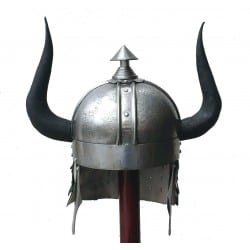
Before exploring Viking life, we need to separate historical truth from popular misconceptions. Many “facts” children encounter about Vikings come from 19th-century romanticism rather than archaeological evidence. The most persistent myth is the horned helmet, which Vikings never actually wore. This image was invented by costume designers for 19th-century opera productions and has no basis in historical finds. The only authentic Viking helmet ever discovered—found at Gjermundbu in Norway—is a simple, rounded iron bowl with a nose guard.

Similarly, the idea that Vikings were exclusively violent raiders oversimplifies a complex culture. Whilst Viking raids on monasteries like Lindisfarne in 793 created terror across Europe, raiding represented just one aspect of Norse life. Most Viking men were farmers who spent their days cultivating barley, rye and oats, raising livestock, and managing small family farms. Raiding expeditions typically occurred during summer months when farming demands were lower, and many Vikings never participated in raids at all.

The table below clarifies common Viking myths against historical evidence:

The MythThe RealityArchaeological Evidence
Vikings wore horned helmetsVikings wore simple iron helmets or fought bareheadedOnly one Viking helmet ever found (Gjermundbu, Norway) has no horns
Vikings were dirty and uncivilisedVikings were remarkably clean, bathing weekly and grooming dailyGraves contain tweezers, razors, combs and ear cleaners
Only men fought as VikingsSome women were buried with weapons and may have been warriorsThe Birka warrior grave in Sweden contained a woman buried with full military honours
Vikings only raided and pillagedMost Vikings were farmers, traders and craftspeopleSettlement evidence shows farming communities, workshops and trading centres

Understanding these misconceptions helps children approach Viking history critically. “Children often arrive at Viking topics expecting horned helmets and constant battles, but the real history is far more interesting because it shows how ordinary people lived, worked and built communities,” explains Michelle Connolly, Founder of LearningMole and former teacher with over 15 years of classroom experience.

Where Did the Vikings Come From?

Vikings Facts

The Vikings originated from Scandinavia—the regions we now know as Norway, Sweden and Denmark. The Viking Age traditionally spans from around 700 AD to 1050 AD, though the exact dates vary by region. Scandinavian geography shaped Viking culture profoundly: long coastlines with deep fjords created natural harbours, whilst mountainous terrain and limited farmland encouraged seafaring and exploration. The climate was harsh, with long, dark winters that influenced everything from housing design to storytelling traditions.

Vikings didn’t simply appear in Britain one day. Archaeological evidence suggests gradual contact through trading before the first recorded raid on the Lindisfarne monastery in Northumbria in 793. This attack shocked Christian Europe because monasteries were seen as sacred, peaceful places—but Vikings, following their own Norse religion, saw wealthy, undefended buildings ripe for plunder. The success of early raids encouraged further expeditions, and within decades, Viking armies were conquering and settling large areas of Britain.

The Great Heathen Army, which arrived in 865, marked a shift from raiding to conquest. Led by the sons of legendary Viking Ragnar Lothbrok, this massive force captured York (which the Vikings called Jorvik) and established permanent settlements across eastern England. By 886, a treaty between King Alfred of Wessex and the Viking leader Guthrum divided England into Anglo-Saxon and Viking territories—the Danelaw. This division lasted for generations and explains why many place names in northern and eastern England have Norse origins. Towns ending in “-by” (meaning settlement), “-thorpe” (meaning village) or “-thwaite” (meaning clearing) reveal Viking foundations.

The Norse who settled in northern France during the 10th century became known as Normans (literally “Northmen”). They adopted the French language and culture whilst maintaining their warrior traditions. Ironically, it was these Normanised Vikings who would conquer England in 1066 under William the Conqueror—meaning England was ultimately conquered by descendants of Vikings, just in a different form. This complex history shows how Viking influence wove itself permanently into Britain’s cultural fabric.

Masters of the Sea: Viking Longships and Navigation

Vikings Facts

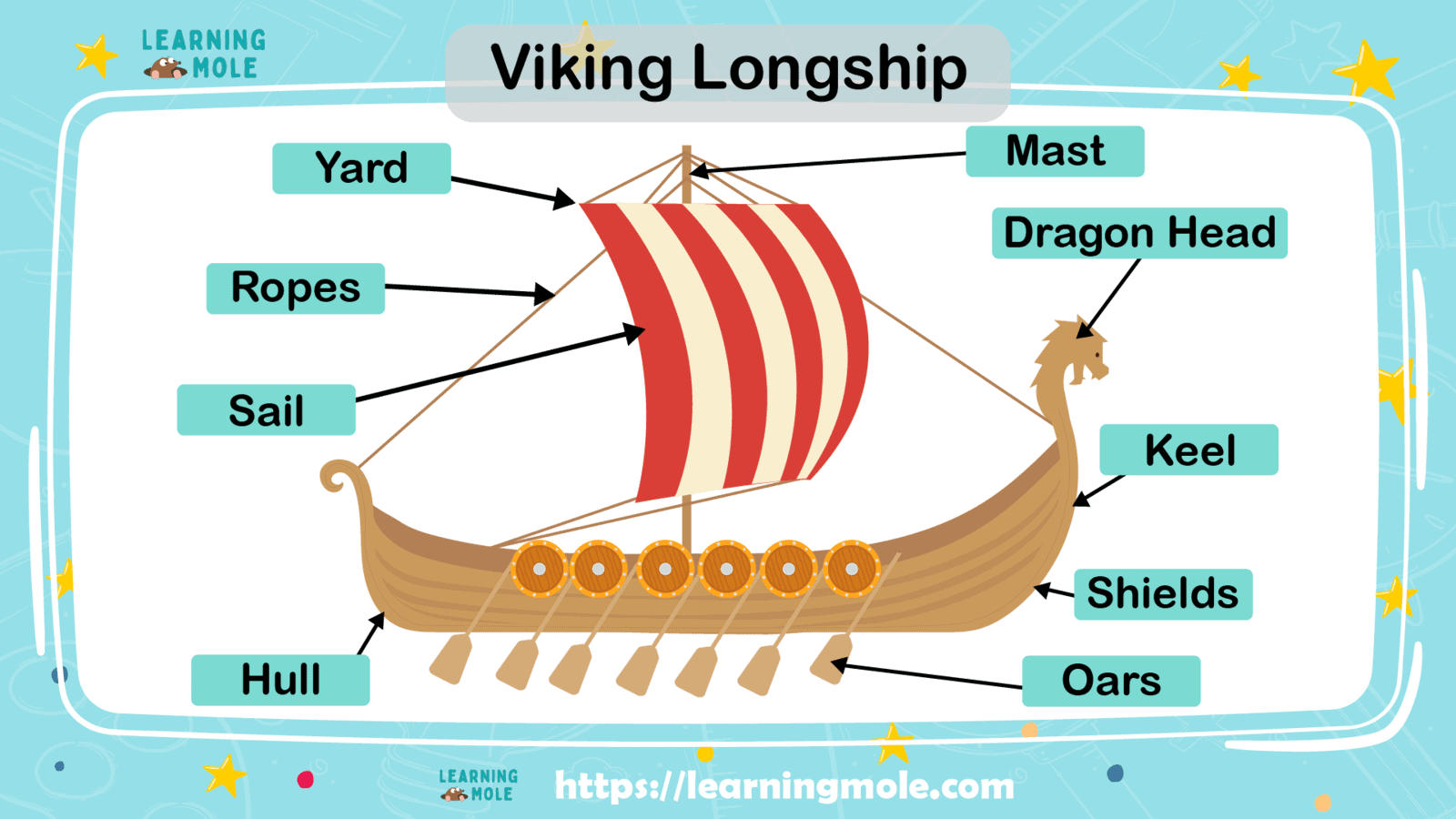
The Viking longship represents one of history’s greatest shipbuilding achievements. These elegant vessels combined speed, shallow draft and versatility in ways that wouldn’t be matched for centuries. A typical longship measured 20 to 30 metres long but drew less than one metre of water when fully loaded, allowing Vikings to sail up rivers and beach directly on shore—a crucial advantage when raiding coastal settlements. The ships’ symmetrical design meant they could reverse direction without turning around, and a single large square sail combined with rows of oars provided propulsion in any conditions.

The Anatomy of a Longship

The keel formed the backbone of Viking shipbuilding technology. This long wooden beam running from bow to stern sat lower than the ship’s body, providing stability and allowing the vessel to sail close to the wind. Vikings invented the keel around the 7th century, revolutionising ship design. The hull consisted of overlapping wooden planks (called clinker construction) fastened with iron rivets and sealed with wool soaked in pine tar to make them watertight. This flexible construction allowed the hull to flex with waves rather than breaking, whilst keeping the ship remarkably light.

Longships were built from oak for the keel and pine for the planks, chosen for strength and flexibility. The Vikings’ advanced woodworking skills allowed them to split logs along the grain rather than sawing them, creating stronger planks that followed the wood’s natural lines. A medium-longship required about 11 oak trees and took a skilled crew six months to build. The ship’s shallow draft meant Vikings could sail where deeper vessels couldn’t go—up rivers to attack towns far inland, or across open ocean to reach Iceland, Greenland and eventually North America.

Vikings navigated using remarkable skill and natural observations. They followed coastlines when possible, memorising landmarks and using detailed mental maps passed through oral tradition. For open-ocean voyages to Iceland or Greenland, Vikings relied on latitude sailing—travelling east or west until reaching the correct latitude, then turning north or south. They judged latitude by observing the sun’s height at noon and the position of the North Star at night.

The legendary “sunstone” mentioned in sagas may have been calcite or cordierite crystals that show polarisation patterns in sunlight, allowing navigators to find the sun’s position even through clouds. Recent scientific studies have confirmed that these crystals work effectively for navigation. Vikings also read natural signs: cloud formations over distant islands, seabird flight patterns indicating nearby land, and changes in wave patterns caused by landmasses. Experienced navigators could “read” the ocean in ways that seem almost magical today, but represented accumulated knowledge passed from father to son over generations.

LearningMole’s educational videos demonstrate Viking shipbuilding techniques and navigation methods through animations that make these ancient technologies comprehensible for KS2 children. Understanding how Vikings conquered the seas without modern instruments helps children appreciate human ingenuity and problem-solving across history.

Daily Life: What Was It Really Like to Be a Viking?

Popular images of Vikings focus almost exclusively on warriors and raiders, but the reality was far more domestic. Most Vikings never left Scandinavia, spending their lives farming, fishing, and raising families. A typical Viking day began at sunrise, with men heading to fields or boats whilst women managed households, livestock and textile production.

Children worked alongside parents from an early age, learning the skills they’d need as adults. Viking society was hierarchical but offered opportunities for wealth and status through successful trading, skilled craftsmanship or distinguished military service.

The Cleanest People in Europe

Contrary to modern assumptions about “dirty Vikings,” Norse people maintained hygiene standards far exceeding their European contemporaries. Vikings bathed at least once a week—typically on Saturdays, which they called “laugardagur” (washing day). Archaeological excavations of Viking sites regularly uncover combs, tweezers, razors and ear cleaners, proving that grooming was taken seriously. Vikings used soap made from animal fat and wood ash, and wealthy individuals owned bronze mirrors for checking their appearance.

This cleanliness shocked their Anglo-Saxon neighbours. The Anglo-Saxon chronicler John of Wallingford complained that Scandinavians living in England seduced English women by bathing regularly, combing their hair, and changing their clothes frequently—contrasting sharply with Anglo-Saxon men who bathed much less often.

Vikings’ attention to grooming likely had practical origins: removing lice and parasites was essential in close-living conditions, and maintaining appearance signified social status. Combs made from bone or antler have been found in almost every Viking grave, suggesting they were personal items carried throughout life and deemed important enough for the afterlife.

Viking hot springs and saunas provided communal bathing spaces where people socialised whilst washing. In Iceland, natural geothermal pools served this purpose, and the tradition continues today. The Old Norse word “laug” (meaning pool or bath) appears in numerous Icelandic place names, showing how central bathing was to Viking settlements.

What Was for Dinner?

Viking food would seem strange to modern British children, though some elements remain familiar. The diet centred on what could be grown, raised, hunted or gathered in Scandinavia’s climate. Barley, rye and oats provided grain for bread and porridge. Vikings didn’t have potatoes (which came from America), but grew vegetables including onions, peas, beans and cabbage. Dairy products—milk, butter, cheese and skyr (a yoghurt-like product still eaten in Iceland)—came from cattle, sheep and goats.

Meat came from domesticated animals (pigs, cattle, sheep, goats, chickens) and wild game (deer, elk, boar, seabirds). Coastal communities relied heavily on fish, particularly cod, herring and salmon. Vikings preserved fish by drying, smoking or fermenting it—creating pungent but long-lasting food stores essential for surviving long winters.

One infamous Viking food was hákarl: fermented shark meat buried underground for months. The fermentation process breaks down toxins in shark meat, making it edible, but the resulting smell and taste are notoriously powerful. Modern Icelanders still eat hákarl during traditional celebrations, maintaining this thousand-year-old tradition.

Vikings ate two meals daily: dagverðr (day meal) around mid-morning after several hours of work, and náttverðr (night meal) in the early evening. Food was prepared in iron cauldrons hung over central fires, creating stews and porridges that simmered throughout the day. Wooden bowls and spoons served as tableware. Vikings had no forks, using knives and fingers to eat most foods. Bread was baked on flat stones or in simple ovens. Wealthy Vikings could afford imported luxuries like wine, exotic spices and fine tableware, but most families ate simple, hearty fare designed to fuel physically demanding lives.

Viking Children: School, Toys and Chores

Viking children had no formal schools. Education was practical and experiential: children learned by helping parents with daily tasks from around age 5 or 6. Boys worked with fathers and other men, learning farming, fishing, animal husbandry, woodworking and weapon skills. Girls worked with mothers, learning textile production, food preparation, household management and childcare. This gendered division of labour was strict but not absolute—women managed entire farms when men were away, and some women gained status as skilled healers, poets or religious figures.

Despite heavy work expectations, Viking children still played. Archaeological finds include wooden toy swords, small boats, dolls, and miniature versions of adult tools. Children played board games, particularly a strategy game called hnefatafl (Viking chess). They told riddles, played ball games, and engaged in physical contests that built skills useful for adult life—swimming, climbing, running and mock fighting. Ice skating using bone skates has been documented in Scandinavia since before the Viking Age, suggesting winter sports were popular pastimes.

Children weren’t named immediately at birth. A newborn would be presented to the father, who decided whether to accept the child into the family or expose it (leave it to die)—a harsh practice that, whilst disturbing to modern sensibilities, reflected the brutal economic realities of subsistence farming where every mouth to feed mattered. If accepted, the child would be sprinkled with water and given a name in a ceremony called ausa vatni.

Viking children received only one name, with their identity tied to their father’s name (patronymic system). A boy named Leif, whose father was Toke, would be known as Leif Tokesson (Leif, son of Toke). A girl named Freydis, whose father was Erik, would be Freydis Eriksdottir (Freydis, daughter of Erik).

Viking Clothing and Fashion

Vikings Facts

Viking clothing served practical purposes first—providing warmth and protection in harsh climates—but also signalled social status and wealth. The basic garments remained similar across social classes, with differences appearing in fabric quality, colours and decorative elements. Most clothing was handmade by women using wool from sheep, linen from flax, and animal skins. The process from raw fleece to finished garment was labour-intensive, taking hundreds of hours per item, which made textiles valuable trade goods and inheritance items.

Men’s Clothing

Viking men wore an undershirt (often linen) covered by a knee-length wool tunic. Trousers made from wool were held up with a drawstring or cord and could be fitted or baggy, depending on the region and period. In cold weather, men added a cloak fastened at the shoulder with a brooch or pin, leaving both hands free. Leather belts held tools, knives and small pouches. Footwear consisted of leather shoes or boots, often lined with moss or sheep’s wool for insulation. Some men wrapped their lower legs with long strips of cloth (similar to puttees) for extra warmth.

Vikings Didn’t Wear Horned Helmets?

Vikings didn’t wear horned helmets. Forget almost every Viking warrior costume you’ve ever seen. Sure, the pugnacious Norsemen probably sported headgear, but that whole horn-festooned helmet look? Depictions dating from the Viking age don’t show it, and the only authentic Viking helmet ever discovered is decidedly horn-free. Perhaps the horned helmets were inspired by descriptions of northern Europeans by ancient Greek and Roman chroniclers.

Vikings didn’t wear horned helmets. Forget almost every Viking warrior costume you’ve ever seen.

 horned helmets.

Wealthier men embellished their clothing with embroidery, tablet-woven decorative bands, or silk imported from the Byzantine Empire and Asia along trade routes. Owning silk marked someone as prosperous and well-connected. Colours indicated status: bright hues, particularly blue, required expensive imported dyes, whilst earth tones (browns, greys, natural wool colours) were easier to produce. Madder root created red dyes, woad produced blue, and various plants yielded yellows and greens, but achieving strong, lasting colours required skill and resources beyond most families’ means.

Women’s Clothing

Viking women wore a long linen underdress (like a nightgown) with a woollen overdress (called a hangerock) suspended from straps. Two distinctive oval brooches fastened these shoulder straps, creating one of the most recognisable elements of Viking women’s dress. Strings of glass, amber or bone beads hung between these brooches, both decorative and functional—beads could hold needlework tools, keys or other small items. Women wore a shawl or cloak over their dresses, pinned with a third brooch.

The brooches worn by Viking women were works of art: bronze, silver or gold fashioned into intricate designs featuring geometric patterns, animal motifs or mythological scenes. Brooch styles varied by region and period, allowing archaeologists to date and locate grave finds based on brooch design. Wealthy women owned multiple sets of jewellery for different occasions, and brooches were prized possessions passed down through generations. Keys worn on women’s belts signified their authority as household managers—the key-bearer controlled access to stored goods and valuables.

Women’s hairstyles typically featured long hair in braids or buns, often covered with a headcloth or wrap. Married women generally covered their hair, whilst unmarried women could wear it loose or partially covered. Both men and women cultivated facial hair, with men favouring beards and moustaches. Contrary to popular images, there’s no strong evidence for elaborate braiding in men’s hair or beards, though they certainly kept hair groomed.

Waterproof and Winter Clothing

Vikings needed weather-resistant clothing for sea voyages and harsh Scandinavian winters. They treated leather with fish oil, beeswax and other fats to create waterproof outer layers for sailing. Woollen cloaks became naturally water-resistant when woven tightly from oily sheep’s wool—the lanolin in wool repels water. For extreme cold, Vikings wore clothing made from fur and thick animal skins: bear, reindeer, seal and sheepskin all provided superior insulation.

Children wore miniature versions of adult clothing, reflecting their expected roles in society. Viking families couldn’t afford separate “children’s clothes” in the modern sense—garments were practical items that would be worn until outgrown, then passed to younger siblings or reworked into other items. Nothing was wasted in a subsistence economy.

Viking Longhouses: Home and Hearth

Vikings Facts

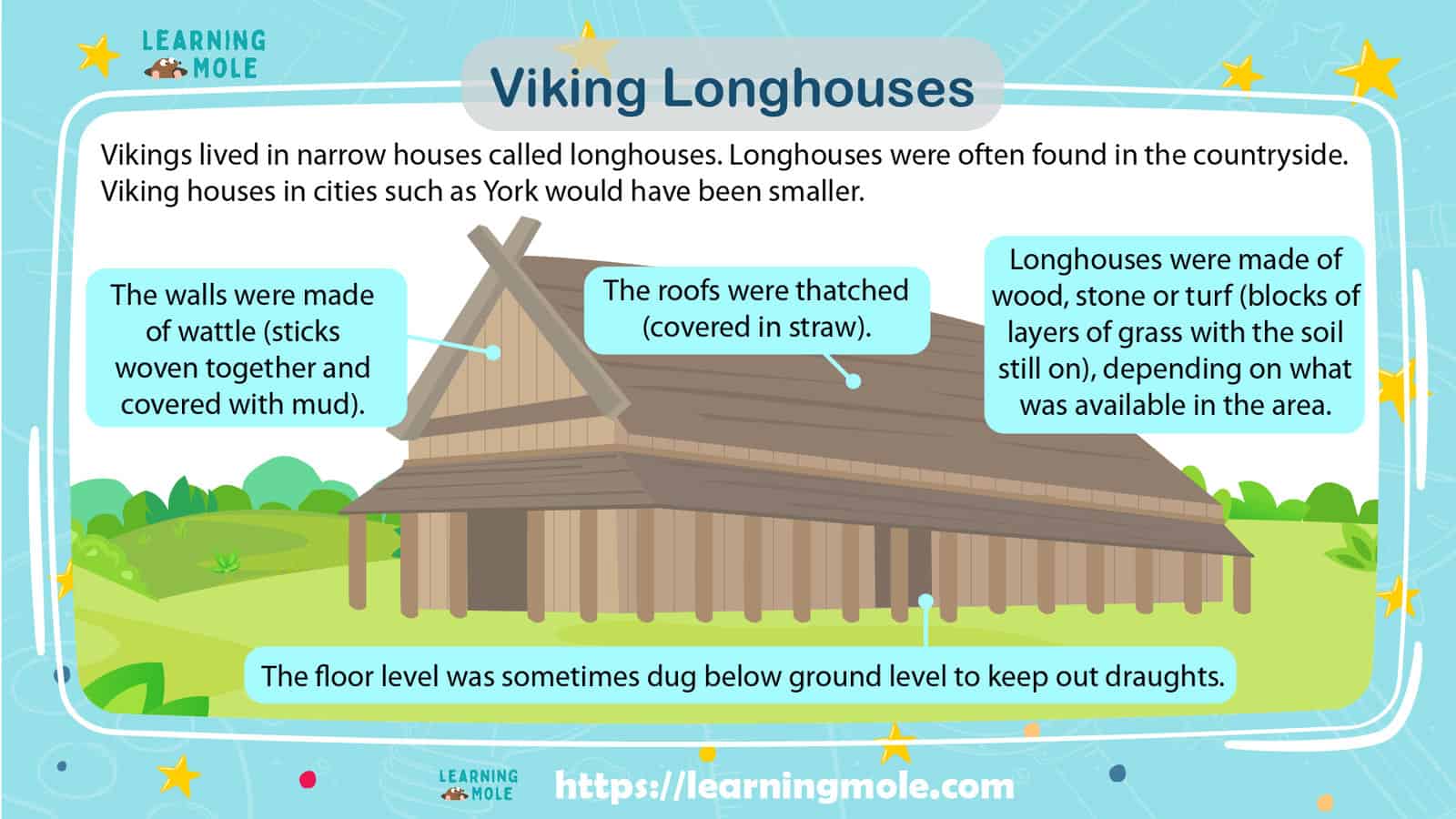
The longhouse formed the centre of Viking family life. These rectangular buildings, typically 15 to 30 metres long and 5 to 7 metres wide, housed extended families and their animals under one roof. The design was remarkably consistent across Scandinavia, though regional variations existed. Walls consisted of timber frames filled with wattle and daub (woven sticks covered with mud and straw) or turf blocks stacked like bricks. Turf provided excellent insulation against cold but required thick walls—sometimes over a metre wide—to support the roof.

Inside, a central hearth provided heat, light and cooking fire—the literal and figurative heart of the household. Smoke from the fire filtered up through the roof via a hole or vent, though buildings would still have been smoky and dim. Most longhouses had no windows, with light coming from the smoke hole, doors and occasionally small openings near the roofline. This lack of windows kept heat in during winter but made interiors dark. Stone lamps burning fish oil, whale oil or seal oil provided supplementary lighting when available.

Raised platforms along both long walls served as benches during the day and sleeping areas at night. Families lined these benches with straw, moss or dried seaweed, covered with animal skins for warmth. Wealthier households had actual beds with wooden frames, but most people slept communally on the benches. Privacy was minimal—entire extended families (potentially 30 to 50 people) lived, ate, worked, slept and socialised in this single room. Some longhouses had a small separate room at one end for valuable goods or the family’s most important members, but open-plan living was the norm.

Animals—horses, cattle, sheep, goats, pigs, chickens—occupied the lower end of the longhouse. Keeping animals inside during winter protected them from freezing, whilst providing additional heat for the human inhabitants. The smell, noise and sanitation challenges of cohabiting with livestock would shock modern sensibilities, but Vikings accepted this as normal. The longhouse door faced away from prevailing winds, and a small porch or entrance room (sometimes called a “mud room” today) provided a buffer against drafts.

Archaeological excavations across Scandinavia and Viking settlements in Britain, Ireland, Iceland and Greenland have revealed longhouse remains. Post holes show where timber supports stood, whilst layers of compacted earth and refuse reveal centuries of occupation. Some Icelandic longhouses had walls over 2 metres thick, built entirely from turf because Iceland lacked trees. These turf buildings stayed inhabited for generations, with families simply building new layers atop old ones as roofs collapsed or walls slumped.

Viking Gods, Giants and Monsters

Norse mythology formed the spiritual foundation of Viking culture before Christianity arrived. Unlike the single God worshipped by Christians, Vikings believed in numerous gods (polytheism), each controlling different aspects of existence. These gods weren’t all-powerful or infallible—they could be killed, tricked or make mistakes, making them relatable to human experiences. Norse mythology explained natural phenomena (thunder came from Thor’s hammer) and provided moral frameworks for Viking society.

The Major Norse Gods

Odin, the Allfather, ruled Asgard (the realm of the gods) and represented wisdom, war, poetry and death. Vikings portrayed Odin as a wanderer who sacrificed his eye for knowledge and hung himself from the World Tree for nine days to learn the runes. Odin welcomed the bravest warriors who died in battle to Valhalla, his hall in Asgard, where they feasted and fought in preparation for Ragnarök (the final battle).

Thor, Odin’s son, was the most popular god amongst common Vikings. The thunder god wielded Mjölnir, a magical hammer that always returned to his hand and could destroy giants. Vikings wore small hammer amulets for protection, and many were buried with them. Thor represented strength, protection and the natural forces that farmers depended upon—thunder and rain brought necessary water, but storms could destroy crops, reflecting Thor’s dual nature.

Loki was the trickster god, neither fully good nor evil. His cunning caused problems for other gods but also solved them. Eventually, Loki’s tricks turned malicious, and he fathered three monstrous children: Fenrir (a giant wolf), Jörmungandr (the World Serpent) and Hel (who ruled the underworld). At Ragnarök, Loki would lead the giants against the gods in the final battle.

Freyja, goddess of love, beauty, fertility and war, was equally worshipped by men and women. She could take the form of a falcon and was said to receive half of those who died in battle (the other half going to Odin). Freyja represented both domesticity and fierce independence—a combination Vikings admired.

Giants, Monsters and Magical Creatures

Norse mythology featured constant conflict between gods and giants (jötnar). Giants represented chaos and natural forces, whilst gods represented order and civilisation. This struggle mirrored Viking experiences battling harsh environments. The Midgard Serpent, a snake so large it wrapped around the entire world, lay coiled in the ocean. Thor famously battled the serpent during a fishing trip, and at Ragnarök, the two would fight to mutual destruction.

Dwarves lived underground and crafted magical items for gods—including Thor’s hammer, Odin’s spear and the golden hair they made for Sif after Loki cut hers off as a prank. Elves were supernatural beings associated with nature and fertility. Valkyries were warrior women who served Odin, choosing which warriors would die in battle and escorting them to Valhalla.

Valhalla and the Afterlife

Vikings believed dying in battle guaranteed admission to Valhalla, where warriors spent eternity training for Ragnarök whilst enjoying an endless supply of roasted meat and mead. This belief made Vikings fearless in combat—death in battle was glorious, whilst dying of old age or illness meant going to Hel’s dark realm. This explains why Viking warriors sought out dangerous battles and took extraordinary risks.

“Children are fascinated by Norse mythology because the gods feel more human than divine—they argue, make mistakes, and face challenges they can’t always overcome. It’s one reason why Viking myths have remained popular in modern books and films,” notes Michelle Connolly, Founder of LearningMole and former teacher with over 15 years of classroom experience.

The Vikings in Britain: From Lindisfarne to Danelaw

The Vikings’ impact on Britain was profound and lasting. The first recorded Viking raid occurred on 8 June 793 against the Lindisfarne monastery in Northumbria. The attack shocked Christian Europe: heavily armed Norsemen arrived in longships, slaughtered monks, looted treasures and burned buildings before vanishing across the sea. The Anglo-Saxon Chronicle records: “the ravages of heathen men miserably destroyed God’s church on Lindisfarne, with plunder and slaughter.”

This raid marked the beginning of two and a half centuries of Viking involvement in British affairs. Initial raids targeted monasteries and coastal settlements—religious houses were wealthy, poorly defended, and filled with gold, silver and valuable manuscripts. Vikings, following their own polytheistic religion, saw no sacrilege in raiding Christian sites. Successful raids encouraged further expeditions, with Viking fleets growing larger and bolder each year.

The Great Heathen Army and Conquest

In 865, the nature of Viking activity changed dramatically. The Great Heathen Army—a massive coalition force led by the sons of legendary Viking Ragnar Lothbrok—invaded East Anglia not to raid but to conquer. Over several years, this army captured the Anglo-Saxon kingdoms of Northumbria, East Anglia and Mercia. Only Wessex, under King Alfred (later called Alfred the Great), successfully resisted complete conquest.

The Vikings captured York in 866, renaming it Jorvik and establishing it as a major Viking settlement and trading centre. Archaeological excavations in modern York have revealed Viking-era streets, workshops, homes and thousands of artefacts showing daily life in a Scandinavian settlement on English soil. Jorvik became so important that it minted its own coins and served as the capital of Viking-controlled territory in England.

The Danelaw and Alfred’s Resistance

After years of warfare, King Alfred of Wessex and the Viking leader Guthrum negotiated the Treaty of Wedmore (878) and subsequently the Treaty of Alfred and Guthrum (886-890). These agreements divided England along a line roughly from London to Chester. East and north of this line became the Danelaw—a territory where Viking (particularly Danish) law and customs prevailed. Wessex and western Mercia remained under Anglo-Saxon control.

Within the Danelaw, Vikings established farms, villages and towns following Scandinavian patterns. They intermarried with local Anglo-Saxons, creating a mixed Anglo-Scandinavian culture. Place names across northern and eastern England still reflect this Viking heritage: towns ending in “-by” (Derby, Grimsby, Whitby) derive from the Norse word for settlement; “-thorpe” (Scunthorpe, Cleethorpes) means village; “-thwaite” (Braithwaite, Rosthwaite) means clearing. Even street names in York—like Coppergate, from “koppari-gata” (street of the cup-makers)—preserve Old Norse words.

The Danelaw lasted officially until 954 when the last Viking king of York was killed, but Viking influence persisted for generations. English absorbed hundreds of Old Norse words: basic vocabulary like “sky,” “window,” “knife,” “egg,” “cake,” “ugly,” “wrong,” and “they” all come from Old Norse. Days of the week preserve Norse gods’ names: Tuesday from Tyr (Norse god of war), Wednesday from Woden (Odin), Thursday from Thor, and Friday from Frigg (Odin’s wife).

Viking Legacy in Modern Britain

DNA studies show significant Scandinavian ancestry across northern and eastern England, particularly in areas once part of the Danelaw. Many British surnames derive from Norse origins: names ending in “-son” follow the Viking patronymic tradition, whilst others like Kettlewell, Thwaite, and Asgard come directly from Old Norse words.

The relationship between Vikings and Anglo-Saxons was complex—sometimes violent, often cooperative, eventually assimilative. Vikings didn’t simply conquer and destroy; they settled, farmed, traded and integrated. Their influence strengthened England’s connections to Scandinavia and the wider Viking world, bringing new technologies, trade goods and cultural practices. This period, covered in the KS2 National Curriculum under “Britain’s settlement by Anglo-Saxons and Scots” and “the Viking and Anglo-Saxon struggle for the Kingdom of England,” was crucial in forming English identity.

Viking Burials and Beliefs About Death

Vikings’ burial practices reflected their beliefs about the afterlife and the deceased’s status in life. Unlike simple Christian burials of the period, Norse funerals could involve elaborate rituals and grave goods. The Vikings believed the dead person would use items buried with them in the afterlife, so graves often contained weapons, tools, jewellery, food, and sometimes even ships or animals.

Ship Burials

The most famous Viking burial practice involved interring the dead in ships. Archaeological discoveries like the Oseberg ship burial in Norway and the Sutton Hoo burial in England (likely Anglo-Saxon but heavily influenced by Scandinavian customs) reveal the scale of these monuments. The deceased—often a wealthy individual or warrior—would be laid in a ship with grave goods surrounding them. The ship was then either buried under a massive mound of earth or, in some cases, set ablaze in a funeral pyre before burial.

Why ships? Vikings saw death as a journey to the afterlife, and the vessel that served them well in life would carry them to their final destination. For a maritime culture, this symbolism was deeply meaningful. Ship burials were expensive, requiring immense labour to move and bury a large vessel, so they were reserved for the most distinguished individuals—chieftains, wealthy merchants, or prominent women.

Gender and Grave Goods

Archaeologists identify the gender of Viking burials primarily through grave goods. Men were typically buried with weapons (swords, spears, axes, shields), indicating their warrior status or ability to defend their family. Tools related to crafts or trades might also appear—blacksmith’s tools, merchant’s scales, or fishing equipment. Women’s graves contained jewellery (particularly the distinctive oval brooches), textile tools (spindle whorls, loom weights, needles), keys (symbolising household authority), and sometimes luxurious items like fine fabrics or imported goods.

However, some burials challenge these assumptions. The famous Birka warrior grave in Sweden, initially identified as male based on weapons and military equipment, was revealed through DNA testing to contain a woman’s remains. This discovery sparked debates about female warriors (shield-maidens) and whether women participated in raiding and warfare more than previously thought. Other graves show unusual combinations of “male” and “female” goods, suggesting some individuals held mixed or non-traditional roles.

Funeral Practices

Written accounts by Arab traveller Ahmad ibn Fadlan describe a Viking funeral on the Volga River in 922. He witnessed elaborate rituals lasting days: the deceased chieftain was dressed in fine clothes and placed in a ship with food, weapons and alcohol. A female slave volunteered to accompany him in death, undergoing rituals before being killed and placed beside him. The ship was then set ablaze. Whilst this account describes practices far from Scandinavia, it suggests the variety of Viking funeral customs.

More modest burials involved simple graves with few goods. Slaves and poor individuals might receive no grave goods at all. Some Vikings practised cremation without ships, burning bodies on pyres and collecting ashes in urns for burial. As Christianity spread through Scandinavia during the late Viking Age, burial practices shifted towards Christian norms—bodies placed in simple graves aligned east-west without pagan grave goods.

The grave goods found in Viking burials provide archaeologists with invaluable information about daily life, trade connections, social hierarchies and cultural values. Objects from as far away as the Middle East and North Africa in Scandinavian graves demonstrate the vast trading networks the Vikings established across the medieval world.

Viking Pastimes and Entertainment

Despite demanding lives filled with farming, trading and occasional raiding, Vikings enjoyed leisure activities that built community bonds and provided entertainment during long winter evenings. Archaeological evidence and saga literature reveal a culture that valued games, physical prowess, storytelling and artistic expression.

Board Games and Strategy

The most popular Viking board game was hnefatafl, called “King’s Table” or “Viking chess” by modern players. This strategy game predated chess in Scandinavia and involved one player defending a king piece whilst the opponent tried to capture it. The game required tactical thinking and was popular amongst all social classes. Game pieces made from bone, antler, wood, glass and even precious metals have been found across the Viking world. The famous Lewis Chessmen, discovered on the Isle of Lewis in Scotland in 1831, consist of 93 chess pieces carved from walrus ivory and whale teeth, demonstrating the importance of games in Viking culture.

Other games included dice, which Vikings used both for gaming and divination (predicting the future). Game boards scratched into stone or wood surfaces at Viking sites show that impromptu games happened anywhere—during sea voyages, whilst guarding livestock, or around the evening hearth.

Physical Contests and Sports

Vikings valued physical strength and prowess, holding contests and sporting events that tested athletic abilities. Wrestling (glima) was particularly popular, with specific rules and techniques passed down through generations and still practised in Iceland today. Swimming races challenged participants in cold Scandinavian waters. Stone lifting contests tested raw strength—some champion stones still exist in Iceland, with inscriptions recording who lifted them.

Winter sports took advantage of Scandinavia’s climate. Skiing developed originally as a practical transportation but became recreational as well. The word “ski” comes from Old Norse “skíð,” meaning a split piece of wood. Ice skating using polished animal bones attached to boots allowed people to travel across frozen lakes and rivers. Mock battles and weapons training for young men weren’t purely military preparation—they were also competitive entertainment.

Storytelling and Skalds

Storytelling held immense cultural importance for Vikings. Professional poets called skalds composed and performed elaborate verses praising chieftains, commemorating battles and preserving historical events. Skaldic poetry followed complex rules of meter and alliteration, requiring years of training to master. A skilled skald could earn wealth and prestige by serving powerful leaders, and their compositions preserved Viking history before writing became common.

Sagas—long prose narratives—told stories of legendary heroes, family feuds, explorations and supernatural beings. Families gathered around fires during long winter nights to hear these tales recited. The oral tradition was so strong that many sagas were accurately preserved by memory for generations before being written down in medieval Iceland. These stories weren’t merely entertainment; they taught moral lessons, preserved family histories, and reinforced cultural values of bravery, loyalty and honour.

Music accompanied storytelling and festivities. Vikings played lyres (stringed instruments), flutes made from bone or wood, and drums. Evidence for Viking music is limited since instruments rarely survive, but references in sagas and occasional archaeological finds confirm music’s role in Viking culture.

Feasting and Social Gatherings

Large feasts marked important occasions—seasonal festivals, weddings, funerals, successful raids or good harvests. These gatherings strengthened community bonds and provided entertainment. Hosts demonstrated wealth and generosity by providing abundant food, mead (honey wine), and ale. Guests were expected to reciprocate hospitality when hosting their own feasts, creating networks of social obligation and alliance.

During feasts, skalds performed, people shared stories, games were played, and riddles were posed. Vikings loved riddles and word puzzles, with many preserved in medieval manuscripts. These verbal contests demonstrated wit and intelligence, qualities Vikings admired alongside physical strength.

Teaching Resources and Support

viking facts

Understanding Viking history becomes more engaging when children can visualise longships cutting through waves, hear the clash of weapons at battles like Stamford Bridge, and imagine daily life in a smoky longhouse. LearningMole provides curriculum-aligned video resources that bring the Viking Age to life for KS2 learners. Our educational videos explain complex concepts like ship construction, runic alphabets and Norse mythology through clear animations and age-appropriate narration aligned with National Curriculum requirements.

Teachers planning Viking topics will find LearningMole’s resources save preparation time whilst maintaining educational quality. Our video library covers key curriculum objectives: understanding why Vikings raided Britain, how Alfred the Great resisted Viking conquest, what life was like in Anglo-Scandinavian settlements, and how Viking influence shaped modern English language and culture. Each video is designed to work as whole-class teaching, small group exploration, or independent learning for more able pupils.

Parents supporting home learning can use LearningMole’s resources to extend classroom work or explore Viking history during weekends and holidays. The subscription service provides unlimited access to hundreds of curriculum-aligned videos covering history, geography, science, maths and English—all created by experienced educators who understand how children learn. For families home educating or looking to supplement school learning, these resources offer structured content that matches what children study in school.

LearningMole’s approach combines historical accuracy with engaging storytelling, helping children remember facts and concepts long after the Vikings topic ends. “Quality educational videos do what textbooks alone cannot. They show concepts in motion, explain with visual clarity, and hold children’s attention whilst teaching. That’s why we focus so heavily on video at LearningMole,” explains Michelle Connolly, Founder of LearningMole and former teacher with over 15 years of classroom experience.

FAQ: Your Viking Questions Answered

Viking raids facts

Did Vikings really wear horned helmets?

No, Vikings did not wear horned helmets. This is one of the most persistent myths about Viking culture. The image of horned helmets was invented by costume designers for 19th-century opera productions and has no basis in archaeological evidence. Only one authentic Viking helmet has ever been discovered—the Gjermundbu helmet found in Norway—and it features a simple, rounded iron bowl with a nose guard and no horns whatsoever. Horned helmets would have been impractical in battle, making the wearer’s head easier to grab and providing no defensive advantage. Ancient Greek and Roman descriptions of northern European tribes sometimes mentioned ritual horned headdresses, but these were ceremonial items, not battle gear.

What did Vikings look like?

Vikings were generally tall for their time, with men averaging around 5 feet 7 inches (considerably taller than other Europeans of the period). They had a variety of hair colours, including blonde, red, brown and black, and contrary to popular belief, they were remarkably clean and well-groomed people. Archaeological finds show Vikings owned combs, tweezers, razors and ear cleaners, and they bathed at least once weekly—far more frequently than other medieval Europeans. Viking men typically wore beards and moustaches, whilst both men and women kept their hair long. They favoured bright, colourful clothing when they could afford dyed fabrics, particularly strong blues which required expensive imported dyes. Wealthier Vikings wore silk and decorated their clothes with embroidery, making them quite fashionable by medieval standards.

Who was the most famous Viking?

This depends on whether you mean legendary or historical figures. Ragnar Lothbrok is the most famous legendary Viking, featuring in sagas as a fearless warrior and king, but historians debate whether he was a real person or a composite of several historical figures. For confirmed historical Vikings, Harald Hardrada (Harald III of Norway) stands out—he fought across Europe and the Mediterranean before becoming king of Norway and dying at the Battle of Stamford Bridge in 1066 whilst attempting to conquer England. Cnut the Great might be most significant: he became King of England, Denmark and Norway, ruling a North Sea empire in the early 11th century. For exploration, Leif Erikson deserves recognition as the first European confirmed to reach North America, around 500 years before Columbus.

What did Viking children do at school?

Viking children didn’t attend schools. Education was entirely practical and happened at home through working alongside parents. Boys learned farming, fishing, animal care, woodworking, weapon use and navigation by helping their fathers and other men. Girls learned textile production, food preparation, household management, childcare and healing by working with their mothers and other women. This education began around age 5 or 6 and continued until adulthood. Children from wealthy families might receive more specialised training—boys learning to read runes or training as warriors, girls learning fine needlework or household management for a large estate. Some children apprenticed to craftspeople to learn trades like blacksmithing, shipbuilding or jewellery making.

What are 5 interesting facts about Vikings?

First, Vikings reached North America around the year 1000—500 years before Columbus—establishing a settlement at L’Anse aux Meadows in Newfoundland. Second, Vikings were surprisingly democratic, holding assemblies called “things” where free men could vote on laws and settle disputes. Third, the days Tuesday, Wednesday, Thursday and Friday are named after Norse gods (Tyr, Woden/Odin, Thor, and Frigg). Fourth, Viking women had considerably more rights than other medieval European women—they could own property, request divorces, and inherit wealth. Fifth, Vikings used a process called “anting” where they deliberately let ants crawl on their combs to remove lice and parasites, showing their attention to hygiene.

Why did the Vikings stop being Vikings?

The Viking Age ended for several interconnected reasons. Christianity gradually spread through Scandinavia during the 10th and 11th centuries, and Christian Vikings saw raiding Christian lands as sinful, reducing motivation for raids. Scandinavian kingdoms became more centralised and powerful, with kings discouraging independent raiding expeditions that could threaten royal authority. The Viking kingdoms that had raided—England, Scotland, Ireland, and France—developed better defences, including fortified towns, standing armies and their own fleets, making raids more dangerous and less profitable. Trade became more profitable than raiding, and Vikings who had settled in conquered territories integrated with local populations. The Battle of Stamford Bridge in 1066, where Norwegian King Harald Hardrada was killed, symbolically ended the Viking Age—just three weeks before the Battle of Hastings, where William the Conqueror (himself descended from Vikings who had settled in Normandy) conquered England.

Are there any Viking resources for Year 5?

Yes, LearningMole offers extensive Viking resources specifically designed for Year 5 children studying “the Viking and Anglo-Saxon struggle for the Kingdom of England to the time of Edward the Confessor” as part of the KS2 National Curriculum. Our video resources cover key topics including Viking raids on Britain, the establishment of the Danelaw, King Alfred’s resistance, Viking daily life and culture, longships and navigation, and the lasting Viking legacy in language and place names. Each video aligns with curriculum objectives whilst making history engaging through storytelling, animations and child-friendly explanations. Teachers can use these resources for whole-class teaching, whilst parents can access them to support homework or extend classroom learning. The subscription service provides unlimited access to these and hundreds of other curriculum-aligned resources across all primary subjects.

What language did Vikings speak?

Vikings spoke Old Norse, a Germanic language that gave rise to modern Icelandic, Norwegian, Swedish, Danish and Faroese. Old Norse had regional dialects, but speakers across Scandinavia could generally understand one another. When Vikings settled in Britain, Ireland and France, their language mixed with local languages, contributing hundreds of words to English. Many basic English words come from Old Norse, including “sky,” “window,” “knife,” “egg,” “cake,” “bread,” “husband,” “ill,” “ugly,” “wrong,” “weak,” and pronouns “they,” “them”, and “their.” Place names across northern England still preserve Old Norse vocabulary. Some Vikings could read and write using runes—angular letters carved into wood, stone or metal—though most communication was oral rather than written.

Conclusion: The Viking Legacy Lives On

The Vikings were far more than the raiders and warriors depicted in popular culture. They were farmers, craftspeople, traders, explorers and settlers whose influence fundamentally shaped Britain’s development during a crucial period of history.

From the shock of the first raid on Lindisfarne in 793 to the final defeat at Stamford Bridge in 1066, Vikings challenged, changed and ultimately became part of British society. The Danelaw wasn’t simply conquered territory—it was where two cultures merged, creating the Anglo-Scandinavian communities whose descendants still live across northern and eastern England today.

Understanding Vikings helps KS2 children see history as a dynamic process where different people meet, conflict, adapt and blend rather than remaining separate and unchanging. The hundreds of Old Norse words in everyday English vocabulary, the place names scattered across Britain’s map, and the Scandinavian DNA carried by millions of British people all demonstrate that history isn’t something that happened and ended—it’s woven into the present. Every time a child says “they” instead of “hie,” uses the word “sky,” or visits a town ending in “-by,” they’re experiencing Viking legacy without realising it.

Explore LearningMole’s Viking Resources

Understanding the Vikings helps children see how Britain’s identity was shaped by multiple cultures meeting, clashing and eventually blending. These seafaring Norse people left an indelible mark on British history—in language, place names, DNA, and cultural traditions that persist a thousand years after the Viking Age ended.

LearningMole provides free and subscription-based educational videos and teaching resources aligned with the UK National Curriculum for primary schools. Our Viking resources make this fascinating period accessible and memorable through visual storytelling and curriculum-aligned content created by experienced educators. Whether you’re a teacher planning a Vikings topic, a parent supporting home learning, or a child curious about history, our library offers structured content that matches what children study in Key Stage 2.

From longship construction to Norse mythology, from daily life in Viking Britain to the struggle between Vikings and Anglo-Saxons for control of England, LearningMole’s video resources cover the essential knowledge children need. Each video is designed to engage young learners whilst building genuine historical understanding that supports both classroom learning and personal curiosity about the past.

Leave a Reply

Your email address will not be published. Required fields are marked *