
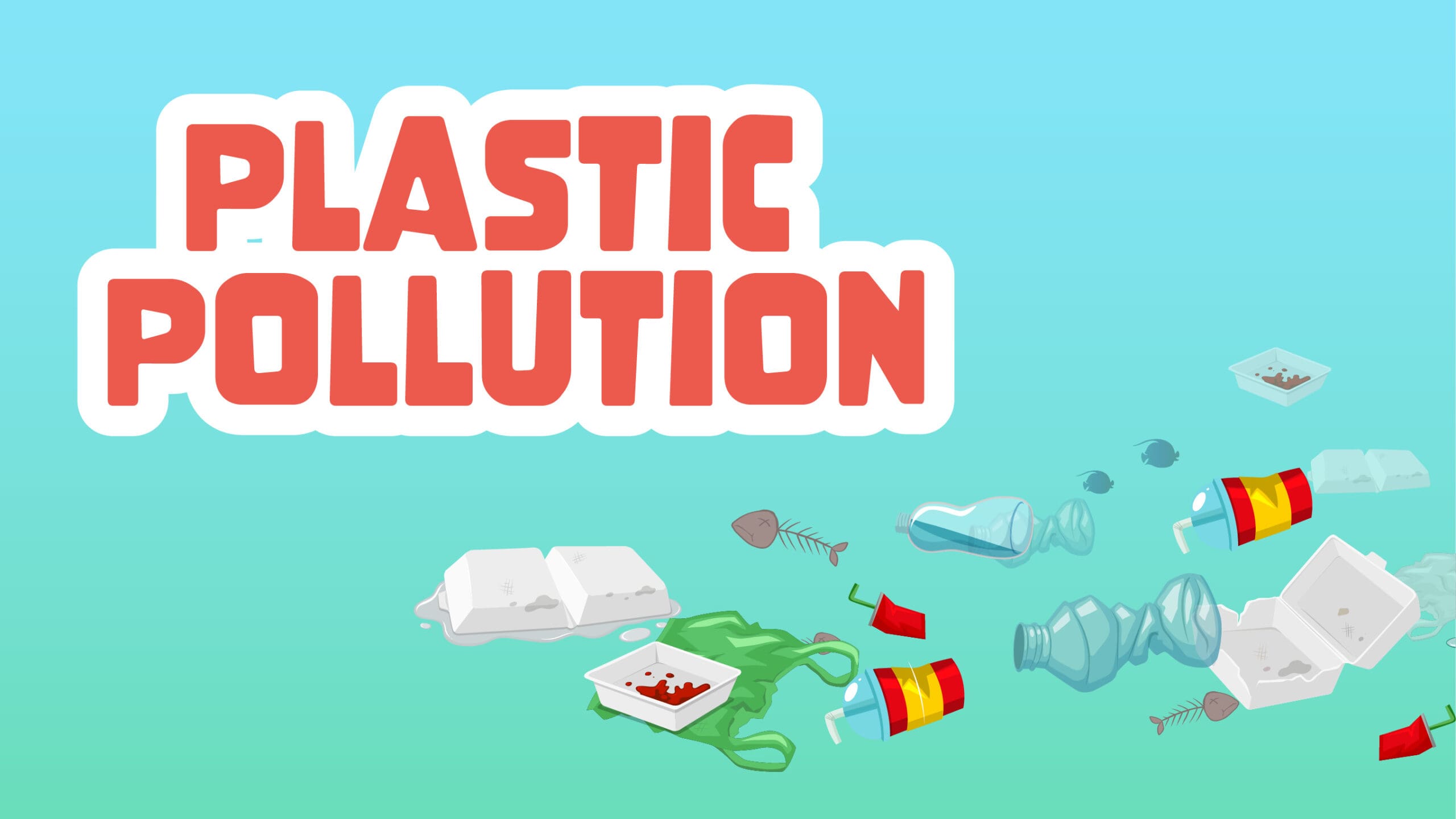
Plastic Pollution

Get ready for an urgent adventure with “Plastic Pollution”! This video invites you to confront the global crisis of plastic pollution and uncover the alarming facts about its devastating impact on our environment. From single-use plastics to microplastics, we’re about to delve into the captivating and eye-opening facts that surround plastic pollution and its consequences. Join us as we explore the causes and effects of plastic pollution, from unsustainable production and consumption to improper waste management. From the environmental impact on marine life and habitats to the threats to human health, we’ll witness the urgent need to address this pressing issue. So, prepare to be informed and join us as we shine a light on the extraordinary world of plastic pollution. It’s an adventure that will leave you both enlightened and inspired to take action and rethink our relationship with this persistent material. Together, we can reduce, recycle, and refuse single-use plastics, working towards a cleaner and healthier planet for future generations. 🌊🌍♻️

Transcription for Plastic Pollution

Please note this transcript is generated automatically and may contain errors.

00:04:07 533 words

Today we are going to learn five shocking facts about plastic pollution. to number one 18 billion pounds of plastic flows into the ocean every year plastic is a very useful material that has a lot of helpful characteristics, but we have started to use it too much and it affects the environment only small amount of plastic we make in use guess recycled into new things and a lot ends up in landfills or waterways. This can release chemicals into the environment and plastic and hurt animals in the wild.

We can reduce our use of plastic to prevent some of the impact this house. Fact number two ocean animals sometimes eat plastic and become sick animals. Don’t know what plastic is when they see it in the environment and can mistake it for other things like food one example of this is sea turtles that eat plastic from the shopping bags see turtles eat jellyfish is part of the natural diet and plastic bags break apart in the ocean and Float around they look a bit like jellyfish sea turtles eat the plastic bags because they think it’s a jellyfish and this can hurt them a good way to reduce the amount of plastic bags.

We use is to use material bags that are reusable or Studio bags. We don’t throw out when we get home. fact number three plastic in the ocean is so small. We can barely see it. Unlike natural materials such as food wool and bamboo plastic doesn’t biodegrade quickly and become part of the soil again plastic can take more than 500 years to break down to the ground or sea what can happen to plastic in the ocean or waterways. Is that a break apart into tiny pieces? These are called microplastics These are plastic particles.

So small that some can be seen by the naked eye, but it’s still cause problems for animals that eat them by accident. fact number four plastic has only been mass-produced since the 1950s. We use plastic for lots of different things and it is a very common material to see but it is still kind of new we have only been creating plastic in a large amount since the 1950s race Plastics were seen in the ocean from the 1960s. And as time goes on we are trying to find more Alternatives which are less harmful to our planet.

Fact number five we can reduce the amount of plastic pollution by using reusable products a great way to prevent plastic entering the ocean and reduce. The amount Center landfill is to reduce how much we use there are easy ways to do this such as buying reusable alternative to plastic. We only use once these are called single-use Plastics and are really bad for the environment if you want to take water or juice out with you, why not use a refillable water bottle rather than a single-use plastic one on next time you go out for a hot chocolate take your own reusable coffee cup, you can even encourage your parents to try it out. I hope you enjoyed my fine plastic pollution facts. See you soon.