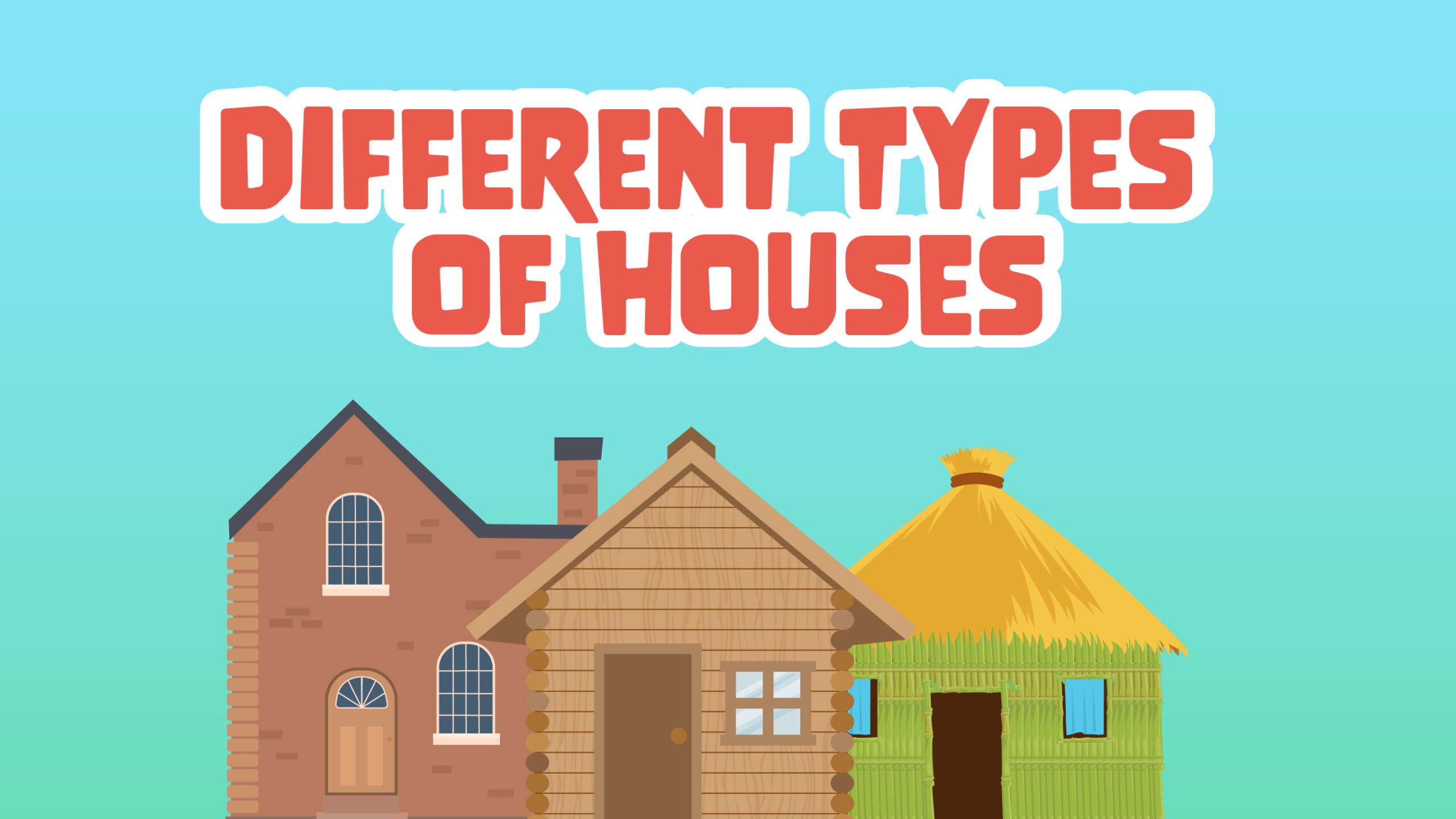
Different types of Houses

Did you know that people live in many kinds of homes, each unique and special in its own way? From towering apartments in bustling cities to cozy cottages in the countryside, and even floating houses on water – there’s so much to see! In this exciting adventure, we’ll travel across different countries and cultures, discovering how homes can be made from various materials like brick, wood, and even snow! We’ll learn why houses in different places look so different, from igloos in icy lands to stilt houses in water-rich areas. This journey will not only show us the incredible diversity of homes around the globe but also teach us about the amazing ways people adapt to their environments. So, pack your imagination and let’s set off to explore the wonderful world of houses!

Transcription for Different types of Houses
Please note this transcript is generated automatically and may contain errors.

00:05:22 575 words

Today we are going to learn five cool facts about different types of houses. Fact number one, log cabins of traditional houses built from round or squared logs stacked horizontally and interlocked at the corners using notches or other joinery techniques originating in northern Europe, particularly in Scandinavia and Russia. Locked cabins became widespread in North America where settlers built them as sturdy shelters from the region’s abundant timber resources. Log cabins are known for the rustic appearance and excellent insulation properties as the logs retain heat in cold weather and keeps the interior cool in the summer.

Modern log cabins often feature contemporary amenities while retaining their classic charm, making them popular choices for vacation homes and rural dwellings. Fact number two, earthships are innovative eco-friendly homes designed with self-sustainability in mind. They are built using recycled and natural materials such as earth pack tires, cans, and bottles, which provide excellent insulation and mineral environmental impact. Earth ships incorporate passive solar design principles with self-facing windows to maximize heat absorption during winter months and natural ventilation for cooling in the summer. They also typically include systems for rainwater harvesting, gray water recycling and solar or wind power generation.

Earthships offer an alternate housing option for those seeking to live off the grid, reduce their carbon footprint, or embrace a more sustainable lifestyle. Fact number three, Victorian houses encompass a range of architectural styles that were popular during the reign of Queen Victoria in the United Kingdom from 1837 to 1901. These homes often feature intricate decorative elements such as ornate, trim pattern, shingles, and stained glass windows. Victorian houses come in various styles, including gothic al, which features pointed arches and steeply pitched roofs. Italianate characterized by slow pitched roofs and decorative brackets, and Queen Anne known for its asymmetrical facades, turrets, and wraparound porches.

Many Victorian homes have been meticulously preserved or restored, showcasing the elaborate tastes and craftsmanship of this historic era. Fact number four, tuna style houses originated in England during the Tudor period from 1485 to 1603 and experienced a revival in the United States during the early 20th century. These homes are characterized by the steeply pitched roofs, decorative half timbering and prominent chimneys. The half timbering involves exposed wood framing with the spaces between timbers filled with brick, stego, or plaster. Tudor style houses often have a toll narrow windows with multiple panels.

The interiors of Tudor homes typically include exposed ceiling beams, large fireplaces, and intricate woodwork. Today, tutor style houses can be found in many neighborhoods across the United States, particularly in the Northeast and Midwest. Fact. Number five, bamboo houses are lightweight, eco-friendly structures constructed primarily from bamboo, a fast-growing and renewable plant with exceptional strength and flexibility commonly found In tropical regions such as Southeast Asia and South America. Bamboo houses provide a sustainable and affordable housing option for many communities. Their flexibility and resilience makes them particularly well suited to areas prone to earthquakes and strong winds.

Bamboo houses are often elevated on stilts or posts to protect them from flooding and pests. Their open design and porous walls allow for good ventilation, making them comfortable and energy efficient in hot and humid climates. The use of bamboo as a building material has gained global recognition as an innovative and sustainable solution for housing and construction. I hope you enjoy my five cool facts about different types of houses. See you next time.

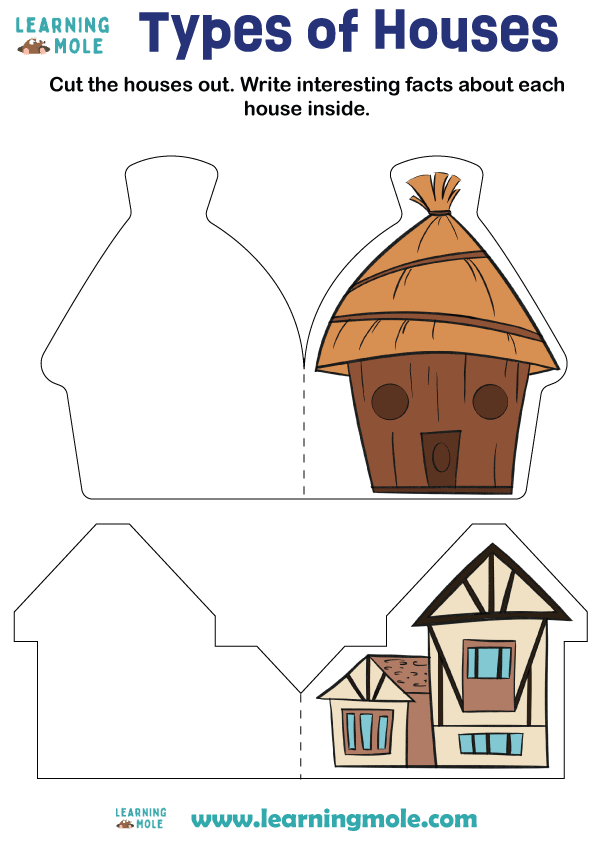
Types of houses Activity

types-of-houses

Types of Houses Activity