Introducing kids to the wonders of space and the universe can be an exciting and inspiring journey. There are numerous space books for kids that educate and ignite their imagination and curiosity about the cosmos. Whether it’s exploring the solar system, learning about inspiring figures in space history, or delving into extraordinary true stories, a variety of books cater to different interests and age groups.
Astronaut Adventures
Regarding space books for young readers, several captivating options bring astronauts’ adventures to life. These informative and engaging books make them the perfect introduction to the world beyond our planet. They are likely to inspire the future explorers of space while providing a sense of wonder about what lies beyond the stars.
Early Stargazers (Ages 2-5)
Early stargazers, ages 2-5, are full of wonder and curiosity as they peer up at the night sky. Their imaginations run wild as they try to make sense of the twinkling stars and mysterious planets. At this age, they are just beginning to grasp the concept of outer space and are fascinated by the beauty and vastness of the universe.
They eagerly ask questions about the stars and delight in learning about the different constellations. It’s a magical time of exploration and discovery for these young astronomers as they begin to develop a love for the cosmos and all its wonders.
Board Books
Introduce the basics with colourful, tactile books about planets, stars, and moons. Board books are a perfect way to introduce little ones to the universe’s wonders. Their bright colours and tactile pages make them perfect for tiny hands to explore. These books are a great way to educate children about the planets, stars, and moons in a fun and engaging way.
Board books are an essential tool for introducing young children to the wonders of space. With vivid colours and tactile pages, these books bring the stars, planets, and moons to life in a way that captivates developing minds. By providing a hands-on experience, children can understand our solar system’s basics interactively and engagingly. These books are perfect for little ones curious about the world around them and are a great way to foster a love for learning at an early age.
With simple text and captivating illustrations, board books about space are a must-have for any budding astronomer. The sturdy pages are designed to withstand rough handling, making them perfect for curious toddlers. Through these interactive books, children can begin to develop an understanding and interest in science. Board books about the cosmos are valuable to any child’s early learning library.
Lift-the-Flap Books
Engage little hands and minds with interactive flaps that reveal fun facts and hidden surprises. Lift-the-flap books are a fantastic way to capture the attention of young children. These interactive books engage little hands and minds as they eagerly explore the flaps that reveal fun facts and hidden surprises. Whether it’s uncovering a hidden picture or discovering a new piece of information, the interactive nature of lift-the-flap books adds excitement to reading.
Not only do these books encourage interaction and play, but they also help in developing fine motor skills and cognitive development. With their engaging and interactive design, lift-the-flap books are a perfect way to spark a love for reading and learning in young children.
Rhyming Stories
Spark a love of language with playful rhymes about spaceships, astronauts, and friendly aliens. Lift-the-flap books are a fantastic way to captivate young children and encourage their curiosity. With interactive flaps that reveal fun facts and hidden surprises, these books engage little hands and minds, making learning an enjoyable and interactive experience.
As children lift the flaps to discover what’s underneath, they have fun developing their fine motor and cognitive abilities. Whether it’s learning about animals, vehicles, or the natural world, lift-the-flap books provide an immersive and playful way for children to explore new topics and expand their knowledge. These books are a great addition to any child’s library and will inspire a love for learning.
Junior Explorers (Ages 5-8)
Junior Explorer is a program designed for children ages 5-8 to ignite their love for adventure and learning about the world around them. Young explorers can discover different environments, cultures, and wildlife through fun and interactive activities. They will engage in hands-on experiments, outdoor exploration, and interactive games to foster curiosity and a sense of wonder.
Kids who take part in Junior Explorers will learn valuable skills like problem-solving, critical thinking, and cooperation, in addition to developing a deeper appreciation of nature. This programme aims to instil in the next generation of young explorers a love of discovery and respect for the environment.
Non-Fiction Adventures
Journey through the solar system with informative books packed with stunning visuals and age-appropriate explanations. Embark on a nonfiction adventure through the solar system with captivating books combining stunning visuals and age-appropriate explanations. Dive into the wonders of outer space as you journey from the rocky terrain of Mars to the gaseous giants of Jupiter and Saturn.
These books provide young readers curious about the world beyond their own an interesting and educational experience through their informative content and visually appealing graphics. Gain a better knowledge of the vast and enigmatic universe that surrounds us.
Activity Books
Encourage hands-on learning with puzzles, mazes, and creative projects that bring concepts to life. Activity books are a great way to engage children in hands-on learning and exploration. By incorporating puzzles, mazes, and creative projects, these books bring space concepts to life in a fun and interactive way.
Children can immerse themselves in the world of space as they solve puzzles, navigate through mazes, and complete creative projects related to the topic. These activities help reinforce knowledge and encourage critical thinking, problem-solving, and creativity. Activity books provide a valuable opportunity for children to learn about space while having fun and developing essential skills at the same time.
Picture Books
Ignite imaginations with captivating illustrations and heartwarming stories about space exploration and discovery. Picture books can ignite children’s imaginations with captivating illustrations and heartwarming stories about exploration and discovery. Young readers are inspired to dream big and aim for the stars by these novels, introducing them to the universe’s wonders.
Vibrant and captivating images encourage children to imagine themselves as scientists, explorers, and astronauts, pique their interest and drive to learn more about the universe. These tales leave a lasting impression on young brains and foster a passion for science and adventure by inspiring awe and admiration for the grandeur and majesty of space.
Cosmic Detectives (Ages 8-12)
Cosmic Detectives (Ages 8-12) is an interactive and informative book that takes young readers on a journey through the mysteries of the universe. Filled with stunning illustrations and fun activities, this book invites kids to become cosmic detectives as they learn about planets, stars, galaxies, and more. From decoding secret messages to solving space-themed puzzles, children will have a blast uncovering the wonders of the cosmos.
With engaging content and easy-to-understand explanations, Cosmic Detectives is the perfect resource for sparking curiosity and inspiring a love for exploration in kids aged 8 to 12. This book is a great way to introduce young readers to the fantastic world of astronomy and science.
Chapter Books
Dive into captivating narratives about young astronauts, alien encounters, and thrilling missions in the final frontier. Embark on an adventure with chapter books that delve into the lives of young astronauts and their thrilling missions in the final frontier. Explore the wonders of the universe as these young explorers encounter alien encounters and navigate through the mysteries of space.
With captivating narratives and exciting plots, these books will transport readers to worlds beyond their imagination. Join these young astronauts as they embark on daring missions, face tough challenges, and unravel the secrets of the cosmos. Whether you’re a science fiction fan or simply love a good adventure, these chapter books will surely capture your imagination and leave you wanting more.
Middle-Grade Science Books
Explore the cosmos more thoroughly with engrossing astronomy, physics, and space phenomenon explanations. Young readers can explore the secrets of the cosmos in greater detail with the help of middle-grade science books. These books give middle school learners interesting explanations of physics, astronomy, and space phenomena, making complicated scientific ideas approachable and intelligible.
By exploring topics such as the solar system, the laws of motion, and the nature of space, these books inspire curiosity and a love for science. Middle-grade science books offer an immersive learning experience that can spark a young person’s desire for exploration and discovery with their colourful images and engaging experiments.
Historical Fiction
Travel back in time and experience the history of space exploration through the eyes of real-life heroes and heroines. Step back in time and immerse yourself in the world of historical fiction, where real-life heroes and heroines take centre stage in the fascinating history of exploration. From the early days of the Space Race to the first moon landing, experience the triumphs and challenges of those who dared to reach for the stars.
Through the eyes of pioneers such as astronauts, engineers, and visionaries, we gain a new perspective on the groundbreaking events that shaped our understanding of the cosmos. Historical fiction allows us to relive these moments in history, shedding light on the extraordinary individuals who made it all possible.
Teenage Voyagers (Ages 13+)
Teenage voyagers aged 13 and above are at a unique stage where they explore their independence and understand the world around them. This is a time when they are eager to embrace new experiences, broaden their horizons, and venture out of their comfort zones. Whether it’s travelling to different countries, learning new languages, or immersing themselves in diverse cultures, teenage voyagers are driven by a sense of curiosity and a thirst for adventure. This period of their lives allows them to discover their passions, develop a global perspective, and create lasting memories that will shape their future.
Young Adult Sci-Fi
Explore dystopian futures, intergalactic wars, and the ethical dilemmas of space colonisation in gripping YA novels. Young Adult Sci-Fi novels offer an exhilarating journey through dystopian futures, intergalactic wars, and the moral complexities of space colonisation. These gripping novels captivate readers with their imaginative exploration of the future.
Whether battling against oppressive societies or navigating the challenges of interstellar conflict, YA Sci-Fi offers a thought-provoking and exhilarating reading experience. These stories delve into ethical dilemmas and the struggle for survival in the face of technological advancements and alien encounters. With diverse characters and intense plotlines, YA Sci-Fi novels provide an immersive escape into the possibilities of the unknown, appealing to both young and adult readers alike.
Non-Fiction for Teens
Uncover the cutting-edge research and technological advancements shaping the future of space travel in in-depth teen reads. In non-fiction books for teens, readers can uncover the cutting-edge research and technological advancements shaping the future of space travel. These in-depth reads provide valuable insights into the latest developments in space exploration, from new propulsion systems to potential habitats on other planets.
With captivating narratives and informative graphics, teens can delve into the complexities of space exploration and the challenges of interstellar travel. These books offer a great opportunity for young readers to expand their knowledge and ignite their passion for the possibilities of future space exploration. Whether it’s learning about new concepts in astrophysics or the engineering of spacecraft, these non-fiction books for teens bring the excitement of space exploration to life.
Graphic Novels
Take off into colourful realms with graphic novels that combine amazing artwork and gripping narratives. A distinctive storytelling format, graphic novels blend visually stunning artwork with engrossing plots. These novels transport readers to colourful and inventive realms where the pictures play a crucial role in the plot, just like the words do.
Graphic novels combine elements of classic literature with the vibrant images of comic books to take readers to new and thrilling realms. Readers can explore a wide variety of subjects and styles through graphic novels, whether it’s an intensely emotional memoir or a compelling superhero epic. With their ability to engage readers on both a visual and narrative level, graphic novels are a truly immersive reading experience.
Best Books for Young Readers
Among the best space books for kids, they vividly illustrate astronauts’ experiences, training, and journeys to space. These books often combine compelling narratives with stunning illustrations, captivating young readers and making the stories come alive. By enabling young readers to imagine themselves as astronauts, such books can instil a sense of adventure and curiosity that may last a lifetime.
True Story of Space Exploration
Introducing children to the true stories of space exploration not only educates them about the history of space travel but also demonstrates the incredible achievements of humankind in venturing beyond Earth. These books often highlight significant missions, breakthroughs, and challenges, inspiring young readers to dream big and reach for the stars.
Illustrated Tales of Space Travel
Illustrated tales of space travel bring the mysteries of the universe to life through captivating visuals and engaging storytelling. These books often depict alien worlds, futuristic spaceships, and intergalactic adventures, providing young readers with an imaginative and visually stimulating introduction to the cosmos.
Exploring the Solar System
Books about the solar system and beyond offer an opportunity for kids to delve into the mysteries of the planets, stars, and galaxies. By exploring these topics, children can gain a deeper understanding of the universe and the celestial bodies that inhabit it. For young readers, these books offer an exhilarating and instructive journey, covering topics such as the planets in our solar system and the immensity of the heavens.
Space Books for Kids about Planets and Stars
Exploring books about planets and stars allows kids to expand their knowledge of the universe and learn fascinating facts about the celestial bodies that populate it. These books often cover topics such as the composition of planets, the life cycle of stars, and the exploration of distant galaxies, offering a comprehensive introduction to the wonders of space.
Space Exploration in the Night Sky
Children’s space exploration books introduce them to the mysteries of astronomy by exploring the beauty and mystery of the night sky. By studying constellations, stars, and other celestial occurrences, children can cultivate a feeling of curiosity and wonder about the cosmos and gain a better respect for the universe and its celestial beauties.
Stories of Space and Time
Stories of space and time capture the imagination of young readers by exploring the concepts of space, time travel, and the possibilities of the unknown. These books often blend science fiction with scientific principles, sparking the curiosity and imagination of kids as they ponder the mysteries of the universe and the concept of time beyond Earth.
Inspiring Figures in Space History
Learning about the inspiring figures in space history can motivate children to dream big and pursue their interests in science and space exploration. Books that highlight the contributions of historical figures, astronauts, and pioneers in space science offer valuable lessons in perseverance, dedication, and the pursuit of knowledge.
Hidden Figures of the Space Race
Children have a deeper knowledge of the struggles and victories faced by people who played important roles in space exploration by reading about the hidden figures in the space race. These books encourage young readers to recognise the variety of contributions made to space history by highlighting the accomplishments of frequently ignored people.
Astronaut Biographies for Kids
Astronaut biographies tailored for kids bring the experiences and achievements of space explorers to a younger audience. By learning about the lives and journeys of astronauts, children can gain insight into the dedication, perseverance, and passion required to venture beyond the confines of Earth, inspiring them to pursue their dreams with determination and enthusiasm.
Illustrated Stories of Star Wars
Illustrated stories inspired by Star Wars provide an imaginative journey into a galaxy far, far away. These books often blend the allure of space adventure with captivating illustrations, offering young readers an out-of-this-world experience that sparks their creativity and transports them to the epic battles and adventures of the Star Wars universe.
Learning Math and Science through Space
Books that bridge the world of space and science education enable kids to explore fundamental concepts in astronomy, physics, and mathematics in a fun and engaging way. By connecting these subjects to the wonders of the cosmos, children can develop a keen interest in science and mathematics while discovering the mysteries of the universe.
Books that Answer Big Questions about the Cosmos
Engaging books that address big questions about the cosmos, such as the origins of the universe and the nature of black holes, provide young readers with thought-provoking insights into the fundamental aspects of space and astrophysics. By unravelling the mysteries of the cosmos, these books inspire children to ponder the universe’s grandeur and seek answers to the biggest questions about space.
Math and Science Adventures in Space
Math and science adventures set in the backdrop of space allow children to immerse themselves in the world of numbers, equations, and scientific principles while exploring the universe’s wonders. These books often blend mathematical and scientific concepts with space exploration, offering an enriching and educational experience that fosters a love for learning and discovery.
Exploring the Universe with Friends
Joining friends on their space adventures brings young readers an interactive and educational experience. These books often feature relatable characters engaging in scientific explorations, making complex concepts accessible and intriguing for kids. Children can foster a genuine interest in space, science, and exploration by embarking on these journeys.
Extraordinary True Stories
Exploring extraordinary true stories of space travel and exploration provides kids with a glimpse into the real-life experiences of astronauts and the remarkable journeys that have expanded our understanding of the universe. These captivating tales offer a window into the triumphs, challenges, and discoveries of space exploration, inspiring young readers to appreciate the boundless possibilities of outer space.
True Tales of Space Travel and Exploration
True tales of space travel and exploration immerse children in the real-life adventures and discoveries of astronauts, spacecraft, and the mysteries of the cosmos. These books provide a firsthand account of the triumphs and challenges faced by space explorers, offering an authentic and inspiring portrayal of the human quest to unravel the secrets of space.
Space Adventures of the Future
Exploring the space adventures of the future offers a glimpse into the possibilities that await humanity in the vast expanse of the universe. These books often envision the potential advancements in space technology, missions to distant planets, and the potential for human colonisation of other worlds, inspiring young readers to contemplate the future of space exploration and the adventures that lie ahead.
Real-life Experiences of Astronauts
Discovering the real-life experiences of astronauts provides children with a personal and authentic understanding of the challenges and triumphs encountered in space exploration. These books offer insights into the lives, training, and missions of astronauts, fostering a sense of admiration and respect for those who have journeyed beyond Earth’s atmosphere and inspiring young readers to pursue their dreams of exploring the cosmos.
Geometric jewellery is an artistic convergence of precise shapes and deliberately crafted angles, blending the mathematical rigour of geometry with the fluidity of design. We see the essence of shape...
Mathematics and nature intertwine in fascinating ways, creating patterns and sequences that delight and educate. As we observe the world around us, we find that counting petals and leaves isn't...
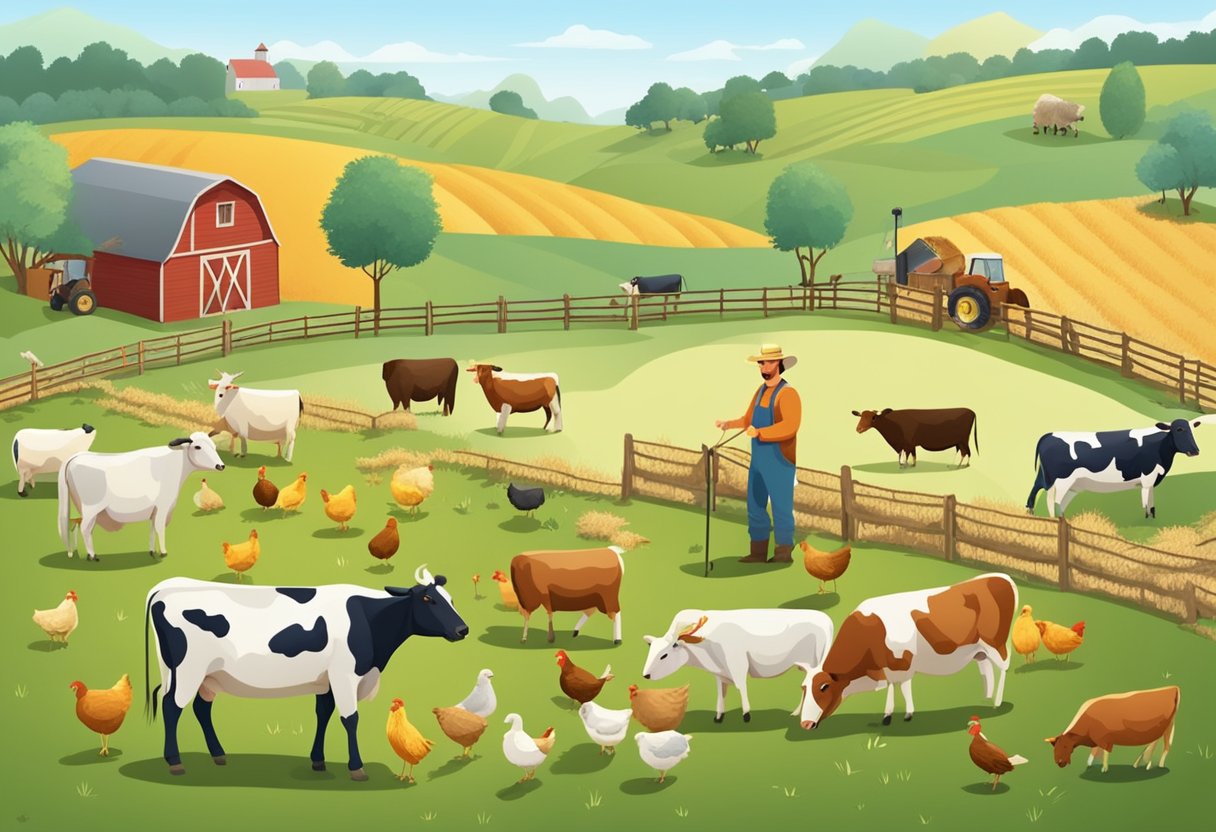
Maths on the farm is not just about profits and yields; it's a fundamental part of daily farm life, especially when it comes to managing livestock. Our days begin with...




Leave a Reply