5 Fun Facts About the Greek Gods: A KS2 Guide for Children and Teachers

Avatar of Shaimaa Olwan
Updated on: Educator Review By: Michelle Connolly

The Greek gods have fascinated people for thousands of years, and it’s easy to understand why. These ancient stories, told by the people of Ancient Greece from around 800 BCE, were not simply entertainment. They were the explanation for everything: why storms arrive without warning, why the seasons change, why we feel sudden, overwhelming fear.

Greek gods

Greek mythology was a complete belief system, and the gods at its centre were deliberately made to feel recognisable — complicated, emotional, and very much like the humans who worshipped them. For teachers covering KS2 History and for curious children, these myths are a living thread connecting the ancient world to today.

LearningMole, the UK educational platform founded by former primary school teacher Michelle Connolly, has produced curriculum-aligned resources on ancient civilisations specifically designed for KS2 learners. Understanding the Greek gods isn’t just about memorising names and powers.

The National Curriculum asks children at Key Stage 2 to develop historical enquiry skills and understand how ancient societies made sense of the world. Greek mythology sits squarely in that space, offering rich material for discussion about belief, storytelling, and the origins of ideas we still use today.

The five facts below go beyond the basic list of who ruled what. Each one connects to a larger idea: the human quality of the gods, the legacy of their names in modern English, and the way these stories shaped festivals and competitions that still exist. Some of these connections will genuinely surprise children and their teachers.

Fact 1: Athena Gave the Greeks the Olive Tree and Got a City Named After Her

Greek gods

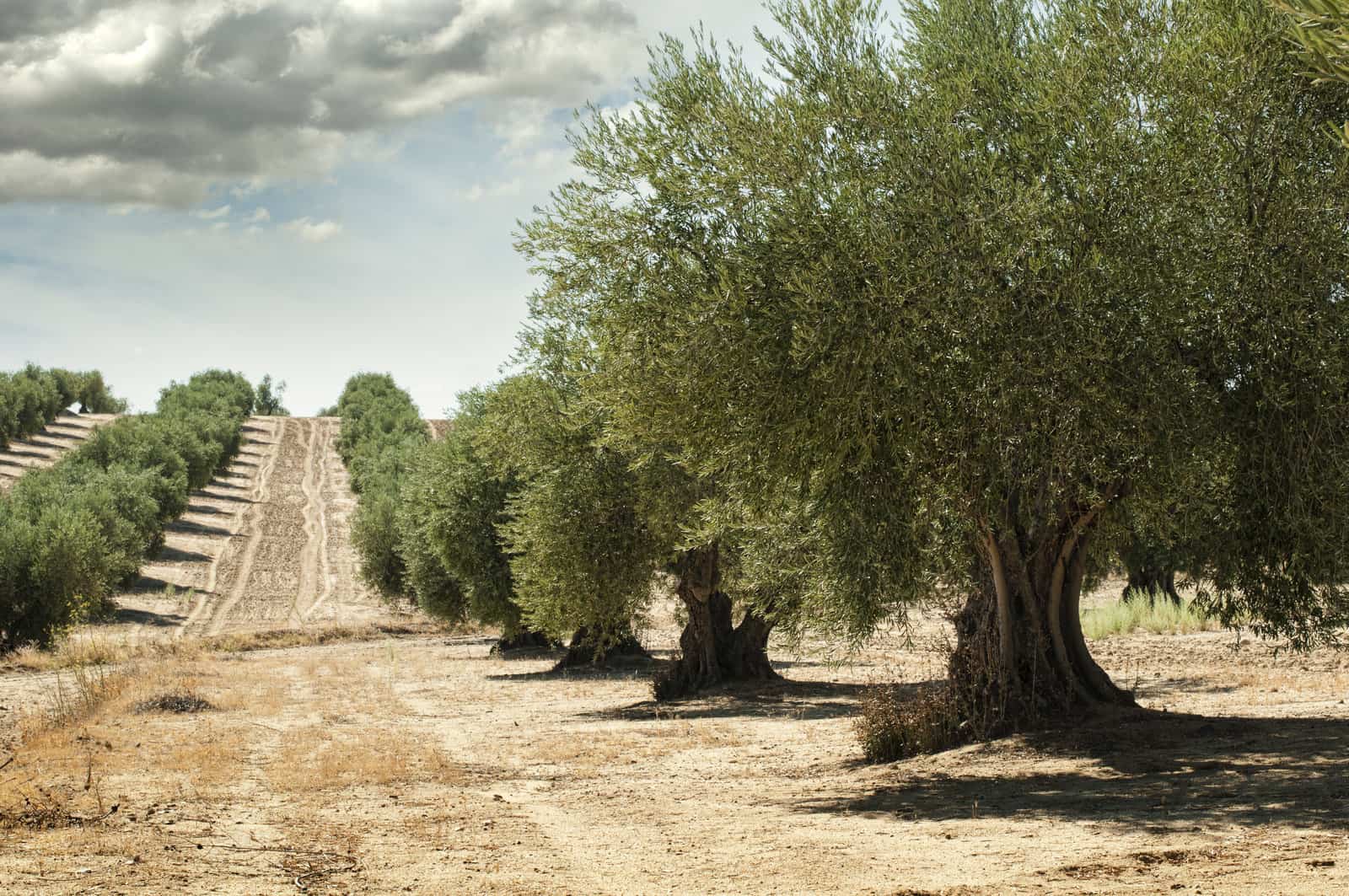
Athena, goddess of wisdom and crafts, is responsible for one of the most practical gifts in Greek mythology. The myth tells us that two gods competed to become the patron deity of a great city: Poseidon struck the earth with his trident and produced a saltwater spring, impressive but not especially useful. Athena struck the ground with her spear and caused the first olive tree to grow. The gods judged Athena’s gift the greater one.

The olive tree was not a small thing. It provided wood for building, fruit to eat, and oil for cooking and burning as fuel. The Greeks relied on it. In return, they named their greatest city after the goddess who gave it to them: Athens, the capital of Greece today, still carries her name more than 2,500 years later.

Athena’s symbol is the owl, and this is why owls became associated with wisdom in Western culture. If a child today says an owl is wise, they’re repeating a belief that started in ancient Athens. Her Roman equivalent is Minerva — a name still used for schools, institutions, and organisations that want to suggest learning and intelligence.

Fact 2: Apollo Once Turned Himself Into a Dolphin to Found a Sacred Site

Greek gods

Apollo was the god of music, light, and prophecy, one of the most important deities in the Greek pantheon. He was also responsible for establishing the most famous oracle in the ancient world, and the story of how he did it involves a rather unusual transformation.

According to myth, Apollo spotted a Cretan ship sailing across the sea and decided to have its crew serve at his sacred site. He turned himself into a dolphin, leapt onto the ship’s deck, and steered it to the harbour at Delphi. The crew, understandably astonished, were instructed to work as priests at the Oracle there. Delphi, which became the most important religious site in ancient Greece, takes its name from the Greek word for dolphin, delphis.

The Oracle at Delphi was a person, usually a woman called the Pythia, who would answer important questions about the future, supposedly by channelling Apollo. Leaders, generals, and ordinary citizens travelled from across the Mediterranean world to ask her questions before making major decisions. It’s one of the most striking examples of how deeply religion and daily life were intertwined in ancient Greece, and it makes for a vivid teaching moment when exploring how ancient people understood the world around them.

Fact 3: Zeus’s Moods Controlled the Weather and His Weapons Were Made by a Monster

Greek gods

Zeus was the king of the gods and the ruler of the sky. For the ancient Greeks, stormy weather had a simple explanation: Zeus was in a bad mood. Thunder was his voice; lightning was the weapon he hurled at people who had angered him. This anthropomorphism — making a natural force into a character with moods and motivations — is one of the most important features of Greek mythology for children to understand.

Here’s the detail that children consistently find most interesting: Zeus didn’t make his own thunderbolts. They were forged for him by the Cyclops, the one-eyed giants, who were skilled blacksmiths. The Cyclops were imprisoned deep beneath the earth until Zeus freed them, and in gratitude, they became his weapon-makers. The idea that the most powerful being in existence relied on monstrous craftsmen to do his manufacturing is the kind of unexpected detail that makes mythology memorable.

Zeus’s Roman equivalent is Jupiter, and his association with storms and authority is one reason the Romans adopted him so readily. The largest planet in our solar system is named Jupiter, the sky-god, given the biggest world. When children look at planets, they’re looking at a naming system rooted in ancient beliefs.

The Greek and Roman Gods: Identity Swap Table

Greek gods

When the Romans absorbed Greek culture, they adopted the gods wholesale — but renamed them. This table shows the Greek names, their Roman equivalents, and what each god or goddess ruled. It’s a useful classroom reference for any KS2 history unit on ancient civilisations.

Greek NameRoman NameDomainSymbol
ZeusJupiterSky, thunder, king of godsThunderbolt, eagle
HeraJunoMarriage, queen of godsPeacock, pomegranate
PoseidonNeptuneSea, earthquakesTrident, horse
AthenaMinervaWisdom, crafts, warfareOwl, olive branch
ApolloApolloMusic, light, prophecyLyre, laurel wreath
ArtemisDianaHunting, the moonBow and arrow, deer
AresMarsWarSpear, helmet
AphroditeVenusLove, beautyDove, rose
HermesMercuryMessengers, travelWinged sandals, caduceus
HephaestusVulcanFire, forgesHammer, anvil
DemeterCeresHarvest, agricultureWheat sheaf, torch
DionysusBacchusWine, festivalsMarriage, queen of the gods

Fact 4: The Word ‘Panic’ Comes Directly From a Greek God

Pan was the god of wild places, forests, and nature — a strange, half-goat figure who played the pipes and wandered through woodland. He was associated with harmony and wildness in equal measure: joy, music, and the unpredictable energy of the natural world. But Pan also had a more alarming ability.

His voice, when he chose to use it, could produce a sound so sudden and terrifying that it sent people running in blind, unreasoning fear. This was especially useful during battles, when Pan would let out a great shout to scatter the enemies of the gods. Even ordinary travellers who wandered too close to his domain might find themselves overwhelmed by irrational terror and flee without knowing why.

This is where the English language gets the word ‘panic.’ When someone panics, they’re experiencing the emotion that the ancient Greeks attributed to the god Pan. It’s a direct etymological line from a goat-footed deity in ancient mythology to a word used in schools, hospitals, and emergency services today. Pan’s Roman equivalent is Faunus, though the ‘panic’ connection is Greek and has survived entirely in that form.

Fact 5: The Olympic Games Started as a Festival in Honour of Zeus

The Greeks celebrated their gods with enormous festivals — multi-day events that combined religious ceremony, feasting, music, and athletic competition. These weren’t informal gatherings. They involved processions to temples, offerings to the gods, and performances that could last several days. For the ancient Greeks, sport and religion were not separate things.

The first Olympic Games, held at Olympia in southern Greece in 776 BCE, were created specifically to honour Zeus. Athletes who competed took an oath before a statue of Zeus, promising to follow the rules. Gifts and sacrifices were made to Zeus during the festival. The games were so sacred that wars between Greek city-states were paused during the Olympic period so that athletes could travel safely — a practice known as the Olympic Truce.

The Olympic torch carried at the opening ceremony of the modern Games is a tribute to Hera, wife of Zeus. Before each modern Olympics, women dressed in ancient costume light the torch at Olympia using a parabolic mirror to focus sunlight — a deliberate connection to the sacred flame that burned at the ancient site. Children who watch the Olympics are witnessing a ceremony that directly connects to these ancient Greek beliefs.

Greek Mythology in Modern Life: Brands, Words, and Ideas We Still Use

Greek gods

One of the most effective ways to help children connect with Greek mythology is to show them how many everyday words, brands, and ideas trace back to these ancient stories. The table below covers some of the most recognisable, including one that children will almost certainly be wearing on their feet.

Modern Brand / WordAncient FigureThe Connection
NikeNike (goddess of victory)The sportswear brand takes its name directly from the goddess who personified triumph in battle and sport.
AmazonThe Amazons (warrior women)The company named itself after the mythical race of fierce female warriors, evoking scale and strength.
Mercury (car brand)Hermes / MercuryThe Roman name for Hermes, messenger of the gods — chosen to suggest speed and reliability.
Panic (word)Pan (god of wild places)Pan’s sudden, terrifying shout was said to send people fleeing in blind fear — giving us the word ‘panic’.
Achilles’ heelAchilles (hero)Midas wished that everything he touched would turn to gold. Today, it means someone who succeeds at everything they do.
Midas touchKing MidasMidas wished that everything he touched would turn to gold. Today it means someone who succeeds at everything they do.
Titanic (ship)The TitansThe Roman name for Hermes, messenger of the gods, chosen to suggest speed and reliability.

Teaching Resources and Support

Greek gods

For KS2 Classrooms

Greek mythology sits within the KS2 History strand covering ancient civilisations, and it connects naturally to English (narrative writing, character study), Art (Greek pottery, sculpture), and Drama (retelling myths as performance). LearningMole’s curriculum-aligned resources for primary history include video content designed to make ancient civilisations accessible for children aged 7–11.

Practical classroom activities that work well alongside this content include myth-writing frames (where children create their own deity to explain a modern phenomenon), the ‘Design Your Own Deity’ prompt (choose a modern problem, invent a god for it, give them a human flaw), and the Greek/Roman identity swap table above as a differentiated reading activity.

For Home Learning

Parents supporting KS2 history work at home will find that Greek mythology offers excellent discussion material that doesn’t require specialist knowledge. Start with the modern words connection, most children find it genuinely surprising that ‘panic’ and ‘Nike’ trace back to ancient Greece. LearningMole’s educational videos on ancient civilisations are designed to work as standalone viewing at home as well as in classroom settings.

“Children are naturally curious about the ancient world, and Greek mythology is particularly powerful because the gods aren’t remote or perfect, they’re jealous, impulsive, and recognisably human. That’s what makes them such rich material for developing children’s understanding of how societies work.”, Michelle Connolly, Founder of LearningMole and former teacher with over 15 years of classroom experience

Frequently Asked Questions About the Greek Gods

greek gods

Who was the most powerful Greek god?

Zeus was the most powerful of the Greek gods and the ruler of Mount Olympus. As god of the sky, thunder, and lightning, he held authority over both gods and mortals. His brothers Poseidon (sea) and Hades (underworld) were equally powerful within their own domains, but Zeus was recognised as king. His Roman equivalent is Jupiter.

Why did the ancient Greeks have so many gods?

Before modern science, every natural phenomenon needed an explanation. Thunder, storms, the seasons, love, war, the harvest, each had a god responsible for it. Having many gods also meant that worshippers could direct prayers and offerings to the deity most relevant to their situation: a farmer would pray to Demeter, a sailor to Poseidon, a soldier to Ares. The system was practical as well as spiritual.

Did the Greek gods have flaws?

Yes — deliberately so. Unlike many later religious traditions, the Greeks gave their gods fully human personalities, including jealousy, pride, anger, and the tendency to hold grudges. Zeus was often unfaithful to Hera. Hera was frequently vindictive. Ares was impulsive. Aphrodite was vain. These flaws were not accidents; they were features that made the gods recognisable and their stories dramatic. Greek myths function partly as cautionary tales about what happens when power meets unchecked emotion.

What is the ‘Midas touch’ and where does it come from?

The Midas touch refers to the ability to succeed at everything you try, particularly in business or finance. It comes from the myth of King Midas, who wished that everything he touched would turn to gold. The wish was granted — but it meant his food turned to gold before he could eat it, and his daughter turned to gold when he embraced her. The myth is a lesson about greed and unintended consequences. Today, saying someone ‘has the Midas touch’ is usually a compliment, though the original story is a warning.

Is this content suitable for KS2 pupils?

Yes. The content in this article is written specifically for KS2 children (Years 3–6, ages 7–11) and their teachers. Greek mythology appears in the KS2 History curriculum under ancient civilisations. The language, examples, and activities have been selected to suit this age group, though teachers may wish to introduce some of the more complex myths — particularly those involving violence or adult themes — with appropriate framing for their class.

What is the connection between the Greek and Roman gods?

When Rome expanded and came into contact with Greek culture, the Romans largely adopted Greek mythology but renamed the gods to fit their own religious tradition. Zeus became Jupiter, Athena became Minerva, Poseidon became Neptune, and so on. The identities, powers, and stories remained largely the same. This is why we have Roman names for the planets (Jupiter, Mars, Venus, Saturn, Mercury) rather than Greek ones — the Romans were the ones who named them.

What English words come from Greek mythology?

Quite a few everyday English words and phrases trace directly to Greek myths. ‘Panic’ comes from Pan, god of wild places. ‘Echo’ comes from the nymph Echo. ‘Narcissism’ comes from Narcissus, the youth who fell in love with his own reflection. ‘Titanic’ echoes the Titans. ‘Achilles’ heel’ describes a critical weakness. ‘Herculean task’ means something requiring enormous effort. Even the word ‘music’ traces back to the Muses, the goddesses of the arts in Greek mythology.

How can I teach Greek mythology at home?

Start with a story that has a clear modern connection — the origin of ‘panic’ from Pan, or the Nike goddess behind the sportswear brand — to spark curiosity. From there, the myths themselves are engaging enough to read aloud together. Children enjoy the family drama and the imperfect gods. LearningMole’s educational resources on ancient civilisations include video content suitable for home viewing that explains key myths and historical context at a KS2 level.

Conclusion

greek gods

The Greek gods were created by people trying to make sense of a world they couldn’t yet explain with science. That’s not a reason to dismiss them; it’s exactly what makes them worth studying. They show how intelligent, creative people constructed meaning from the world around them, and how deeply those constructions can last. A word coined in ancient Athens is still used in modern English. A goddess of victory still sells trainers. A festival dedicated to Zeus still draws billions of television viewers every four years.

For KS2 teachers, Greek mythology offers one of the curriculum’s most useful interdisciplinary threads: it connects history, English, art, and PSHE in a single body of stories that children find genuinely engaging. The human flaws of the gods, their jealousy, their pride, their capacity for both generosity and cruelty, give children material to discuss moral questions in a safely distanced context. They’re not talking about themselves; they’re talking about Zeus. But the questions are the same ones that matter in every classroom.

LearningMole’s resources for KS2 history and ancient civilisations are designed by educators who understand the curriculum and know what actually works in primary classrooms. Whether you’re planning a full unit on ancient Greece or using these stories as a springboard for narrative writing, the resources below will save planning time and give children high-quality content to engage with.

Leave a Reply

Your email address will not be published. Required fields are marked *