Ramadan Facts for Kids: 5 Rich Facts about Ramadan

Avatar of Shaimaa Olwan
Updated on: Educator Review By: Michelle Connolly

Ramadan Facts for Kids: Ramadan is one of the most important times of the year for Muslims around the world. During this special month, over 1.8 billion people participate in fasting, prayer, and acts of kindness. But what exactly is Ramadan, and why is it so significant? Whether you’re learning about different religions at school, have friends who celebrate Ramadan, or are simply curious about this fascinating tradition, understanding these five rich facts will give you insight into one of the world’s most widely observed religious practices.

Ramadan Facts

Ramadan is much more than just not eating during the day. It’s a time when families come together, communities strengthen their bonds, and people focus on becoming better versions of themselves. From the exciting sight of moon-watching to the joyful celebrations that mark the end of the month, Ramadan offers a unique window into Islamic faith and culture.

The five facts we’re going to explore together reveal that Ramadan is far more complex and meaningful than simply “not eating during the day.” It’s a time when Muslims worldwide synchronise their lives according to the moon’s phases, challenge themselves through dawn-to-dusk fasting, honour the revelation of their holy book, practise extraordinary generosity and kindness, and celebrate together with one of the year’s most joyful festivals.

Let’s explore five fascinating facts that reveal the depth, beauty, and meaning behind this sacred month. Each of these elements contributes to making Ramadan a transformative experience that shapes Muslim identity and strengthens Islamic communities worldwide.

Fact 1: Ramadan Follows the Moon, So Its Date Changes Every Year

Ramadan Facts

Unlike holidays such as Christmas, which always fall on 25 December, Ramadan doesn’t happen on the same date each year. This is because Muslims follow a lunar calendar called the Islamic or Hijri calendar, which is based on the cycles of the moon rather than the sun. The Islamic calendar has 12 months, just like the calendar most of us use (called the Gregorian calendar), but each month is either 29 or 30 days long, depending on when the new moon appears.

Because the lunar calendar is about 11 days shorter than the solar calendar we typically use, Ramadan moves backwards through the seasons over time. This means that if Ramadan occurs in summer one year, it will gradually shift to spring, then winter, then autumn over the course of about 33 years. For children living in countries far from the equator, this creates quite different experiences depending on when Ramadan falls. When Ramadan falls in summer, the days are much longer, so Muslims fast for longer. When it falls in winter, the days are shorter, making the fasting period briefer.

The sighting of the new moon determines the start of Ramadan. In many Muslim communities, people gather at mosques or in open areas on the 29th day of the previous month (called Sha’ban) to look for the crescent moon in the sky. If the moon is spotted, Ramadan begins the next day. If clouds block the view or the moon isn’t visible, they wait one more day. This tradition of moon-sighting has been practised for over 1,400 years and connects modern Muslims to their ancestors who used the same method.

Today, whilst some communities still rely on physical moon-sighting, others use astronomical calculations to predict when Ramadan will begin. This can sometimes lead to different countries or communities starting Ramadan on different days, which is perfectly acceptable in Islam. The excitement of waiting to hear whether the moon has been sighted adds a special anticipation to the beginning of this holy month.

Fact 2: Muslims Fast from Dawn Until Sunset Every Day

Ramadan Facts

Fasting is the most well-known aspect of Ramadan, but it involves more than simply skipping meals. During Ramadan, Muslims who are old enough and healthy enough abstain from all food and drink—including water—from the moment of dawn (called Fajr) until sunset (called Maghrib). This might sound quite challenging, and it certainly requires discipline, but millions of Muslims around the world successfully complete this fast every day for an entire month.

The fast begins before sunrise with a pre-dawn meal called Suhoor (also spelt Suhur). Families wake up very early, often around 3:00 or 4:00 in the morning, to eat together before the day’s fast begins. This meal is important because it provides the energy needed to get through the day. Common Suhoor foods vary by culture but often include filling items like porridge, eggs, dates, bread, and plenty of water to stay hydrated. Many families treasure this quiet, peaceful time together before the busy day begins.

The fast is broken at sunset with a meal called Iftar. Traditionally, Muslims break their fast by eating dates and drinking water, following the example of the Prophet Muhammad, who did the same 1,400 years ago. After this initial breaking of the fast, Muslims pray the Maghrib prayer, and then families and communities gather for a larger meal. Iftar is often a joyful, social occasion where people invite friends, neighbours, and even strangers to share food. Many mosques provide free Iftar meals for anyone who needs them, emphasising the spirit of generosity that characterises Ramadan.

Not everyone is required to fast during Ramadan. Young children aren’t expected to fast, though many begin practising by fasting for part of the day as they get older. People who are ill, elderly, pregnant, breastfeeding, menstruating, or travelling are exempt from fasting. Those who miss fasts for temporary reasons can make them up later, whilst those who cannot fast for permanent health reasons can feed a person in need for each day they miss instead.

The purpose of fasting goes beyond physical discipline. It’s meant to help Muslims develop self-control, empathy for those who are hungry and less fortunate, and a deeper spiritual connection. By experiencing hunger and thirst themselves, people become more aware of the struggles others face every day and are inspired to help those in need.

Fact 3: The Qur’an Was First Revealed During Ramadan

Ramadan Facts

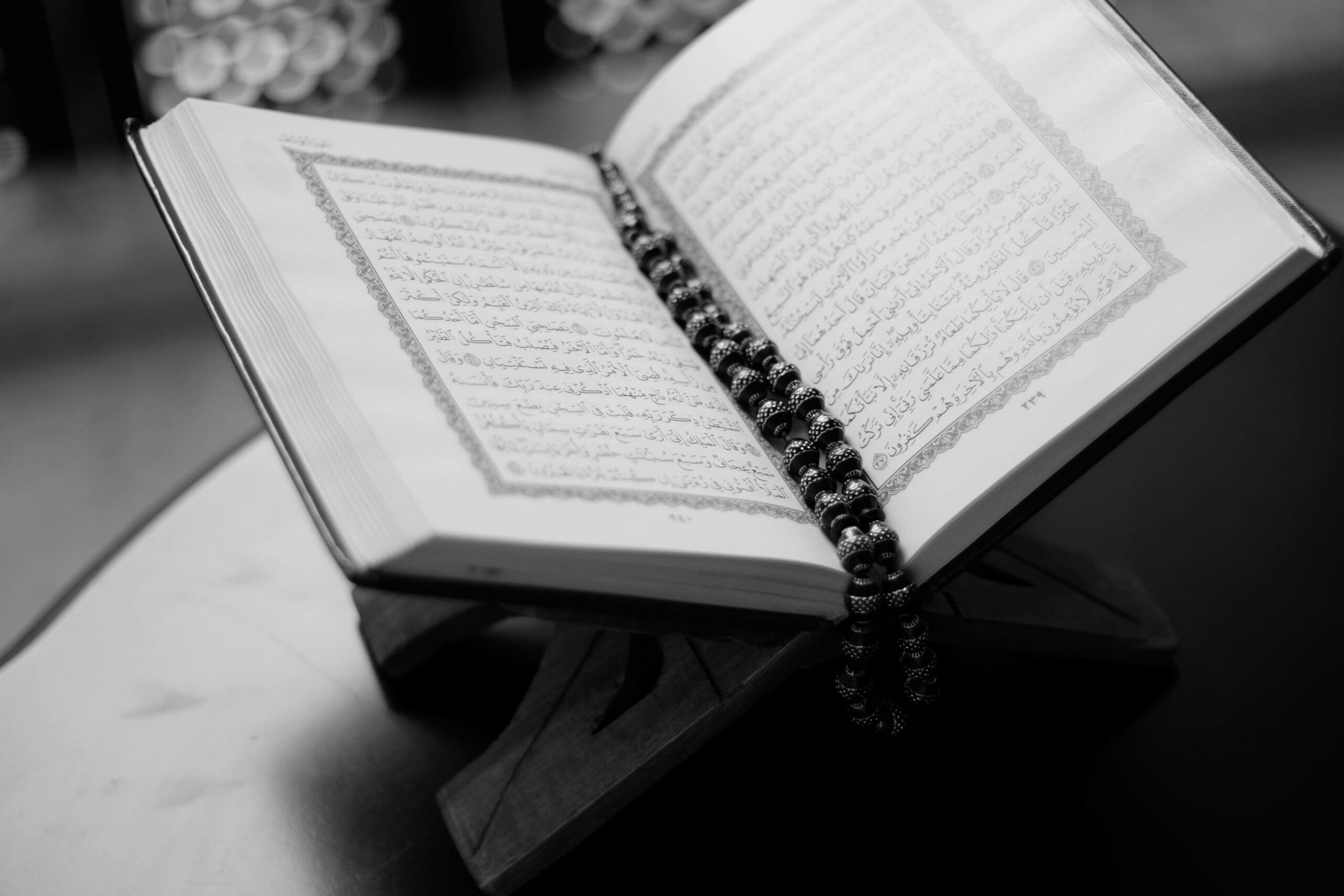
Ramadan holds special significance in Islam because Muslims believe it was during this month that the Qur’an—Islam’s holy book—was first revealed to the Prophet Muhammad. This momentous event occurred over 1,400 years ago on a night known as Laylat al-Qadr, which means “the Night of Power” or “the Night of Decree.” Muslims consider this single night more valuable than a thousand months, making it the holiest night of the Islamic year.

The story of this first revelation is central to Islamic faith. According to tradition, Muhammad was meditating in a cave called Hira, located on a mountain near Mecca in present-day Saudi Arabia. He often went there to think about life’s big questions and to pray. One night during Ramadan, the Angel Gabriel (called Jibril in Arabic) appeared to him and conveyed the first verses of what would become the Qur’an. These initial verses commanded: “Read in the name of your Lord who created man from a clinging substance. Read, and your Lord is the most Generous—who taught by the pen—taught man that which he knew not.”

Over the following 23 years, the Qur’an continued to be revealed to Muhammad piece by piece, providing guidance for how Muslims should live their lives. The Qur’an contains 114 chapters (called surahs) and covers topics ranging from how to treat others with kindness to stories of earlier prophets, from guidelines for worship to principles of justice and fairness.

Because of this connection between Ramadan and the Qur’an, Muslims make special efforts to read and study the holy book during this month. Many Muslims aim to read the entire Qur’an from beginning to end during Ramadan. Since the Qur’an is divided into 30 roughly equal sections called juz’, reading one juz’ each day allows a person to complete the entire book by the end of the month.

Laylat al-Qadr occurs during the last ten nights of Ramadan, though the exact night isn’t definitively known. Most Muslims believe it falls on one of the odd-numbered nights (the 21st, 23rd, 25th, 27th, or 29th). During these final nights, many Muslims stay awake at mosques, praying, reading the Qur’an, and asking God for forgiveness and blessings. This period of intense devotion and reflection represents the spiritual peak of Ramadan.

Fact 4: Ramadan Is About More Than Just Fasting—It’s About Being Kind and Generous

Ramadan Facts

Whilst fasting receives the most attention, Ramadan emphasises many other important values, particularly kindness, generosity, and self-improvement. Muslims see Ramadan as a time to become better people, strengthen their relationship with God, and contribute positively to their communities.

One of the most visible aspects of Ramadan’s charitable spirit is the increased giving to those in need. Muslims are encouraged to donate to charity throughout the year, but during Ramadan, this giving intensifies. Many Muslims pay Zakat, which is a required charitable donation calculated as a percentage of one’s wealth. Additionally, there’s a special Ramadan charity called Zakat al-Fitr (or Fitrana), which is given before the end of Ramadan to ensure that everyone, including the poor, can celebrate the upcoming holiday.

Beyond formal charity, Ramadan inspires countless acts of everyday kindness. People invite neighbours and strangers to share Iftar meals. Volunteers prepare and distribute food to those who are hungry or homeless. Families donate clothes, money, and supplies to charitable organisations. This culture of generosity reflects Islam’s teaching that helping others is a fundamental part of being a good Muslim.

Ramadan also emphasises personal development and good behaviour. Muslims are encouraged to be extra careful about their speech and actions during this holy month. This means avoiding gossip, arguments, lying, and any behaviour that might hurt others. The goal is to purify not just the body through fasting, but also the heart and mind through conscious moral effort.

Prayer receives special emphasis during Ramadan. In addition to the five daily prayers that Muslims perform throughout the year, many attend special nightly prayers called Taraweeh. These prayers, held at mosques after the final daily prayer, can last over an hour and often feature lengthy recitations from the Qur’an. Attending Taraweeh prayers creates a strong sense of community, as people stand shoulder to shoulder, united in worship.

For young Muslims, Ramadan offers an opportunity to strengthen family bonds. Families wake together for Suhoor, break their fasts together at Iftar, and often attend prayers together. These shared experiences create lasting memories and help children understand their religious identity. Many children also participate in Ramadan activities at mosques or Islamic schools, including Qur’an classes, charity projects, and special programmes designed to make learning about their faith engaging and fun.

Fact 5: Ramadan Ends with a Joyful Celebration Called Eid al-Fitr

Ramadan Facts

After 29 or 30 days of fasting and spiritual devotion, Ramadan concludes with one of the biggest celebrations in Islam: Eid al-Fitr. The name literally means “Festival of Breaking the Fast,” and it’s a time of joy, gratitude, and community celebration. For many Muslim children, Eid al-Fitr is as exciting as Christmas is for Christian children or Diwali is for Hindu children.

Eid al-Fitr begins with the sighting of the new moon, just as Ramadan did. Once the moon is spotted, everyone knows that Ramadan has ended and Eid has arrived. On the morning of Eid, Muslims wake up early, take a shower, and put on their finest clothes—often new outfits purchased or made especially for the occasion. Before leaving for prayers, it’s customary to eat something sweet, like dates, symbolising the end of fasting.

The day’s main event is a special Eid prayer held at mosques or large outdoor spaces. These gatherings are enormous, bringing together thousands of Muslims from the local community. The atmosphere is festive and joyful, with people greeting each other, hugging, and wishing one another “Eid Mubarak,” which means “Blessed Eid.” The Eid prayer is followed by a sermon that reminds people to be grateful for completing Ramadan and to continue the good habits they’ve developed.

After prayers, the celebrations continue at home and in the community. Families prepare elaborate feasts featuring special dishes that vary by culture. In Middle Eastern countries, you might find lamb, rice dishes, and sweets like baklava. In South Asian communities, biryani, samosas, and sweet treats like sheer khurma (a vermicelli pudding) are popular. In Southeast Asian countries, dishes like rendang and ketupat feature prominently. Regardless of the specific foods, the emphasis is on abundance, sharing, and enjoyment after a month of fasting.

One of the most exciting aspects of Eid for children is receiving gifts and money. Adults give children new clothes, toys, and Eid money (called Eidi). Children often compare how much money they’ve received from different relatives, making it a fun and memorable part of the celebration. Beyond material gifts, Eid is a time when families visit one another, forgive past disagreements, and strengthen their relationships.

Community spirit shines during Eid, just as it does throughout Ramadan. Muslims are encouraged to reconcile with anyone they’ve had conflicts with, ensuring that everyone can celebrate together in harmony. Many communities organise Eid fairs or festivals with games, food stalls, and entertainment for children. These events create a sense of belonging and allow Muslims to share their joy with the wider community.

Eid al-Fitr typically lasts three days, though the intensity of celebration varies by country and community. Throughout this period, the focus remains on gratitude—gratitude for the strength to complete Ramadan, for the blessings in one’s life, and for the opportunity to share joy with loved ones.

Understanding and Respecting Ramadan

Ramadan Facts 4

Learning about Ramadan helps us appreciate the diversity of religious practices around the world. If you have Muslim friends or classmates who observe Ramadan, understanding what they’re experiencing can help you be a better friend. You might notice them sitting out during lunch at school or seeming tired during the afternoon—this is because they’re fasting. Being respectful means not eating in front of them unnecessarily or pressuring them to break their fast.

You could also ask your Muslim friends about their Ramadan experiences. Most people enjoy sharing their traditions when others show genuine interest. You might learn about the special foods their families prepare for Iftar, the excitement of staying up late for Suhoor, or the beautiful decorations some families use to mark the holy month. Some families hang lights, lanterns, or crescents in their homes, creating a festive atmosphere similar to Christmas or Hanukkah decorations.

Ramadan teaches valuable lessons that resonate beyond Islam. The importance of self-discipline, empathy for those less fortunate, generosity, and spending quality time with family are universal values that people of all backgrounds can appreciate. By understanding Ramadan, we gain insight not just into Islamic faith but into the human capacity for spiritual growth, community connection, and compassionate living.

Whether you’re Muslim or not, knowing these five rich facts about Ramadan enriches your understanding of one of the world’s major religions and the lives of millions of people who observe this sacred month. As we live in increasingly diverse communities, this knowledge helps build bridges of understanding and respect between people of different faiths and backgrounds.

Conclusion

Ramadan Facts 4

Ramadan is a remarkable month that combines spiritual devotion, community celebration, and personal growth in ways that have inspired Muslims for over 1,400 years. From the ancient tradition of moon-sighting that determines when the month begins to the joyous festivities of Eid al-Fitr that mark its end, Ramadan offers a rich tapestry of customs and practices that strengthen both individual faith and community bonds.

The five facts we’ve explored reveal that Ramadan is far more complex and meaningful than simply “not eating during the day.” It’s a time when Muslims worldwide synchronise their lives according to the moon’s phases, challenge themselves through dawn-to-dusk fasting, honour the revelation of their holy book, practise extraordinary generosity and kindness, and celebrate together with one of the year’s most joyful festivals. Each of these elements contributes to making Ramadan a transformative experience that shapes Muslim identity and strengthens Islamic communities across the globe.

Understanding Ramadan helps us appreciate the diversity of human experience and the different ways people express their deepest values and beliefs. For young people growing up in multicultural societies, this knowledge isn’t just academically interesting—it’s practically valuable for building friendships, showing respect, and participating thoughtfully in our shared world. When we take the time to learn about traditions different from our own, we discover both the beautiful diversity that makes humanity fascinating and the common values—compassion, self-discipline, family, community, and gratitude—that unite us all.

Whether Ramadan is part of your own tradition or something you’re learning about for the first time, these rich facts offer a window into a practice that brings meaning, joy, and purpose to billions of people worldwide. As you encounter Muslim friends, neighbours, and classmates during Ramadan, you’ll now have a deeper appreciation for what this special month means to them and how you can be supportive and respectful of their observance.

Leave a Reply

Your email address will not be published. Required fields are marked *