How to Count to 20: The Complete Digital Learning Guide

Avatar of Shaimaa Olwan
Updated on: Educator Review By: Michelle Connolly

Teaching children to count to 20 represents a foundational milestone in early numeracy development. Whether you’re a parent seeking effective methods or an educator looking for proven strategies, mastering this essential skill opens doors to mathematical confidence that will serve children throughout their educational path. This comprehensive guide combines traditional teaching methods with modern digital approaches, offering both time-tested techniques and innovative online resources to make learning to count an engaging, successful experience.

Understanding how to teach counting to 20 effectively requires more than simply reciting numbers. It involves developing number sense, one-to-one correspondence, and mathematical thinking that forms the bedrock of future learning. Today’s educational environment offers unprecedented opportunities to blend hands-on activities with digital tools, creating rich learning experiences that cater to different learning styles and preferences.

Teaching Fundamentals: Building Strong Number Foundations

count

The journey of learning to count to 20 begins long before children can recite numbers in sequence. Effective teaching starts with understanding developmental readiness and creating supportive learning environments that encourage mathematical thinking. When children begin their counting adventure, they’re not simply memorising numbers – they’re developing critical cognitive skills that will support all future mathematical learning.

Research in early childhood education consistently demonstrates that children learn best through multi-sensory experiences that combine visual, auditory, and kinaesthetic elements. This approach proves particularly effective when teaching fundamental counting skills, as it allows children to engage with numbers through multiple pathways, strengthening neural connections and improving retention.

Understanding Developmental Readiness

Before introducing formal counting instruction, it’s essential to assess whether children demonstrate key developmental indicators. These readiness markers help educators and parents determine appropriate starting points and adjust instruction accordingly. Children typically show readiness for counting to 20 when they can maintain attention for short periods, demonstrate interest in numbers and patterns, and understand basic concepts like “more” and “less.”

Physical development also plays a crucial role in counting readiness. Children need sufficient fine motor control to manipulate counting materials and gross motor skills to engage in movement-based counting activities. Additionally, language development must be adequate to pronounce number names clearly and understand instructional vocabulary.

Social-emotional readiness cannot be overlooked when planning counting instruction. Children must feel confident taking risks, comfortable making mistakes, and motivated to persist through challenges. Creating supportive learning environments that celebrate effort alongside achievement helps build positive attitudes towards mathematics that support long-term success.

Core Mathematical Concepts

Teaching children how to count to 20 effectively requires understanding three fundamental mathematical principles that underpin all counting activities. These concepts work together to develop true number sense rather than mere rote memorisation.

Stable Order Principle: Numbers always follow the same sequence. Whether counting objects, singing counting songs, or engaging in digital counting games, the order remains consistent: 1, 2, 3, 4, 5, and so forth. Children must internalise this sequence before they can count reliably.

One-to-One Correspondence: Each object being counted receives exactly one number name. This principle prevents double-counting and ensures accuracy. Children often struggle with this concept initially, making it essential to provide plenty of practice with concrete materials.

Cardinality Principle: The final number spoken represents the total quantity in the set. This represents a significant conceptual leap, as children must understand that the last number has special meaning – it tells us “how many” altogether.

Creating Supportive Learning Environments

Successful counting instruction happens within carefully crafted learning environments that support exploration, discovery, and skill development. Physical spaces should include readily accessible counting materials, number displays, and comfortable areas for both individual and group activities.

Digital learning environments require equally thoughtful preparation. When chosen carefully and used purposefully, high-quality educational websites, interactive counting games, and multimedia resources can effectively supplement traditional instruction. The key lies in selecting digital tools that align with learning objectives and support, rather than replace, hands-on exploration.

Digital Learning Tools: Modern Approaches to Traditional Skills

The digital age has transformed how children learn to count, offering interactive experiences that were unimaginable just decades ago. Technology provides powerful tools for reinforcing counting skills and tracking student progress, from engaging educational videos to sophisticated learning management systems. However, successful integration of digital learning tools requires thoughtful selection and strategic implementation.

Modern educational technology offers several advantages for counting instruction. Interactive elements maintain student engagement longer than passive activities, immediate feedback helps children correct mistakes quickly, and multimedia presentations accommodate different learning preferences. Additionally, digital tools can provide differentiated instruction that adapts to individual learning paces and needs.

Interactive Counting Applications

Educational apps and web-based games transform counting practice into engaging adventures. High-quality counting applications combine entertainment with learning objectives, using compelling storylines, appealing characters, and progressive challenges to maintain student motivation. These tools often include features like progress tracking, adaptive difficulty levels, and reward systems that encourage continued practice.

When selecting counting applications, prioritise those that align with established educational principles. Look for programs that emphasise conceptual understanding alongside procedural fluency, provide multiple representation modes (visual, auditory, symbolic), and offer opportunities for creative expression. Avoid applications that focus solely on drill-and-practice without conceptual development.

Professional educators increasingly recognise the value of blended learning approaches that combine digital tools with traditional instruction. This integration allows teachers to assign personalised practice activities, monitor student progress remotely, and provide targeted intervention when needed. Parents benefit from access to the same tools, enabling consistent support between home and school environments.

Educational Video Resources

Carefully curated educational videos serve as powerful supplements to direct instruction, particularly for visual and auditory learners. High-quality counting videos combine catchy songs, appealing animations, and clear narration to make number sequences memorable and enjoyable. These resources prove especially valuable for introducing new concepts and providing additional practice opportunities.

When incorporating video resources into counting instruction, consider factors like production quality, educational accuracy, and alignment with learning objectives. Videos should present information clearly and correctly, use age-appropriate language and concepts, and encourage active participation rather than passive viewing. Length is also crucial – shorter videos typically maintain attention better than longer presentations.

Creating playlists of vetted educational videos allows educators and parents to provide consistent, high-quality supplementary instruction. This approach proves particularly valuable for differentiated learning, as different videos can address varying ability levels and learning preferences within the same classroom or family setting.

Content Management and Strategy

Successful implementation of digital learning tools requires strategic content management and clear educational objectives. Educational institutions and individual educators benefit from systematic approaches to selecting, organising, and delivering digital resources. This includes establishing clear criteria for resource evaluation, creating logical organisational systems, and developing implementation timelines.

Content strategy extends beyond simple resource collection to include ongoing evaluation and refinement. Regular assessment of digital tool effectiveness helps educators make informed decisions about continued use, necessary modifications, or alternative selections. This iterative approach ensures that technology serves learning objectives rather than becoming an end in itself.

Training and professional development play crucial roles in successful digital tool implementation. Educators need opportunities to explore new technologies, learn effective integration strategies, and share experiences with colleagues. Similarly, parents benefit from guidance on selecting appropriate digital resources and supporting their children’s technology-enhanced learning experiences.

Practical Activities: Hands-On Learning Experiences

While digital tools offer exciting possibilities, hands-on activities remain fundamental to effective counting instruction. Physical manipulation of objects helps children develop a deep understanding of mathematical concepts while engaging multiple senses simultaneously. The most effective counting programmes combine traditional manipulative activities with thoughtfully selected digital enhancements.

Practical counting activities should progress systematically from concrete experiences with real objects to more abstract representations. This progression supports conceptual development while building confidence and competence. Children need extensive experience with physical materials before they can work successfully with pictures, symbols, or digital representations.

Using Fingers and Toes for Counting

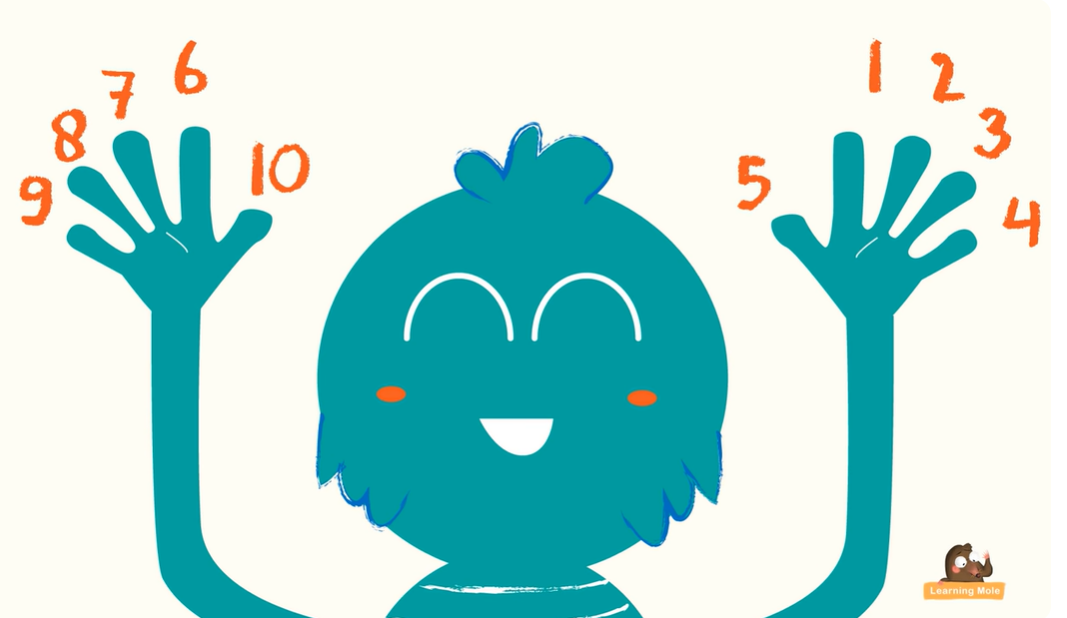
Traditional finger and toe counting remains one of the most accessible and effective methods for teaching basic numeracy skills. Children instinctively use their bodies to represent mathematical concepts, making this approach both natural and powerful. Finger counting provides a consistent, always-available tool that supports mathematical thinking across various contexts.

When teaching finger counting techniques, emphasise systematic approaches that reinforce proper number sequence and one-to-one correspondence. Children should learn to count fingers in consistent patterns, typically starting with the thumb and proceeding systematically across each hand. This approach builds automaticity while reinforcing mathematical principles.

Extended finger and toe counting activities can address numbers up to 20, providing children with concrete experiences that support abstract number understanding. These activities work particularly well for children who struggle with traditional counting methods or need additional sensory input to process mathematical information effectively.

Manipulative Materials and Games

Physical manipulative materials provide essential concrete experiences that support mathematical concept development. Effective counting manipulatives include common classroom materials like counting bears, blocks, buttons, or natural materials like shells and stones. The key lies in providing sufficient quantities and variety to maintain engagement while supporting learning objectives.

Structured games using manipulative materials add motivational elements to counting practice while reinforcing essential skills. Simple board games, card activities, and group challenges can transform routine practice into engaging social experiences. These activities also provide opportunities for peer learning and collaborative problem-solving.

DIY counting materials offer cost-effective alternatives to commercial products while providing opportunities for creative engagement. Families and educators can create effective counting tools using household items, craft materials, or recyclables. This approach often increases student investment while developing creativity and resourcefulness.

Real-World Applications

Connecting counting skills to real-world experiences helps children understand the practical value of mathematical learning while providing authentic practice opportunities. Daily routines offer numerous chances to practice counting naturally and meaningfully. From counting steps while walking to sorting and counting household items, everyday activities become learning opportunities.

Cooking activities provide particularly rich contexts for counting practice. Measuring ingredients, counting utensils, and timing cooking processes all involve numerical thinking while producing tangible, enjoyable results. These experiences help children see mathematics as useful and relevant to their lives.

Community connections extend learning beyond home and school environments. Visiting local businesses, exploring natural environments, and participating in community events provide numerous opportunities to apply counting skills in meaningful contexts. These experiences help children transfer classroom learning to broader life situations.

Common Challenges: Troubleshooting Learning Difficulties

Even with excellent instruction and abundant practice opportunities, some children experience difficulties learning to count to 20. Understanding common challenges and effective intervention strategies helps educators and parents provide appropriate support when needed. Early identification and targeted intervention often prevent minor difficulties from becoming major obstacles to mathematical learning.

Learning difficulties in counting can stem from various sources, including developmental delays, attention challenges, or simply individual differences in learning pace and style. Successful intervention requires careful assessment to identify specific areas of difficulty, followed by targeted instruction that addresses identified needs while building on existing strengths.

Addressing Number Sequence Confusion

Some children struggle to learn the correct sequence of number names, often skipping numbers, repeating numbers, or mixing up the order. This challenge typically indicates a need for additional practice with number sequences through songs, chants, and repetitive activities. Visual supports like number lines and charts can provide helpful references during practice sessions.

Systematic teaching approaches help children master number sequences more effectively. Breaking the sequence into smaller chunks (1-5, 6-10, 11-15, 16-20) allows for gradual skill building while preventing overwhelming feelings. Multisensory approaches that combine auditory, visual, and kinaesthetic elements often prove particularly effective for children with sequence difficulties.

Regular assessment and progress monitoring help educators adjust instruction based on individual needs. Simple informal assessments can identify specific areas where children need additional support, allowing for targeted intervention before difficulties become entrenched patterns.

Supporting One-to-One Correspondence Development

Many children initially struggle with one-to-one correspondence, either counting objects multiple times or skipping objects entirely. This challenge often indicates a need for more structured practice with careful attention to the counting process. Techniques like touching each object while counting or moving objects to separate piles can help establish accurate counting habits.

Physical barriers and organisational strategies support one-to-one correspondence development. Using small containers, egg cartons, or other dividers helps children keep track of counted objects while providing visual organisation that supports accurate counting. These tools prove particularly helpful for children with attention difficulties or visual processing challenges.

Gradual progression from highly structured to more flexible counting situations helps children develop robust one-to-one correspondence skills. Beginning with linear arrangements of identical objects and progressing to scattered arrangements of varied objects builds flexibility while maintaining accuracy.

When to Seek Additional Support

While most children learn to count to 20 with appropriate instruction and practice, some may need additional professional support. Warning signs include persistent difficulties despite quality instruction, significant delays compared to same-age peers, or emotional distress related to mathematical activities. Early consultation with educational specialists can help identify underlying issues and develop appropriate intervention plans.

Collaboration between parents, educators, and specialists ensures comprehensive support for children with learning difficulties. Regular communication and consistent approaches across environments help maximise intervention effectiveness while preventing confusion or frustration for children.

Professional development opportunities help educators develop skills for supporting children with diverse learning needs. Training in assessment techniques, intervention strategies, and collaboration methods improves outcomes for all students while building educator confidence and competence.

Professional Development: Building Educational Expertise

count 1

Excellence in counting instruction requires ongoing professional development that keeps educators current with best practices, emerging technologies, and research-based strategies. Whether working in traditional classroom settings or providing digital education services, professionals benefit from continuous learning that expands their knowledge and skills.

Modern educational environments demand expertise that extends beyond traditional teaching methods to include technology integration, digital content creation, and online learning facilitation. This expanded skill set enables educators to serve diverse student populations while adapting to changing educational landscapes.

Educational Technology Integration

Successful technology integration requires more than simply adding digital tools to existing instruction. Effective integration involves thoughtful selection of technologies that support learning objectives, systematic training in their use, and ongoing evaluation of their effectiveness. This process requires both technical skills and pedagogical knowledge.

Professional development in educational technology should address both practical skills and theoretical foundations. Educators need hands-on experience with various digital tools alongside an understanding of how technology can support different learning objectives and student needs. This dual approach ensures effective implementation rather than superficial adoption.

Digital content creation skills become increasingly valuable as educators develop custom materials for their specific contexts and student populations. Understanding principles of instructional design, multimedia development, and user experience design helps educators create effective digital learning resources that complement traditional instruction methods.

Video Production and Educational Media

High-quality educational videos can significantly enhance counting instruction, but creating effective educational media requires specific skills and knowledge. Understanding principles of educational video production, including scriptwriting, visual design, and audio quality, helps educators create professional resources that engage students while supporting learning objectives.

Educational video production involves both technical and pedagogical considerations. Technical aspects include equipment selection, recording techniques, and post-production editing, while pedagogical aspects focus on learning objectives, content organisation, and student engagement strategies. Successful educational videos balance these elements effectively.

YouTube strategy and social media marketing skills help educators extend their reach while building professional platforms that showcase their expertise. Understanding video optimisation, audience engagement, and platform-specific requirements helps educators build successful online presences that support their professional goals while serving student needs.

AI and Digital Transformation in Education

Artificial intelligence increasingly influences educational practice, offering opportunities for personalised learning, automated assessment, and intelligent tutoring systems. Understanding AI applications in education helps professionals make informed decisions about technology adoption while preparing for future developments in the field.

AI training and digital transformation require understanding both technological capabilities and educational implications. Professionals need knowledge of how AI can support different learning objectives, potential limitations and risks, and ethical considerations related to AI use in educational settings. This comprehensive understanding enables responsible adoption and effective implementation.

Professional development in AI and digital transformation should include hands-on experience with current tools alongside exploration of emerging technologies and their potential applications. This forward-looking approach helps educators prepare for continuing educational technology changes while building relevant skills across technological developments.

“The future of mathematics education lies in our ability to blend traditional pedagogical wisdom with innovative digital tools. Children learn to count through the same fundamental processes they always have – active exploration, meaningful practice, and supportive relationships – but today’s educators can amplify these experiences through thoughtfully integrated technology.” – Ciaran Connolly, Director

Conclusion

Teaching children to count to 20 successfully requires a comprehensive approach that honours traditional educational methods while embracing modern digital possibilities. The foundation remains constant: children need concrete experiences, systematic instruction, and supportive relationships to develop strong numeracy skills. However, today’s educational environment offers unprecedented opportunities to enhance these experiences through carefully selected digital tools and resources.

The strategies outlined in this guide provide a framework for effective counting instruction that adapts to diverse learning needs and contexts. Whether you’re a parent seeking to support your child’s mathematical development or an educator looking to enhance your professional practice, the key lies in combining proven teaching methods with innovative approaches that engage and motivate learners.

Success in teaching counting to 20 ultimately depends on understanding each child’s unique needs, providing appropriate challenges and supports, and maintaining positive attitudes towards mathematical learning. By creating rich learning environments that celebrate both effort and achievement, we can help all children develop the numerical confidence and competence they need for future success.

The future of mathematics education continues to evolve as new technologies emerge and our understanding of learning deepens. However, the fundamental goal remains unchanged: helping children develop strong mathematical foundations that will serve them throughout their educational careers and beyond. Through thoughtful instruction, appropriate resources, and ongoing professional development, educators can continue to improve outcomes for all learners while adapting to changing educational landscapes.

Remember that learning to count is a developmental process that unfolds differently for each child. Patience, persistence, and positive encouragement remain the most powerful tools in any educator’s toolkit, regardless of the specific methods or technologies employed. By focusing on children’s needs and celebrating their progress, we can ensure that every child develops the mathematical confidence and competence they deserve.

Leave a Reply

Your email address will not be published. Required fields are marked *