Learning English
Embark on a linguistic adventure with Learning Mole’s “High Five Facts About Learning English”! This video is a journey into the world of language acquisition, where the intricacies of learning English are explored. From mastering pronunciation to expanding vocabulary, we’re about to uncover the fascinating and essential facts that make learning English a dynamic and rewarding experience. So, raise your hand for a high-five and join us as we explore the high-fiving facts about learning English. It’s a celebration of language diversity, communication skills, and the journey to proficiency in one of the most widely spoken languages! 📚🗣️🌍✋
Transcription for Learning English
Please note this transcript is generated automatically and may contain errors.
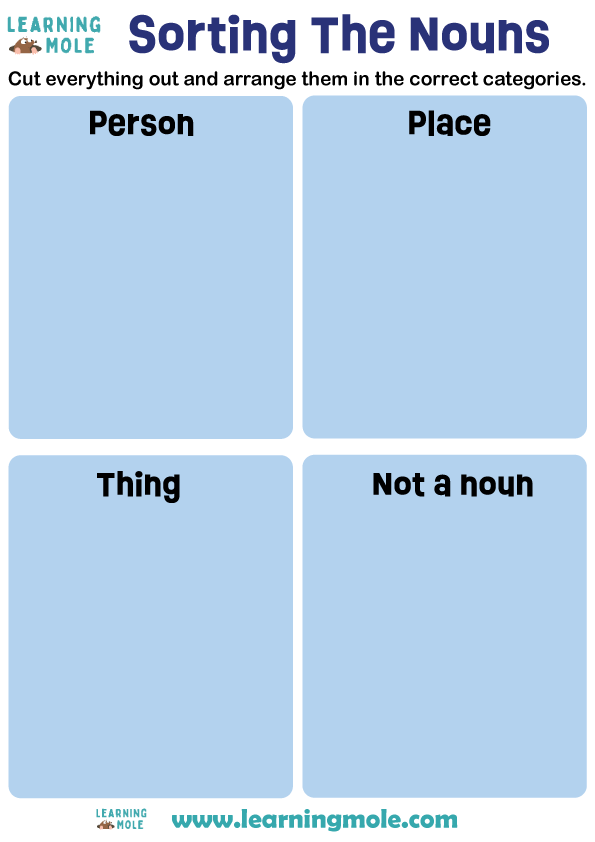
Today we are going to learn five excellent facts about learning English. number one the word noun comes from the Latin word. No men which translates to name. Now typically follow an article, which is a word such as the ah or Anne there are many different types of nouns two main nouns. You should know about are common nouns and proper nouns. A common noun is a noun used for naming animals people places and objects. For example tiger dog teacher school and chair a problem noun is a noun that will always begin with a capital letter.
This is because a proper noun is a person or a place name such as Ben Jane London and China a proper noun is also for days of the weeks and months such as Thursday or April. Here’s an example of nouns sentence the cat walked past. A magician does tricks Harry went to London on Tuesday. Number two the most common adjective in the English language is good adjectives are words used to describe things using adjectives helps. You describe what you are writing about adjectives make sentences more exciting and help a reader easily picture was as being described adjectives appear before and now for example, what long or big A quantitative adjective is a word that describes the quantity of a noun a quantitative adjective can be a number or unit of measure for example for half many or any.
Predicative adjectives change the rules of adjectives that they come after a noun for example, the cat was black. Car is blue comparative adjectives are words that compare two nouns for example taller faster or bigger? Here’s some examples of adjectives in a sentence the big dog ran past quickly. The train was faster than the car. number three most sentences must have a verb in it. Verb isn’t action word. There are three different types of verbs. These are action linking and auxiliary. If a word expresses something you can do then it is an action verb.
Tells us what a person or thing does or is doing. A linking verb links the subject of a sentence with information about it. For example B become and auxiliary verbs are called helping verbs because they help out the main verb in a sentence. For example, she is walking to the shop. I should go to bed. Here’s some examples of verbs in a sentence. The dog ran home the girl danced at the party. Fact number four you can make adverbs from some adjectives by adding the suffix l y examples of this are quickly rightly and loudly and interrogative adverb asks a question some interrogative adverbs or how when where and why I can jump to adverb joins two ideas.
Some common conjunctive adverbs are besides however and therefore Both of adverbs and sentences are the boy was walking slowly the teacher spoke loudly. However, the students could not hear him. In fact number five prepositions can be put in front of something or after something a preposition. Thanks a noun pronoun or phrase to another pot of a sentence. They are used to describe something or someone’s position examples of prepositions are the dog walked across the street the child that the side her mum the cat jump off the couch. I hope you enjoyed my five excellent facts about learning English. See you next time.