How Computers Work
Get ready for an enlightening adventure with “How Computers Work”! This video is a captivating journey into the intricate world of technology and innovation. From binary code to processors, we’re about to unravel the fascinating mechanisms that power our digital age. So, plug in and join us as we explore the mesmerizing facts and functionalities that make computers the remarkable devices we rely on. It’s a celebration of ingenuity and discovery that will leave you amazed
Transcription for How Computers Work
Please note this transcript is generated automatically and may contain errors.
Hey friends, Cody here again. Today we are diving into the brain of your computer to learn how it thinks. You might be wondering, how does my computer know what I want it to do? Well, it all starts with something super tiny and simple, zeros and ones. Let’s find out how computers use these little numbers to do big things. So what are zeros and ones? These are called binary code, and it’s the language that computers speak. Imagine you are giving your friend secret instructions using just two words on and off.
Binary works the same way, using zero for off and one for on everything your computer does. Playing games, typing, watching videos happens because of these zeros and ones. Let’s dive a bit deeper. Inside your computer are millions of tiny switches called transistors. These switches control the flow of electricity, kind of like turning a light switch on and off. When the switch is on, it sends a one and when it’s off, it sends a zero. By flipping these switches in superfast patterns, your computer can store and process information.
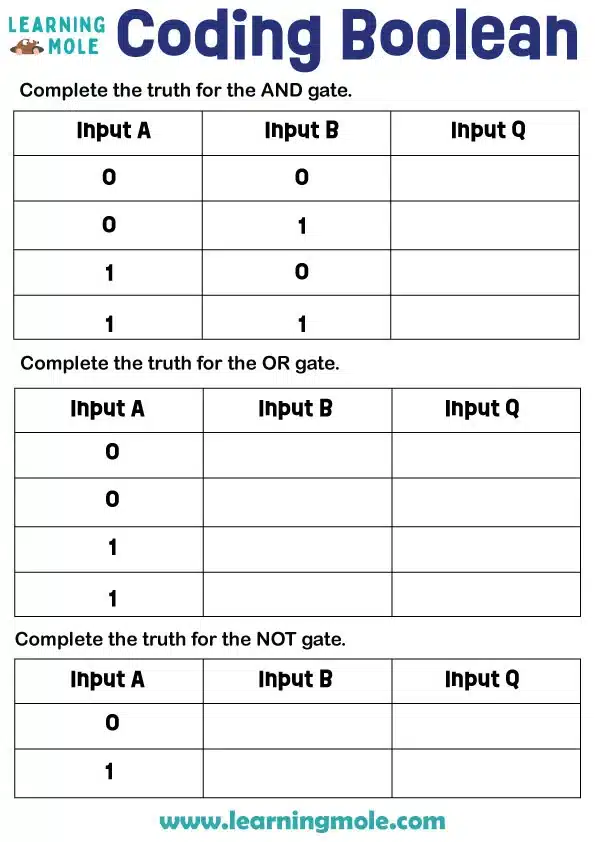
Now let’s talk about logic gates. Think of logic gates like tiny decision makers inside your computer, they take those zeros and ones and make choices. Kind of like when you decide what snack to eat based on what’s in the kitchen. There are different kinds of gates and or and not just to name a few, and they all help the computer figure out what to do next. Here’s a quick example. Imagine an and gate. It only turns on if both of its inputs are on. So if both switches are flipped to one the and gate says, okay, go ahead.
If one of them is zero, it says, Nope, try again. These simple decisions happen millions of times per second inside your computer. But wait, how does all this help your computer do cool stuff like play games? That’s where algorithms come in. An algorithm is like a set of step-by-step instructions that tell the computer how to solve a problem. Imagine a recipe for baking cookies. It tells you what to do in the right order to get the perfect snack. Computers use algorithms to process data run programs, and make things happen on your screen.
Let’s look at a quick example. When you play a video game, an algorithm decides what happens next based on your moves jump on a platform. The game checks. Your position uses logic gates to decide if you land or fall and flips the right switches to show you landing safely. It’s like magic, but all powered by those little zeros and ones. So next time you are using your computer, remember it’s all about those tiny zeros and ones flipping switches and following smart instructions. Your computer might not think like you, but it’s pretty amazing how it all works together to bring your ideas to life.
That’s it for today’s adventure Inside the mind of a computer. Keep exploring, stay curious, and I’ll see you next time with more awesome tech adventures. Keep coding and keep learning friends.