Wound Healing: A scraped knee or a paper cut – these seemingly minor mishaps set off a complex symphony within your body, a concerto of cells working in perfect harmony to repair the damage. Well, get ready for a super-secret mission inside your body! Today, we’re exploring the incredible world of wound healing, a story of teamwork, tiny heroes, and the amazing resilience of your skin!
Wound healing is the body’s natural process of repairing damaged skin or tissues. It’s a fascinating and complex journey that involves various stages and mechanisms to restore the skin’s integrity. In this article, we explore the basics of wound healing, including the different stages involved and how our body’s remarkable systems work together to mend injuries. Whether you’ve experienced a minor cut or are simply curious about how the body heals, this beginner’s guide will provide valuable insights into the remarkable process of wound healing.
So, grab your magnifying glass and get ready to shrink down to the size of a blood cell. We’re about to zoom through your veins, meet the gooey glue crew, and watch your skin stitch itself back together, thread by thread! It’s going to be an adventure you won’t forget!
This article will delve into the intricate mechanisms that govern this fascinating process, exploring the various stages of healing, the factors that influence its success, and the remarkable advancements in modern medicine that revolutionise our understanding and management of wounds.
What is Wound Healing?
The human body possesses an extraordinary ability to heal itself, a testament to its intricate design and resilience. When the skin is breached, a complex cascade of events unfolds, orchestrated by a symphony of cells and molecules. From the initial formation of a scab to the gradual fading of a scar, the process of wound healing is a remarkable journey of cellular regeneration and tissue repair.
By understanding the intricacies of wound healing, we can gain a deeper appreciation for the remarkable capabilities of the human body and explore strategies to optimise the healing process and minimize scarring. This knowledge can empower individuals to take better care of their wounds while also guiding researchers in developing innovative therapies for a wide range of conditions that impair the body’s natural healing abilities.
Beyond a mere biological necessity, wound healing is a window into the body’s remarkable ability to adapt and regenerate. By understanding the intricate dance of cells and molecules involved, we can gain a deeper appreciation for the human body’s profound capabilities and explore strategies to optimize the healing process, minimize scarring, and promote faster recovery.
This knowledge not only empowers individuals to take better care of their wounds but also guides researchers in developing innovative therapies for a wide range of conditions that impair the body’s natural healing abilities, from chronic ulcers to severe burns.
Moreover, the pursuit of scarless healing, once a distant dream, is now within reach, driven by advancements in regenerative medicine and a deeper understanding of the body’s repair mechanisms. This exploration will illuminate the science behind wound healing, revealing the secrets that transform a simple cut into a testament to the body’s extraordinary resilience.
The Immediate Response: Hemostasis and Inflammation
The Body’s First Line of Defense: The Initial Vascular Response to Injury: When the skin’s integrity is breached, the body’s immediate response is a rapid and coordinated effort to staunch the flow of blood and initiate the healing process. This initial phase, known as hemostasis, begins with a swift vascular response. The damaged blood vessels constrict a process called vasoconstriction, reducing blood flow to the injured area. This constriction is triggered by chemical signals released by the damaged tissue and platelets. This vasoconstriction is a crucial first step, minimising blood loss and setting the stage for clot formation.
Clot Formation: The Role of Platelets and Fibrin: Following vasoconstriction, the body initiates the complex process of clot formation. Platelets, small cell fragments circulating in the bloodstream, are activated by contact with the exposed collagen and other damaged tissue components. These activated platelets undergo a dramatic transformation, changing shape and becoming sticky. They aggregate at the site of injury, forming a temporary plug.
Simultaneously, a cascade of enzymatic reactions, known as the coagulation cascade, is triggered. This cascade ultimately leads to the formation of fibrin, a tough, fibrous protein. Fibrin forms a mesh-like network that reinforces the platelet plug, creating a stable blood clot, or scab, which acts as a barrier to prevent further blood loss and protect the underlying tissue.
The Inflammatory Phase: The Influx of Immune Cells and the Purpose of Inflammation: Once hemostasis is achieved, the body transitions into the inflammatory phase. This phase is characterised by the influx of immune cells, such as neutrophils and macrophages, to the wound site. These cells are essential for clearing debris, killing bacteria, and preventing infection. Inflammation, while often perceived as negative, is a critical component of wound healing.
It is characterised by redness, swelling, heat, and pain, all signs of the body’s immune system at work. Neutrophils, the first responders, arrive within hours, engulfing bacteria and cellular debris. Macrophages, arriving later, take on a more versatile role, clearing larger debris, releasing growth factors, and orchestrating the transition to the next healing phase.
Chemical Messengers: Key Cytokines and Growth Factors: A complex network of chemical messengers, including cytokines and growth factors, tightly regulates the inflammatory phase. These molecules act as signalling molecules, coordinating the activities of various cells involved in wound healing.
Cytokines, such as interleukin-1 (IL-1) and tumour necrosis factor-alpha (TNF-α), play a crucial role in recruiting immune cells and initiating the inflammatory response. Growth factors, such as platelet-derived growth factor (PDGF) and transforming growth factor-beta (TGF-β), stimulate cell proliferation and migration, paving the way for the next phase of healing.
Building the Foundation: Proliferation and Granulation Tissue
Re-epithelialisation: The Migration of Epithelial Cells to Close the Wound: Following the inflammatory phase, the body begins rebuilding the damaged tissue. Re-epithelialisation is a critical step in this process, involving the migration of epithelial cells from the wound edges to cover the defect. These cells, which form the outermost layer of the skin, proliferate and migrate across the wound bed, effectively closing the gap. This process is driven by growth factors and cell adhesion molecules, which guide the epithelial cells and promote their attachment to the underlying tissue.
Angiogenesis: The Formation of New Blood Vessels to Nourish the Healing Tissue: Angiogenesis, the formation of new blood vessels, is essential for providing oxygen and nutrients to the healing tissue. Growth factors, such as vascular endothelial growth factor (VEGF), stimulate this process, which promotes the sprouting of new blood vessels from existing ones. These new blood vessels form a network that nourishes the proliferating cells and supports the formation of granulation tissue.
Fibroblast Activity: The Role of Fibroblasts in Producing Collagen and Forming Granulation Tissue: Fibroblasts, a type of connective tissue cell, play a crucial role in building the foundation of the new tissue. They migrate to the wound site and begin producing collagen, a fibrous protein that provides structural support and strength. Granulation tissue, a reddish, granular tissue that fills the wound bed, is primarily composed of fibroblasts, collagen, and new blood vessels. This tissue provides a scaffold for the migrating epithelial cells and serves as a foundation for the new skin.
The Importance of Growth Factors: Elaborating on the Roles of Specific Growth Factors like VEGF and TGF-β: Growth factors play a critical role in orchestrating the complex process of wound healing. VEGF, as mentioned earlier, is essential for angiogenesis, ensuring that the healing tissue receives an adequate supply of oxygen and nutrients. TGF-β, on the other hand, stimulates fibroblast proliferation and collagen synthesis, promoting granulation tissue formation and ultimately contributing to scar formation.
These growth factors act in concert, coordinating the activities of various cells and ensuring that the wound heals promptly and efficiently. Other growth factors, like epidermal growth factor (EGF), stimulate re-epithelialisation. The precise balance of these growth factors is essential for optimal wound healing.
Steps of Wound Healing
When you get a cut or scrape, your body goes through an amazing process to heal it. This process of wound healing happens in four main stages as follows:
1. Stop the Bleeding (Haemostasis)
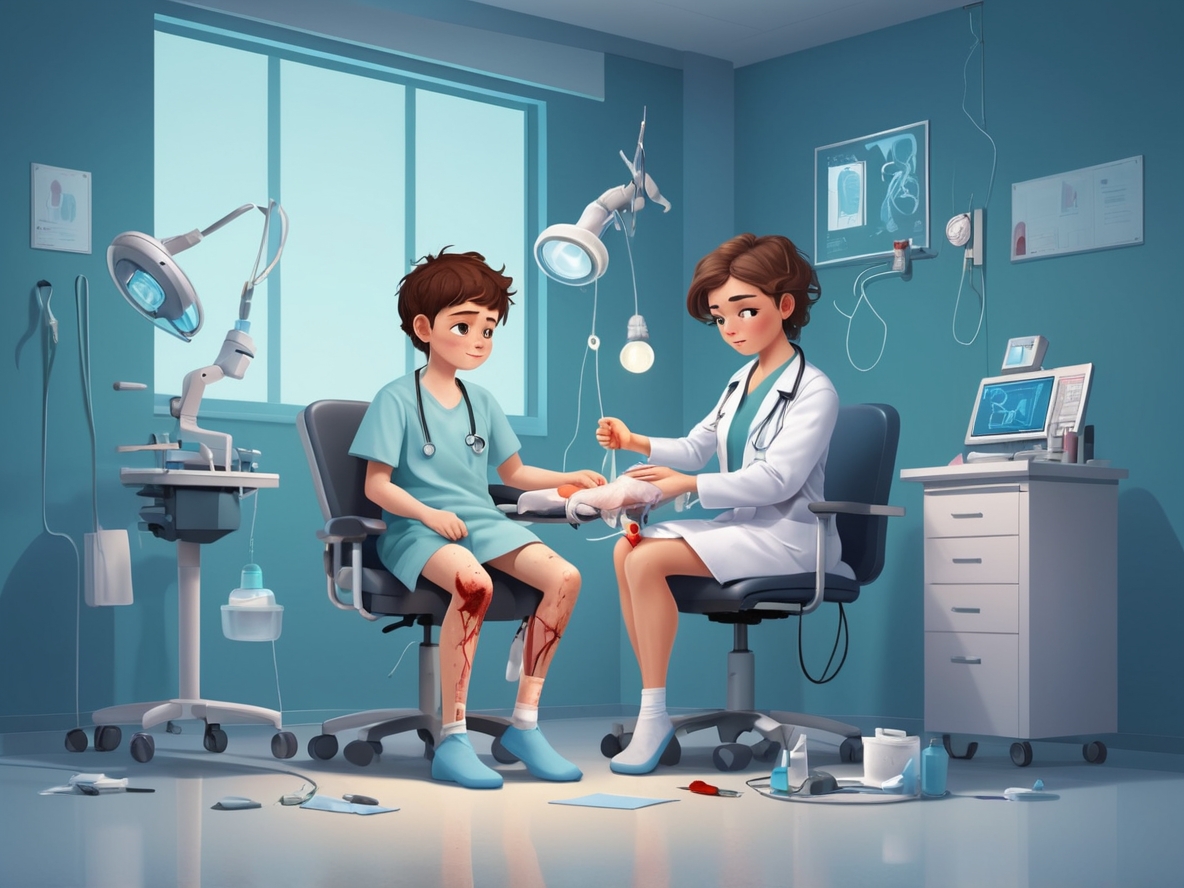
Imagine when you get a tiny paper cut. The first thing that happens is your blood vessels tighten up to slow down the blood flow. Then, tiny little things in your blood called platelets start to clump together to form a scab, which plugs up the hole and stops the bleeding. This stage usually takes just a few minutes.
When the skin is injured, the body quickly forms a temporary blood clot to stop the bleeding and protect the wound. This clot also provides a structure for the healing process by allowing important cells to move to the injured area. Initially, the blood vessels narrow to reduce blood flow, and then they widen again, causing increased blood flow and swelling around the injury.
2. Fight Infection and Clean up (Inflammation)
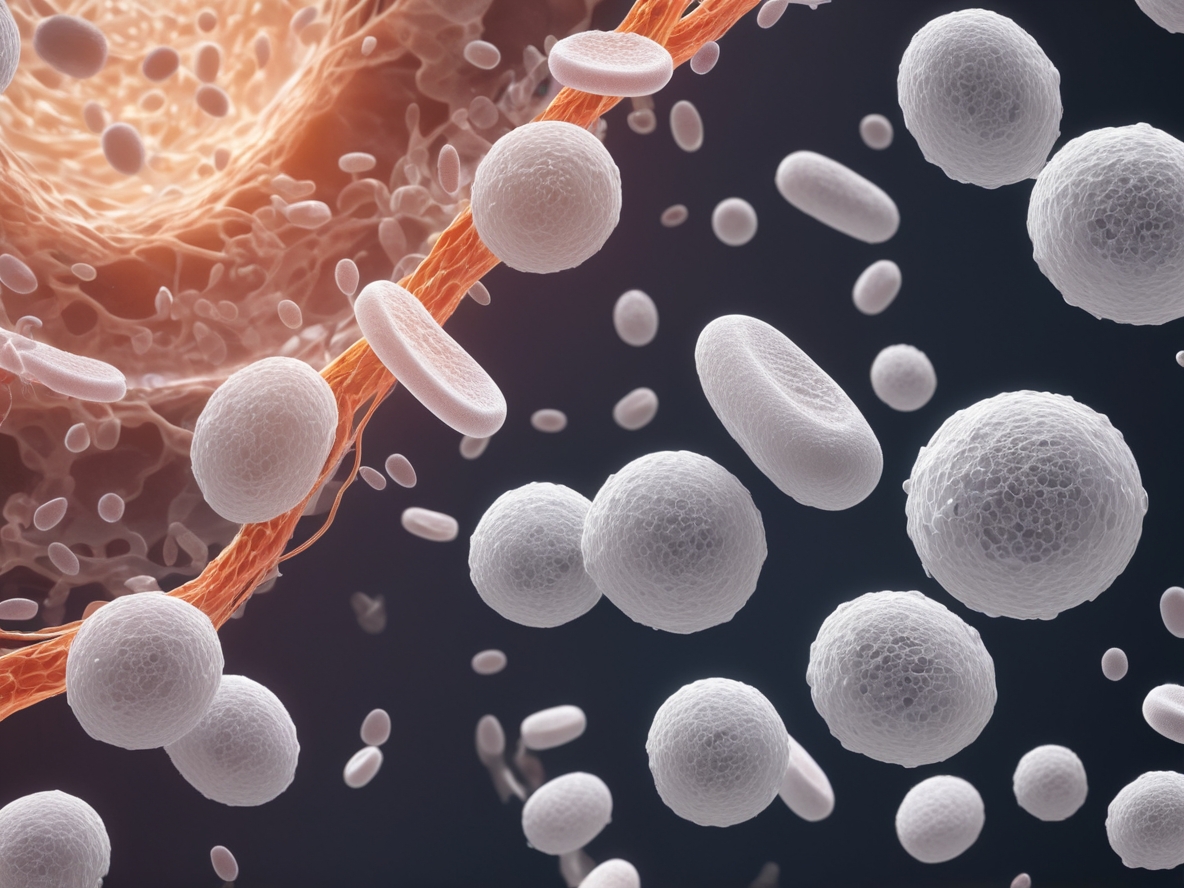
Once the bleeding is under control, your body sends in white blood cells to fight off any germs that might get into the wound and cause an infection. This is why the area around the wound gets red, swollen, and warm. It’s like your body is sending in an army to protect itself! This stage can last for a few days.
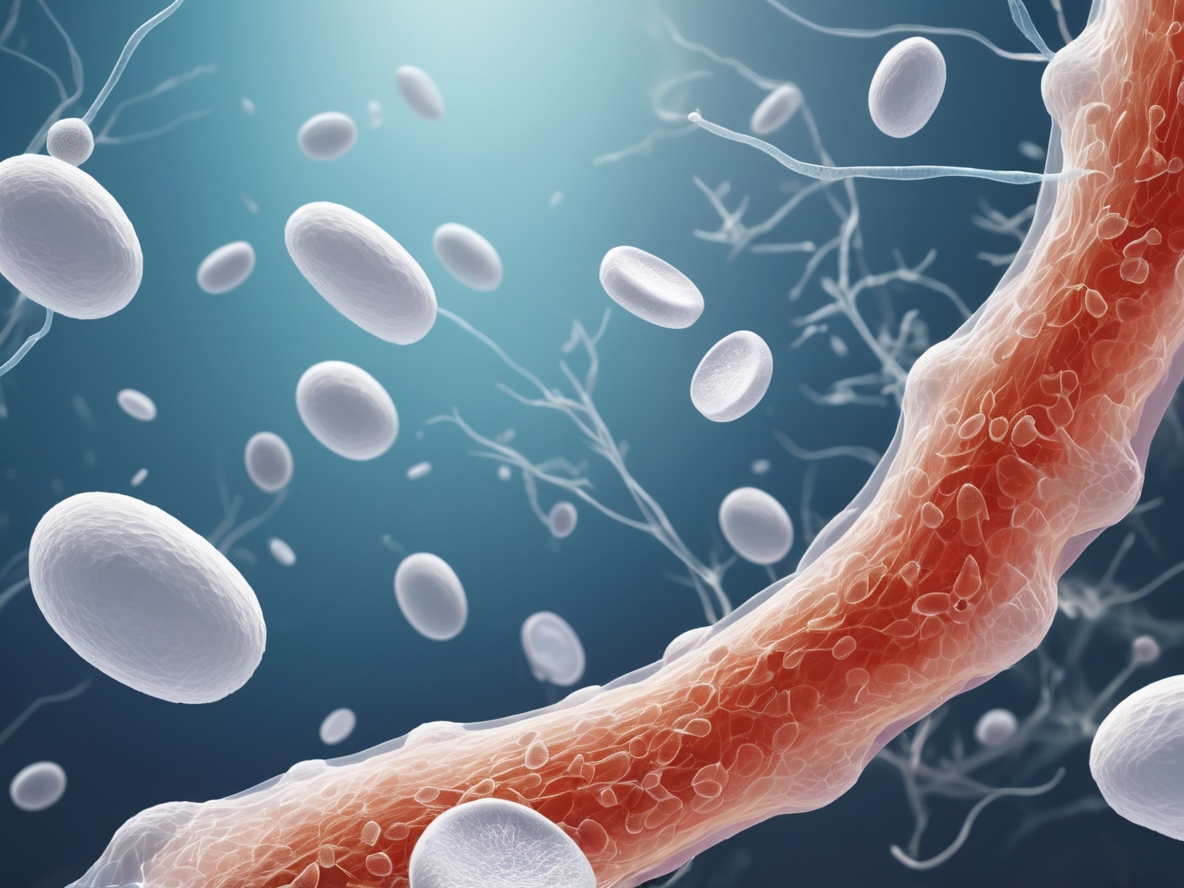
What is bacteria?
3. Rebuild and Repair (Proliferation)
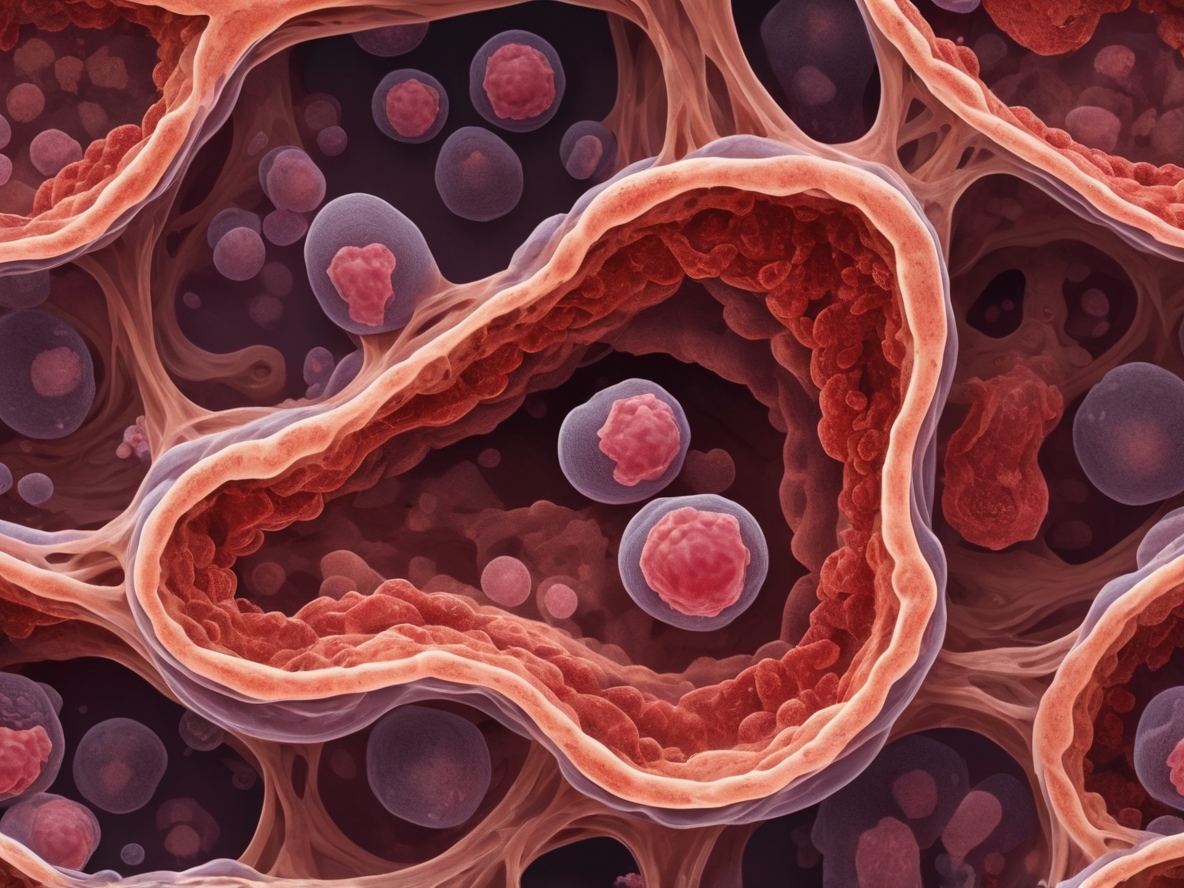
Now that the infection is under control, it’s time to start rebuilding the damaged tissue. Your body makes new skin cells and blood vessels to fill in the gap and close the wound. You might also see some granulation tissue, which is kind of like pink, bumpy scar tissue. This stage can take a few weeks.
4. Scarring and Strengthening (Remodelling)
Finally, your body starts to remodel the scar tissue to make it stronger and less noticeable. The remodelling phase is the final stage of wound healing, starting around day 21 and lasting up to a year. During this phase, a delicate balance between creating and breaking down new tissue is crucial. Any disturbance can lead to the formation of a long-lasting wound.
As the granulation tissue formation concludes, the wound begins to mature. Certain modifications occur in the tissue to make it stronger and more organised. Weaker collagen type III is replaced by stronger collagen type I, gradually increasing the wound’s strength. Although collagen synthesis continues for several weeks, the collagen in the healed area will never be as organised as the collagen in healthy skin.
After the wound has healed, a scar forms. Inflammation is connected to how scars develop, and they may have some drawbacks. For example, the healed skin might not be as strong as it was before. Even after three months, the healed skin may only be about 80% as strong as normal skin. Additionally, certain parts of the skin, like hair follicles and sweat glands, may not recover fully after a serious injury.
So, next time you get a cut, remember that your body is working hard behind the scenes to heal it. Just keep it clean and protected, and give it time, and you’ll be back to normal in no time!
Factors Affecting Wound Healing
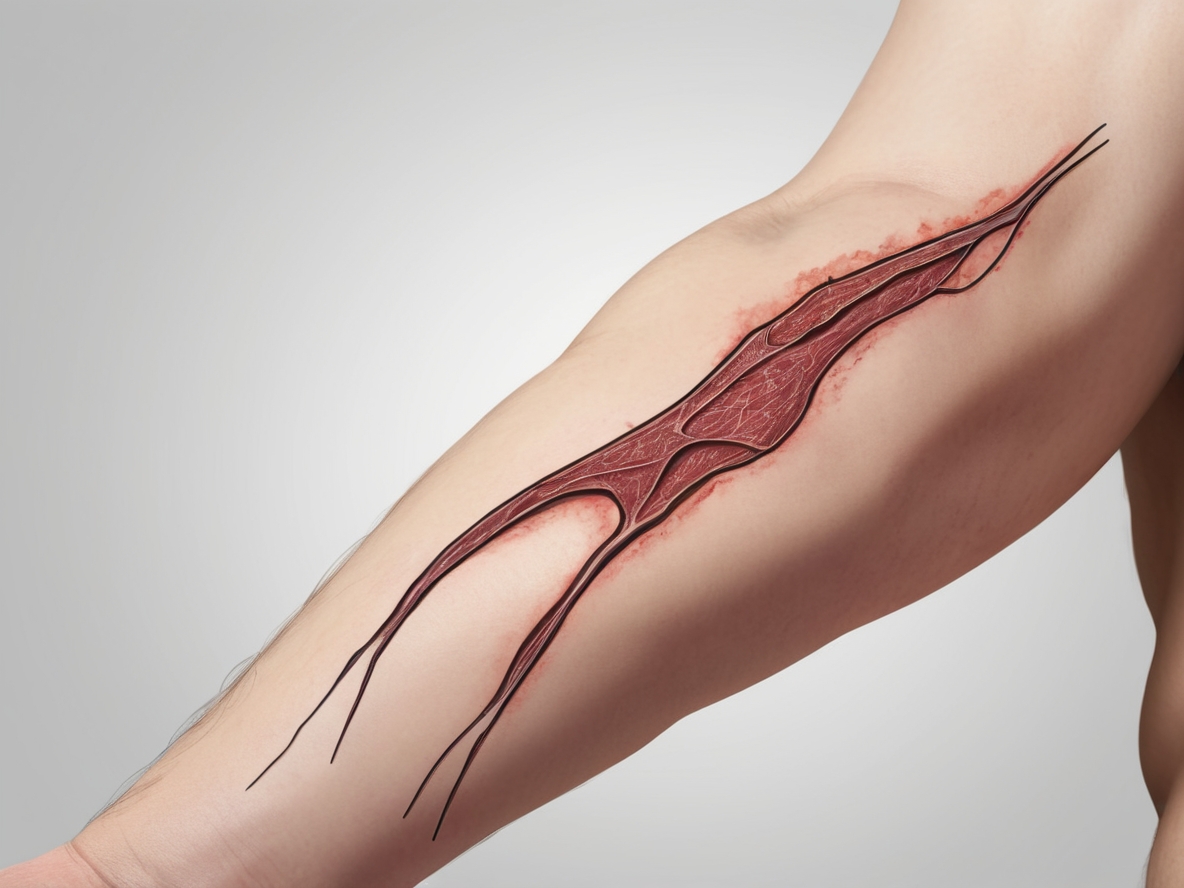
How a wound heal itself
Here are some additional things to keep in mind about wound healing:
Everyone heals at their own pace. Some wounds may heal quickly, while others may take longer.
It’s important to keep your wound clean and dry to prevent infection.
If you have any concerns about your wound, such as if it’s getting worse or not healing properly, be sure to see a doctor.
Several factors can affect the healing of your wounds. Here are some of the main ones:
Age: Older people generally heal more slowly than younger individuals.
Nutrition: A well-balanced diet with enough protein, vitamins, and minerals is essential for proper wound healing.
Chronic conditions: Medical conditions like diabetes or immune disorders can impair the body’s ability to heal wounds.
Smoking: It can delay healing and increase the risk of complications after a wound.
Medications: Certain medications, such as steroids or blood thinners, can interfere with the healing process.
Infection: The presence of bacteria or other germs in a wound can impede healing and lead to infection.
Poor blood circulation: Reduced blood flow, often caused by conditions like peripheral artery disease, can slow down wound healing.
Wound characteristics: The size, depth, and location of a wound can also impact how quickly it heals.
We can support and optimise the wound-healing process by addressing these factors and taking appropriate measures. And just like that, your skin is good as new! The scab has dried up and fallen off, revealing beautiful new skin underneath. The ouch is gone, and you’re ready to run, jump, and climb again.
Modern Advances in Wound Healing
Advanced Wound Dressings: Traditional dressings, while effective for basic wound care, are increasingly being replaced by advanced materials designed to promote optimal healing. Hydrogels, for example, maintain a moist wound environment, which is crucial for cell migration and tissue regeneration. Alginates, derived from seaweed, are highly absorbent and ideal for wounds with heavy exudate. Foam dressings provide cushioning and absorbency, while film dressings create a barrier against bacteria. These advanced dressings often incorporate bioactive materials, such as silver nanoparticles, for antimicrobial activity or growth factors to stimulate tissue repair.
Growth Factor Therapies: The understanding of growth factors has led to the development of topical therapies that deliver these molecules directly to the wound site. Recombinant growth factors, such as PDGF and VEGF, are being explored for their potential to accelerate healing in chronic wounds, such as diabetic ulcers. Regenerative medicine approaches, such as platelet-rich plasma (PRP) therapy, utilise the patient’s own blood to deliver a concentrated source of growth factors to the wound. PRP therapy has shown promise in promoting healing in a variety of wound types, including surgical wounds and tendon injuries.
Hyperbaric Oxygen Therapy: Hyperbaric oxygen therapy (HBOT) involves breathing pure oxygen in a pressurised chamber. This increases the amount of oxygen dissolved in the blood, which can be beneficial for wounds with compromised blood supply, such as diabetic foot ulcers and radiation injuries. The increased oxygen delivery promotes angiogenesis, reduces inflammation, and enhances the activity of immune cells, all of which contribute to improved wound healing.
Laser and Light Therapies: Laser and light therapies are being used to stimulate tissue regeneration and reduce scar formation. Low-level laser therapy (LLLT) uses specific wavelengths of light to promote cell proliferation, collagen synthesis, and angiogenesis. Intense pulsed light (IPL) therapy can be used to reduce redness and improve the appearance of scars. Photodynamic therapy (PDT), which combines light with a photosensitising agent, can be used to kill bacteria and promote wound healing in infected wounds.
Stem Cell Therapy: Stem cell therapy holds great promise for the future of wound healing. Stem cells have the ability to differentiate into various cell types, including fibroblasts, epithelial cells, and endothelial cells, which are essential for tissue regeneration. Stem cells can be delivered to the wound site through injections or topical applications. While still largely experimental, stem cell therapy has shown potential in promoting healing in chronic wounds and severe burns.
Wound Care Practices and Prevention
Basic Wound Care: Proper wound care prevents infection and promotes optimal healing. This includes cleaning the wound with mild soap and water or saline solution, applying a sterile dressing, and protecting the wound from further injury. Keeping the wound moist rather than dry is often beneficial for promoting epithelialisation.
Nutrition and Hydration: A healthy diet plays a crucial role in supporting wound healing. Adequate protein intake is essential for collagen synthesis, while vitamins and minerals, such as vitamin C and zinc, are important for cell proliferation and immune function. Hydration is also essential for maintaining tissue integrity and delivering nutrients to the wound site.
Preventing Infections: Infection is a major complication of wound healing. Proper hygiene, including handwashing and sterile technique, is essential for preventing infection. Early intervention with antibiotics is crucial for treating infected wounds.
Scar Management: Scars are a natural part of the healing process, but their appearance can be minimised through proper management. Silicone sheeting, for example, can help to flatten and soften scars. Sun protection is also essential for preventing scar hyperpigmentation. In some cases, laser therapy or surgical revision may be necessary to improve the appearance of scars.
The Future of Wound Healing
Emerging Technologies: Ongoing research is exploring a range of emerging technologies for wound healing, including tissue engineering, gene therapy, and bioelectronic medicine. Tissue engineering involves creating artificial tissues and organs that can be used to repair damaged tissue. Gene therapy holds promise for delivering therapeutic genes to the wound site to promote healing. Bioelectronic medicine explores the use of electrical stimulation to modulate the activity of cells and promote tissue regeneration.
Personalised Medicine: The future of wound healing is likely to involve personalised medicine approaches, tailoring wound care to the individual patient’s genetic and physiological factors. This may involve using genetic testing to identify patients at risk for delayed wound healing or developing personalised wound dressings that deliver specific growth factors based on the patient’s needs.
The Quest for Scarless Healing: The ultimate goal of wound healing research is to achieve scarless healing, where damaged tissue is completely regenerated without any visible scarring. This may involve developing therapies that stimulate the regeneration of hair follicles, sweat glands, and other skin appendages.
Conclusion
Wound healing is a complex and highly coordinated process involving multiple stages, from hemostasis and inflammation to proliferation and remodelling. A variety of factors, including intrinsic factors such as age and nutrition and extrinsic factors such as infection and wound care practices, can affect the healing process.
The body’s ability to heal itself is a testament to its remarkable resilience and adaptability. Wound healing is a fundamental biological process that ensures the survival and well-being of organisms. The ongoing journey of scientific discovery is continuously improving our understanding of wound healing and leading to the development of innovative therapies. The future of wound healing holds great promise for improving patient outcomes and achieving the ultimate goal of scarless healing.
Maths Circus, an innovative platform we've crafted, presents a captivating realm where children learn mathematics through the exciting theme of a circus. The joy of juggling numbers and solving circus...
Respiratory System Facts for Kids: You breathe roughly 20,000 times a day, and almost every one of those breaths happens without you thinking about it. The respiratory system is the group...
Article Summary What this article covers: An introduction to Christianity for children, covering who Christians are, the story of Jesus, the Bible, churches and worship, Christian symbols, the main festivals...
Article Summary What this article covers: How Roman numerals work, where they came from, why the Romans had no zero, how their system compared with Egyptian and Babylonian numbers, the...






Leave a Reply