The Romanov Family: Imagine a world of unimaginable opulence: glittering palaces, lavish balls, and a family adorned in jewels and furs. This was the world of the Romanovs, the last Tsars of Russia, a dynasty that reigned for over three centuries and shaped the destiny of a vast empire. Their story, however, is not just one of grandeur and power; it’s also a tale of tragedy, marked by political turmoil, war, and ultimately, the brutal execution of an entire family, a chilling event that reverberated across the globe and signalled the end of an era.
The Romanov dynasty, which ascended to the throne in 1613, left an indelible mark on Russian history. From Michael Romanov, the first Tsar of the dynasty, to Nicholas II, the last, the Romanovs oversaw Russia’s transformation from a relatively isolated state to a major European power. They expanded the empire’s territory, modernised its institutions, and patronised the arts and sciences. Their reign was a complex mix of progress and repression of imperial grandeur and social inequality, ultimately culminating in revolution and the violent demise of the imperial family.
The Romanov dynasty, which ruled Russia for over three centuries, left an indelible mark on the nation’s history, but their reign ultimately ended in tragedy, marked by political upheaval, war, and the brutal execution of the imperial family. This article will explore the rise and reign of the Romanovs, highlighting key rulers and their impact on Russia.
We will delve into the opulent lifestyle of the imperial court, contrasting it with the growing social and economic unrest that ultimately led to the dynasty’s downfall. We will examine the events leading up to the Russian Revolution, including World War I and its devastating consequences. Finally, we will recount the tragic end of the Romanov family, detailing their imprisonment and execution, and reflect on their enduring legacy in Russian history and culture.
The Rise of the Romanovs (From Boyars to Tsars)
Early History
The Romanov family’s origins can be traced back to the 14th century, during the Age of Autocracy, though their initial status was relatively modest. They were a branch of the powerful Moscow boyar (aristocratic) class, related by marriage to the Rurik dynasty, which had ruled Russia for centuries. This connection, though distant, proved crucial in their eventual rise to power.
Over generations, the Romanovs gradually increased their wealth and influence, holding important positions within the Muscovite court. Their strategic marriages and political manoeuvring allowed them to navigate the complex world of Muscovite politics and establish a solid foundation for their future claim to the throne.
Michael Romanov’s Accession
The Time of Troubles, a period of political chaos and foreign intervention following the death of Tsar Boris Godunov in 1605, created a power vacuum in Russia. With the Rurik dynasty extinct, various factions vied for the throne. After years of turmoil and foreign occupation, a national assembly known as the Zemsky Sobor convened in 1613 to elect a new Tsar. Amidst the competing claims and political manoeuvring, the assembly chose Michael Romanov, a relatively young and unassuming boyar.
His selection was partly due to his connection to the Rurik dynasty, which lent legitimacy to his claim, and partly because he was seen as a compromise candidate acceptable to various factions. Michael’s coronation marked the beginning of the Romanov dynasty, which would rule Russia for the next three centuries.
Consolidation of Power
The early Romanov Tsars faced the daunting task of rebuilding and consolidating their power after the Time of Troubles. They gradually strengthened the central government, reasserted control over the vast Russian territories, and suppressed internal rebellions. Over the centuries, the Romanovs expanded their territory significantly, pushing eastward into Siberia and westward into Europe.
They also centralised power, gradually diminishing the influence of the boyars and establishing an increasingly autocratic form of rule. This consolidation of power, often achieved through force and political manoeuvring, laid the foundation for the Romanov dynasty’s long and often autocratic reign.
Key Romanov Rulers and Their Impact (A Dynasty’s Legacy)
Peter the Great
Peter the Great (1682-1725) was one of the most transformative figures in Russian history. He embarked on a sweeping program of reforms aimed at modernising Russia, drawing inspiration from Western European models. He reorganised the army and navy, established new industries, reformed the bureaucracy, and introduced Western-style education and culture. Peter also built a new capital city, St. Petersburg, as a symbol of his modernising efforts. His reforms, though often implemented ruthlessly, significantly strengthened Russia and transformed it into a major European power.
Catherine the Great
Catherine the Great (1762-1796) continued Peter’s efforts to modernise and expand Russia. She was a shrewd politician and a patron of the arts and sciences, presiding over a period of cultural flourishing. Catherine expanded Russia’s territory significantly, particularly at the expense of the Ottoman Empire. However, her reign also saw the intensification of serfdom and social inequality, laying the groundwork for future unrest.
Alexander II
Alexander II (1855-1881) is known as the “Tsar Liberator” for his emancipation of the serfs in 1861. This landmark reform, though complex and imperfectly implemented, marked a significant step towards modernising Russian society. Alexander also introduced other important reforms, including legal and administrative changes. However, his reign was also marked by growing revolutionary movements, and he was assassinated by a terrorist group in 1881.
Nicholas II
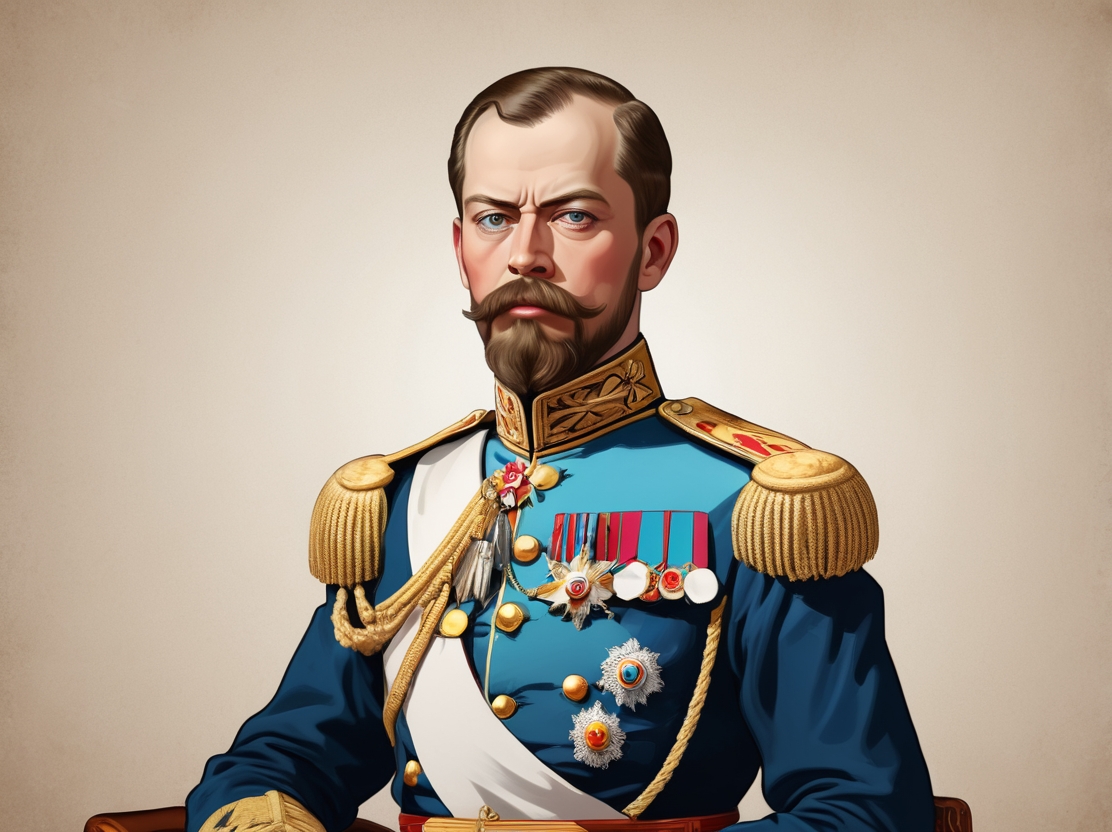
Nicholas II (1894-1917) was the last Tsar of Russia. His reign was marked by increasing social and political unrest, exacerbated by Russia’s involvement in the Russo-Japanese War and World War I. Nicholas was an indecisive and increasingly autocratic ruler, unwilling to embrace meaningful reforms. His handling of World War I, particularly his decision to take personal command of the army, proved disastrous and further eroded public support for the dynasty. His reign ultimately ended in revolution and his tragic execution, marking the end of the Romanov dynasty and the beginning of a new era in Russian history.
Life in the Imperial Court (Opulence and Privilege)
The Winter Palace and Other Residences
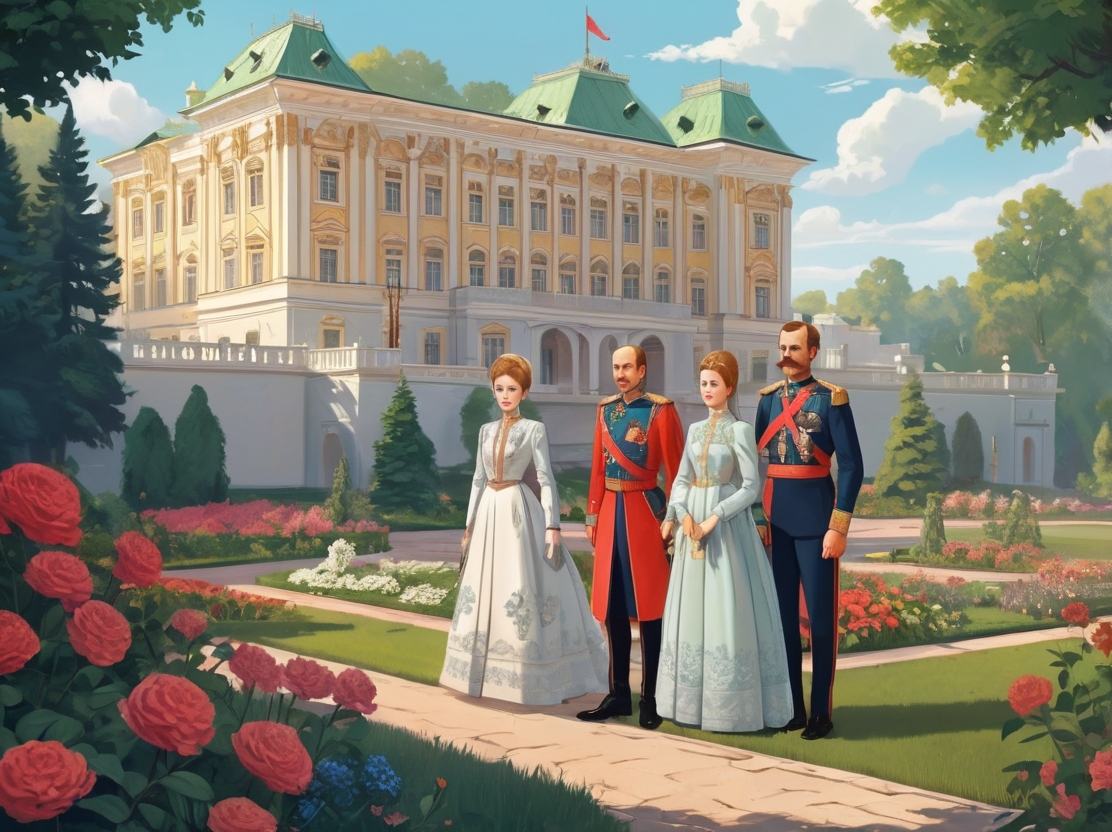
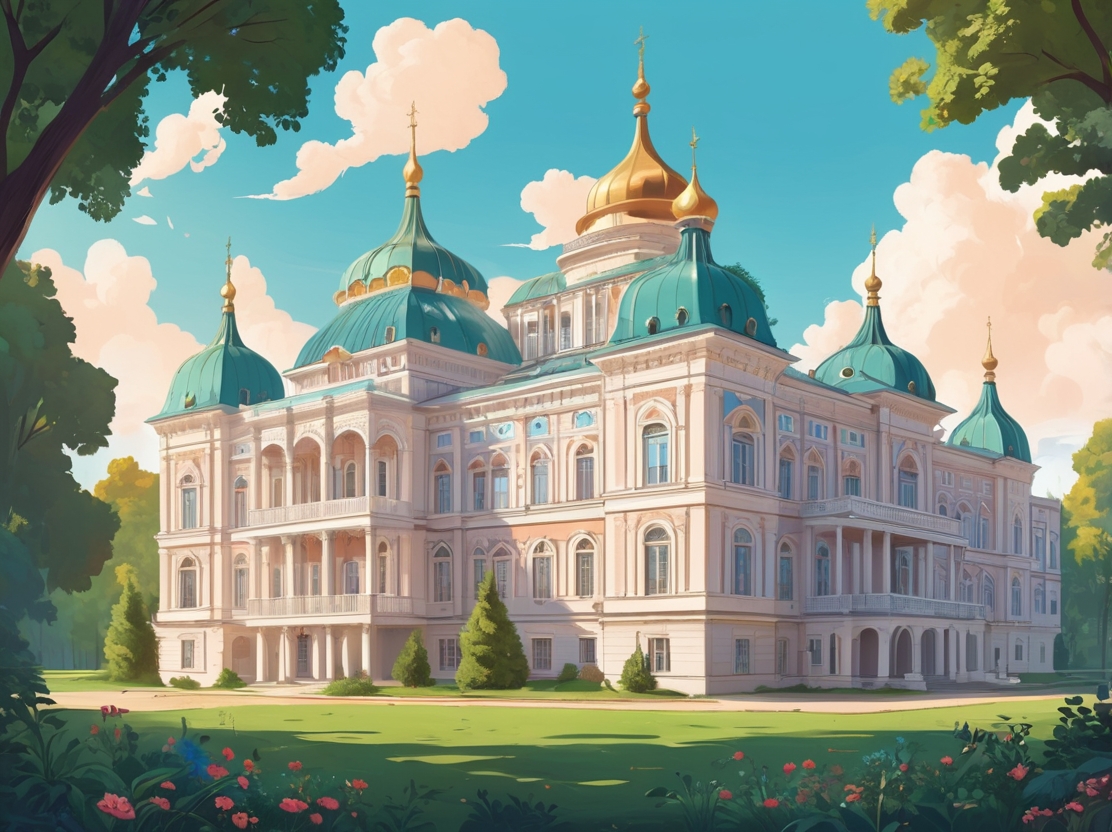
The Romanov family lived a life of unimaginable opulence, residing in magnificent palaces that symbolised their power and wealth. The Winter Palace in St. Petersburg, a sprawling baroque masterpiece, served as the primary residence of the Tsars. With its hundreds of elaborately decorated rooms, vast halls, and priceless art collections, the Winter Palace was a testament to the Romanovs’ imperial grandeur.
Beyond the Winter Palace, the family possessed numerous other residences, including the Catherine Palace, Peterhof Palace, and Livadia Palace in Crimea, each a stunning display of architectural brilliance and lavish interior design. These palaces, staffed by armies of servants, were not just homes; they were centers of power, where the Romanovs conducted affairs of state, entertained foreign dignitaries, and upheld the image of imperial majesty.
Daily Life and Rituals
Daily life in the imperial court was highly structured and steeped in tradition. The Romanovs adhered to a strict schedule of official duties, religious observances, and social engagements. Their days were filled with meetings, ceremonies, balls, and other formal events. The court adhered to a complex etiquette, dictating every aspect of behaviour, from dress to conversation.
The Romanov family, while enjoying immense privilege, also lived under constant scrutiny, their every move subject to public attention and gossip. Religious rituals played a significant role in their lives, reflecting the deep connection between the Romanov dynasty and the Russian Orthodox Church.
Family Dynamics
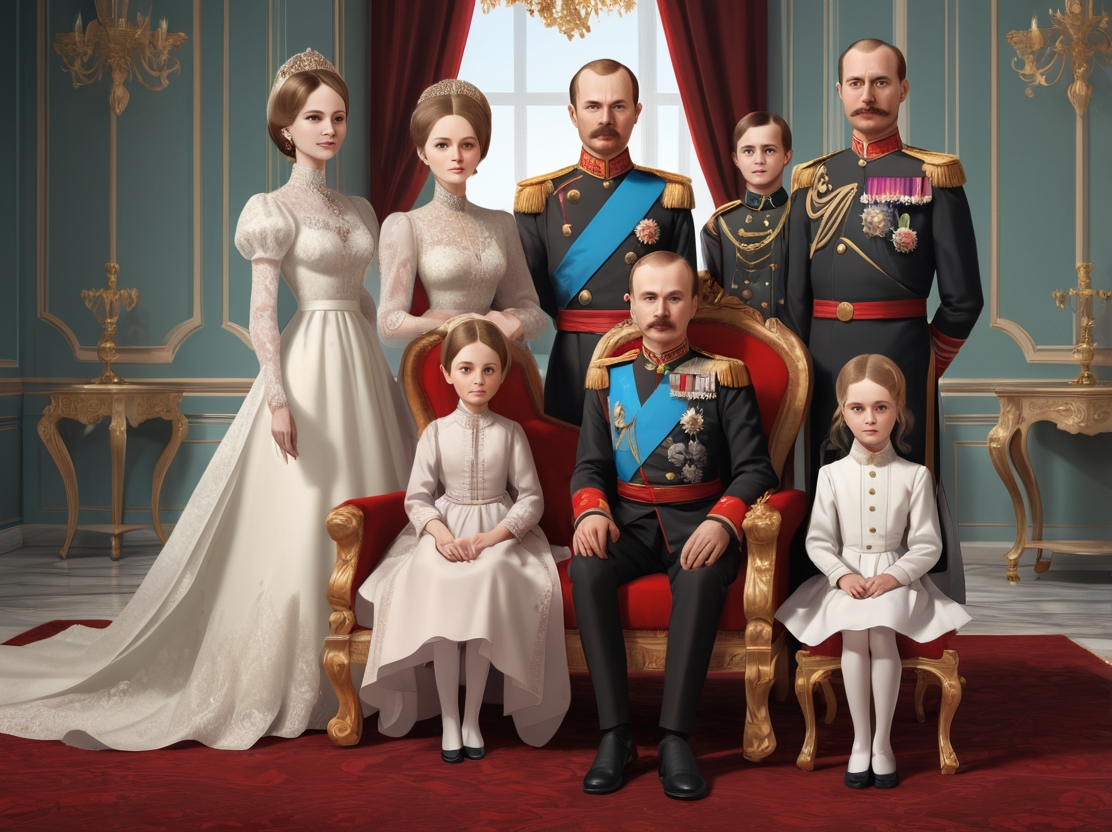
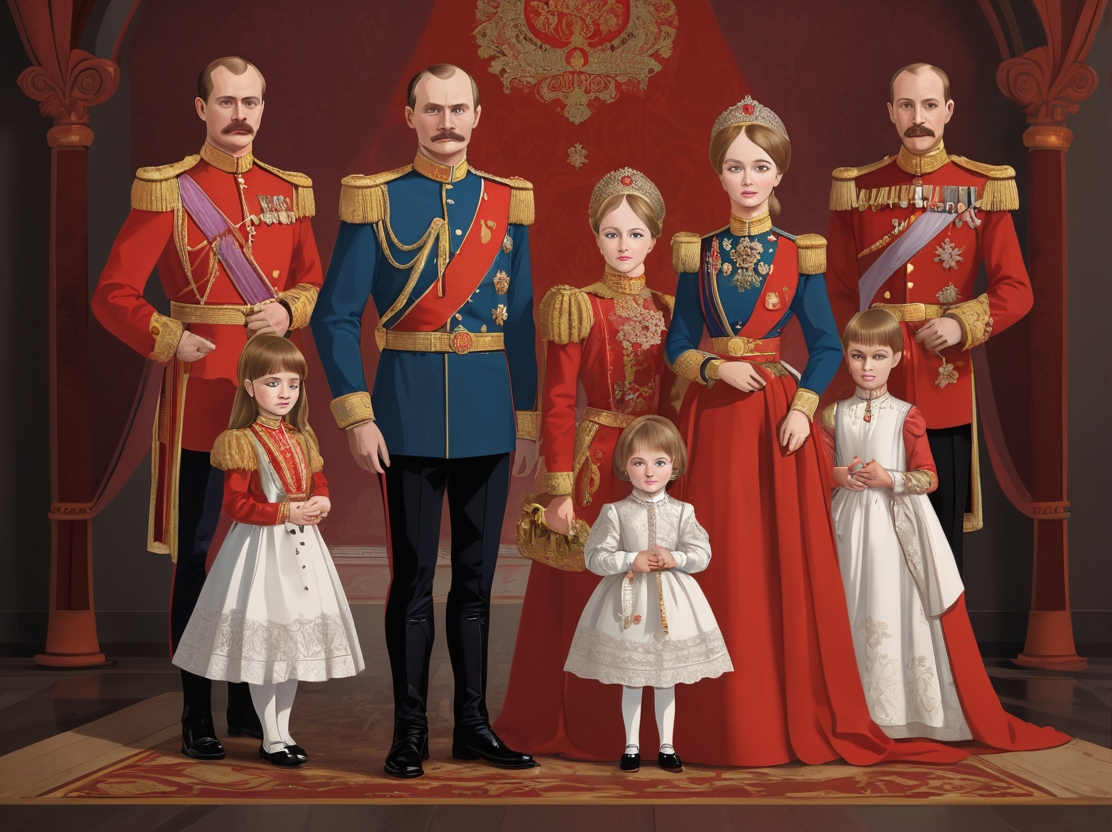
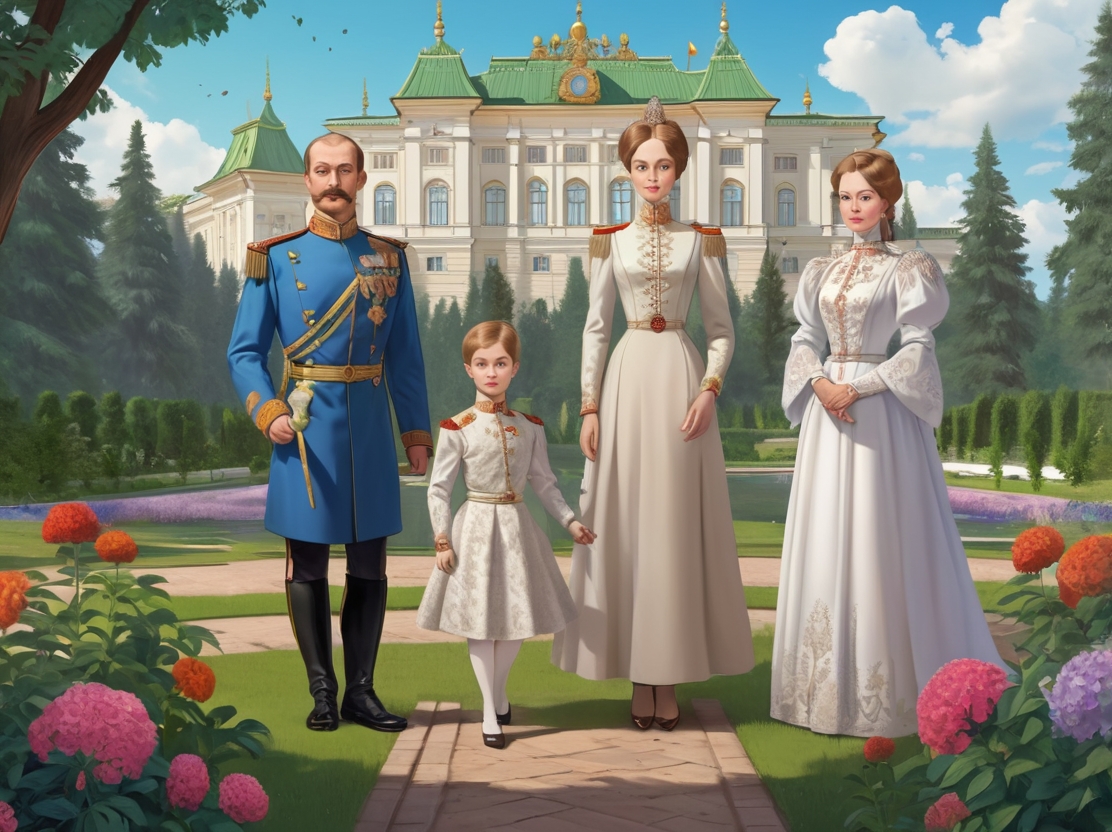
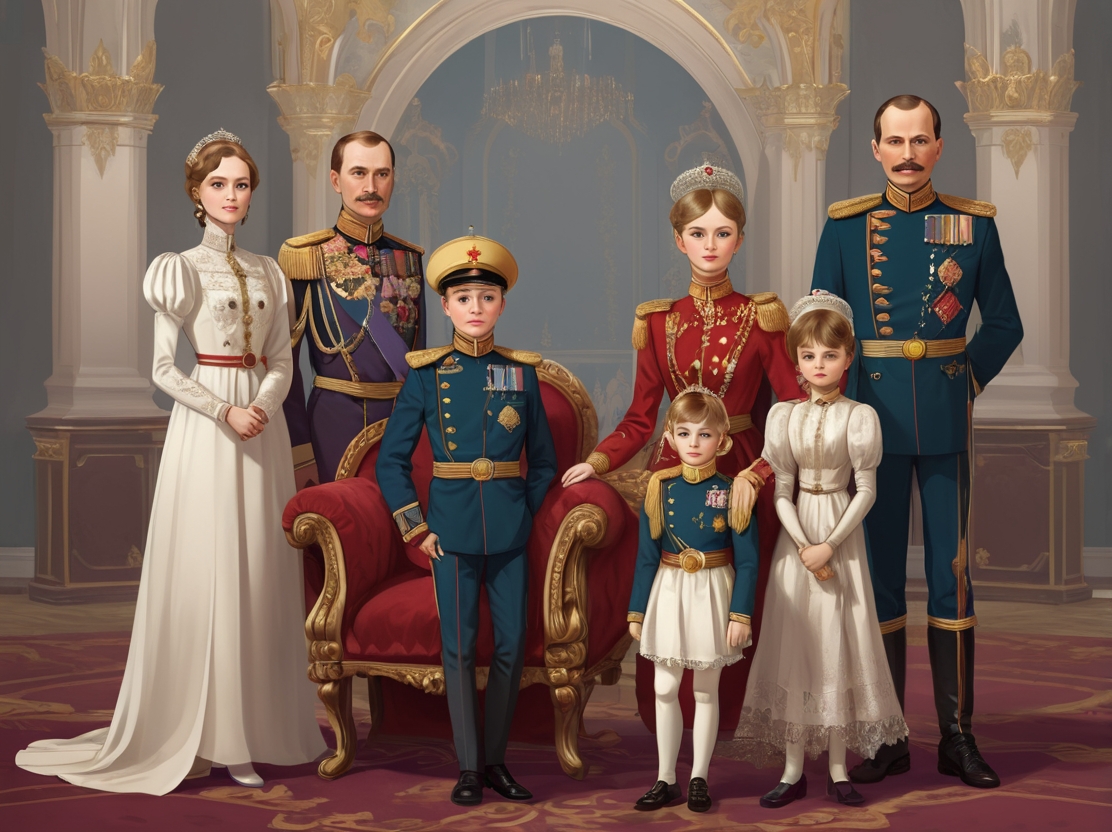
Within the walls of these opulent palaces, the Romanov family experienced their own joys and sorrows. Nicholas II and Tsarina Alexandra had five children: Olga, Tatiana, Maria, Anastasia, and Alexei. The family was close-knit, and Nicholas was a devoted father. However, the Tsarina’s anxieties about Alexei’s haemophilia, a hereditary disease inherited from his mother, cast a shadow over their lives.
Rasputin’s influence over the Tsarina, stemming from his perceived ability to help Alexei, added another layer of complexity to the family dynamics. The children, raised in a sheltered and privileged environment, were largely unaware of the growing social and political turmoil outside the palace walls.
The Decline and Fall (Seeds of Revolution)
Social and Economic Unrest
Despite the outward appearance of wealth and power, Russia in the late 19th and early 20th centuries faced deep-seated social and economic problems. The vast majority of the population consisted of peasants who lived in poverty and lacked basic rights. Industrialisation brought some economic growth but also created a large and discontented working class. Social inequality was rampant, with a small elite controlling most of the wealth and power. These simmering tensions created a fertile ground for revolutionary ideas to take root.
The Russo-Japanese War and Bloody Sunday
The Russo-Japanese War (1904-1905), a humiliating defeat for Russia, exposed the weaknesses of the Tsarist regime and further fueled public discontent. The Bloody Sunday massacre in January 1905, where Tsarist troops shot peaceful protesters, shattered the image of the Tsar as a benevolent father figure and ignited widespread revolutionary sentiment. These events demonstrated the deep chasm between the autocracy and the people and significantly weakened the Tsar’s authority.
World War I and its Consequences
World War I proved to be the final nail in the coffin of the Romanov dynasty. Russia’s involvement in the war, which it was ill-prepared to fight, exacerbated the existing social and economic problems. The war effort strained the country’s resources, leading to food shortages, inflation, and widespread suffering. The Tsar’s decision to take personal command of the army further alienated him from the public, as he became directly associated with the war’s many defeats.
The war created a climate of despair and hopelessness, making revolution almost inevitable. The combination of wartime hardships, economic collapse, and growing public anger created the conditions for the downfall of the Romanov dynasty, bringing an end to over three centuries of imperial rule.
The Tragic End (Execution and Aftermath)
The February Revolution and Nicholas II’s Abdication
By early 1917, Russia was on the brink of collapse. Widespread food shortages, military defeats, and growing discontent with the Tsarist regime led to a series of protests and strikes in Petrograd (St. Petersburg). These demonstrations, known as the February Revolution, quickly escalated into a full-blown uprising.
Faced with mounting pressure from the military and the public, Nicholas II, who was at the front commanding the army, realised that he had no choice but to abdicate the throne. On March 15, 1917, he abdicated in favour of his brother, Grand Duke Michael, who declined the crown the following day, effectively ending the Romanov dynasty’s reign. A Provisional Government was established, tasked with organising elections for a Constituent Assembly.
The October Revolution and the Bolsheviks
The Provisional Government, however, proved to be weak and ineffective, unable to address the country’s many problems. In October 1917, the Bolsheviks, led by Vladimir Lenin, seized power in a coup known as the October Revolution. They overthrew the Provisional Government and established a communist regime.
The Romanov family, who had been placed under house arrest following the Tsar’s abdication, were initially held in relative comfort. However, as the Bolsheviks consolidated their power and the Russian Civil War intensified, their situation deteriorated. They were moved to various locations, eventually being imprisoned in Yekaterinburg in the Ural Mountains.
The Execution at Yekaterinburg
In July 1918, as the White Army (anti-Bolshevik forces) approached Yekaterinburg, the local Bolshevik leaders, fearing that the Romanov family might be rescued, made the decision to execute them. On the night of July 16-17, Nicholas II, Tsarina Alexandra, their five children, and several members of their household were brutally murdered in the basement of the Ipatiev House, where they were being held.
The execution was carried out hastily and chaotically, with the family being shot and then bayoneted. Their bodies were then disposed of in a nearby forest. The execution of the Romanov family marked a tragic and horrific end to a dynasty that had ruled Russia for over three centuries.
Legacy and Remembrance (A Dynasty Remembered)
The Search for the Remains
For many years, the fate of the Romanov family remained a mystery. Rumours and conspiracy theories circulated about their survival, adding to the mystique surrounding their story. It wasn’t until the 1990s that the remains of Nicholas II, Alexandra, and three of their daughters were discovered in a mass grave near Yekaterinburg. Later, the remains of Alexei and one of his sisters were also found. DNA testing confirmed the authenticity of the remains, finally bringing closure to this tragic chapter of Russian history.
The Canonisation of the Romanovs
In 2000, the Russian Orthodox Church canonised the Romanov family as saints. This decision, while controversial, reflected the growing sentiment in Russia that the family had been unjustly persecuted and that they were victims of political violence. The canonisation also highlighted the complex relationship between the Russian Orthodox Church and the Romanov dynasty, which had been deeply intertwined for centuries.
The Romanovs in Popular Culture
The Romanovs have remained a popular subject in books, movies, and other forms of media. Their story, with its elements of opulence, tragedy, and mystery, continues to fascinate audiences around the world. Numerous books have been written about the Romanovs, exploring their lives, their reign, and their tragic end. Movies and television shows have also dramatised their story, often focusing on the romantic aspects of their lives or the conspiracies surrounding their deaths. These portrayals, while sometimes fictionalised, have helped to keep the memory of the Romanovs alive and have shaped public perception of them as both historical figures and symbols of a lost era.
Conclusion
The Romanov dynasty, which ruled Russia for over three centuries, left an indelible mark on the nation’s history. From their rise to power in the 17th century to their tragic end in the 20th century, the Romanovs shaped the destiny of Russia, transforming it from a relatively isolated state into a major European power. Their reign was a complex mix of progress and repression of imperial grandeur and social inequality, ultimately culminating in revolution and the violent demise of the imperial family.
The factors that led to the downfall of the Romanovs are complex and multifaceted. Social and economic unrest, exacerbated by Russia’s involvement in World War I, created a fertile ground for revolutionary ideas to take root. The weakness and indecisiveness of Nicholas II, coupled with the scandals surrounding Rasputin, further eroded public trust in the dynasty. The February Revolution forced the Tsar to abdicate, bringing an end to over three centuries of Romanov rule. The subsequent execution of the imperial family by the Bolsheviks was a tragic and horrific event that symbolised the brutality of the Russian Revolution.
The Romanovs’ legacy continues to resonate in Russia today. Their story serves as a reminder of the fragility of power and the consequences of social and political inequality. The discovery of their remains and their subsequent canonisation have sparked renewed interest in the dynasty and have contributed to a reassessment of their role in Russian history. The Romanovs remain a fascinating and complex family, and their story is a poignant reminder of the dramatic events that shaped the 20th century and the enduring power of history to inform and inspire.
FAQs
1. Who was the Romanov Family?
The Romanov Family, also known as the House of Romanov, was a Russian dynasty that ruled Imperial Russia until its tragic end.
2. What led to the tragic end of the Romanov family?
The Bolsheviks, members of Ural Regional Soviet, killed all members of The Romanov Family, including Tsarevich Alexei in an event often referred to as ‘slaughter’.
3. Do any descendants remain from The House of Romanov today?
Yes, there are a few living descendants from The House Of Romanov present around today.
4. Are experts able to show proof of Fantasy claims regarding surviving members after tragedy?
While we know that some are real and alive, tales about some surviving this tragedy do live on, but they lack hard facts from experts.
Maths Circus, an innovative platform we've crafted, presents a captivating realm where children learn mathematics through the exciting theme of a circus. The joy of juggling numbers and solving circus...
The Latin alphabet, also called the Roman alphabet, is the most widely used writing system in the world. Used by over 100 languages today, including English, French, Spanish, German and...
Venus, the Hottest Planet: Ask most children which planet is hottest, and they'll say Mercury, it's the closest to the Sun, so the logic seems obvious. But the correct answer...
Imagine looking up from a Dorset beach 190 million years ago and seeing a creature with leathery wings gliding over the waves. Many children would call it a flying dinosaur,...




Leave a Reply