Libraries serve as fundamental pillars within educational ecosystems worldwide, functioning as comprehensive learning centres that extend far beyond traditional book repositories. The Role of Libraries in Education encompasses multiple dimensions, including literacy development, equitable information access, and digital learning support that address diverse community needs across all educational levels.
Contemporary library services reflect significant technological advancement, with most public libraries now providing internet access and digital resources that bridge connectivity gaps in underserved communities. This technological integration has become particularly crucial in regions where educational infrastructure remains limited, though the specific impact varies considerably based on local implementation and community engagement factors.
Educational disparities highlight the continuing importance of library services, particularly in developing regions where literacy challenges persist. Sub-Saharan Africa presents notable examples where library programs address fundamental reading and writing skills among adult populations, though the effectiveness of different intervention approaches requires ongoing evaluation and refinement.
Michelle Connolly, an educational consultant with over sixteen years of classroom experience, emphasises libraries’ capacity to create inclusive learning environments that support diverse academic needs. Her professional observations suggest that library spaces facilitate individual learning and community engagement, though she acknowledges that successful outcomes depend heavily on program design and community participation levels.
Modern libraries demonstrate adaptability through innovative programming initiatives, including collaborative reading programs and e-learning support systems. The Role of Libraries in Education continues evolving as these institutions balance traditional literacy support with emerging digital learning requirements. Measuring long-term educational impact remains an ongoing challenge requiring systematic evaluation and evidence-based program development.
The Role of Libraries in Education in Modern Education
Libraries are rapidly transforming to meet the educational needs of the digital age. They now serve as essential centres for learning, collaboration, and technological innovation while maintaining their core mission of information access and literacy development.
From Traditional Archives to Dynamic Learning Hubs
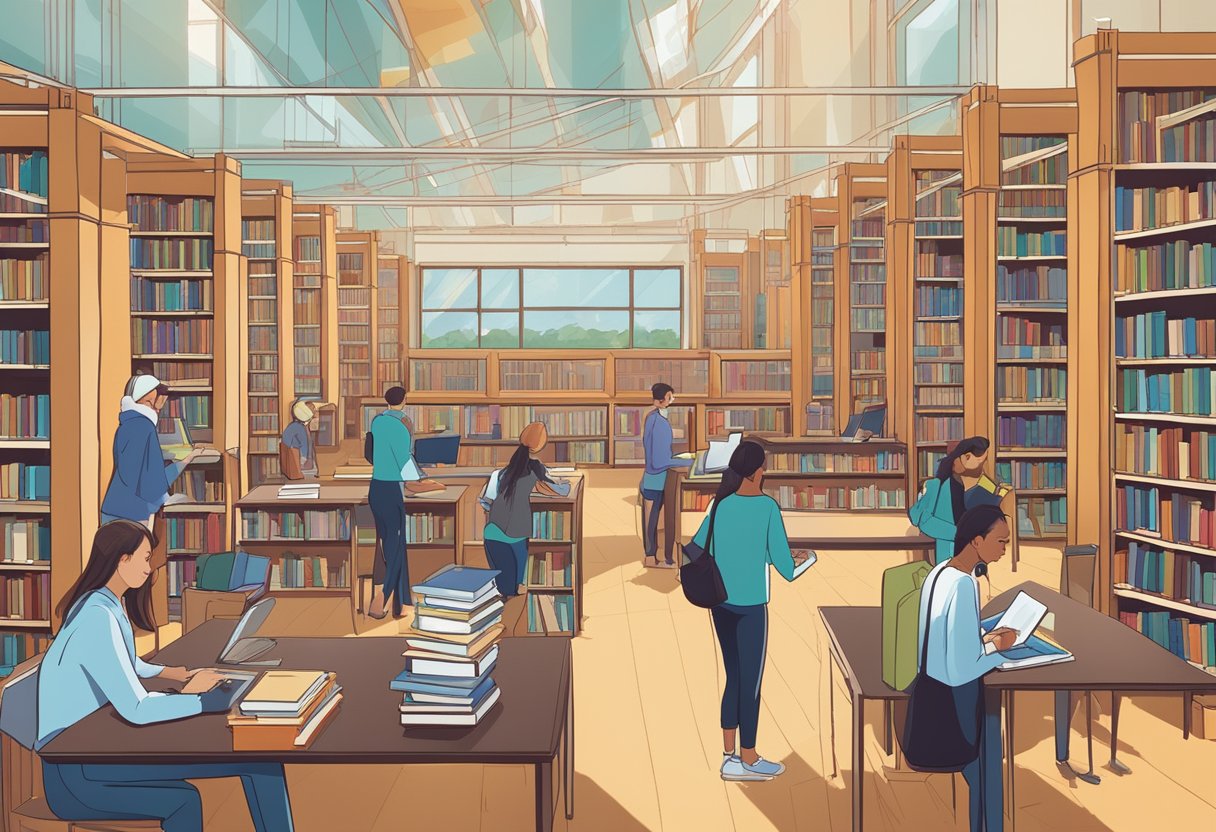
Libraries have evolved far beyond their traditional role as book repositories. Today’s library spaces are designed to promote active learning through flexible environments that support both individual study and group collaboration. You’ll find makerspaces, recording studios, and innovation labs where you can create digital projects, explore 3D printing, or produce multimedia presentations.
“As an educator with over 16 years of classroom experience, I’ve witnessed how libraries have transformed from quiet reading spaces to vibrant hubs of creativity and innovation,” notes Michelle Connolly, founder of LearningMole and educational consultant.
Modern libraries encourage inquiry-based learning through hands-on workshops and events. They also serve diverse learning needs by offering specialised resources for different learning styles and abilities.
The focus has shifted from merely housing books to fostering skills development and encouraging lifelong learning habits.
Integration of Technology and Digital Resources
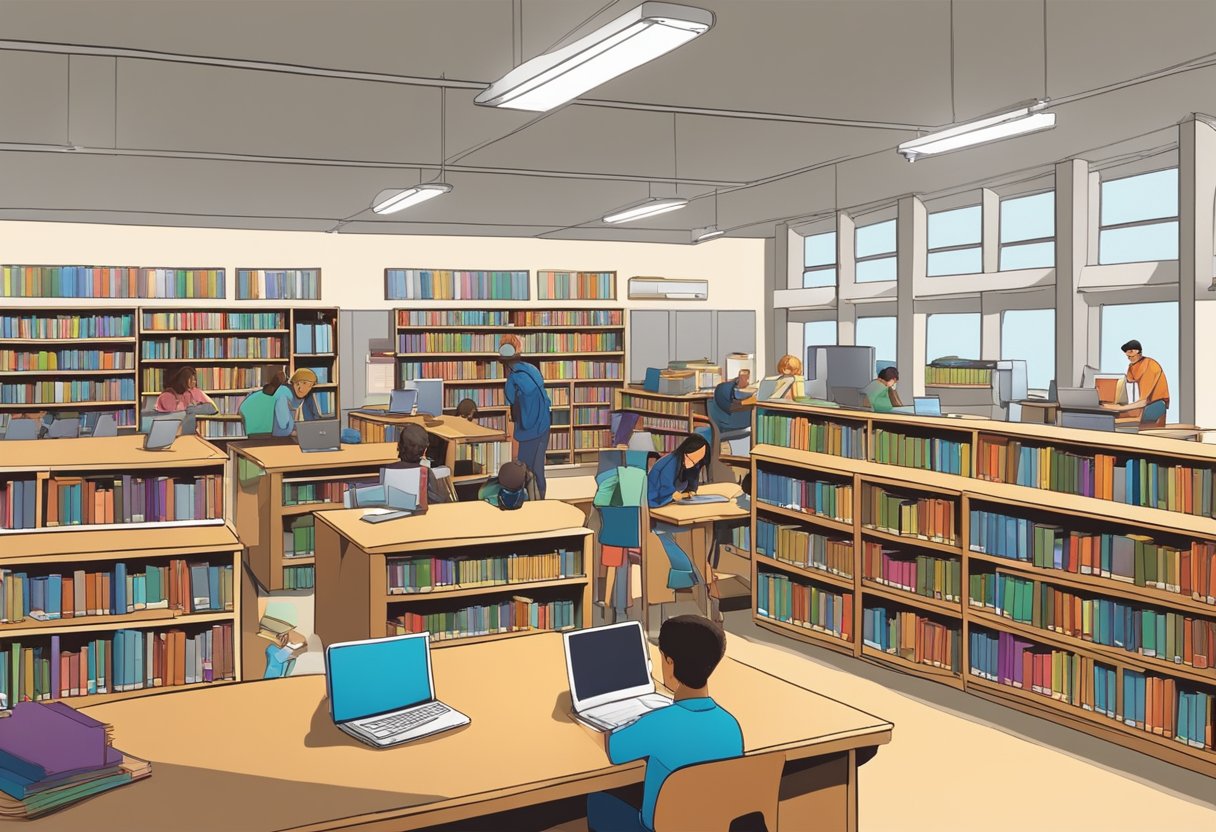
Today’s libraries offer an impressive array of digital resources that extend learning beyond physical walls. You can access e-books, academic databases, streaming media, and online courses from anywhere with an internet connection.
Digital literacy has become a core library function, with dedicated staff helping you navigate online information, evaluate sources, and use digital tools effectively. Many libraries now offer:
Library staff roles have evolved, too, with librarians now serving as technology guides and digital literacy instructors. They help you find, evaluate and use information in all formats.
Libraries also bridge the digital divide by providing internet access, lending technology devices, and supporting those who lack digital resources at home.
Librarians: The Unsung Heroes of Education
Librarians serve as vital pillars in educational settings, offering expertise and guidance while constantly updating their skills to meet evolving information needs. They bridge knowledge gaps and help transform information into wisdom for learners of all ages.
Educators and Guides in the Information Age
Librarians today do much more than manage books—they are educational partners who teach crucial research and critical thinking skills. They help you navigate the overwhelming sea of information available online and in print resources.
As an educator with over 16 years of classroom experience, I’ve observed that schools with qualified librarians consistently show higher academic achievement across subject areas,” notes Michelle Connolly, educational consultant and founder of LearningMole.
They provide individualised guidance for research projects and collaborate with teachers to enhance curriculum content. Many work tirelessly behind the scenes as educational advocates, though their efforts often go unrecognised.
Continuous Professional Development in Librarianship
School librarians constantly update their skills to stay relevant in today’s rapidly changing information landscape. Their professional development encompasses both traditional library science and cutting-edge digital tools.
In places like Nigeria, professional organisations help librarians develop skills to “walk through data with wisdom” and better serve educational communities.
This ongoing learning ensures that school librarians remain at the forefront of educational support, adapting their approaches to meet the evolving needs of today’s diverse learners.
Enhancing Media Literacy Through Library Services
Libraries are crucial in developing critical media literacy skills amongst students and community members. Modern library services have evolved to help people navigate our complex information landscape confidently and accurately.
Critical Analysis and Evaluation of Media
When you visit your local library, you’ll find resources designed to help you effectively evaluate media sources. Many libraries now offer workshops that teach you to critically analyse news articles, videos, and social media content.
“As an educator with over 16 years of classroom experience, I’ve seen how libraries transform students from passive information consumers to active, critical thinkers,” notes Michelle Connolly, founder and educational consultant at LearningMole.
Libraries provide structured evaluation frameworks that you can use to assess:
Source credibility: Tools to verify author expertise and publication reputation
Content accuracy: Resources for fact-checking and cross-referencing information
Bias recognition: Guides for identifying slanted perspectives and hidden agendas
Many libraries have created specialised media literacy corners with curated materials and interactive displays that make learning these skills engaging and accessible.
Navigating Fake News and Misinformation
Library services have become frontline defenders against misinformation in today’s digital world. Librarians are uniquely positioned to help you distinguish between reliable information and fake news.
Libraries across the UK offer targeted programmes that teach practical skills for spotting false information. These typically include hands-on activities where you can practice identifying manipulated images, misleading headlines, and fabricated stories.
Digital literacy initiatives within libraries frequently feature:
Fact-checking tools and trusted resource directories
Interactive workshops on recognising common misinformation tactics
Community discussions about media manipulation and its societal impact
Many libraries also provide personalised guidance from trained staff who can show you how to trace information to its source and verify claims before sharing them with others.
Public Libraries and Their Impact on Lifelong Learning
Public libraries serve as vital hubs for lifelong learning, offering resources and programmes that extend educational opportunities beyond formal schooling. They provide free access to information, technology, and learning spaces that benefit people of all ages and backgrounds in their academic journey.
Community Outreach and Inclusive Programmes
Public libraries have evolved into dynamic centres for community education. Research shows that public libraries are essential in developing lifelong education through various outreach initiatives. These include:
“As an educator with over 16 years of classroom experience, I’ve seen firsthand how public libraries transform communities by making learning accessible to everyone, regardless of their economic circumstances,” notes educational consultant and founder Michelle Connolly.
Many libraries now partner with local organisations to extend their reach. Some offer mobile services to rural areas, while others develop specialised programmes for unemployed individuals seeking new skills.
Supporting Diverse Learning Needs
Public libraries excel at creating inclusive learning environments that address varied needs within the community. They provide:
Multilingual resources for non-native speakers
Specialised materials for different learning abilities
Assistive technologies for those with disabilities
Quiet study spaces for focused learning
Libraries actively support digital inclusion through technological and digital skills training, helping bridge the digital divide. Many offer free computer access and internet connectivity, essential for job seekers and students without home resources.
Public libraries are increasingly designing services for specific groups, including children, older adults, and migrants. For example, some libraries create dedicated areas for teenagers with relevant resources and programmes that encourage their continued engagement with learning.
Expanding Access to Information with School Libraries
School libraries are crucial educational equalisers, offering students resources that expand learning beyond classroom walls. These knowledge centres help bridge technology gaps and provide equal opportunities for all students to access essential information.
Many schools use their libraries to provide students with technology they might not otherwise access. According to the National Centre for Education Statistics data, increasing access to technology through libraries enhances learning opportunities for disadvantaged students.
Michelle Connolly, an educational consultant with 16 years of classroom experience, explains how school libraries become lifelines for children without home technology access.
School libraries are essential for rural communities. In some areas, the nearest public library might be 45 miles away, making the school library the only information resource readily available to students.
School Libraries as Knowledge Centres
Modern school libraries have evolved beyond book repositories into comprehensive knowledge hubs. They support curriculum development while nurturing independent learning skills essential for academic success.
These spaces provide structured access to information across subjects, with particularly significant roles in science and mathematics education. Libraries offer specialised resources that complement classroom learning and encourage deeper exploration.
Digital catalogues, online databases, and multimedia resources have transformed students’ engagement with information. Libraries increasingly function as:
The role of school libraries has evolved significantly since 1950, responding to changing educational philosophies. Today’s library programmes actively teach students how to find, evaluate, and use information effectively—skills that will be essential throughout academic and professional life.
When properly funded and staffed, school libraries create environments where all students can develop the information literacy skills needed for success in our knowledge-based society.
The Internet Access Revolution in Libraries
Libraries have transformed into digital hubs, offering internet connectivity that bridges educational gaps and supports learning for all. Libraries now provide free Wi-Fi and digital resources, fundamentally changing how people access information and educational opportunities.
Wi-Fi Accessibility and Online Databases
Providing free internet access in libraries has dramatically changed their role in education. As of 2023, over 96% of UK public libraries offer patrons free Wi-Fi, making them crucial digital access points for communities. This is especially important considering that approximately 1.5 million UK households still lack internet access at home.
Libraries have expanded beyond physical collections to include vast digital libraries and databases. Most academic libraries now spend more than 70% of their acquisition budgets on digital resources rather than physical books.
“Michelle Connolly, an educational consultant with over 16 years of classroom experience, explains how library internet access creates educational equality. For many children, the library is their only consistent access point to the online world.”
Remote Learning and Library E-services
Libraries played a pivotal role during recent educational disruptions, with library usage statistics showing a 65% increase in e-resource utilisation between 2019 and 2022. Many libraries have developed robust e-learning platforms that support distance education through:
Libraries now serve as centres for digital literacy education, offering training that builds essential skills for modern learners. Over 85% of UK libraries provide digital skills training to support students and adult learners.
Integrating cybersecurity awareness into library services further enhances educational value, helping you protect your data while accessing online educational resources.
Advancing Education with AI and Library Technology
Libraries now play a central role in education by integrating modern technology and artificial intelligence. These innovations have transformed how students access information and how educators deliver personalised learning experiences.
Artificial Intelligence for Personalised Learning
AI systems in libraries are revolutionising learning by creating tailored educational experiences. These systems track your reading habits, research interests, and learning pace to recommend resources matching your needs.
“Michelle Connolly, an educational consultant and founder, notes how AI transforms struggling readers into confident learners through adaptive library systems.”
Modern library AI can analyse your previous queries and suggest related materials you might have missed. This enables more profound exploration of subjects that interest you.
AI-powered tutoring systems within library networks offer immediate feedback on assignments and research proposals. These tools can point out where you might improve your work without waiting for instructor review.
Libraries now use predictive analytics to identify potential learning gaps before they become problematic. This proactive approach helps you stay on track with your educational goals.
Technological Tools in Information Retrieval
Digital cataloguing systems have made information retrieval faster and more efficient. You can now search vast databases using natural language queries rather than complex search terms.
Virtual reality stations in modern libraries allow you to explore historical sites, conduct virtual dissections, or visualise complex mathematical concepts. These immersive experiences make abstract information concrete and memorable.
“Michelle Connolly, an educational consultant and founder, explains how technological tools in libraries have democratised access to quality information regardless of a student’s location.”
Advanced data mining tools help you sift through massive research databases to find precisely what you need. This targeted approach saves time and improves the quality of your research.
Library-based learning analytics track how students use resources, helping librarians create better collections tailored to educational needs.
Cloud-based library systems ensure you can access essential resources from anywhere, removing physical educational barriers.
Resource Allocation and Management in Libraries
Library resource management is crucial for meeting educational needs while maximising limited budgets. Libraries must balance acquiring new materials with maintaining diverse collections to serve their communities properly.
Budgeting and Acquiring New Materials
Libraries face the challenge of making wise financial decisions when purchasing resources. Research shows that integrated models can support libraries in making optimal budgeting decisions for resource allocation.
When planning your library budget, consider these key factors:
User needs assessment: Survey your community to identify priority areas
Cost-benefit analysis: Evaluate potential usage versus cost
“Michelle Connolly, an educational consultant and founder, notes how strategic resource allocation in libraries directly impacts student achievement.”
Many libraries now use data mining techniques to analyse usage patterns and make informed decisions. This approach helps you identify which materials provide the best value for your investment.
Sustaining Diverse and Current Collections
Maintaining relevant collections requires regular evaluation and updating. Libraries serve as crucial knowledge repositories that must evolve with educational needs.
Consider implementing these practices:
Regular collection assessment: Review materials quarterly for relevance
Weeding schedule: Remove outdated or damaged items systematically
Diversity audit: Ensure materials represent diverse perspectives and needs
University libraries play a key role in managing research data assets for higher education. Your collection should include open educational resources (OER) to support equitable access to information.
The holistic approach to resource allocation helps you balance traditional materials with digital resources, ensuring your library remains relevant in today’s rapidly changing educational landscape.
Library Curriculum Development and Instructional Roles
Libraries have evolved far beyond book repositories to become vital educational partners. Today’s librarians actively collaborate with teachers to design curriculum materials and deliver instructional support that builds students’ essential research skills.
Curriculum Support and Research Skills Development
School and academic librarians are crucial in helping students develop strong research skills. They work closely with teachers to integrate library and research skills into subject curricula. This collaborative approach ensures students learn how to evaluate information sources critically, a vital skill in today’s information-rich world.
“Michelle Connolly, an educational consultant and founder, explains how a well-designed library curriculum transforms students from passive information consumers to confident researchers.”
Librarians create tailored resources that support specific curriculum needs. These might include:
Research guides for different subject areas
Information literacy tutorials
Citation and referencing workshops
Curated collections for particular topics
Many libraries now track performance data to measure the impact of these initiatives, helping them continuously improve their curriculum support offerings.
Instructional Design and Collaborative Teaching
Modern librarians function as instructional leaders and curriculum developers, working alongside teachers to design compelling learning experiences. This partnership approach has transformed how information literacy is taught in schools and universities.
Librarians bring specialised knowledge about instructional design that complements teachers’ subject expertise. They help create:
Academic libraries increasingly support emerging fields like data science education by analysing teaching content and topics to identify where library resources can enhance the curriculum.
You’ll find that team teaching approaches, where librarians co-deliver lessons with subject teachers, have proven particularly effective. This model allows real-time guidance as students navigate research challenges, creating a more authentic learning experience.
Prioritising Health and Well-Being in Library Environments
Modern libraries are expanding beyond traditional educational roles to become spaces that actively support the health and well-being of students and communities. Research indicates that library environments significantly impact mental and physical health outcomes for users of all ages.
Mental Health Resources and Supportive Spaces
Libraries increasingly function as safe havens for those seeking mental health support and resources. Many academic libraries now provide dedicated wellness spaces where students can relax, meditate, or simply escape the pressures of academic life.
“Thoughtfully designed library spaces can be transformative for students experiencing stress or anxiety,” notes Michelle Connolly, educational consultant and founder. She has over 16 years of classroom experience.
62% offer quiet zones specifically designed for stress reduction
48% provide access to mental health apps and digital resources
The environmental quality of libraries directly correlates with user well-being, with factors like natural lighting, comfortable seating, and air quality playing crucial roles.
Promoting Physical Health Through Library Programmes
Libraries now actively encourage physical wellness through innovative programming. Many have introduced movement breaks, standing desks, and ergonomic furniture to combat the adverse effects of prolonged sitting.
Walking book clubs that combine literature discussions with outdoor activity
Yoga and mindfulness sessions between study periods
Health literacy workshops teach users how to access reliable health information
Research from Ghanaian academic libraries demonstrates how libraries contribute to Sustainable Development Goal 3 (ensuring healthy lives) by providing accurate health information to communities.
Australian school libraries are pioneering movement-friendly learning environments, with 67% reporting improved student concentration after implementing physical activity zones within library spaces.
FAQs
Libraries play vital roles in education by supporting student achievement, fostering reading habits, and providing essential resources. These questions address how libraries contribute to educational success and academic development through various services and opportunities.
What are the key factors that contribute to the positive impact of school libraries on student achievement?
School libraries boost student achievement through qualified librarians, diverse collections, and technology access. These elements create a foundation for academic success. Adequate funding ensures libraries can maintain current resources and meet student needs. Statistics show that well-funded libraries with professional staff correlate with higher student performance.
How can libraries enhance the educational experience for students?
Libraries enhance education by providing equal access to information resources regardless of students’ backgrounds. Technology integration in libraries helps students develop digital literacy skills essential for modern education. Computer stations with internet access allow for research beyond physical collections. Libraries also provide quiet study spaces that many students may not have at home, creating environments conducive to concentration and academic work.
What evidence supports the significance of libraries in fostering academic success?
Research consistently demonstrates that students with access to well-staffed libraries achieve higher test scores across subjects. Data analysis reveals significant gains in student performance when they regularly attend library sessions. Assessment studies have documented that library use correlates with improved research skills and information literacy. These skills transfer across all academic subjects.
What benefits do students gain from having access to a well-resourced school library?
Students develop stronger reading habits through exposure to diverse literature in well-resourced libraries. This leads to improved vocabulary, comprehension, and writing skills. Libraries promote independent learning by teaching students how to locate, evaluate, and use information effectively. These self-directed learning skills prepare them for higher education and careers. Well-resourced libraries support curricular needs across all subjects, providing materials that enhance classroom learning and offer additional perspectives.
In what ways do libraries contribute to the development of a culture of reading and lifelong learning?
Libraries create reading communities through book clubs, author visits, and reading challenges that make reading social and enjoyable. These activities build positive associations with books. By exposing students to diverse genres and formats, libraries help students discover personal reading preferences. This self-discovery leads to sustained reading habits.
Why is the presence of a library within the classroom setting pivotal to the educational process?
Classroom libraries provide immediate access to books. They support spontaneous inquiry and promote student engagement in learning. This proximity removes barriers to reading and research. Teachers can align library collections with current topics, creating seamless connections between instruction and independent exploration. This integration enriches the learning experience. Classroom libraries also build reading habits. They do this by normalising book access throughout the day rather than limiting it to scheduled library visits. The constant presence of books signals their importance in learning.
Maths Circus, an innovative platform we've crafted, presents a captivating realm where children learn mathematics through the exciting theme of a circus. The joy of juggling numbers and solving circus...
Wolfgang Amadeus Mozart (1756 to 1791) was an Austrian Classical-period composer who wrote more than 600 works, including operas, symphonies, and piano concertos, in a life of only 35 years....
Cooks prepare, cook and present food for other people, working in restaurants, schools, hospitals, hotels, care homes and cafés. Their day covers washing and chopping ingredients, cooking dishes at the...
Actors use their voice, their body and their imagination to turn the words of a script into a believable person that an audience can follow, whether that audience is sitting...




Leave a Reply