Speaking and listening activities in primary classrooms help young pupils build the communication skills they need for learning and social interaction. Teachers need to teach these skills directly, give pupils regular practice, and use engaging activities that bring turn-taking, active listening, and thoughtful speaking into everyday routines.
Many primary teachers notice that children’s communication skills have slipped as screen time goes up. This makes focusing on these basics more urgent than ever.
Michelle Connolly, founder of LearningMole and a former primary teacher with over 15 years in the classroom, says, “speaking and listening skills form the bedrock of all learning in primary education, yet they’re often the most overlooked areas in teacher training.” You can actually weave these skills into your lessons with simple strategies like partner talk, small group chats, and whole class sharing.
LearningMole, a UK education platform, has curriculum-aligned resources that support speaking and listening growth across maths, English, and science for ages 4-11.
This guide shares practical activities and teaching strategies you can use right away. You’ll find games, daily routines, and assessment tips that work for a range of learners in Key Stage 1 and Key Stage 2.
Daily routines like morning meetings and talk prompts let pupils practise communication in relaxed settings
Visual supports, sentence stems, and flexible groups help every learner build speaking and listening skills
Why Speaking and Listening Skills Matter in Primary Education
Speaking and listening skills lay the groundwork for how children learn, connect, and do well at school. These abilities shape classroom participation, friendships, and progress in reading and writing.
Benefits for Classroom Communication
Strong speaking and listening abilities help children share their ideas clearly in lessons. When pupils can explain their thinking, they join in more confidently during discussions and group work.
Teachers see that children with developed speaking and listening skills add more to classroom conversations. They ask good questions, reply thoughtfully, and build on what classmates say.
Children who listen well follow instructions more accurately. This means less confusion and smoother transitions between tasks. They also get along better with peers because they pick up on social cues and reply in a friendly way.
Impact on Academic and Social Development
Speaking and listening drive learning in every subject. Pupils who talk through their reasoning develop stronger problem-solving skills in maths and science.
These communication skills can boost confidence and self-esteem. Children who feel comfortable speaking in front of others are more likely to share creative ideas and take risks in their learning.
Socially, these skills help children manage friendships and sort out arguments. They learn to take turns, show empathy, and work together on projects. Think of a Year 3 class doing a group presentation—everyone needs to listen, share suggestions, and agree on roles.
Speaking activities let pupils practise sentences out loud before writing them. This helps, especially for those who struggle with writing and need to talk through their ideas first.
Listening to stories and discussions introduces children to new words and different ways of using language. Using talk partners in literacy lessons builds both speaking fluency and reading comprehension.
Understanding the Foundations of Speaking and Listening
Speaking and listening skills rely on a few key parts working together: focused attention and understanding for listening, clear speech and confidence for speaking, and age-appropriate growth across the primary years.
Core Components of Listening
Listening takes more than just hearing words. Your students need active listening skills like keeping eye contact, facing the speaker, and staying quiet while thinking about what’s being said.
Key parts include attention control, processing what they hear, and understanding. Children must tune out background noise and focus on what the speaker says. They also need to notice tone, speed, and emphasis to get the full message.
Essential listening behaviours:
Whole body listening (eyes watching, ears hearing, body still)
Waiting for pauses before answering
Remembering what was said
Asking good questions
Memory matters here. Pupils have to hold onto information long enough to make sense of it and reply.
Essential Elements of Speaking
Clear speaking takes confidence, vocabulary, and organising thoughts. Your students need to say words properly, speak at the right volume, and put their ideas in order.
Key speaking skills include fluency, pronunciation, and speaking with expression. Children need to pace themselves, use proper grammar, and change their language for different people. Growing vocabulary lets them say what they mean more exactly.
Core speaking skills:
Taking turns in conversations
Using full sentences
Speaking at a steady pace
Keeping the right volume
Making eye contact
Some children struggle with tricky words Jolly Phonics programmes cover. This can knock their confidence. Sentence stems and talk prompts help those who find speaking tricky.
Developmental Milestones in Primary Years
Children in primary school move through different stages in speaking and listening. Reception pupils usually manage short chats with adults they know, while Year 6 students can join debates and do presentations.
Speaking for different reasons and to different people
Using Standard English when needed
Younger pupils need clear teaching in basics like hand-raising and waiting for their turn. Older students benefit from structured activities that build more complex skills, like agreeing and disagreeing politely with reasons. The speaking and listening standards in the National Curriculum show how these expectations grow each year.
Effective Strategies for Teaching Speaking and Listening
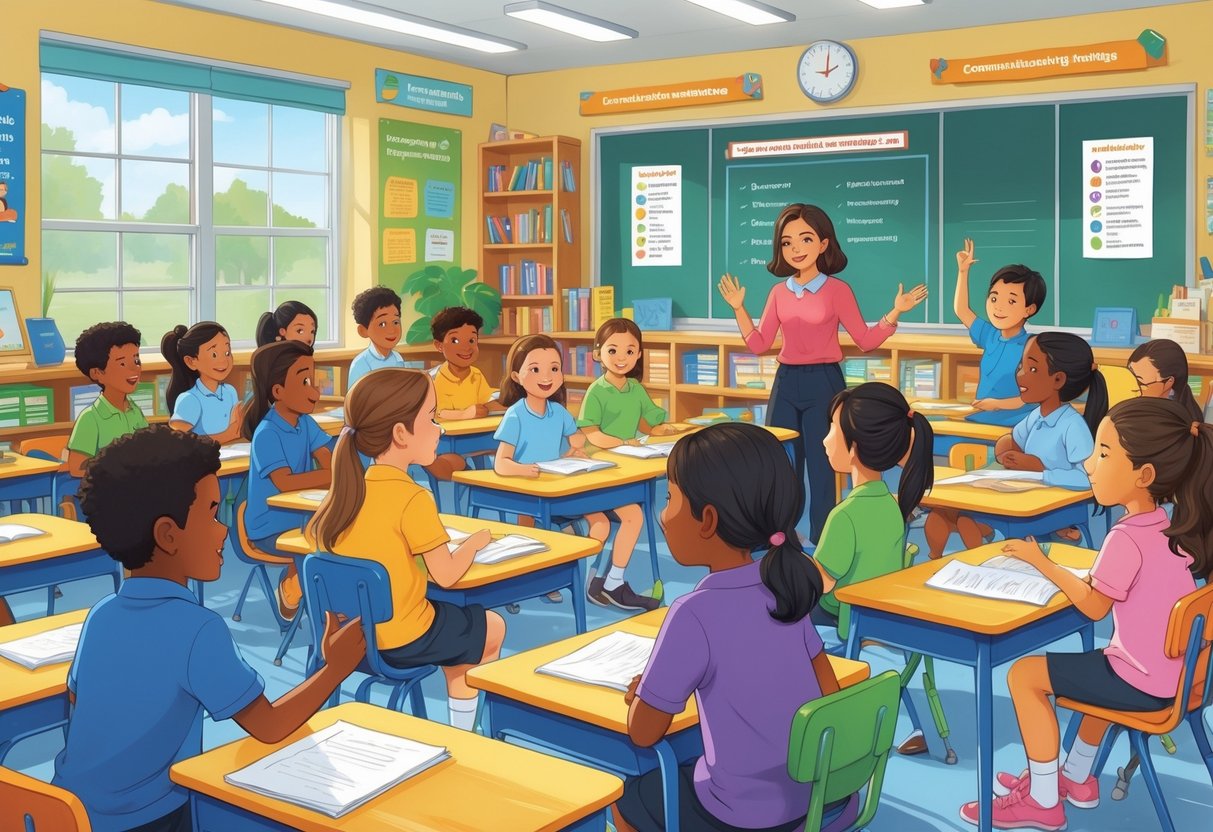
Teaching these communication skills takes direct instruction and plenty of practice. Students learn best when teachers show what good speaking and listening look like, use visual reminders, and set clear expectations from the start.
Modelling and Explicit Instruction
You need to show students how to speak and listen, not just expect them to know. Break each skill into small, clear steps that young children can follow.
When you teach turn-taking, act it out yourself first. Maybe partner with a teaching assistant or a confident pupil and show a conversation while the class watches. Point out things like facing your partner, waiting for a pause, and asking, “Are you done sharing?” before taking a turn.
For whole body listening, show what it means to listen with your eyes, ears, mouth, hands, and body. Sit still, make eye contact, keep quiet, and face the speaker. Then show what poor listening looks like so children spot the difference.
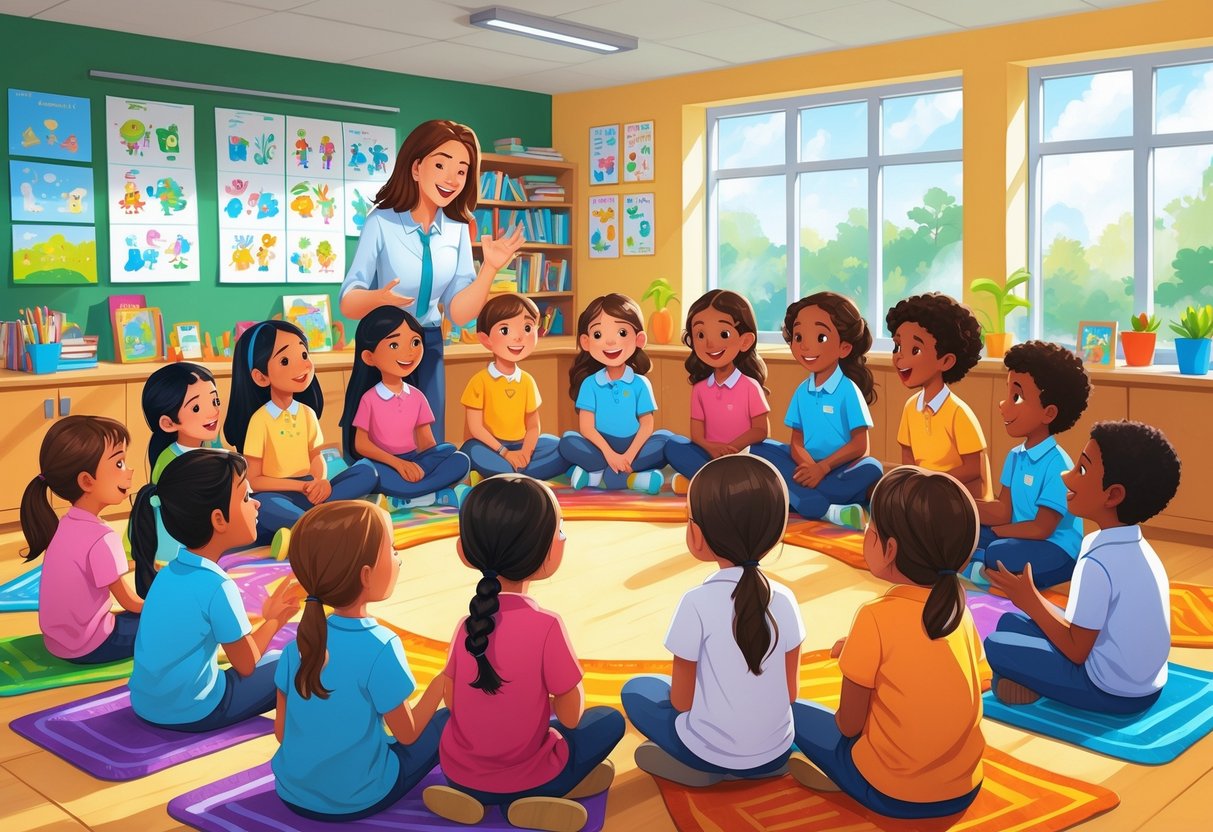
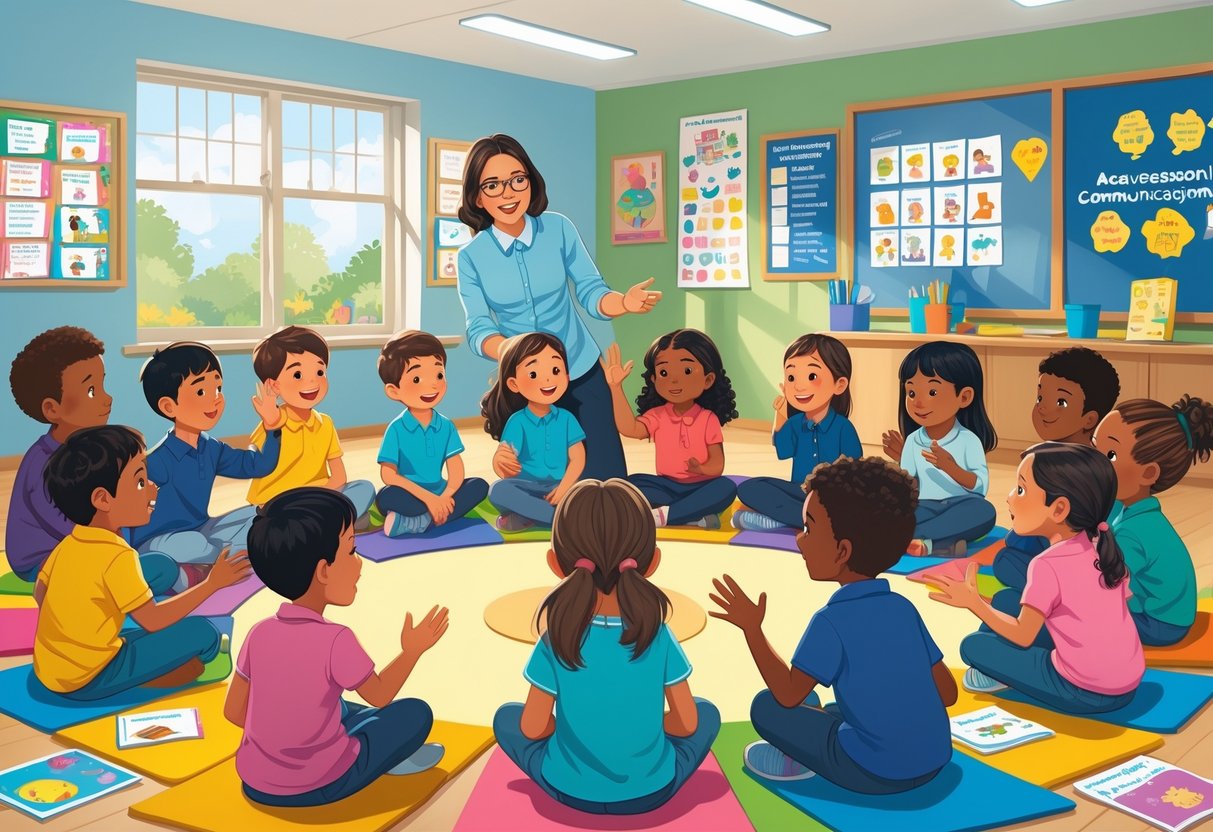
Practise new skills in morning meetings or circle time before using them in lessons. Role-play different situations and let students switch between being the speaker and the listener. This hands-on approach helps children really understand what’s expected.
Using Visual Supports and Sentence Stems
Visual reminders help students remember how to communicate during independent work. Make anchor charts with the key behaviours you want and keep them up in your classroom.
A simple partner talk chart might say:
Face your partner
Take turns talking
Listen without interrupting
Ask questions
Sentence stems help accountable talk by giving children the words they need to reply thoughtfully. Put up phrases like “I agree because…” or “I would like to add…” so students can look at them during discussions.
Start with one or two stems and add more as pupils get confident. You could focus on agreement phrases for a couple of weeks before adding ways to disagree politely. Some teachers write stems on lollipop sticks for students to hold while speaking—a handy reminder.
Setting Class Goals and Expectations
Setting goals together gives students a sense of ownership over their communication skills. Work with your class to pick which speaking and listening goals matter most, matching them to the year group.
Year 1 pupils might work on waiting their turn. Year 5 pupils could focus on building on others’ ideas with evidence. Write these goals together and put them where everyone can see. Check in on progress during class chats or one-to-one.
Set routines for different discussion types. Decide as a class where group discussions happen, how to signal when you want to speak, and what good listening looks like. Children stick to rules better when they help make them.
Engaging Listening Activities for Primary Pupils
Primary pupils build strong listening skills with games that need focus, activities where they follow directions step by step, and structured worksheets that make listening practice hands-on.
Active Listening Games
Listening games make learning these skills fun. Simon Says is a classic—children have to listen closely to catch whether “Simon says” is part of the command. You can play too, showing how you keep eye contact and quietly repeat instructions before acting.
The 20 Questions game suits older pupils. Pick a character from a book or an object from your topic. Pupils ask yes or no questions to figure out what you’re thinking. They have to listen carefully to each answer before asking the next question.
Musical Statues and Freeze Dance get pupils listening for the music to stop. These listening activities work well for younger children in Reception and Year 1 who need movement breaks.
Partner conversations let each child practise being both speaker and listener. After one pupil shares their ideas, their partner repeats back a main point.
Listening to Instructions
When pupils follow verbal directions, they learn to process information step by step.
Directed drawing activities ask children to listen to each instruction before adding it to their picture. If they miss a step, their drawing won’t look as expected.
You might say, “Draw a square in the middle of your page. Add a triangle on top for the roof.” Then, “Put a rectangle inside the square for a door.” Each part builds on the last.
Whole body listening gives younger pupils a straightforward framework. They discover that good listening means watching the speaker, focusing their ears, thinking about the message, keeping mouths closed, and sitting still.
Teaching this idea directly helps Reception and Key Stage 1 children recognise what listening looks like.
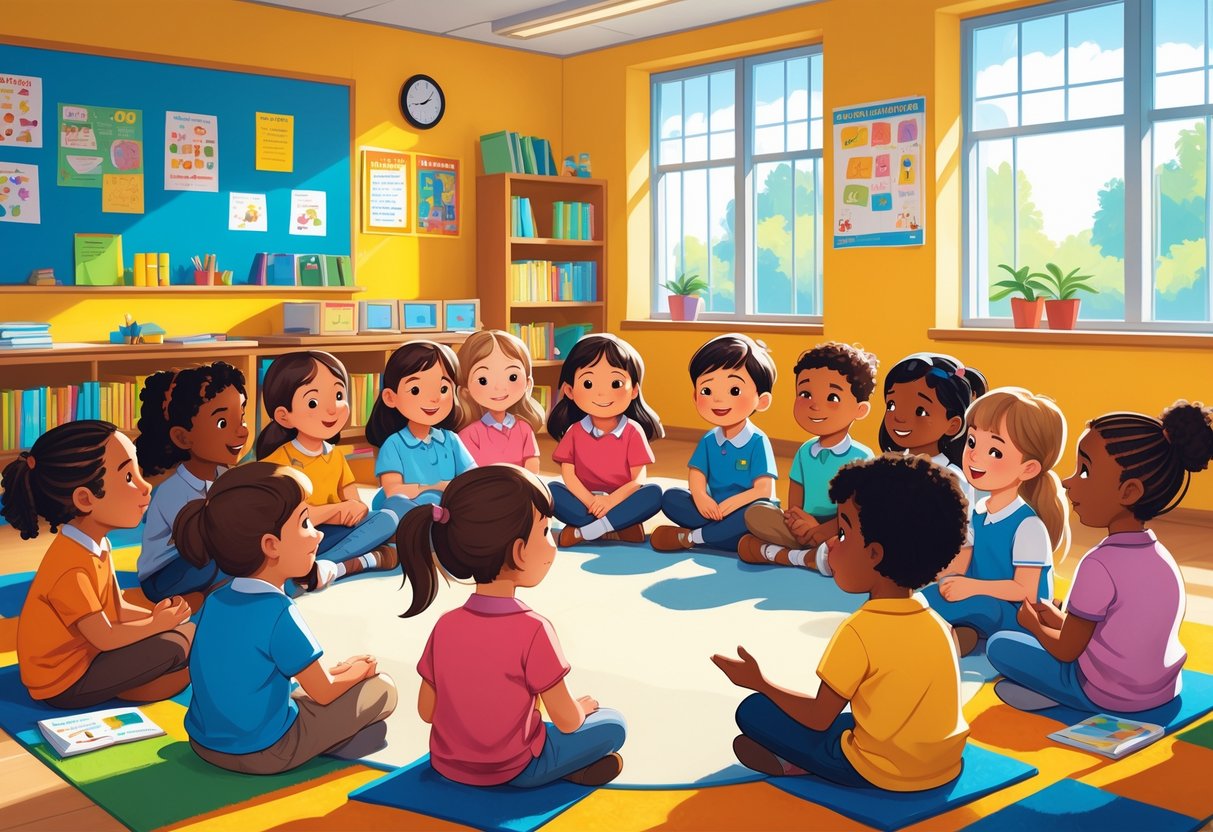
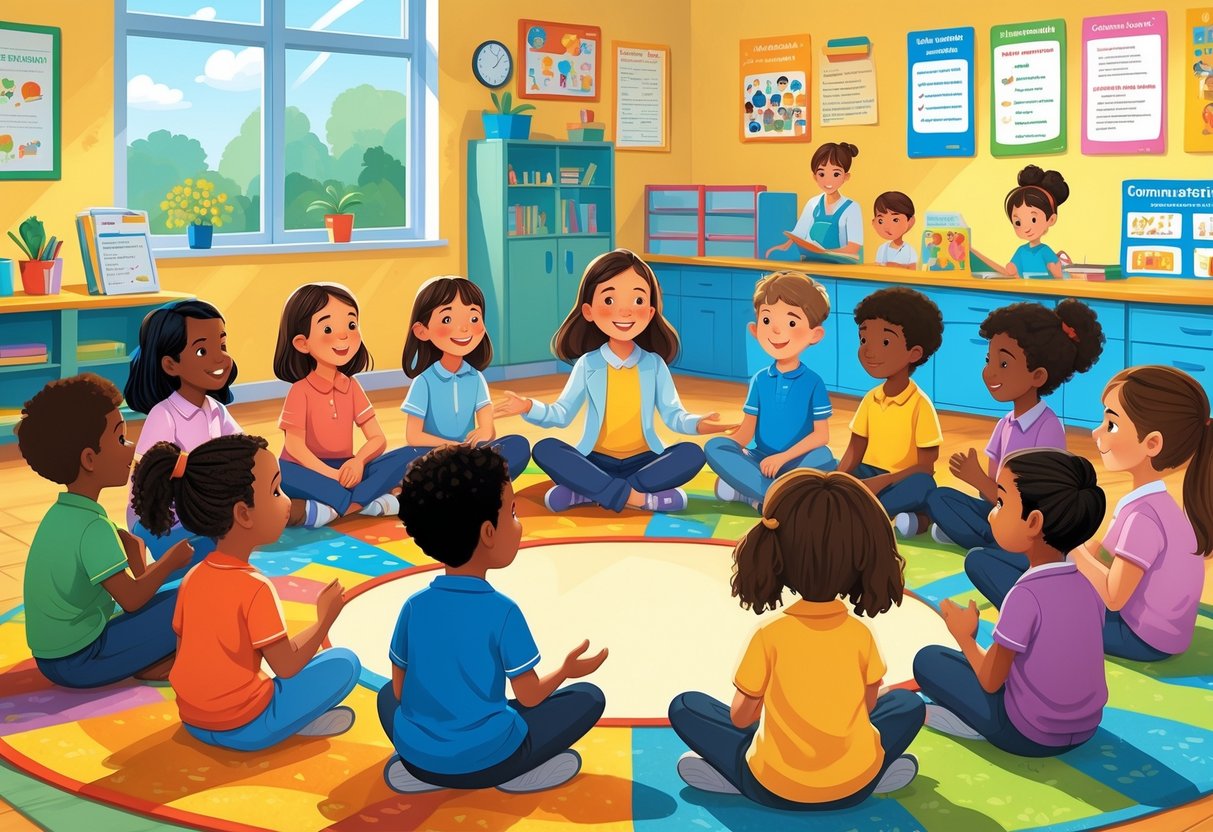
Morning meetings offer daily chances to practise. Pupils sit in a circle, share news or answer a question, and everyone listens to several speakers.
A talking stick helps children wait their turn and pay attention to others.
Using Worksheets and Mats
Listening mats give a visual aid that keeps hands busy while ears stay focused.
You read instructions aloud, and pupils complete tasks on their mat, like colouring objects, circling items, or drawing details in certain places.
A seasonal mat might have autumn leaves, acorns, and trees. You could say, “Colour the oak leaf brown” or “Draw three acorns in the basket.”
These worksheets suit Key Stage 1 because they blend listening with fine motor skills.
Worksheets with multi-step directions help Year 2 and Key Stage 2 pupils build working memory.
LearningMole offers curriculum-linked resources, including maths activities where children listen to word problems before solving them.
With worksheets, you can see straight away if pupils understood. If lots of children make the same mistake, you know which part to explain better.
Popular Speaking and Listening Games
Games make developing communication skills fun and keep children interested. These listening games let pupils practise following instructions and responding quickly.
Simon Says
Simon Says is a classic classroom game for building listening skills in Key Stage 1 and 2.
You give instructions, but children only act if you say “Simon says” first. If you miss those words, pupils stay still.
Children learn to listen closely before acting. They check for the key phrase before responding.
You can make it harder by speeding up or adding trickier moves.
Try combining actions, like “Simon says touch your toes and hop on one foot,” for older pupils.
Flashcards give quick, visual prompts for practising speaking and listening.
You can use picture flashcards to encourage description. Pupils describe what they see, and classmates guess the image.
This works especially well with Year 1 and 2 as they build vocabulary.
Make themed sets to match your topics. Animal flashcards can prompt habitat discussions, while weather cards encourage talk about seasons.
Use cards for turn-taking games, where a child describes the card without showing it.
This builds both speaking and listening skills.
You can also use flashcards for rhyme games. Show a picture and ask for rhyming words.
Children share answers with a partner, building phonological awareness and conversation skills in a relaxed setting.
Printable Worksheets and Visuals
Worksheets give structure to speaking and listening tasks.
Directed drawing worksheets work well, as pupils must listen before drawing.
You read out descriptions, and children draw what they hear, blending listening and visual skills.
Graphic organisers help pupils get ready for speaking.
A simple sheet with prompts like “What I think” and “My reasons” helps even shy speakers organise thoughts before sharing.
Anchor charts posted around the room remind children of good listening habits, like eyes on the speaker and paying attention.
These visuals really help during class discussions and group work.
Recommended Online Materials
Digital platforms give pupils interactive activities that build communication skills and keep them engaged. LearningMole has curriculum-aligned videos and materials. Teachers use these to introduce speaking and listening topics, especially for Key Stage 1 and Key Stage 2.
Many educational resources now include audio. Children listen to instructions or stories and then respond. These activities work well for independent practice or small group rotations. You can adjust them for different ability levels.
Find platforms with discussion prompts and collaborative activities. Interactive games where pupils must talk to solve problems help them develop both speaking confidence and listening skills.
Assessment and Support for Diverse Learners
Teachers need practical ways to see how pupils develop speaking and listening skills. Every child should get a chance to participate meaningfully. Adjusting activities and observing closely helps you support learners with different needs.
Observing and Tracking Progress
You can assess speaking and listening by watching pupils during partner work, group discussions or whole-class conversations. Notice behaviours like taking turns, making eye contact and responding to others’ ideas.
Create a simple checklist with key skills for your year group. Add items like “waits for their turn to speak,” “asks relevant questions” and “builds on what others say.” Keep it on a clipboard and tick off skills as you notice them.
Whole body listening works well for younger pupils. Watch if children face the speaker, keep their hands still, look at the person talking and think about the words. These signs show you if pupils are engaged.
Record short video clips of group work to review later. Sometimes you spot details you missed during the lesson. Some teachers use voice recording apps to listen back and check progress.
Adapting Activities for Various Needs
Not all pupils communicate the same way. You need to modify speaking and listening tasks for different learners. Try flexible grouping by pairing children who need help with strong peer models. Groups of three give quieter pupils a chance to observe first.
Visual supports can really help. Display anchor charts with conversation rules, sentence stems and discussion prompts where everyone can see them. Some pupils like picture cards showing active listening behaviours.
Give children options for how they join in. Some might need to move while they listen or speak if sitting still is tricky. Set up quiet spaces for small groups to practise without distractions.
Technology tools help too. Text-to-speech software supports pupils who find speaking tough. Recording devices let children practise their responses before sharing with the class.
Supporting Pupils with SEND
Pupils with special educational needs and disabilities often need specific adjustments to build speaking and listening skills. Start by figuring out each child’s challenges. Some struggle with processing language, others with expressing ideas or feeling anxious about speaking.
Use concrete objects during discussions. Give speakers a “talking stick” or special toy. Pupils with attention difficulties know whose turn it is and interruptions drop.
Break activities into smaller steps and give clear instructions. Don’t explain a whole discussion at once. Introduce one part at a time. Model each step using simple language and visuals.
Work with your SENCO and teaching assistants to create individual support plans. These might include pre-teaching key vocabulary, sentence frames or extra processing time. Some children need to rehearse what they’ll say with an adult before group work.
Platforms like LearningMole have accessible video resources. These reinforce speaking and listening concepts through visuals. TES also has activities with differentiated materials for different ability levels.
Linking Speaking and Listening to National Curriculum Standards
The National Curriculum puts speaking and listening at the centre of language development in all subjects. These skills form part of the statutory requirements that support reading, writing and cognitive development in primary education.
Overview of Key Standards
Speaking and listening standards focus on two main areas: Comprehension and Collaboration, and Presentation of Knowledge and Ideas. The standards ask children to join conversations with different partners, follow discussion rules and build on others’ contributions.
At Key Stage 1, pupils should listen carefully, ask relevant questions and stay focused when others speak. They need to speak clearly and use the right vocabulary for different situations.
By Key Stage 2, children should share their ideas with more confidence and take part in formal presentations and debates.
You need to map speaking and listening skills across year groups to help pupils progress. Start with basic turn-taking and eye contact in Reception. Move on to structured group discussions and presentations by Year 6.
Try a simple progression framework:
Years 1-2: Partner talk, whole-class sharing, basic listening Years 3-4: Small group discussions, asking questions, responding to others Years 5-6: Formal debates, presentations, sustained dialogue
Teachers often find that explicit instruction works best. Model good listening. Teach conversation prompts like “I agree because…” or “Can you explain…” and give regular practice. LearningMole has free videos that show effective speaking and listening techniques for different ages.
Plan activities that require real collaboration, not just turn-taking. Preparation matters. Give children time to jot down their ideas on sticky notes or planning sheets before group work.
Frequently Asked Questions
Primary teachers often ask how to make speaking and listening activities more effective in their classrooms. Here are some practical strategies for assessing progress, finding free resources and running engaging exercises for different age groups.
What are some engaging activities to enhance listening skills for primary school children?
Turn-taking activities with talk prompts give young learners practice in waiting their turn and focusing on others. Assign partners and ask them to answer simple questions like “What did you have for breakfast?” or “Would you rather travel to space or the ocean?”
A talking object during group discussions helps children stay engaged and makes turn-taking clear. The child holding the object speaks while others listen. When finished, they pass the object on.
Whole body listening games teach children to use their eyes, ears and body to show they are listening. These work well during carpet time. Model what good listening looks like through role-play.
Could you suggest some free resources for speaking and listening activities suitable for primary students?
Teachers Pay Teachers has free speaking and listening games you can download and use straight away. Many come with ready-made materials and clear instructions.
LearningMole provides curriculum-aligned videos and teaching materials for speaking and listening in Key Stage 1 and Key Stage 2. The site includes phonics resources and interactive content designed by former teachers.
How can teachers assess the improvement in listening skills through classroom activities?
Ask students to retell what their partners said during pair work. This shows if they truly listened and understood, not just waited for their turn.
Watch for active listening behaviours such as facing the speaker, making eye contact and staying quiet. Create a checklist with these skills and observe during group discussions.
Use accountable talk sentence stems to check understanding. When children respond with “I agree because…” or “I would like to add on…”, you know they listened and processed what was shared.
What listening activities are particularly effective for early years’ pupils?
Simple sound discrimination games develop listening skills in Reception and Year 1. Try “Simon Says” or ask them to identify classroom sounds with their eyes closed.
Morning meeting routines with talk prompts build listening stamina over time. Start with 30-second turns and increase as children grow more confident.
Can you recommend some interactive games that support both speaking and listening development?
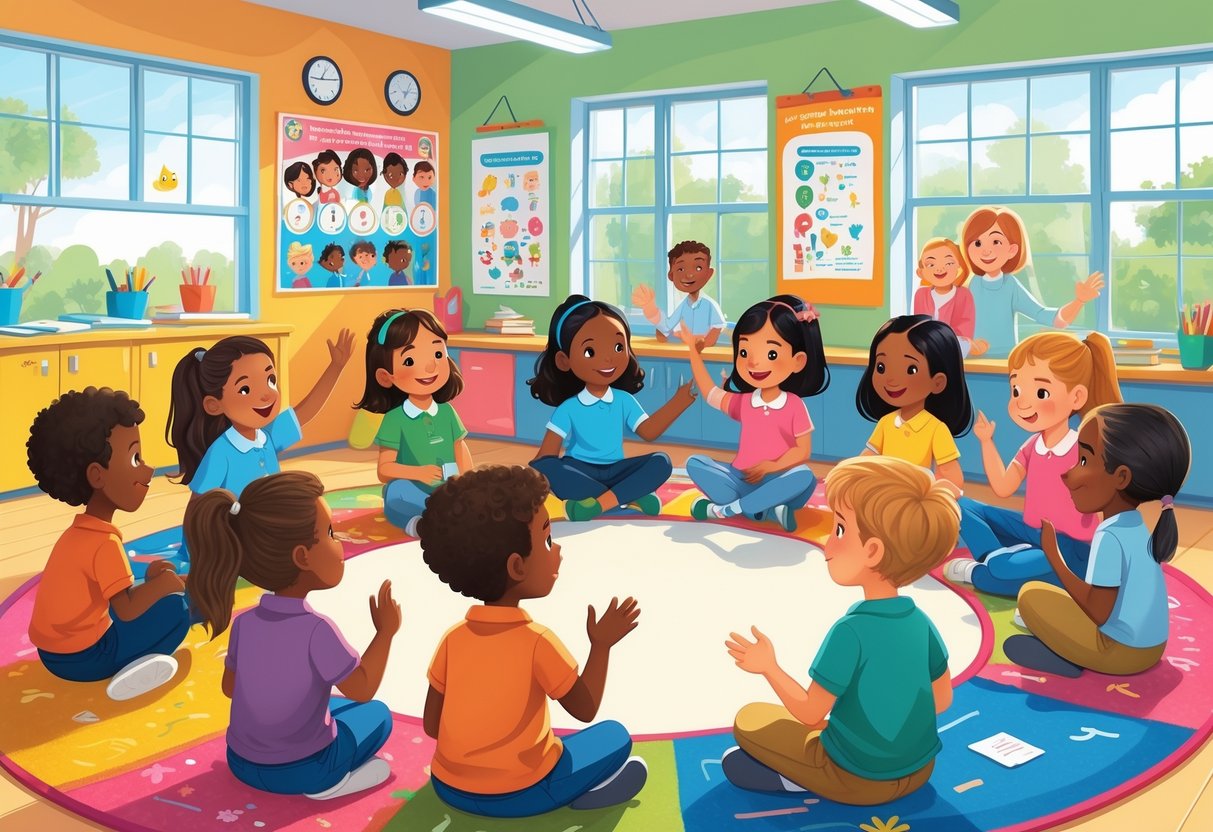
Partner A and Partner B activities teach children to take turns speaking while the other listens. One child shares, and their partner waits for a pause before asking “Are you done sharing?”
Small group discussions with sentence stems help children express their thoughts. Display prompts like “I think…” or “My idea is…” so children have language models.
What are some creative listening exercises that can be done with minimal resources?
Try using everyday classroom objects as talking pieces during circle time. You can grab a pencil, eraser or even a small toy, and it’ll work just as well as any fancy prop for taking turns.
Work together with your class to create anchor charts that show what good speakers and listeners actually do. Draw some quick pictures or snap photos of students showing the skills you want.
Get children to repeat back instructions you give. This simple exercise doesn’t need any materials, and you’ll quickly see if they understood before they get started.
Maths Circus, an innovative platform we've crafted, presents a captivating realm where children learn mathematics through the exciting theme of a circus. The joy of juggling numbers and solving circus...
The 9 times table multiplication has a reputation for being tricky, yet it holds more mathematical magic than any other table in the primary curriculum. Every answer follows two neat...
Article Summary What this article covers: Ten differences between river otters and sea otters, from size, fur and swimming style to diet, tool use and family life, plus which otter...
Article Summary What this article covers: The nine main types of natural disasters, how each one works and how they are measured, which hazards genuinely affect the UK, and how...




Leave a Reply