These school fundraising ideas mix learning with community involvement. Each method helps you build stronger relationships with parents and local supporters.
Read-a-thon Programmes
Read-a-thons encourage students to read while raising money for your school. Students ask family and friends to pledge money based on how many books or pages they read.
Michelle Connolly, founder of LearningMole, says, “A read-a-thon fundraiser fits well with curriculum goals and is easy to add to classroom time.”
Add themed reading challenges or invite authors to boost interest. Local bookshops often donate prizes for these events.
Create online pledge pages to make donating easier for families. This usually increases participation from busy parents.
Fun Run Events
Fun runs mix exercise with fundraising. Students collect sponsorships for each lap they complete at school or in a local park.
These events welcome all fitness levels. Students can walk, jog, or run to help reach your fundraising goal.
Essential Planning Steps:
Set your date early
Arrange first aid and safety marshals
Prepare colourful sponsorship forms
Plan refreshments for everyone
Organise number bibs and certificates
Plan for bad weather by having an indoor backup or flexible dates.
Schools often sell refreshments and merchandise during the event for extra funds. This helps build a lively community spirit.
Bake Sales for Schools
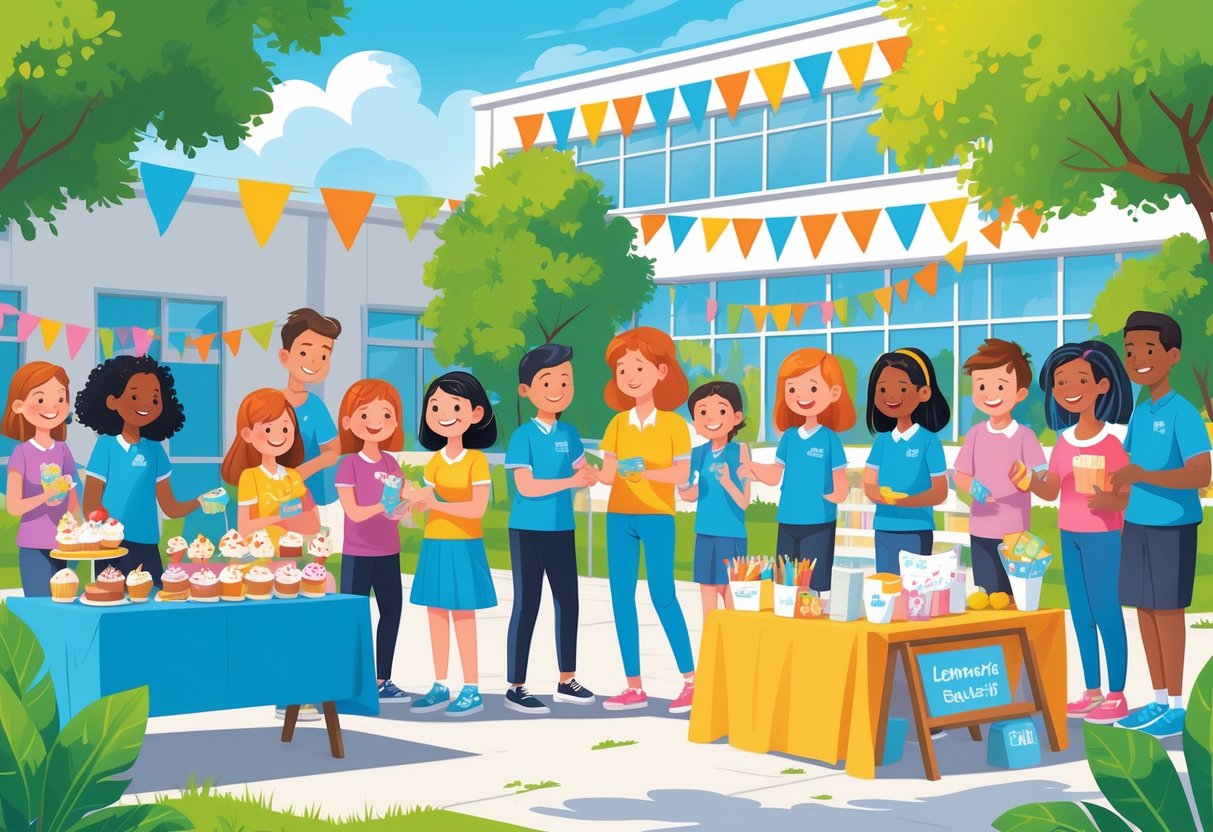
Bake sales are easy to organise and appeal to everyone. Parents bring homemade treats, and children enjoy buying them during breaks or after school.
Hold your bake sale during other school events to attract more buyers. Parent evenings, sports days, and fairs work well for this.
Maximising Bake Sale Success:
Ask for donations two weeks ahead
Give clear guidelines on sizes and prices
Offer sugar-free and allergy-friendly options
Set up attractive tables with labels
Keep plenty of change on hand
Add activities like face painting or craft stalls to make the event more fun. This encourages families to stay longer and spend more.
Try seasonal themes like Halloween cupcakes or Easter biscuits for extra excitement.
Silent and Live Auctions
Auctions can raise a lot of money while highlighting local business support and parent talents. Silent auctions run over several days, while live auctions create excitement at events.
You need appealing donated items or services for a successful auction. Local businesses often give vouchers, and parents may offer skills like gardening or tutoring.
Building Your Auction Portfolio:
Ask local restaurants for meal vouchers
Invite parents to donate professional services
Request artwork or crafts from each class
Seek tickets from local sports or theatre venues
Display silent auction items in busy areas like the entrance or playground.
Hire a confident auctioneer for live auctions and pick high-value items. Professional auctioneers can boost bidding and final prices.
Choosing the Right Fundraiser
Match your event to your community’s interests and your school’s needs. Understand your students, set clear targets, and encourage strong family participation.
Assessing Your School’s Needs
Before picking a fundraiser, decide what your school needs and how much money you want to raise. Different goals need different approaches.
Primary funding categories include:
Equipment and resources (playgrounds, sports kit, technology)
Educational trips and experiences
Building improvements or repairs
Extra-curricular activities and clubs
Emergency funds for unexpected costs
Think about your timeline. A bake sale can raise £200-500 quickly, while a sponsored event might bring in £2,000+ but needs more planning.
Michelle Connolly says, “The best fundraisers match what the community wants to support, like new books or outdoor spaces.”
Resource assessment checklist:
Available volunteers and their time
School facilities (hall, playground, kitchen)
Storage space for materials
Technology for online fundraising
Setting Fundraising Goals
Set clear, achievable targets that motivate your team. Your fundraising goals should match your needs and your community’s ability to give.
Goal-setting framework:
Fundraiser Type
Typical Range
Planning Time
Volunteer Hours
Bake sale
£150-400
1-2 weeks
8-12 hours
Quiz night
£500-1,200
3-4 weeks
15-20 hours
Sponsored walk
£1,000-3,000
4-6 weeks
25-30 hours
Summer fair
£2,000-5,000
8-12 weeks
50+ hours
Break big targets into smaller milestones. If you need £3,000, celebrate when you reach £1,000 and £2,000.
Count all costs, like materials, venue hire, insurance, and volunteer expenses. A £1,000 total might only leave £700 after expenses.
Set both financial and participation goals. Getting 80% of families to give small amounts often works better than asking a few for large donations.
Student and Parent Engagement
Participation drives fundraising more than the event itself. Choose activities that excite your community and fit their schedules.
Student engagement strategies:
Involve pupils in planning for age-appropriate input
Create friendly competitions between classes or year groups
Offer prizes and recognition for joining in, not just for donations
Pick themes that link to school topics or values
Parent participation factors:
Time commitment – busy families need flexible options
Skill matching – use parents’ expertise
Communication preferences – some like emails, others prefer WhatsApp
Financial capacity – offer ways to help beyond giving money
Think about your community demographics. Rural schools might do well with harvest festivals, while urban schools could run online campaigns or cultural events.
Quick engagement boosters:
Send updates showing progress
Share photos and stories from past events
Give clear volunteer roles and time needs
Set up social media groups for easy planning
Start recruiting early and ask for specific help. For example, say, “Can you run the tombola stall from 2-3pm?” instead of “We need volunteers.”
Unique and Creative Fundraisers
Creative fundraising ideas turn ordinary events into memorable experiences. These approaches make fundraising fun for students, families, and staff.
Themed Dress-Up Days
Themed dress-up fundraisers are simple and effective. Students pay a small fee to dress up according to a theme or break uniform rules.
Popular theme options include:
Superhero Day
Decades (1960s, 1980s, etc.)
Career Day
Favourite book character
Colour-themed days
Michelle Connolly explains that themed days offer learning opportunities. Students research their theme and practice presentation skills.
Charge 50p to £2 per student. Even small fees can raise £200-£500 for primary schools.
Implementation tips:
Remind parents three days before
Have spare costumes for forgetful students
Take photos for school social media
Link themes to curriculum topics
Try running themed days monthly for steady income and ongoing excitement.
Art and Craft Fairs
School art auctions and craft fairs highlight student creativity and raise funds. These events celebrate learning and bring the community together.
Each class can make a collaborative piece for auction. Sell individual student artwork at affordable prices so all families can join in.
Pricing strategies:
Small pieces: £5-£15
Class projects: £25-£75
Professional framing increases value
Offer payment plans for higher prices
Run workshops where parents and children make crafts together. This encourages families to stay longer and increases sales.
Set up stations for pottery, painting, or crafts. Materials are cheap, and people often buy extra supplies or finished items.
DIY Carnivals
You can turn your playground into a carnival for a big fundraising event. These require more planning but can bring in a lot through different stalls and games.
Michelle Connolly notes that organising a carnival helps students develop teamwork and project management skills.
Make carnival games from recycled materials and craft supplies. Students can help build stalls during lessons, combining learning with preparation.
Revenue example:
20 game stalls at £1 per go
200 families attending
Average spend £8 per family
Total: £1,600
Price games at £1-£3. Offer small sweets or stickers as prizes.
Product-Based Fundraising Approaches
Product sales give schools a steady income with little upfront cost. These campaigns involve families and offer useful merchandise that supporters want to buy.
Candle and Homeware Sales
Candles and homeware items remain popular choices for school fundraising because they appeal to a wide audience.
Parents, grandparents, and community members often buy these products for their homes or as gifts.
Michelle Connolly, founder of LearningMole with 16 years of classroom experience, says, “Product-based fundraisers work well when schools choose items that families genuinely need.”
She adds, “Quality homeware brings back repeat customers who look forward to your annual campaigns.”
Most product-based fundraisers offer profit margins between 40-50% on homeware items.
Schools receive catalogues with seasonal collections, kitchen accessories, and decorative items.
Popular homeware categories include:
Scented candles and wax melts
Kitchen gadgets and storage solutions
Seasonal decorations
Bath and beauty products
Homeware sales have year-round appeal.
Unlike seasonal items, candles and kitchen products sell consistently throughout the year.
Cookie Dough Campaigns
Cookie dough fundraising ranks among the most successful school fundraiser options.
Families like receiving ready-to-bake products that save time and offer homemade results.
Cookie dough fundraisers usually feature brands like Otis Spunkmeyer, which are trans-fat free and kosher certified.
Schools do not need to invest upfront for these campaigns.
Campaign benefits include:
High participation rates – families often purchase frozen dough
Premium pricing – quality products can be sold at higher prices
Easy storage – frozen products last longer
Gift appeal – dough tubs make great presents
Schools earn 40-50% profit margins on cookie dough sales.
Sellers pre-pack the orders, which makes distribution easier.
Because these products are frozen, schools must coordinate delivery times.
They also need enough freezer space or a plan to distribute orders quickly.
Chocolate and Sweet Sales
Chocolate fundraising attracts buyers right away, especially younger students who enjoy selling.
These products offer instant gratification compared to catalogue sales.
Sweet sales work well at school events, parent evenings, and sports matches.
Students can carry sweets easily and sell them on the spot.
Effective chocolate fundraising strategies:
Product-in-hand sales – children see immediate results from their efforts
Event-based selling – reach audiences already at school functions
Seasonal timing – match sales with holidays and celebrations
Prize incentives – encourage students with rewards
Popular options include chocolate bars, lollipops, and novelty sweets like Smencils (scented pencils).
These items usually generate 40-60% profit margins for schools.
Schools need to manage inventory carefully.
Unsold products mean direct losses, so accurate demand forecasting is important.
Online Fundraising for Schools
Digital platforms help schools reach supporters beyond their local community.
Social media spreads your message and engages parents, alumni, and local businesses.
Crowdfunding Platforms
Modern fundraising platforms remove much of the administrative work from traditional school fundraising.
You can set up campaigns quickly and track donations in real-time.
Popular platforms for schools include:
CauseVox – specialises in peer-to-peer campaigns
JustGiving – widely recognised in the UK
GoFundMe – user-friendly for one-off projects
FutureFund – designed specifically for schools
These platforms usually charge 2-5% per transaction.
They also provide donation tracking, automated thank-you messages, and mobile-friendly payment options.
Michelle Connolly, founder of LearningMole, says, “Digital fundraising removes barriers that often stop busy parents from taking part.”
She adds, “When families can donate quickly from their phones, participation rates go up.”
Set clear, specific goals for each campaign.
For example, instead of “raising money for the school,” use “£5,000 for new playground equipment by Christmas.”
Add photos and updates to keep supporters interested.
Digital Raffles and Auctions
Online raffles bring the fun of traditional prize draws to a digital format.
You can sell tickets through your school website or social media.
Key advantages of digital raffles:
No physical ticket handling
Automatic entry confirmation emails
Easy prize fulfilment tracking
Wider reach beyond school gates
For auctions, hold virtual events where parents bid on experiences like “head teacher for a day” or “front-of-the-queue privileges.”
Local businesses often donate services, which makes procurement easier.
Use countdown timers and live updates to create urgency.
Share updates about ticket sales and introduce prizes with clear descriptions.
Popular prize categories:
Family experiences (theme park tickets, restaurant vouchers)
Facebook, Instagram, and WhatsApp groups help spread your online fundraising efforts to wider networks.
When parents share your campaigns with their contacts, new supporters often join in.
Create shareable content with photos or videos.
Show before-and-after pictures of classroom improvements or videos of children explaining what they need.
Effective social media strategies:
Facebook Events for fundraising milestones and virtual activities
Instagram Stories with donation stickers and progress updates
WhatsApp groups for quick updates to parent networks
Twitter for reaching local businesses and community groups
Schedule updates throughout your campaign.
Share donor thank-yous, goal progress, and behind-the-scenes content showing how funds will be used.
Ask your school community to use consistent hashtags.
This creates a searchable thread of support for new donors.
Set up automated posts during peak times, usually 7-9pm for parents.
Remember, each platform works best for different groups in your school.
Sports and Fitness Fundraising Events
Physical activity fundraisers combine health benefits with fundraising.
These events encourage community participation and build school spirit through sponsored walks, competitive challenges, and dance activities.
Sponsored Walks
Sponsored walks are one of the simplest sports fundraising ideas for schools.
You can organise these events on school grounds or in local parks with little equipment.
Set up your fun run by measuring a course and marking distances every 100 metres.
This helps participants track their progress and sponsors calculate pledges.
Michelle Connolly, founder of LearningMole, says, “Sponsored walks work well because every child can join in, no matter their fitness level. They build confidence and raise important funds.”
Create pledge sheets with:
Participant’s name and class
Sponsor contact details
Amount pledged per lap or distance
Collection deadline
Registration Process:
Send forms home two weeks before the event
Set a minimum sponsorship target
Collect completed forms three days prior
Prepare participant numbers and route maps
Encourage families to find sponsors among relatives, neighbours, and local businesses.
Many companies support school fundraising, especially when children make personal requests.
Add themed elements to boost participation.
Try fancy dress walks, glow-in-the-dark events, or historical costume themes for extra excitement and photo opportunities.
Sports Day Challenges
Turn your annual sports day into a fundraising event by adding sponsored activities.
Parents and community members can sponsor teams, individual performances, or specific events.
Create sponsorship packages for different budgets:
Package Level
Cost
Benefits
Bronze
£25
Team name mention
Silver
£50
Banner display rights
Gold
£100
Prize presentation opportunity
Event Sponsorship Ideas:
Sponsor a race (£20-£40 per event)
Team kit sponsorship (£60-£100 per house)
Equipment rental (£30-£80 total)
Refreshment station support (£40-£60)
Add penalty challenges where teachers or the headteacher take part in fun activities if targets are met.
Popular options include sitting in stocks, hair dyeing, or wearing costumes during prize ceremonies.
Set up a donations station for spectators to contribute on the day.
Offer mobile payment options to make giving easier.
Involve older pupils as event marshals or scorekeepers.
This reduces staff workload and gives students leadership experience.
Take photos and videos during the event.
Use these to promote future events and thank sponsors through newsletters and social media.
Dance Marathons
Dance marathons energise your school community and raise funds through entry fees and sponsorships.
These events work well for secondary schools and suit all skill levels.
Planning Your Dance Marathon:
Book your school hall for 3-4 hours
Create age-appropriate playlists
Arrange for a DJ or music system
Set entry fees (£5-£10 per participant)
Organise refreshments and water stations
Michelle Connolly observes, “Dance events create an inclusive atmosphere where shy pupils often join in. The energy is infectious.”
Structure your event with themed segments to keep everyone interested.
Include different music genres, decade themes, or cultural dance styles.
Safety Considerations:
Give water breaks every 20 minutes
Watch for signs of exhaustion
Have first aid personnel available
Provide quiet rest areas for children who need them
Add competitions like dance-offs or freeze dance contests.
Small prizes encourage participation without pressure.
Revenue Streams:
Entry fees: £5-£15 per person
Refreshment sales: £2-£5 per item
Photo booth activities: £3 per session
Dance lesson mini-sessions: £8-£12 each
Ask families to sponsor their children per hour of dancing.
This adds extra income and motivates students to keep going.
Engaging Local Businesses and Sponsors
Local businesses offer strong support for school fundraising through donations, event partnerships, and matching programmes.
These collaborations build community ties and boost your fundraising potential.
Securing Donations and Sponsorships
Start by identifying businesses that share your school’s values and have a strong local presence.
Partnering with local businesses creates relationships that last beyond a single event.
Create a clear proposal that explains the benefits for sponsors.
Include details about logo placement, social media recognition, and newsletter mentions.
Key elements of a successful sponsorship request:
Clear explanation of your fundraising goal
Specific sponsorship levels (£50, £100, £250)
Marketing benefits for the sponsor
Timeline for the event or campaign
Michelle Connolly says, “The most successful school partnerships happen when businesses see genuine community value in supporting local education.
Offer partnership tiers for different budgets.
Bronze sponsors might give £25-50, while gold sponsors could contribute £200 or more and volunteer time.
Follow up with thank-you letters and impact reports showing how their support helped.
Restaurant Fundraiser Nights
Partner with local restaurants to host fundraising evenings where a portion of sales goes to your school.
These events require little organisation and generate steady income.
Contact family-friendly restaurants and propose a fundraising night.
Most restaurants offer 10-20% of total sales as donations.
Steps to organise restaurant fundraiser nights:
Choose restaurants popular with families
Agree on percentage splits (usually 15%)
Set specific dates and times
Create flyers for families
Promote through school newsletters and social media
Book these events early, as popular restaurants may have waiting lists.
Consider scheduling several restaurant nights during the year to increase participation.
Encourage families to invite extended family and friends.
Give the restaurant estimated numbers to help them prepare.
Matching Gift Programmes
Many employers run matching gift programmes that double employee donations to educational causes. This doubles your fundraising income without extra effort from your school community.
Research which parents work for companies with matching gift schemes. Large corporations, banks, and professional services firms often offer these programmes.
Common matching gift providers:
Major banks (Barclays, HSBC, Lloyds)
Technology companies
Insurance firms
Professional services organisations
Create a simple guide for parents to help them access their employer’s matching programme. Include step-by-step instructions and common application deadlines.
Send regular reminders about matching gifts, as many parents forget about this opportunity. Add a dedicated section in your fundraising communications to highlight this easy way to double contributions.
Some programmes set minimum donation thresholds or annual limits. Provide clear information about these requirements to help parents maximise their impact.
Dance marathons create excitement. Gaming tournaments attract students with modern interests and boost participation.
Leadership Programmes
Leadership-focused fundraisers teach valuable skills and raise money for your school. Students develop project management abilities by organising events and managing budgets.
Student Council Elections offer excellent fundraising opportunities. Candidates pay entry fees, and donations from voting add extra revenue.
Michelle Connolly, an expert in educational technology, explains, “Leadership fundraisers give students authentic responsibility whilst building essential life skills they’ll use beyond school.”
Student advisory boards with monthly meetings and small entry fees
Peer tutoring schemes where students pay for academic support
Community service teams for sponsored volunteer hours
Ambassador programmes where students represent the school at paid events
Leadership fundraisers can generate £500-£2,000 depending on participation. Combining them with school carnival events that showcase student achievements works especially well.
Student-Led Events
Student-organised events create genuine excitement. Pupils plan activities they actually want to attend, while you provide guidance.
Fashion shows remain popular fundraising options. Students model donated clothes or design their own outfits, and ticket sales plus vendor fees create multiple revenue streams.
Talent competitions showcase abilities from singing to comedy. Entry fees for performers and audience tickets generate funds. Students handle auditions, staging, and promotion.
Film nights require little setup but high student involvement. Pupils vote on movies, organise seating, and sell refreshments. Outdoor screenings work well in warmer months.
Students learn event management, budgeting, and marketing through hands-on experience.
Gaming and Esports Fundraisers
Gaming tournaments raise significant funds and appeal to students’ interests. Esports events attract participants who may not join traditional fundraising activities.
Video game tournaments work well for popular titles like FIFA, Fortnite, or League of Legends. Entry fees serve as the main revenue source, and spectator tickets add extra income.
Retro arcade nights attract a broad audience, including parents and teachers. Hire or borrow classic gaming consoles and charge hourly playing fees. Food sales further boost profits.
Charity gaming marathons invite students to play games for extended periods and seek sponsorship. Streaming platforms allow remote donations from family and friends.
Successful gaming fundraisers often include:
Registration fees: £5-£15 per participant
Team entry costs: £20-£40 for group tournaments
Spectator tickets: £3-£8 for viewing access
Refreshment sales: Additional profit margins
These modern school fundraising ideas often surprise adults with their effectiveness. Gaming events frequently raise £600-£1,200 per tournament and engage students who avoid traditional fundraising.
Pro tip: Partner with local gaming shops for prize donations and promotional support. They may provide equipment loans in exchange for advertising.
Fundraising for Primary and Early Years
Younger children bring natural enthusiasm to school fundraising events. Read-a-thons and active challenges work especially well.
Simple, engaging activities succeed when paired with clear goals that children can understand and celebrate.
Reading Challenges
Reading challenges build on children’s love of stories while raising funds. A read-a-thon encourages pupils to collect sponsorship for books they read over several weeks.
Michelle Connolly, founder of LearningMole, says, “Reading challenges work brilliantly with younger children because they combine learning with fundraising in a way that feels like play rather than work.
Set up your challenge with simple tracking sheets. Children record each book they complete, either independently or with family support.
Age-Appropriate Targets:
Reception/Year 1: 5-10 picture books
Year 2/3: 3-5 chapter books
Year 4-6: 2-3 longer novels
Create excitement with daily updates on class totals. Display a giant thermometer to show progress towards your school’s reading goal.
Try hybrid approaches where children earn points for minutes read instead of books completed. This includes all reading levels fairly.
Mini sports days generate enthusiasm and keep activities manageable for younger pupils. Focus on participation rather than competition to ensure every child feels included.
Organise age-appropriate activities lasting 10-15 minutes each. This prevents fatigue and keeps excitement high.
Popular Activities Include:
Bean bag throwing
Egg and spoon races
Three-legged walking (not running)
Obstacle courses with tunnels
Parachute games
Charge entry fees per family, not per child. This encourages whole family attendance and simplifies administration.
Set up stalls alongside sporting activities. Face painting, refreshments, and small games create extra revenue streams.
Prepare weather backup plans. Indoor alternatives could include dancing competitions or seated games in the school hall.
Offer morning and afternoon sessions for different age groups. Reception and Year 1 children often do best earlier in the day.
Give participation certificates to every child. This ensures positive memories for all.
Creative Dress-Up Events
Dress-up events let children’s imagination shine while raising funds through entry donations. Choose broad themes for creative interpretation.
Set a suggested donation amount instead of a fixed entry fee. This keeps events accessible for all families.
Organise a parade so each class can show off costumes. This builds excitement and ensures every child feels celebrated.
Create photo opportunities with a special backdrop for family pictures. This increases engagement.
Avoid themes that require expensive costumes. Emphasise creativity over cost in all parent communications.
Offer simple costume-making workshops before the event. This supports families and builds community.
Use multiple prize categories to recognise many children. Try awards for most creative, funniest, most colourful, and best use of recycled materials.
Making Your Fundraiser a Success
Strong promotion and well-planned rewards help your school fundraising effort succeed. Reach the right people with clear messages and motivate participants with meaningful incentives.
Promotional Strategies
Promote your school fundraising event at least three weeks before launch. Send information home with pupils, post updates on your school website, and use social media.
Create eye-catching flyers that clearly explain your fundraising goal. Tell people the specific amount you need and what the money will buy. Parents respond better when they know their £5 donation will help purchase new reading books.
Michelle Connolly, founder of LearningMole, says, “Clear communication about fundraising goals helps families understand exactly how their contributions make a difference.”
Use multiple communication channels to reach all families. Combine digital messages with paper notices, and ask class teachers to mention the fundraiser during pickup times.
Set up a simple tracking system to show progress towards your goal. Display a visual thermometer or chart in the school entrance to build excitement as donations increase.
Incentives and Rewards
Design a reward system that motivates pupils without pressure. Focus on participation so all children feel included.
Offer small prizes for different levels of involvement. Stickers for younger children, extra playtime for middle years, or non-uniform days for older pupils work well. These successful school fundraising rewards cost little but create excitement.
Create team-based rewards to encourage collaboration. When Year 4 reaches their target, they could earn a special assembly or choose the next playground game.
Effective reward ideas include:
Certificate of appreciation for all participants
Special badge or sticker for reaching milestones
Class pizza party for top participating form
Head teacher’s special mention in assembly
Avoid expensive prizes that reduce your fundraising total. The most memorable rewards often cost nothing but time and recognition.
Financial Management and Reporting
Effective fundraising needs careful money management and clear communication about results. Smart budgeting helps you spend less and raise more, while transparent reporting builds trust with donors and school leadership.
Budgeting for School Fundraisers
Create a detailed budget before your fundraiser starts to prevent overspending and maximise profit. Track every penny coming in and going out.
Examine past fundraising budgets to see what worked and what didn’t. Review previous similar events and note where you overspent or underestimated costs.
Essential budget categories include:
Venue hire and equipment rental
Marketing materials and printing
Staff time and volunteer expenses
Insurance and permits
Payment processing fees
Michelle Connolly, founder of LearningMole, explains, “Schools often forget to budget for hidden costs like volunteer refreshments or emergency supplies. These small expenses can quickly add up and eat into your profits.”
Assign specific people to manage different parts of your budget. Ask your PTA treasurer or a dedicated finance volunteer to track all expenses and income throughout the campaign.
Tracking and Sharing Results
Track your fundraiser’s progress so you can adjust quickly and show supporters how close you are to your goal. Share regular updates to encourage more people to participate.
Use a simple tracking spreadsheet or fundraising software to record donations as they arrive. Update your totals daily during active campaigns to keep up the momentum.
Key metrics to track include:
Total amount raised
Number of donors
Average donation size
Expenses versus revenue
Participation rates by year group
Display a fundraising thermometer on your website and around school. This visual reminder motivates students and parents to contribute.
After your school fundraiser ends, prepare a clear financial report within two weeks. List the total raised, major expenses, and net profit for the school.
Share results through school newsletters, parent emails, and notice boards. Thank donors publicly while respecting any requests for anonymity.
Send a brief survey to participants asking what worked well and what could improve. Use this feedback to improve your next fundraising campaign.
Evaluating and Improving Fundraising Efforts
Gather honest feedback from all participants and use data to plan better events. This helps build stronger school fundraising programs with consistent results.
How to Gather Feedback
Start collecting feedback within two weeks of finishing your fundraiser while details are still fresh. Prompt evaluation lets you capture both successes and challenges accurately.
Begin with essential data points:
Did you meet your fundraising goal?
How much did you exceed or fall short?
Number of products sold compared to last year
Student participation rates
Create anonymous feedback forms for volunteers, parents, and students. Ask specific questions about communication, logistics, and product appeal instead of general satisfaction ratings.
Michelle Connolly, founder of LearningMole, says, “The most valuable feedback often comes from those who struggled during the process—they highlight exactly where your systems need improvement.”
Hold a debrief meeting with key volunteers over lunch or coffee. Give everyone who contributed a chance to share their experiences honestly.
Key feedback areas to explore:
Communication clarity – Were instructions easy to follow?
Timeline pressure – Did deadlines feel realistic?
Product appeal – What did students and families think?
Support systems – Where did volunteers need more help?
Combine quantitative data and personal stories to get a complete picture of your fundraiser’s performance.
Planning for Future Events
Turn your feedback into concrete improvements for next year’s fundraising efforts. Set aside time right after your evaluation to document specific changes while insights are fresh.
Create a planning timeline:
September: Review last year’s data and feedback
October: Select fundraising approach based on lessons learned
November: Begin early preparation with improved systems
December: Launch with refined communication strategies
Ask what you want to maintain or change for each challenge you identified.
Priority improvement areas:
Challenge
Solution Strategy
Low participation
Earlier communication, clearer incentives
Volunteer burnout
Delegate tasks, create simple systems
Product delivery issues
Choose more reliable suppliers
Weak community engagement
Stronger mission messaging
Set realistic goals based on your performance trends. For example, if you raised £2,000 this year, aim for £2,200 next year instead of £4,000.
Write down successful strategies in detail so new volunteers can use them. Include timing, communication templates, and logistics that worked well.
Build stronger relationships with local businesses and community groups throughout the year. This creates ongoing support for your school fundraising initiatives.
Frequently Asked Questions
School fundraising can feel overwhelming with so many options and considerations. Common questions focus on effective strategies, creative event ideas, age-appropriate activities, and partnerships that help you succeed.
What are some effective ways to raise funds for schools?
The most successful school fundraising efforts use multiple strategies to engage your whole school community. Popular fundraising methods include seasonal events, product sales, and activity-based campaigns that students enjoy.
Start with simple, low-cost events like dress-up days or talent shows. These require little preparation but can raise significant funds when promoted well.
Product fundraisers work well because families receive something tangible in return. Partner with companies that offer gourmet foods, books, or educational materials.
Michelle Connolly, founder of LearningMole, says, “Fundraisers that bring the whole community together and serve a clear purpose work best. Children feel more motivated when they know what their efforts will achieve.”
Online fundraising campaigns can boost your traditional events. Create digital pages so extended family and friends can contribute even if they can’t attend in person.
Could you suggest creative fundraising activities for high school clubs?
High school students enjoy competitive and social fundraising activities that let them express themselves. Talent shows, battle of the bands, or themed dance nights can draw large crowds and raise substantial funds.
Host gaming tournaments or e-sports competitions to tap into students’ interests. These events require low overhead costs.
Service-based fundraising works well for high schoolers. Students can offer car washing, garden maintenance, or technology support to community members.
Food-related events are always popular. Organise cooking competitions, international food festivals, or specialty coffee mornings that highlight your school’s cultures.
Auction events where students donate their skills or time can attract competitive bidding. Items like tutoring sessions, music lessons, or artwork work well.
How can elementary schools organise successful fundraising events?
Elementary fundraising works best when events feel like celebrations. Seasonal activities such as harvest festivals, Christmas fairs, or spring plant sales bring families together.
Participation-based fundraisers suit younger children. Pyjama days, silly hat competitions, or book character dress-up days are easy to organise and encourage engagement.
Read-a-thons combine learning with fundraising. Children collect pledges based on books read or pages completed, supporting literacy and raising money.
Craft fairs let children create and sell handmade items, giving them ownership of the fundraising process. Parents often buy several items to support the school and celebrate their child’s creativity.
Family-friendly events like movie nights, discos, or outdoor games days build community connections that last beyond fundraising.
What strategies do private schools use to reach their fundraising goals?
Private schools often set higher fundraising targets and use more advanced approaches to meet these goals. They combine annual giving campaigns with major event fundraising and capital project appeals.
Gala dinners and auctions are staples of private school fundraising. These formal events can raise large sums and strengthen relationships with alumni and parents.
Alumni networks give private schools extra fundraising opportunities. Regular communication with former students brings financial support and volunteer help.
Corporate sponsorships are often easier for private schools due to established business networks. Local companies may sponsor sports teams, competitions, or facility improvements.
Private schools usually hire professional fundraising consultants or dedicated staff to manage donor relationships.
Can you provide examples of unique fundraising events for middle schools?
Middle school students like fundraisers that let them be independent and have fun with friends. Escape room challenges, scavenger hunts, or mystery-solving events appeal to their sense of adventure.
Talent competitions with multiple categories let different students shine. Include classic performances and modern elements like TikTok dance contests or gaming demonstrations.
Sports tournaments that welcome all skill levels encourage participation. Try unusual sports like dodgeball, table tennis, or video game competitions to attract different interests.
Teacher-versus-student challenges create excitement and raise funds through entry fees and concessions. Basketball games, quizzes, or cooking contests work well.
Themed weeks where year groups compete in daily challenges can keep fundraising momentum going over a longer period.
What are the benefits of partnering with fundraising companies for school events?
Professional fundraising companies manage logistics, supply management, and payment processing. This support prevents volunteer organizers from becoming overwhelmed.
These companies provide marketing materials and order tracking systems. They also offer customer service support.
Schools can access higher product quality and more variety through fundraising companies. These companies offer tested products that appeal to families and community members.
Established companies handle inventory management. This reduces your school’s financial risk if products do not sell as expected.
Companies give volunteers training and support materials. Volunteers receive scripts, promotional ideas, and troubleshooting guidance.
Professional fundraising companies can help schools earn higher profit margins. Schools benefit from time savings, less waste, and better sales performance through expert support.
Before choosing a fundraising company, review costs carefully. Make sure the partnership matches your school’s values and community expectations.
Maths Circus, an innovative platform we've crafted, presents a captivating realm where children learn mathematics through the exciting theme of a circus. The joy of juggling numbers and solving circus...
Respiratory System Facts for Kids: You breathe roughly 20,000 times a day, and almost every one of those breaths happens without you thinking about it. The respiratory system is the group...
Article Summary What this article covers: An introduction to Christianity for children, covering who Christians are, the story of Jesus, the Bible, churches and worship, Christian symbols, the main festivals...
Article Summary What this article covers: How Roman numerals work, where they came from, why the Romans had no zero, how their system compared with Egyptian and Babylonian numbers, the...









Leave a Reply