Renewable energy isn’t just a critical part of our future but also an incredibly fascinating subject for children to explore through STEM activities. These hands-on projects bring the world of science and technology to life, allowing kids to grasp the importance and practicality of energy that can be regenerated. By engaging in experiments that cover wind, solar, and water power among others, children learn the basics of renewable energy and how it can be harnessed to power our world.
Our experiences at LearningMole have shown that involving kids in STEM projects related to renewable energy not only educates them but also sparks their interest in the environment and innovation. As Michelle Connolly, an educational consultant with 16 years of classroom experience says, “When students see the real-world application of what they’re learning, their engagement and curiosity skyrocket.” By constructing models, carrying out experiments, and integrating science and technology into their learning, they gain valuable insights into how they can make a sustainable impact on the environment.
The Basics of Renewable Energy
Before we dive into fun experiments, it’s essential to distinguish between renewable and non-renewable energy sources, and to understand how energy production is integral to both our daily lives and innovative science fair projects.
Understanding Renewable vs Non-Renewable Resources
Renewable energy resources are those that can be replenished naturally in a short period of time. Examples include solar, wind, hydro, and geothermal energy. In contrast, non-renewable resources, like coal, oil, and natural gas, take millions of years to form and are finite in supply. We engage with both types daily, often without realising it.
Introduction to Energy Production and Science Fair Projects
Energy production is the process of generating electrical power from various sources. Science fair projects offer an excellent opportunity for kids to see these principles in action. For instance, building a simple solar-powered device demonstrates how sunlight is converted into usable energy. Our approach to science education aims to inspire kids by turning complex concepts into engaging activities.
Michelle Connolly, founder of LearningMole and an educational consultant with 16 years of classroom experience, often says, “Capturing a child’s interest in science early on can spark a lifelong journey of discovery. Nothing is quite as satisfying as seeing the wonder in their eyes when they realise they have the power to harness energy from the world around them.”
Harnessing Solar Energy
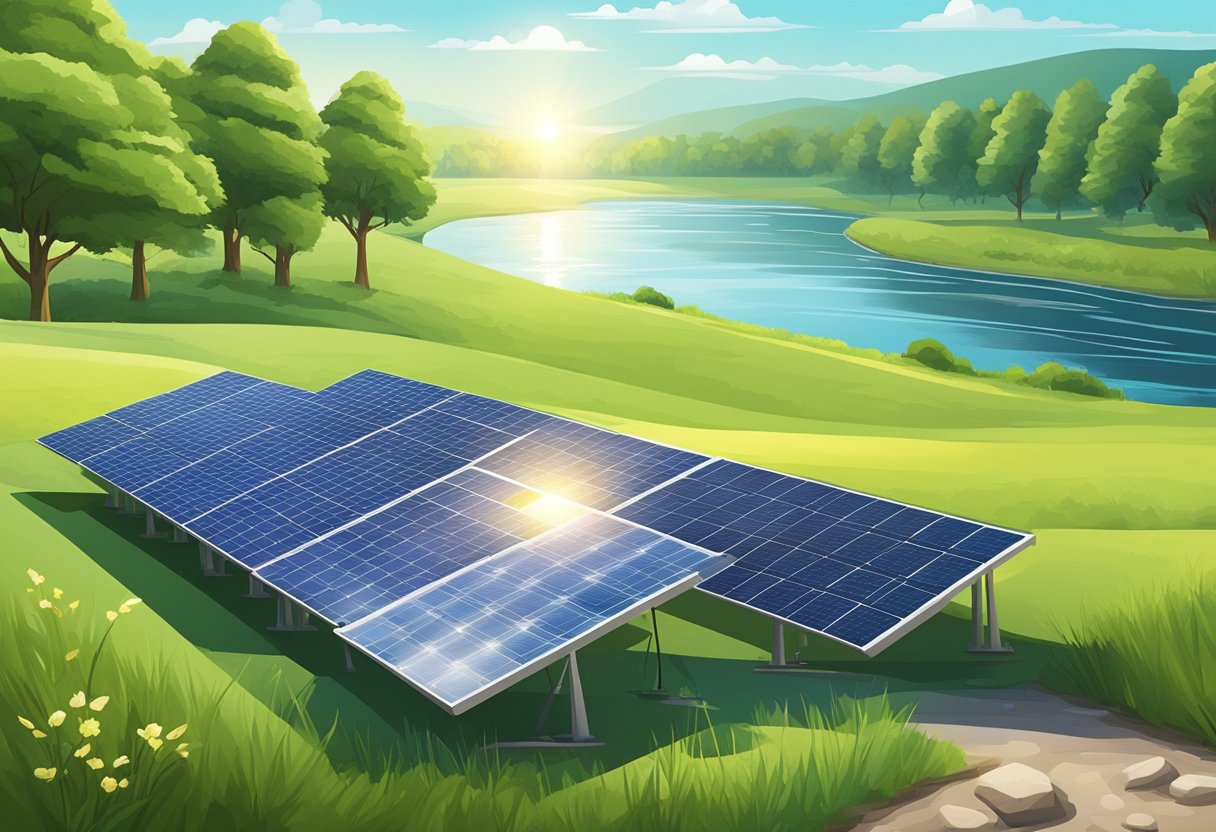
Before we delve into fun STEM activities for kids, it’s important to understand that the sun offers us an abundant and sustainable source of power. Through playful experiments, children can learn how solar energy is harnessed to produce both light and heat, gaining hands-on experience with solar panels and cells.
Fun with Solar Panels and Cells
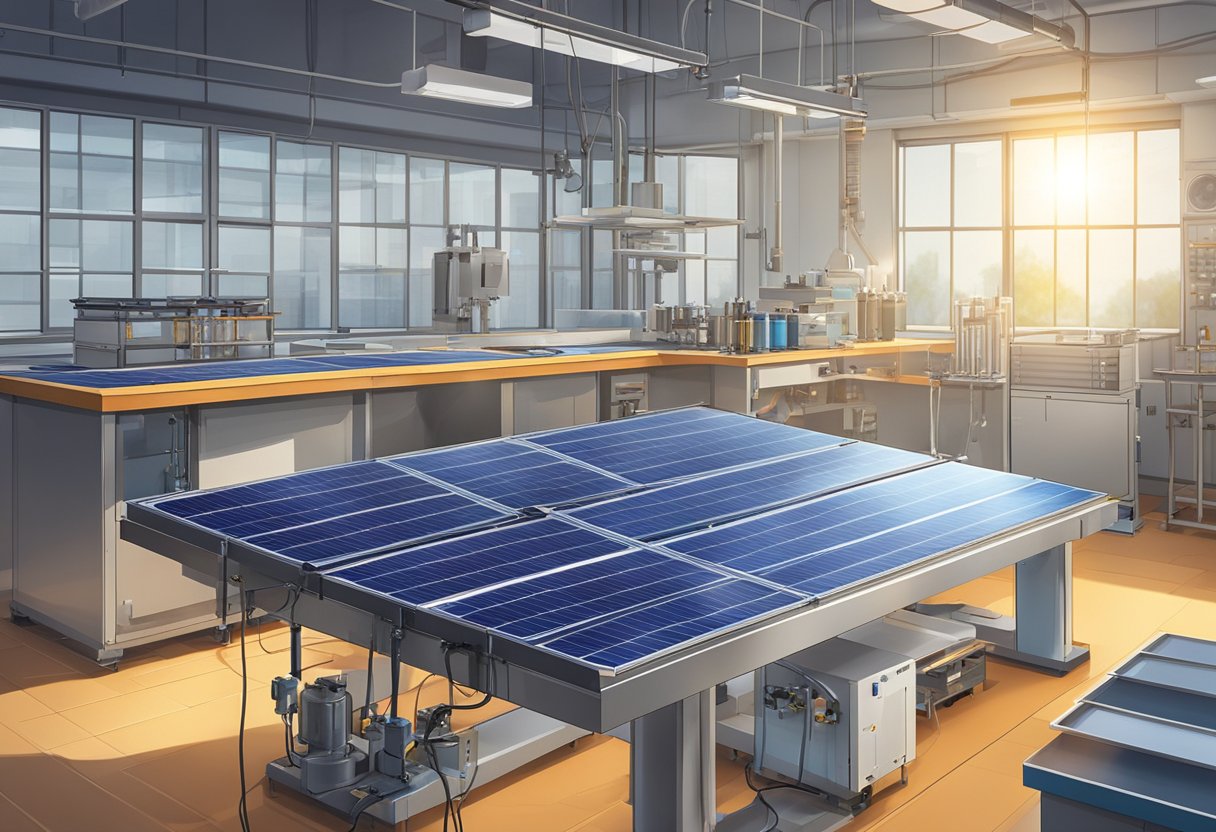
We can introduce children to the basics of solar energy by exploring solar panels and solar cells. A simple experiment involves using miniature solar panels to power small devices. This tangible experience allows children to see firsthand how solar panels convert light into electricity.
“By exploring solar technology through practical activities, children don’t just learn about science—they feel it,” says Michelle Connolly, a passionate educational consultant with 16 years of classroom experience.
Here’s a quick activity:
Place a small solar panel in direct sunlight.
Connect it to a simple device like a fan.
Observe how the fan starts to operate as the panel absorbs light.
Solar Power Experiments
Next, we can move on to using solar power for various experiments that teach about renewable energy. For example, children can build a simple circuit with a solar cell to power a light bulb. This shows how solar energy can be converted into heat and light.
A step-by-step guide to this experiment might look like this:
Gather a solar cell, wires, and a light bulb.
Connect the wires to the solar cell and the light bulb to create a circuit.
Place the solar cell in the sun and watch as the bulb lights up, powered purely by solar energy.
These hands-on activities don’t just educate; they inspire children to think about sustainable energy and its applications. By engaging with solar technology, young minds are empowered to envision a future where renewable energy is the norm.
Exploring Wind Energy
In this section, we’re looking at how the power of wind can be harnessed through simple yet enlightening STEM activities that kids can enjoy while learning about renewable energy.
Building Mini Wind Turbines
We can introduce our kids to wind power concepts by having them build mini wind turbines. By using everyday materials, such as plastic spoons, straws, and cardboard, children can construct their turbines. These models allow them to understand how wind energy can be converted into electrical energy. As the wind strikes the blades of their turbines, it causes them to rotate, thereby demonstrating how kinetic energy is captured by real-life wind turbines to generate electricity.
A little insight from Michelle Connolly, with 16 years as a classroom educator, “The beauty of building wind turbines is in the immediate visual feedback children get; it’s not just a theory for them anymore – it’s real and happening right in front of their eyes.”
Experimenting with Windmills and Pinwheels
Experimenting with windmills and pinwheels is an excellent way for kids to see wind energy in action. By altering variables such as the size of the windmill blades or the material they’re made from, children can explore how these changes affect the windmill’s rotation. We can make learning about wind energy even more engaging by measuring how fast their windmill spins in different types of airflows or by comparing the efficiency of different blade designs.
Through these hands-on activities, we’re not just teaching children about wind power; we are demonstrating the broader implications of renewable energy such as wind farms, which are pivotal to our sustainable future. Remember, each experiment with a windmill or a pinwheel is a step towards comprehending the vast potential of wind as a sustainable resource.
Innovating with Water Power
In this section, we explore the wonders of water power and how children can harness this renewable energy through exciting STEM activities. By creating water wheels and experimenting with hydropower, kids can engage with science and engineering concepts in a hands-on manner. Let’s dive into the world of water power and its endless possibilities for innovation and education.
Creating Water Wheels
Building a water wheel is one of the most tangible ways for us to witness the power of water. To start, we gather recyclable materials such as plastic bottles and cardboard. We then cut and shape them to form paddles, securing them to a central hub—typically a wooden dowel or a sturdy straw. This simple mechanism transforms flowing water into rotational energy, capable of lifting objects or even generating small amounts of electricity. It’s a brilliant demonstration of sustainable energy from a resource that has been used for centuries.
Michelle Connolly, a noted educational consultant with an impressive 16 years in the classroom, highlights that “water wheels spark children’s curiosity about the past and present of water-powered technologies.”
Experiments with Hydropower
After seeing the mechanics of water wheels, we take our understanding a step further by experimenting with hydropower. Children can simulate a miniature version of a hydroelectric power station by directing water flow to turn their water wheels, connected to a small dynamo or turbine. By adjusting the volume and speed of the water, they observe changes in the output power. These simple yet effective experiments underscore the significant role hydropower plays in generating renewable energy and provide us with firsthand experience of how water’s kinetic energy can be converted into useful electricity.
Each experiment carried out with water power strengthens our grasp on complex scientific principles, making education both accessible and enjoyable for children of all abilities. Through activities such as these, we at LearningMole encourage inquisitive minds to embrace STEM subjects with enthusiasm and confidence.
Geothermal and Heat Experiments
Exploring geothermal energy through fun STEM activities allows us to understand how heat from the Earth can be harnessed as a renewable energy source. These experiments are not only educational but also an engaging way to learn about our planet’s natural heat.
Using Heat from the Earth
Geothermal energy is warmth coming from the Earth’s interior. To illustrate this, we can design a simple experiment where we model the Earth’s layers using different materials such as sand, rocks, and water. Heat can be applied from below to simulate the Earth’s core warming the outer layers. Children can feel the temperature change and see how heat moves through the Earth’s crust.
Michelle Connolly, with her extensive experience in education, wisely points out, “Directly feeling the warmth from a model Earth can give students a tangible understanding of geothermal energy, making an often abstract concept very real and immediately graspable.”
Heat Transfer and Geothermal Energy
When discussing heat transfer, geothermal energy is a prime example. We use water as a medium in small bottles or tubes buried in different depths of soil and sand then measure the temperature changes. By doing so, we demonstrate how heat moves from a warmer area (the Earth’s core) to a cooler one (the Earth’s surface or the buried bottles). This hands-on project helps children to visually and practically experience the concept of heat transfer related to geothermal energy.
Construction and Material Science
In renewable energy projects, selecting appropriate materials and overcoming engineering challenges are vital. Our choices and designs directly influence the efficiency and success of these experiments.
Choosing Materials for Energy Experiments
When we embark on renewable energy experiments, we consider materials that not only conduct energy efficiently but are also environmentally friendly. Each material’s properties, such as durability, cost, and sustainability, play a crucial role in our decision-making process. For instance, using low-cost materials that are readily available can maximise both the learning experience and access to renewable energy education. It’s essential that we prioritise materials that suit the energy source we’re exploring, whether it be solar, wind, or hydro.
Engineering Challenges in Renewable Energy
Engineering challenges in renewable energy often revolve around translating theoretical concepts into practical applications. As we design experiments, we frequently encounter design problems that require innovative solutions. One such challenge is creating a model that realistically simulates energy conversion on a small scale. These hands-on projects not only reinforce STEM principles but also encourage kids to think like engineers—iterating their designs in response to the challenges they face.
Michelle Connolly, an educational expert with significant experience, once shared, “The beauty of engineering is that it teaches kids resilience; every failed attempt is a step closer to success. It’s a valuable life lesson.” Through tackling these challenges, we enable our young learners to experience the trial-and-error process that is essential to scientific progress and innovation.
Environmental Impact and Sustainability
Before we jump into experiments, it’s crucial we consider how these activities connect with the bigger picture. Our focus here is on the relationship between renewable energies and sustainability, especially concerning their impact on the environment and reduction of greenhouse gases.
Greenhouse Gas and Alternative Energy
Greenhouse gases, such as carbon dioxide, are significant contributors to global warming. By involving kids in STEM activities focused on alternative energy sources, we emphasise the importance of cutting down these emissions. Through experiments like creating sustainable paints or exploring algae biofuels, we can show how these energy forms produce less greenhouse gas compared to traditional fossil fuels.
Renewable Energies and the Environment
Renewable energies like solar and wind are not just topics for discussion; they’re opportunities for hands-on learning. Conducting experiments, such as making a simple solar oven or a wind turbine model, illuminates the concept of sustainable energy. These STEM activities educate on how harnessing energy from sources like the sun has a much lower environmental impact, promoting a more sustainable future.
Michelle Connolly, the founder of LearningMole, with her extensive experience in the classroom, once said, “Every time children engage with the realities of our environment through educational activities, they become the champions of sustainability for tomorrow.” This reflects our belief at LearningMole that hands-on learning can make a lasting impression, inspiring kids to be proactive about environmental issues.
STEM Education and Curriculum Integration
Integrating STEM into the K-12 curriculum engages students in hands-on learning that mirrors real-world science and engineering practices. Our approach to STEM education fosters curiosity and prepares students for future academic and career paths by aligning experiments with educational standards and promoting cross-curricular learning.
Aligning Experiments with K-12 Standards
To ensure that our STEM activities support K-12 science learning effectively, we closely align our experiments with the Achievement Standards Network (ASN) and Desire2Learn (D2L) frameworks. This means we create activities that not only meet but exceed the specified educational standards across multiple grade levels. By pursuing this alignment, our children embark on a learning journey that both challenges and entertains them, providing a robust foundation in STEM subjects.
For example, a simple experiment on renewable energy can align with physics standards on energy transformation and also touch upon environmental science principles, all within the K-12 curriculum bracket.
Cross-Curricular Opportunities in STEM
Our STEM initiatives extend beyond the domain of science and mathematics. We embrace cross-curricular opportunities where students can apply technology, engineering, and maths skills to broader learning areas, like language arts and social studies. This multidisciplinary approach develops versatile problem-solving skills and the ability to transfer knowledge across different subject areas.
“We strive to create a learning environment where STEM isn’t a subject, but a bridge connecting different realms of knowledge,” says Michelle Connolly, LearningMole’s founder and educational consultant. Her 16 years of classroom experience allow her to craft content that both meets rigorous academic needs and ignites students’ imaginations.
Bold, comprehensive, and nurturing education – that’s the commitment we uphold at LearningMole. With our STEM experiments and activities, kids don’t just study science; they live it.
Documenting and Presenting Experimental Work
When engaging in STEM activities, especially renewable energy experiments for kids, the way we document and present our findings is nearly as critical as the experiments themselves. A well-documented and presented experiment can inspire and educate just as much as the process of discovery.
Creating a Compelling Science Fair Presentation
For a science fair, it’s crucial that our presentation captures the essence of our experimental work. We start by outlining our hypothesis, materials, and the method we used in our renewable energy project. Use bullet points to make the information digestible:
Hypothesis: What we predicted might happen
Materials: All the items we used
Method: Step-by-step process of the experiment
Pictures and charts can help illustrate results. We strive for clarity, keeping our text concise and arranging our evidence logically. This makes our conclusions compelling and understandable.
Michelle Connolly, founder of LearningMole, emphasises the value of a clear presentation: “It’s the clear demonstration of ideas that ignites the spark of learning. When kids see their work impact others, it boosts their confidence and enthusiasm for science.”
Using Video and Representation in STEM
Incorporating video enhances the dynamic representation of our experiments. It’s a powerful tool that brings our audience along for the journey, showing the energy and motion that static images cannot convey. For example, a video of a working solar panel setup allows viewers to see the actual functioning in real time.
Using representational aids such as models and digital simulations can help break down complex ideas into understandable pieces. Visual aids are especially beneficial when explaining concepts that are difficult to visualise, like the flow of electricity or the conversion of wind into energy.
By presenting each phase of our experiment with clarity and enthusiasm, we make learning about renewable energy an exciting adventure for kids.
Health and Safety in STEM Activities
When we introduce children to the excitement of STEM experiments, particularly those relating to renewable energy, our priority is to ensure their health and safety. To help our young scientists flourish safely, we’ve outlined key safety measures and limitations.
Personal Protective Equipment (PPE):
Always wear safety goggles to protect eyes from unexpected splashes or debris.
Gloves are essential to protect hands from chemicals, heat, or cold.
Ensure that lab coats or aprons are worn to protect clothing and skin.
Safety in Handling Equipment:
Instruct children in the correct use of equipment before beginning any experiments.
Regularly inspect equipment to ensure it’s in good working condition.
Chemical Safety:
Use only non-toxic substances in experiments whenever possible.
Teach children how to identify and understand hazard symbols on substances.
Understanding Limitations:
Be clear about the age appropriateness of each activity.
Recognise that some experiments may require adult supervision or intervention due to complexity or potential hazards.
Creating a Safe Environment:
Keep the experiment area clean and organised to avoid accidents.
Ensure that there is a first aid kit close at hand, and be aware of basic first aid procedures.
Respect for Health and Safety:
Instil in children a mindset of caution and respect for procedures, reiterating that safety is as much a part of science as the experiments themselves.
Michelle Connolly, founder of LearningMole, and an educational consultant with 16 years of experience in the classroom, emphasises, “The best way to encourage a love for science is through hands-on experiences, but this must never compromise on a child’s health and safety. Our priority is to make learning both fun and safe.”
Always ensure that any activity considerations are thoroughly communicated to the children participating, and remember, fostering a safe learning environment is a critical aspect of any educational activity.
Conclusion
In conclusion, engaging children in renewable energy STEM activities provides an invaluable opportunity to combine hands-on learning with environmental awareness, fostering the next generation of innovators and sustainability advocates. From building mini wind turbines and solar-powered devices to creating water wheels and exploring geothermal experiments, these practical activities transform complex scientific concepts into accessible, exciting experiences that spark curiosity and understanding. By experimenting with solar panels, windmills, and hydropower systems, children gain firsthand knowledge of how renewable energy sources can be harnessed to power our world sustainably, whilst developing critical thinking skills and an appreciation for the importance of protecting our planet’s resources.
The integration of renewable energy experiments into K-12 curricula represents a vital step towards preparing students for a future where sustainable practices are paramount. Through cross-curricular opportunities that align with educational standards and emphasise health and safety protocols, we create comprehensive learning experiences that extend beyond traditional science lessons into the realms of engineering, environmental science, and global citizenship. By documenting experimental work, presenting findings at science fairs, and understanding the environmental impact of different energy sources, students develop the knowledge and confidence to become active participants in addressing climate change and promoting sustainable development, ensuring that the principles of renewable energy become fundamental to their worldview and future endeavours.
Maths Circus, an innovative platform we've crafted, presents a captivating realm where children learn mathematics through the exciting theme of a circus. The joy of juggling numbers and solving circus...
The Latin alphabet, also called the Roman alphabet, is the most widely used writing system in the world. Used by over 100 languages today, including English, French, Spanish, German and...
Venus, the Hottest Planet: Ask most children which planet is hottest, and they'll say Mercury, it's the closest to the Sun, so the logic seems obvious. But the correct answer...
Imagine looking up from a Dorset beach 190 million years ago and seeing a creature with leathery wings gliding over the waves. Many children would call it a flying dinosaur,...




Leave a Reply