In our journey through the vast landscape of education, we acknowledge the extraordinary impact of primary school biology lessons on young minds. These lessons lay the foundation for a lifelong curiosity about the natural world. They paint a vivid picture of life’s tapestry—from the nuanced workings of the human body to the intricate patterns of ecosystems.
Primary school children are introduced to biology in ways that resonate with their capacity for wonder, engaging with life’s processes, understanding the diversity of organisms, and the pivotal roles they play in our planet’s ecology. By providing a window into the world of living things, we nourish a child’s innate fascination and lay the groundwork for future scientific exploration.
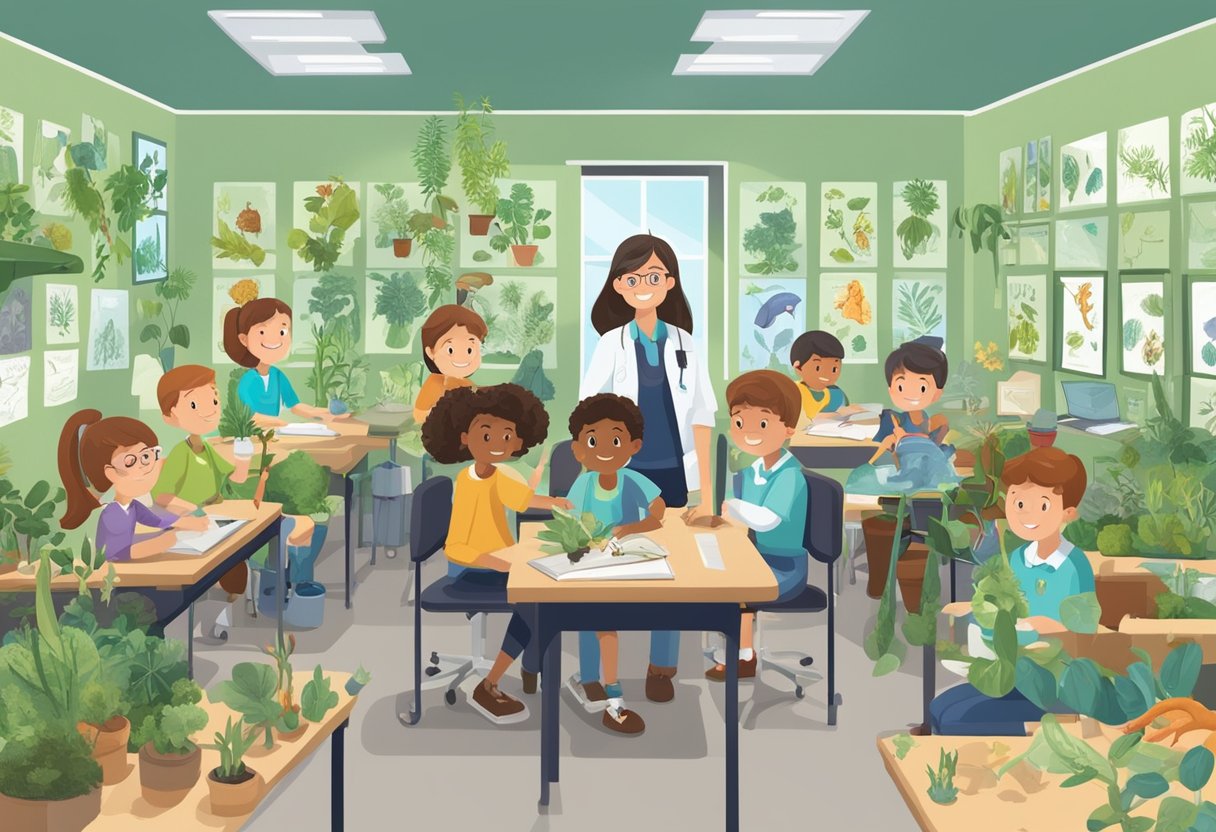
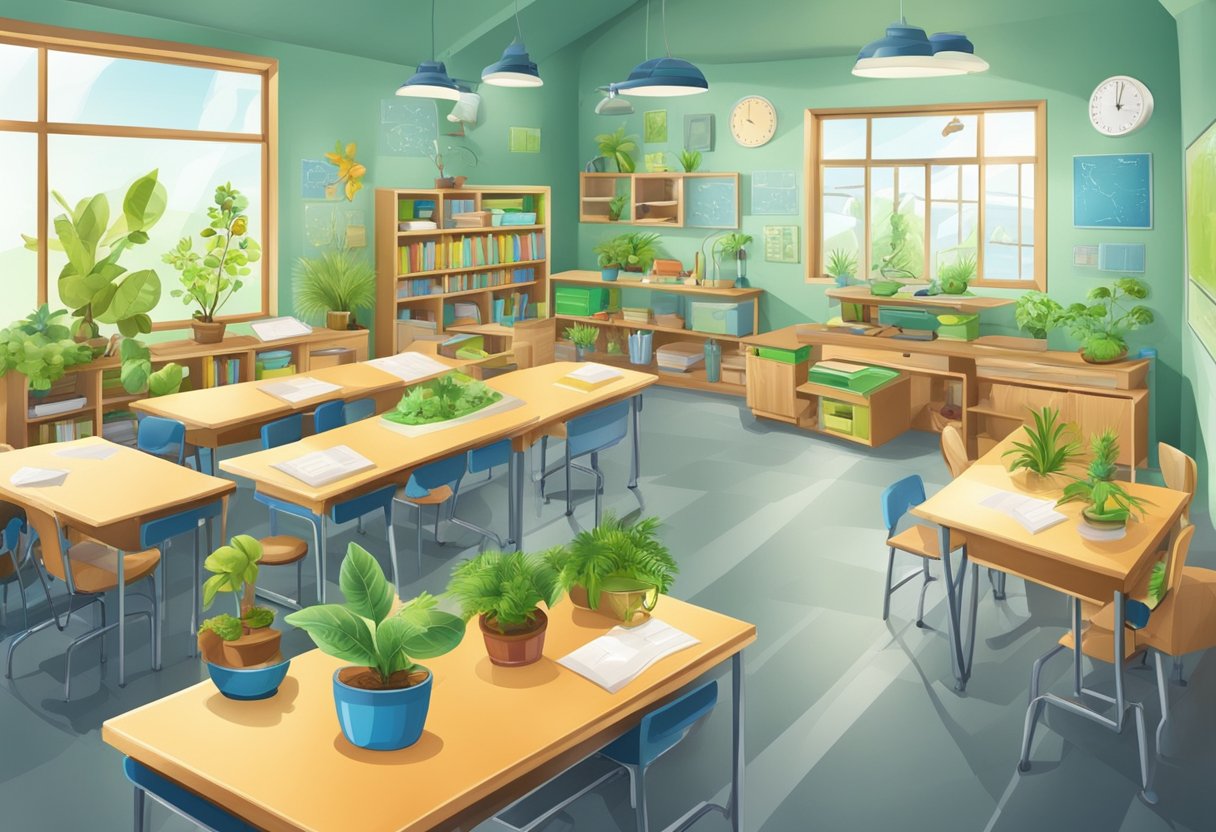
At LearningMole, we recognise the importance of creating a vibrant, hands-on learning environment, where children can not only learn but also experience the marvels of biology. Engaging activities, such as observing plant growth and studying animal interactions, transform abstract concepts into tangible experiences, fostering a deeper connection with the subject.
Dynamic science experiments and discovery learning further ensure that lessons in biology transcend the confines of textbooks, sparking an enduring interest in the sciences.
With expert guidance from educators like Michelle Connolly, who brings a wealth of 16 years of classroom expertise, we are committed to equipping children with a robust understanding of life sciences that serves as a springboard for their educational voyage.
Understanding Life and Living Organisms
In our primary school biology lessons, we’ll dive into the building blocks of life, explore the lush world of plants, and wander through the diverse lifestyles of the animal kingdom.
The Basics of Cells
Cells are the fundamental units of life. Every living organism begins as a single cell or is made of cells. In our cells lesson, students learn about cell structure, including the nucleus, cytoplasm, and cell membrane. We’ll look at how cells divide and multiply, a process known as mitosis, and how this is fundamental for growth and repair.
Key components of animal cells: Nucleus, Cytoplasm, Cell membrane
Key components of plant cells: Cell wall, Chloroplasts
Processes: Mitosis, Cellular functions such as respiration
Exploring Plant Life
Within the realm of plants, we’ll study how they create energy through photosynthesis, a vital process that uses sunlight to convert carbon dioxide and water into glucose and oxygen. We’ll also examine the different parts of plants, like the roots, stems, leaves, and flowers, and discover their various functions.
Finally, our journey takes us to the animal kingdom, where we explore the vast spectrum of animal life, from the tiniest insects to the largest mammals. We’ll understand how these creatures adapt to their environments, learn about their feeding habits, and uncover their unique life cycles.
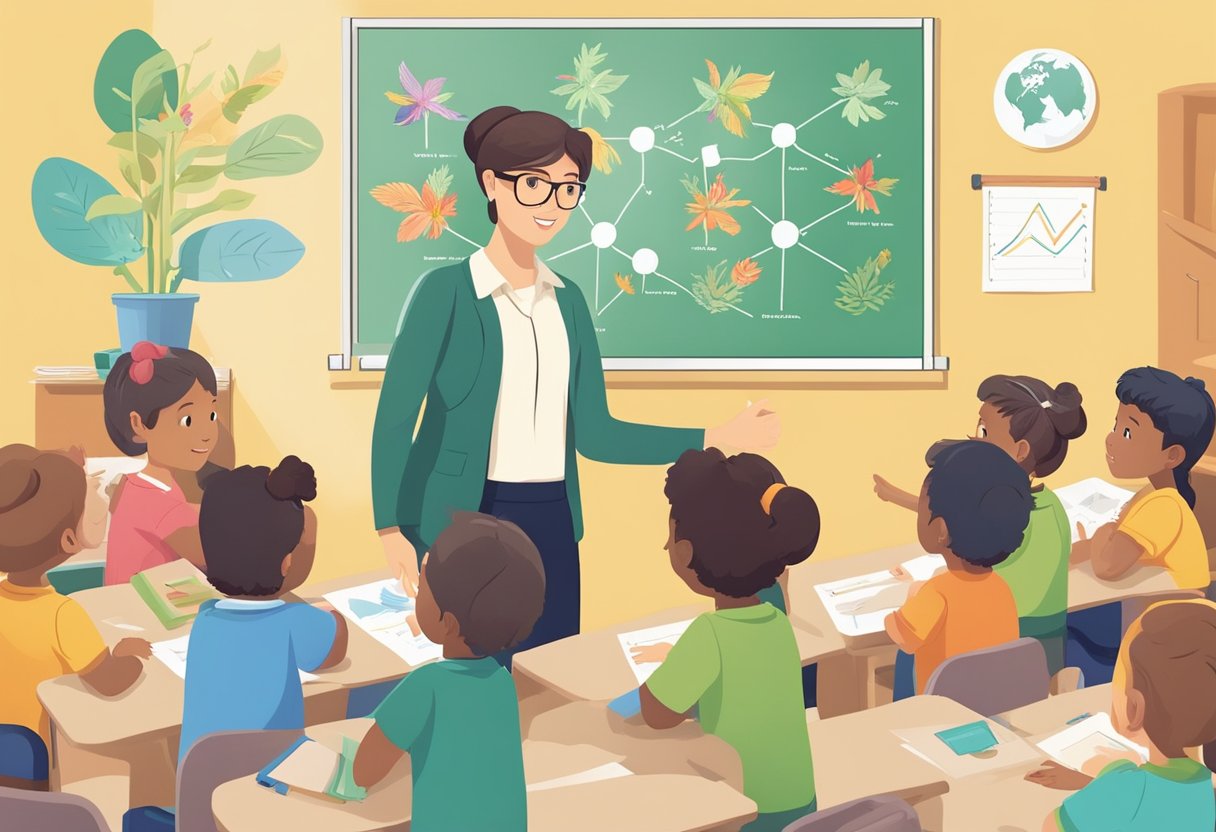
“We make science accessible and engaging by bringing concepts to life in the classroom,” Michelle Connolly, an educational consultant with over 16 years of classroom experience, often says. Each lesson is an opportunity to ignite a student’s curiosity in the wondrous mechanisms that orchestrate life on our planet.
The Human Body and Physiology
Understanding the human body and its physiological processes is fundamental for primary school students. It is composed of various systems working in harmony to sustain life.
Anatomy Fundamentals
Our body consists of numerous components, each with a distinct structure and function. Anatomy refers to the study of these physical structures, which range from microscopic cells to complete systems like the skeletal system.
Let’s explore the skeletal system, comprising bones that support our body and facilitate movement. Skeletons aren’t merely rigid frames; they also protect vital organs and store minerals like calcium. Next, we have our muscles, which work closely with the skeletal system to produce movement. Muscles vary from those we control, like our arm muscles, to those that work without us even thinking, such as the heart.
Our Body Systems
Within our bodies lie intricate systems, each responsible for essential functions. Our circulatory system circulates blood through the heart, veins, arteries, and capillaries, delivering oxygen and nutrients to cells. The cardiovascular system is what keeps our heart beating and blood flowing, affecting every other part of our physiology.
The respiratory system allows us to take in vital oxygen and expel carbon dioxide. In a similar protective role, our immune system battles infections, keeping us healthy. Another key system is the digestive system, which breaks down the food we eat into nutrients our body can use.
By understanding these systems, we can appreciate how our bodies function and the importance of keeping these systems healthy. “Comprehending the complexities of human physiology can be incredibly empowering for children,” says Michelle Connolly, a veteran educator.
Microscopic Worlds
Exploring the microscopic worlds in primary school biology introduces pupils to the incredible universe of the very small, from the organisms that are the building blocks of life to the tools that allow us to see them.
Bacteria and Viruses
When we peer into the world of microorganisms, we find bacteria, which are single-celled creatures with a variety of shapes, like rods, spirals, and spheres. Some bacteria are helpful, aiding in digestion or used in fermented foods, while others can cause diseases.
Then there are viruses, tinier than bacteria, and unable to reproduce without a host. These little entities have a significant impact on our health and the environment. During lessons, children might grow bacteria on an agar plate, observing how different conditions affect their growth.
Introduction to Microscopes
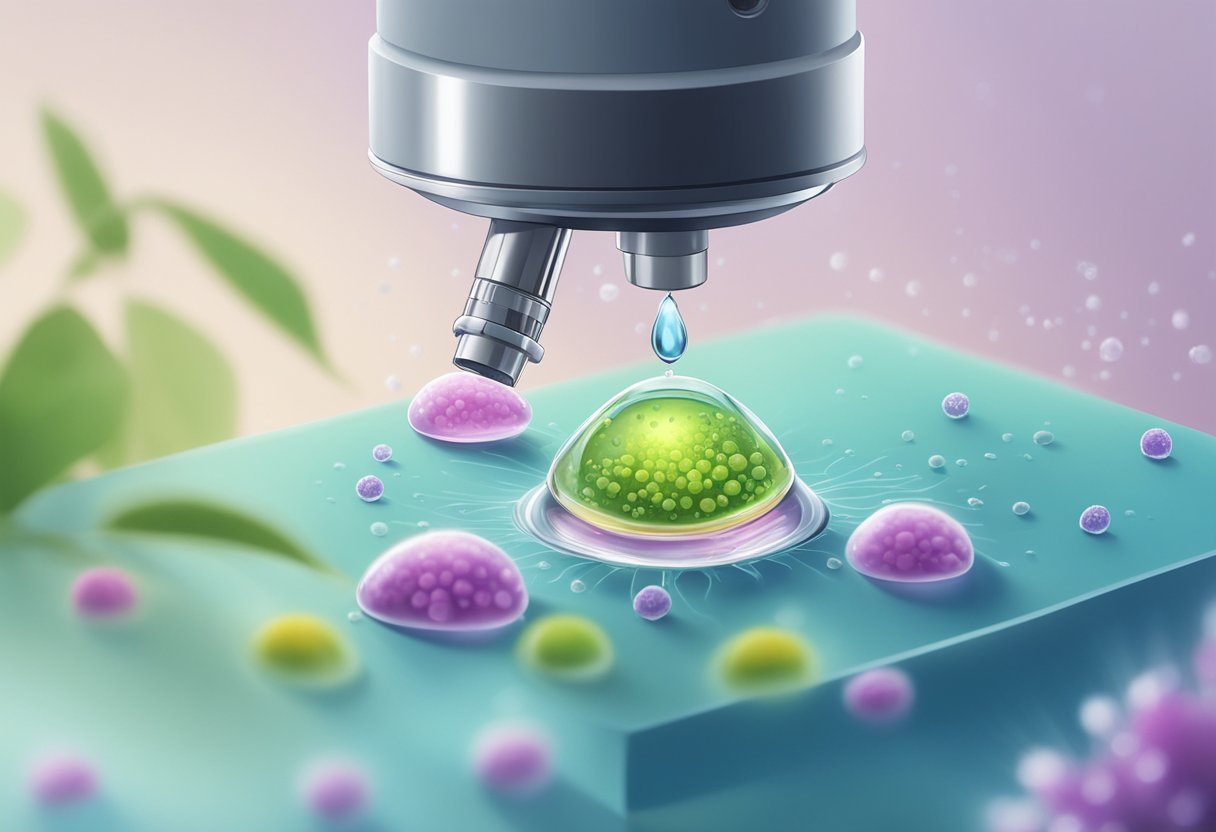
Our introduction to microscopes in the classroom brings this invisible world to life. A microscope is an essential tool that magnifies objects up to a thousand times or more, revealing details unseen by the naked eye.
We guide students as they learn to adjust the focus and change magnification, skills that unlock the view of a hidden realm. Whether examining the structure of an onion cell or the intricate patterns of algae, a microscope lesson is a doorway to wonder and discovery.
Michelle Connolly, the founder of LearningMole, with over 16 years of experience, often says, “Microscopes give us a window into the fascinating world too small for our eyes to see, sparking curiosity and wonder in students of all ages.” Through this, we help nurture young scientists in their understanding of the vital role microorganisms play in our lives.
Genetics and Heredity
Exploring the fascinating world of genetics, we uncover the essence of heredity. Through the intricate dance of DNA and chromosomes, the blueprint of life is passed down, while genes map out the traits that make us unique.
DNA and Chromosomes
At the heart of our cells, DNA stands as the helical structure containing the code of life. Our genetic information is organised into 23 pairs of chromosomes in every cell, forming the genetic instructions essential for growth, development, and health.
As genetics enthusiasts, we appreciate that chromosomes are the volumes in the library of life, where chapters filled with genes tell our stories.
Structure of DNA: Composed of nucleotide building blocks, each with a sugar group, a phosphate group, and a base (A, T, C, or G).
Number of Chromosomes: Humans have 46 chromosomes, including 22 pairs of autosomes and 1 pair of sex chromosomes (XX or XY).
“DNA is like a book where sentences are made of genes. Each letter is crucial to telling us who we are,” muses Michelle Connolly, a knowledgeable voice in educational content.
Genes and Inheritance Patterns
Each gene is a specific sequence of DNA that encodes for a trait, and the way these are inherited follows remarkable patterns. Inheritance is the transfer of these genetic traits from parents to offspring. Traits are carried on genes, which can lead to predictable patterns of transmission from generation to generation.
Dominant and Recessive Traits: A single copy of a dominant gene can determine a trait, whereas it often takes two copies of a recessive gene to express a recessive trait.
Mendelian Inheritance: Gregor Mendel’s principles describing how one trait may mask another (dominance) and how traits segregate independently.
Dominant genes might be the ones calling the shots, but it’s the subtle influence of the recessive genes that can surprise us, reflects Michelle Connolly, a passionate educational expert. Weave this knowledge into your lessons, and ignite curiosity in our lads and lasses about the beauty of genetics.
Plant and Animal Development
Observing the journey from a simple seed to a full-grown plant or animal reveals the remarkable stages of life and growth.
Growth Cycles
The growth cycles of both plants and animals are foundational to understanding biology. In animals, we observe distinct stages such as birth, development, maturity, and reproduction. We know that these stages are influenced by various factors, including genetics and environmental conditions.
For instance, breeding bacteria under optimal conditions—adequate nutrients and the right temperature—leads to rapid growth and multiplication, which can be observed in a matter of hours.
From Seed to Plant
The transformation from a seed to a plant is an astonishing example of nature’s ingenuity. Initially, a seed lies dormant, but when provided with the right conditions—water, oxygen, and suitable temperature—it germinates.
Through the process of germination, the seed awakens, and a new plant begins to emerge. First, the root shoots downwards to anchor the plant, and then the shoot pushes upward towards the light.
Seedling: A young plant that emerges from the seed.
Mature Plant: Fully developed and capable of producing seeds.
Understanding the life cycle of plants, including their reproductive strategies such as the spread of seeds by wind or animals, enriches our comprehension of ecology and biodiversity.
In crafting lessons for primary school biology, Michelle Connolly, the founder and an educational consultant with over 16 years of classroom experience, states, “We must bring the wonder of plant and animal development into the classroom, allowing children to witness firsthand the miraculous cycles of life.”
Following her guidance, we seek to inspire a sense of wonder and curiosity in young learners, helping them to connect with the natural world.
Energy in Biological Systems
In biological systems, energy is both captured and utilised through essential processes that sustain life. By converting sunlight into chemical energy and then using that energy to fuel activities, organisms maintain balance within ecosystems.
Photosynthesis and Respiration
Photosynthesis is the process by which green plants, algae, and certain bacteria convert light energy, usually from the sun, into chemical energy in the form of glucose. The equation can summarise this process:
During cellular respiration, cells take glucose and oxygen and convert them into energy in the form of ATP (adenosine triphosphate), releasing carbon dioxide and water as by-products. This process is vital for the release of energy that powers cellular activities.
The two processes are interconnected, with the oxygen produced by photosynthesis being used as a reactant in cellular respiration, and the carbon dioxide produced by respiration being used as a reactant in photosynthesis, forming a cycle that is fundamental to life on Earth.
Cellular Energy Storage
Cells store energy in the form of ATP to be used for various functions, such as muscle contraction, cell division, and the synthesis of molecules. ATP is often referred to as the “energy currency” of the cell because of its role in energy transfer.
In addition to ATP, energy can be stored in larger molecules like carbohydrates and fats, which organisms break down to produce ATP when needed. For example:
Carbohydrates: Broken down into glucose to provide immediate energy through glycolysis.
Fats: Oxidised to generate large amounts of ATP in a process called beta-oxidation.
The food web illustrates the flow of energy from the sun to producer organisms and then to consumers at different trophic levels, each step utilising the processes of photosynthesis, cellular respiration, and energy storage, ensuring the survival and functioning of ecosystems.
Michelle Connolly, the founder of LearningMole and an educational consultant with 16 years of classroom experience, often emphasises the importance of these topics in biology lessons: “Understanding energy in biological systems is not just about memorising processes; it’s about appreciating the incredible energy exchanges that enable life on our planet.”
This reflects our commitment to making complex scientific concepts accessible and engaging for young learners.
Biological Processes and Life Cycles
In primary school biology, pupils get to uncover the fascinating world of how organisms grow and reproduce. They explore the science behind cell division and the reproduction of living beings, all of which are fundamental concepts of biology.
Mitosis and Meiosis
Mitosis is a type of cell division responsible for growth and repair in the body. During this process, one cell divides to create two identical daughter cells, each with the same number of chromosomes as the original cell. It’s a vital process that we encounter constantly in our lives, as it’s essential for replacing old or damaged cells.
On the other hand, meiosis is a special form of cell division that occurs to form gametes—sperm and egg cells in animals, for instance. Meiosis halves the number of chromosomes, so when fertilisation occurs, the resulting embryo has the correct number of chromosomes. This reduction is crucial for maintaining genetic diversity and stability across generations.
To bring this to life in the classroom, we could use interactive diagrams and videos from LearningMole to help visualise these complex processes. As Michelle Connolly, founder of LearningMole, puts it, “Making challenging concepts accessible is key to sparking an interest in science from an early age.”
Living Organisms Reproduction
Reproduction in living organisms can either be asexual, where an organism clones itself without the need for a partner, or sexual, which involves the combination of genetic material from two parents. The life cycles of different organisms, including plants, animals, and fungi, span a wide range of diversity, each with unique stages of growth and development.
In the context of primary education, engaging youngsters with practical activities, like observing the life cycle of a plant from seed to flower, can be incredibly effective. This hands-on approach not only solidifies their understanding of biological processes but also helps them appreciate the wonders of life.
At LearningMole, we encourage vibrant, practical learning opportunities, allowing pupils to witness the stages of life cycles—whether it be the metamorphosis of a butterfly or the germination of seeds—first-hand in their learning journey.
Ecology and Ecosystems
Within primary school biology lessons, we explore the dynamics of living organisms and their environments, focusing on how they interact and the variety of life forms that coexist within different habitats.
Food Webs and Interactions
Understanding food webs is crucial for comprehending how organisms interact within their habitats. Producers, such as plants, form the base of these webs, with various levels of consumers from herbivores to apex predators above them.
Producers: Plants, algae
Primary Consumers: Herbivores such as insects, small mammals
Secondary Consumers: Carnivores that eat herbivores
Tertiary Consumers: Top predators
Food webs illustrate the balance necessary for ecosystem health and stability. Disruptions at any level can have cascading effects. It’s fascinating to observe how a simple change in one species’ population can alter the entire web.
Michelle Connolly, with her rich experience in the educational field, often states, “Every species has a role, no matter how small, in the ecological balance of their ecosystem.”
Biomes and Biodiversity
Biomes represent the different regions of our planet’s ecosystem, ranging from the tundra to the rainforests, each boasting unique characteristics, climates, and life forms. Here, biodiversity – the diversity of life in a given space – is a key concept.
Tundra Biome
Cold desert-like conditions
Unique adaptations in plants and animals
Rainforest Biome
High rainfall and humidity
Abundant biodiversity
We emphasise to students that a wide variety of species within a biome can lead to a healthier and more stable ecosystem. Biodiversity is a testament to the adaptability of life under various conditions and a sign of a robust ecosystem.
Hands-On Activities in Biology
Hands-on activities are central to grasping the intricacies of biology. They make abstract concepts tangible and engaging, allowing students to directly interact with the material.
Engaging Experiments
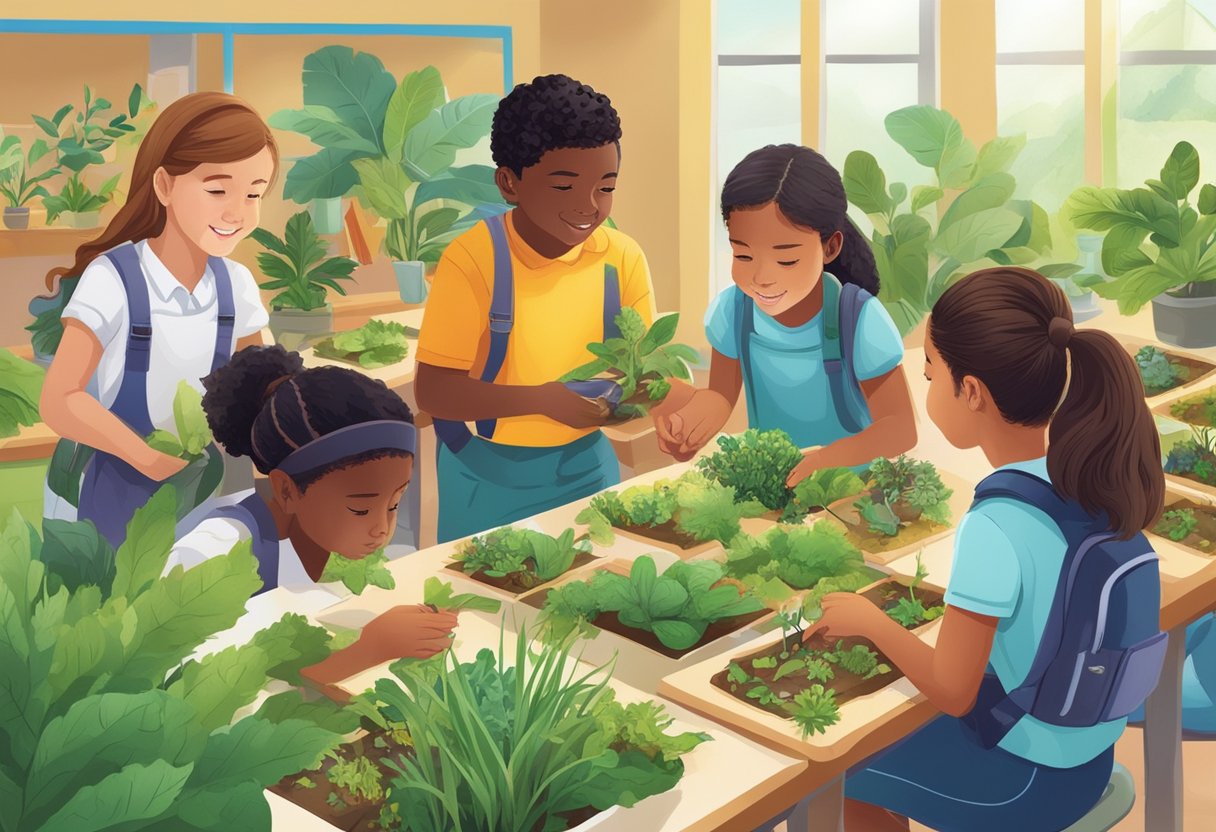
In our primary school biology lessons, we focus on bringing science to life through a variety of engaging experiments. Our experiments range from simple observations to more complex ones, but they all serve to ignite a spark of curiosity in our students. For instance:
Biology Word Search: This fun activity helps students familiarise themselves with biology terminology in an interactive way.
Science Fair Projects: Through these projects, pupils can apply their knowledge and creativity to explore biological concepts, fostering not only their understanding but also their presentation and research skills.
Let’s take a closer look at a few experiments:
Germination: We watch as seeds sprout and track their growth over time, discussing the conditions that affect their development.
Microscopic Investigations: Students get to experience the wonder of the miniature world with the help of microscopes.
To support the learning process, we also provide downloadable worksheets and detailed experiment guides, making sure the students can follow along and document their findings effectively.
Dissection Projects
Dissection projects in primary school may sound daunting, but with guided, age-appropriate materials, they become an excellent way to understand the inner workings of organisms. Two main dissection activities we introduce are:
Owl Pellet Dissection: A fascinating project where students can uncover the diet of an owl and learn about food chains.
Plant Dissections: By carefully dissecting flowers and other plants, pupils observe the different parts and functions, which is a vital hands-on experience in understanding plant biology.
Michelle Connolly, our founder and educational consultant with robust classroom experience, eloquently puts it: “Dissections provide a unique avenue for students to discover the intricate balance of life, offering a sense of awe and respect for living organisms.”
It’s essential to ensure these activities are conducted respectfully and safely, with clear instructions and appropriate supervision to create an enriching learning environment.
Evolution and Natural Selection
Exploring the fascinating concepts of evolution and natural selection is crucial to understanding the diversity of life on Earth. From the origin of species to the various mechanisms that drive their changes over time, this exploration is essential within primary school biology lessons.
Theory of Evolution
The Theory of Evolution fundamentally explains how species change over time through a process of natural variation and selection. It was first articulated by Charles Darwin and is underpinned by the idea that all life on Earth shares a common ancestor. Evolution occurs as a consequence of:
Genetic Variation: Each individual within a species has unique genetic differences that can affect their chances of survival and reproduction.
Overproduction of Offspring: Organisms tend to produce more offspring than can survive to adulthood.
Struggle for Existence: Individuals must compete for limited resources to survive.
Differential Survival and Reproduction: Individuals with advantageous traits are more likely to survive and reproduce, passing those traits to the next generation.
These principles collectively suggest that organisms that are better adapted to their environment will thrive and pass on their genes, while those less adapted may not.
Evidence and Adaptations
Evidence supporting evolution and natural selection comes from various fields, including:
Fossils: Provide a historical record of past life and evolutionary transitions.
Comparative anatomy reveals similarities between the structures of different organisms, indicating a common ancestry.
Biogeography: The distribution of species on Earth aligns with historical events, such as continental drift.
Molecular Biology: DNA and protein studies reveal the relatedness between different organisms.
Adaptations are traits that have evolved through natural selection, where organisms develop features that better suit their environment. For example, the beaks of Darwin’s finches are adapted to their specific feeding habits, and the camouflaging of certain insects allows them to blend into their surroundings to evade predators.
By understanding and teaching these concepts, we provide the foundation for young learners to appreciate the rich tapestry of life on our planet. Through hands-on activities and interactive learning, such as those provided by LearningMole, we strive to make these complex ideas accessible and engaging.
“In every classroom, every day, there’s an opportunity to ignite curiosity in young minds,” says Michelle Connolly, Founder and Educational Consultant with over 16 years of classroom experience.
“Bring the story of life’s tapestry to students in ways they can grasp and wonder at the natural world.” Through such wisdom, we endeavour to craft lessons that not only inform but also inspire a lifelong fascination with the natural world.
Learning and Assessing Biology
In our rapidly evolving world, the way we teach and assess biology in primary schools is crucial in nurturing curious young minds. Effective lesson plans and worksheets, alongside applying the scientific method, are the cornerstones of a solid biology education.
Lesson Plans and Worksheets
We understand that well-structured lesson plans are the backbone of any successful biology lesson. Our lesson plans are carefully crafted with clear objectives, tailored to meet the national curriculum, and are designed to make biology both informative and engaging for young students. Here’s what a typical lesson plan might include:
Learning Objectives: Clearly defined goals for what students should understand by the end of the lesson.
Materials: A list of items needed for activities and experiments.
Activities: Step-by-step instructions for hands-on activities that align with learning objectives.
Worksheets serve as invaluable tools for reinforcing concepts taught in class. They provide students with the opportunity to practise what they’ve learned, and for teachers to assess understanding and progress. Here’s how we make our worksheets stand out:
Interactive Elements: Questions that prompt students to think critically and apply their knowledge.
Visual Aids: Images and diagrams to help visual learners grasp complex biological processes.
Feedback Sections: Spaces for teachers to provide constructive feedback on students’ work.
Michelle Connolly, founder of LearningMole and an expert in education with over 16 years of classroom experience, has said, “A thoughtfully designed worksheet not only engages students but also empowers them to explore biology beyond the classroom.”
Using the Scientific Method
Incorporating the scientific method into biology lessons ensures that students learn to approach problems systematically and develop their critical thinking skills. Here’s how we integrate the scientific method into our STEM lessons:
Ask Questions: Encouraging natural curiosity and questioning.
Background Research: Guiding students to gather information and observe.
Hypothesis: Assisting them in forming predictions based on their knowledge.
Experiment: Conducting experiments to test their hypotheses.
Analyse: Helping them understand data and refine their predictions as needed.
Report: Teaching them how to communicate their findings clearly and concisely.
By engaging with the scientific method, students develop a practical understanding of biology and its applications in the real world. Our resources are designed to bolster this approach, equipping students with the knowledge and skills to thrive in an ever-changing scientific landscape.
Conclusion
Primary school biology is the gateway to understanding the miracle of life itself. By transforming complex biological concepts into engaging, hands-on lessons, we do more than just teach facts about plants and animals; we nurture a child’s natural sense of wonder and curiosity. Whether they are peering through a magnifying glass at a leaf or observing the life cycle of a butterfly, students are learning the fundamental skills of observation, inquiry, and critical thinking.
Ultimately, the goal of early biology education is to build a foundation of scientific literacy that lasts a lifetime. When we make science accessible and exciting, we empower young minds to ask “why” and “how,” fostering a deep respect for the living world and its place within it. By engaging students today, we are preparing the researchers, doctors, and conservationists of tomorrow to continue exploring the mysteries of our incredible planet.
Maths Circus, an innovative platform we've crafted, presents a captivating realm where children learn mathematics through the exciting theme of a circus. The joy of juggling numbers and solving circus...
Respecting others means treating people as if their feelings, opinions and personal space matter as much as your own. For children, this is a skill they learn through practice and...
Transformations describe how a shape moves or changes on a flat surface. In primary maths, children meet three movements that keep a shape exactly the same size: translation (a slide),...
Children usually meet the wider world through their own street, their school and the places they visit on holiday. Learning the continents and oceans of the world takes that sense...




Leave a Reply