Dream catchers are an integral part of Native American culture, steeped in history and symbolism. Originally created by the Ojibwe people, dream catchers were crafted to protect individuals during sleep by catching bad dreams and allowing only good ones to pass through. This spiritual tool, traditionally made with willow hoops and sinew strings, has today become a globally recognised symbol of protection and wellbeing.
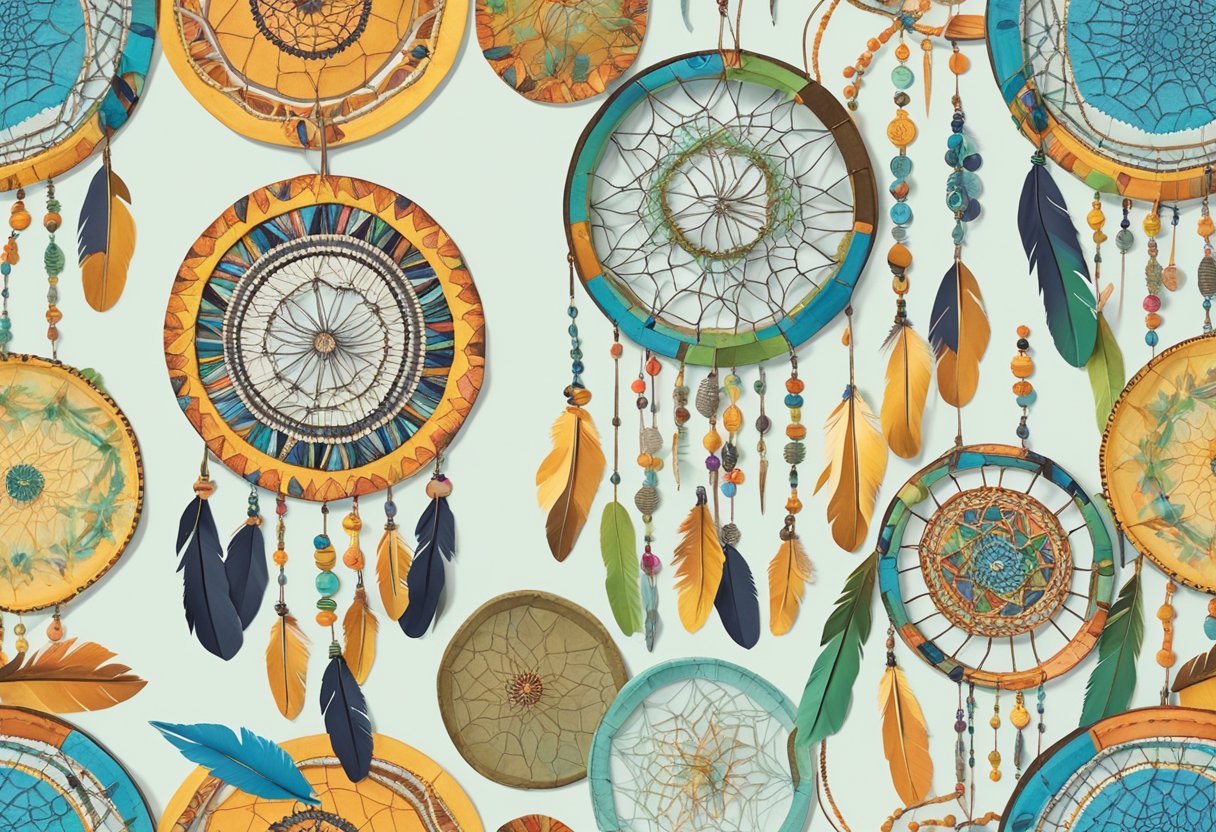
Dream Catchers: A colorful array of paper plate dream catchers hang from a tree branch
Taking inspiration from this age-old tradition, creating paper plate dream catchers is a wonderful way to engage with children in the process of crafting, while also teaching them about the rich cultural heritage from which these artefacts originate. With simple materials like paper plates, yarn, beads, and feathers, we can create a version of the dream catcher that’s easy and fun to make. It’s not just a craft session; it’s a hands-on learning experience that connects us to a deeper understanding of Native American traditions.
As Michelle Connolly, founder of LearningMole, with an extensive 16 years of experience in the classroom, says, “Crafting is a powerful way to bridge history and creativity, allowing children to learn through making. These paper plate dream catchers serve as a tactile reminder of the importance of cultural traditions and the stories that we can preserve and pass on through our crafts.”
Key Takeaways
Dream catchers have a meaningful history in Native American culture as protective charms.
Making paper plate dream catchers offers a creative and educational experience for children.
This craft promotes cultural awareness and storytelling through a simple, hands-on activity.
The History and Meaning of Dream Catchers
In our exploration of Native American traditions, we uncover the deep significance and storied past of dream catchers, a sacred symbol rooted in the culture of the Ojibwe people. These woven pieces serve not just as art but as guardians over our slumber.
Origins in Ojibwe Culture
The dream catcher finds its beginnings with the Ojibwe people, where it’s believed to have been inspired by Asibikaashi, or Spider Woman, a spiritual protector. The Ojibwe hold that as their nations spread across North America, Spider Woman could no longer reach all the children. Hence, mothers and grandmothers crafted dream catchers to filter out bad dreams and protect their children during the night.
Dream Catcher Evolution
Over time, dream catchers have transcended their origins, becoming a widely recognised element in American history. From a tool for protection, capturing good dreams and deterring negative ones during sleep, they’ve turned into an emblem honoured across numerous Native American cultures. The evolution speaks to a broader respect for the meaning behind this artifact, as they’ve been adopted and adapted while still honouring their initial intent.
Dream Catcher Symbolism and Purpose
Dream Catcher: A paper plate dream catcher hangs from a branch
Dream catchers have a revered place in Native American traditions, embodying both spiritual significance and artistic expression. Central to their purpose is the belief in their power to filter dreams and allow only positive energy to permeate the sleep space.
Cultural Significance
Historically, dream catchers are protective charms that originate from the Ojibwa (Chippewa) Nation. According to legend, these woven webs trap harmful dreams within their intricate threads, while allowing serene and beneficial dreams to glide down the feathers to the sleeper below. At the heart of the dream catcher is the web which represents the spider’s web and serves as a filter for dreams. The hole at the centre of the web ensures that only good dreams are channelled through, reflecting an interplay of protection and positivity.
Modern Interpretations
In contemporary times, dream catchers have transcended their traditional role. While some uphold the authentic use, others embrace them as a fashion statement or decorative art. Michelle Connolly, founder of LearningMole and educational consultant, emphasises, “Adapting traditional symbols like dream catchers into art projects such as paper plate dream catchers provides a hands-on way to appreciate and respect different cultures.” Despite varied interpretations, the underpinning symbolism of the dream catcher remains: to safeguard the individual from negative energies and ensure a peaceful state of mind.
Materials Needed for Paper Plate Dream Catchers
Dream Catcher: A table with paper plates, feathers, beads, and string
If you’re ready to create your own Paper Plate Dream Catchers, gathering the correct materials is a crucial first step. These supplies will help you to neatly craft a beautiful representation of this Native American tradition.
Choosing the Right Supplies
For this project, you’ll need paper plates as the base of the dream catcher. Select plates that are sturdy enough to hold the weight of decoration. You’ll also require craft feathers, yarn, and beads to add traditional elements to your design. To assemble the dream catcher, ensure you have a pair of scissors for cutting and glue or a hole punch to secure elements together. Decorative items such as stickers, paint, and construction paper can also be used to personalise your dream catcher. Don’t forget string for the web and a paintbrush to apply any colour.
Substitutes for Traditional Materials
If traditional materials aren’t available, don’t hesitate to get creative with substitutes. For instance, if you don’t have craft feathers, you could use leaves or cut out feather shapes from construction paper. Instead of yarn, ribbon or even shoelaces can work as a binding and hanging element. If beads are not at hand, any small item, such as pasta shapes painted in vibrant colours, can add a personal touch without straying too far from the original concept. Keep in mind that improvisation is part of the creative process, and such personal touches can make your dream catcher uniquely yours.
“Meticulous preparation of materials can truly bring the cultural art form to life in a contemporary craft,” says Michelle Connolly, founder of LearningMole and educational expert with over 16 years of classroom experience, emphasising the importance of material selection in crafting educational projects. Our goal is to provide a crafting experience that is both authentic and innovative.
Preparing the Paper Plate
Before we begin crafting our dream catcher, preparing the paper plate is a crucial step. It serves as the frame for our design and requires a steady hand and a touch of creativity.
Cutting the Centre
Using scissors, carefully cut out the centre of the paper plate to create a ring. This will form the basis of our dream catcher. Be sure to leave the rim intact as it will support the decorative elements and the webbing that we’ll create later.
Decorating the Rim
The rim of the paper plate is the foundation of our design and allows us to unleash our creativity. Use bold, vibrant colours and patterns to reflect the rich heritage of Native American art. Consider incorporating traditional motifs that are meaningful and representative of the culture we’re celebrating. Remember, the rim is not merely a support structure, but a canvas on which we will express our appreciation for these traditions.
Weaving the Dream Catcher Web
In the tradition of crafting Native American dream catchers, the process of weaving the web is both a methodical and symbolic practice. This section focuses on how to start the weave and complete the pattern, incorporating key elements like threading and web pattern intricacies.
Starting the Weave
To begin weaving your dream catcher web, you will need a sturdy hoop and a long piece of thread or sinew. Secure the end of the thread to the hoop, and then weave it across the hoop, creating small loops at each touchpoint. It’s important to keep the tension even and the loops equally spaced to ensure a harmonious balance throughout the web.
Completing the Pattern
As you work towards the centre of the hoop, your pattern will start to take shape, resembling a spider’s web. The threading technique involves intricate manoeuvres and requires patience and precision. Our aim is for the pattern to not only be aesthetically pleasing but also to fulfil its traditional role of trapping bad dreams while allowing good dreams to pass through.
Adding Decorations and Accessories
Dream Catcher: A table with colorful feathers, beads, and paper plates
When crafting paper plate dream catchers, the addition of various decorations and accessories is crucial for authenticity and aesthetic appeal. It’s here we can let our creativity flow and personalise each piece with a selection of colours and textures.
Incorporating Feathers and Beads
Feathers are a traditional element in dream catchers, carrying significant meaning and adding a soft, natural beauty to your craft. For our paper plate dream catchers, we recommend attaching feathers using:
Tape: A small piece of clear tape can securely attach the feather to the back of the paper plate ring.
Hanging: Thread a string through the top of the feather and secure it to the dream catcher’s ring for a floating effect.
Beads add a touch of detail and can represent good dreams passing through. We enjoy threading beads onto the dream catcher’s strings like so:
Stringing beads: Before securing feathers, thread beads onto the string to rest above the feathers. A knot can be tied below the beads to keep them in place.
Applying Additional Elements
To further embellish our dream catchers, we like to explore additional decorative items that bring light and colour:
Markers: To add vibrant designs or patterns directly onto the paper plate.
Glow in the dark slime: This can be a fun way to cover the paper plate, and it creates a striking effect when the lights go out.
Glowing stars: Small adhesive stars can be fixed to the dream catcher for a night-sky effect.
Pom poms: Glue these small balls of fluff around the ring for a playful texture contrast.
Remember, “Children love the magical aspect of glow-in-the-dark items. Using glowing stars or slime not only makes the dream catcher more fun but also serves as a soothing night light,” shares Michelle Connolly, the founder of LearningMole with extensive classroom experience. Let’s make sure each of our dream catchers is not just a craft but a source of joy for kids.
Crafting with Children
Engaging children in the creation of paper plate dream catchers is not only a fun activity but also an excellent way to explore Native American cultures. We’ll walk you through child-friendly techniques and the educational opportunities this craft presents.
Child-Friendly Techniques
To make the dream catcher craft accessible to children, we utilise simple materials and straightforward methods. We start with paper plates, which provide a sturdy and safe base for little hands to work with. By cutting out the centre of the plate, we create the perfect frame for our dream catcher. Using preschool safety scissors ensures that this step is as secure as it is easy.
Next, we invite children to weave yarn or string through holes we’ve made around the plate’s edge, creating a web-like pattern. This can be a fantastic exercise for developing their fine motor skills and concentration.
Educational Opportunities
Our dream catcher craft for kids is more than just an art project; it’s a gate to rich educational experiences. As the children thread colours and add feathers, we discuss the significance of dream catchers within Native American traditions, making sure to present this knowledge respectfully and accurately.
Michelle Connolly, founder of LearningMole, remarks, “Crafts like these allow us to introduce aspects of different cultures in an engaging and tactile manner, helping children understand and appreciate the world’s diversity.”
In each step, we also explore Native American cultures by talking about the origins of dream catchers and their purposes, helping kids to connect the craft with its cultural importance. Through these crafted narratives, we aim to bring history to life and nurture an early appreciation for cultural diversity.
Showing Off Your Craft
Dream Catcher: A table set with craft supplies for making dream catchers
Once you’ve created your paper plate dream catcher, it’s a natural next step to want to showcase it. Whether you’re looking to brighten up your home or share your work with others, there are plenty of ways to display and cherish these symbols of Native American tradition.
Displaying in the Home
Dream catchers were traditionally used to protect individuals during sleep. Traditionally hung over the bed, they are believed to catch negative dreams, while allowing positive dreams to pass through. Considering this, placing your dream catcher on the headboard or near the window in a bedroom is a great way to pay homage to their intended use. If you’re feeling creative, you can add a personal touch with stickers or additional decorative elements that complement your room’s aesthetics.
Michelle Connolly, founder of LearningMole, suggests, “Placing your crafted dream catcher in a spot where the morning light can hit it can create a stunning visual effect, as well as remind us of its purpose to filter out the nightmares and let only the good dreams to flow.”
Gifting and Selling
A handmade dream catcher can be a meaningful gift, symbolising care and good intentions. If you’re considering turning your craft into a small business, remember that each piece embodies a part of a rich cultural heritage. Be respectful of their origins, and take the time to share the story and significance with buyers. This can make each sale not just a transaction, but a cultural exchange and an educational moment.
We at LearningMole understand the importance of cultural appreciation. Our aim is to inspire and educate, and through crafting, we engage with traditions in a way that honours their significance and history.
Beyond Crafting: Exploring Further
Dream Catcher: A paper plate dream catcher hangs from a tree branch
Within the realm of crafting Native American traditions, the journey extends beyond the creation of visual art. We venture into the deeply rooted stories and resources that enrich the knowledge and respect for these cultural expressions.
Books and Stories
Books: We find that literature plays a pivotal role in deepening our understanding of Native American cultures. From gripping tales like “Raven: A Trickster Tale from the Pacific Northwest” to informative resources such as a “Native American Inspired Coloring Book,” the narratives within these pages bring to life the traditions and perspectives of Native American peoples.
Dream Catcher Coloring Pages & Tribal Mandalas: Delving into the artistic traditions, coloring pages offer not only relaxation and creativity but also a chance to appreciate the symbolism found in native artistry. Intricate designs like Dream Catcher Coloring Pages and Tribal Mandalas are not just aesthetically pleasing but also embody elements of spirituality and connection to nature.
Projects: Meanwhile, hands-on projects can provide engaging and educational experiences. “25 Great Projects” is one notable resource that allows one to construct physical artefacts, reinforcing the cultural learning and skill development attained through crafting activities.
Detailed Designs: Importantly, these crafting materials feature detailed designs that encourage us to pay close attention to the intricacy of Native American crafts, promoting a deeper appreciation of their art and lore.
Michelle Connolly, the founder of LearningMole, with her extensive classroom experience, emphasises that “Engaging with traditional crafts opens a gateway to understanding the rich histories and values embedded in Native American cultures, fostering respect and appreciation for their artistic heritage.”
By encouraging the exploration of Native American stories, crafts, and historical contexts, we not only celebrate the richness of these traditions but also contribute to their preservation and awareness.
Frequently Asked Questions
Dream Catcher: A table with colorful paper plates, feathers, and beads for crafting dream catcher
We’ve compiled answers to some of the most common queries about crafting paper plate dream catchers, a popular activity that respects and reflects Native American traditions.
What materials do you need to create a paper plate dream catcher?
To start making your dream catcher, gather a paper plate, scissors, string or yarn, beads, feathers, and a hole punch. “The beauty of this craft lies in its simplicity and the ability for children to personalise their dream catcher,” says Michelle Connolly, an expert in educational crafts.
How can you teach children about the significance of dream catchers within Native American culture?
When guiding children, it’s crucial to share that dream catchers are a part of Native American culture, often used to protect sleepers from bad dreams. Michelle Connolly suggests, “Share authentic stories and perhaps even reach out to Native community members as part of the learning process.”
Could you suggest some dream catcher craft ideas suitable for kids?
Absolutely! For a straightforward project, decorate a paper plate with cut-out patterns, weave string around it, and adorn with feathers and beads. For something a bit more complex, children might enjoy crafting a net within the plate using yarn and incorporating symmetrical bead patterns.
What’s the best way to explain the purpose of dream catchers to children?
It’s best explained by stating that dream catchers were traditionally used by Native Americans as a protective charm to filter dreams – letting through only the good dreams and trapping the bad ones until they disappear with the morning sun.
Is it culturally sensitive for non-Native individuals to engage in making dream catcher crafts?
Cultural sensitivity is important. Non-Native individuals should engage with respect for the origin and significance. Michelle Connolly advises, “Always approach such crafts with an attitude of learning and celebrating the culture, not appropriating it.”
Are there any special considerations to keep in mind while following dream catcher traditions?
When honouring dream catcher traditions, remember to avoid commercialised stereotypes and strive for authentic representations. We must ensure that our activities promote respect and understanding of the craft’s cultural heritage.
Maths Circus, an innovative platform we've crafted, presents a captivating realm where children learn mathematics through the exciting theme of a circus. The joy of juggling numbers and solving circus...
Article Summary What this article covers: Twenty-eight polar animals sorted properly by pole, with 21 from the Arctic, 5 from the Antarctic and 2 found at both, along with the...
Article Summary What this article covers: Five active learning strategies for home education (inquiry-based learning, Socratic questioning, gamification, the concrete-pictorial-abstract approach and teaching back), with zero-preparation ideas for busy parents,...
Article Summary What this article covers: Ten facts about Egypt’s modern history from 1952 to today, including the end of the monarchy, the Suez Crisis, the Aswan High Dam and...









Leave a Reply