In the realm of music, theory and performance are often seen as distinct areas, each demanding its own set of skills and understanding. However, the two are inherently connected, and a synergy between them can enhance both the interpretation and creation of music. We acknowledge that a musician versed in theory can unlock deeper levels of expression in performance, while practical experience can inform and enrich theoretical knowledge. Bridging this gap is essential for a well-rounded approach to music education and practice.
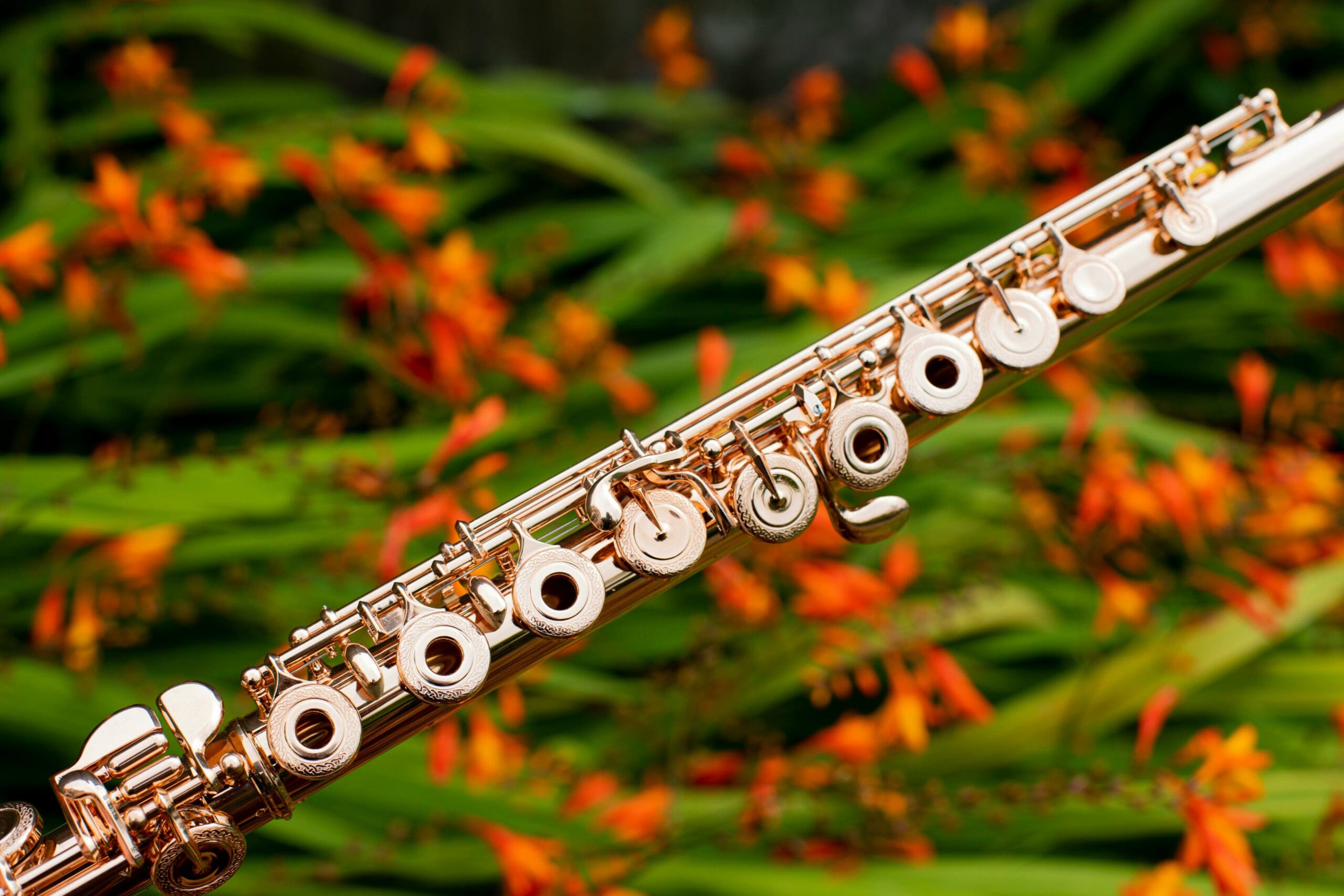
Music Performance: Close-up shot of a flute
The pursuit of music involves an intricate blend of technical knowledge and artistic proficiency. Whether one is delving into the complex language of music theory or the nuanced artistry of performance, access to comprehensive learning resources is pivotal. Emphasising this connection serves a dual purpose: it reinforces the creative foundation upon which musicians build their craft and equips them with tools to navigate and innovate within the musical landscape.
Key Takeaways
Bridging theory and performance enhances musical expression and understanding.
Comprehensive learning resources are crucial for a well-rounded musical education.
Access to integrated knowledge prepares musicians for innovative artistry.
Foundations of Music Theory
In music theory, understanding the mechanics of harmony, rhythm, and melody forms the backbone of any musical education.
Harmonic Constructions
At the core of harmonic constructions is the chord, a set of notes that when played together create a harmonious sound. Chords are the building blocks of harmony; they provide a sense of stability and can evoke various emotions. Chord progressions, in sequence, form the foundation for a piece’s harmonic structure. This aspect of theory deeply explores the mechanics of how chords are built and how they function within a key to establish tonality.
Rhythmic Frameworks
Time signatures and tempo dictate the rhythmic framework of a piece. By breaking music down into beats and measures, we understand the pulse and flow. Syncopation, meter, and tempo are scrutinized to comprehend how rhythms are constructed, providing the framework that guides the pacing and movement of music. It’s in these rhythmic patterns that music finds its pace, directly affecting the listener’s experience.
Melodic Contours
Melodic contours portray the shape and direction of a melody. They rely on theory to identify patterns in pitch progression, making use of scales and modes. Analyzing these contours involves examining the steps and leaps between notes that give a melody its unique identity. Melody is often what listeners hum or remember, hence understanding its construction is vital for performers and theorists alike.
Our collaborative ethos at LearningMole emphasises the true synergy between music theory and practical musicianship. Michelle Connolly, founder and educational consultant with over 16 years of classroom experience, has often highlighted, “A solid grounding in music theory enhances the performer’s connection to the piece, allowing them to interpret and convey the music with greater depth.” Indeed, we believe that when performers have a firm grasp of theory, it shows in their confidence and expression.
The Role of Performance in Music
As we explore the dynamic sphere of music, the act of performance itself emerges as a cornerstone, bridging the creators and the listeners. Our examination will shed light on the nuanced components of interpretation and expression, the vitality of audience engagement, and the distinct intricacies of live versus recorded music.
Interpretation and Expression
In performance, interpretation is where musicians breathe life into composition, transforming notes on a page into a vivid emotional landscape. Michelle Connolly describes interpretation as “the soul of music performance, allowing artists to inject their unique spirit and connect with each note.” It’s the performer’s personal touch that colours the music and invites the listener into a shared experience.
Audience Engagement
The presence of an audience can elevate a musical performance, creating an exchange of energy that transcends the auditory experience. In moments when our performance resonates with the audience, a profound connection is forged. This connection can influence the emotional depth of the performance, making every presentation a unique event.
Live versus Recorded
Live performances are unrepeatable moments in time, showcasing the raw, unfiltered essence of musical artistry, whereas recorded music offers consistency and the opportunity for meticulous refinement. Regardless, both forms provide valuable contributions to the tapestry of musicology and ensure that melodies reach wide audiences across an array of diverse contexts.
Historical Perspectives
In exploring the gap between music theory and performance, it’s essential to understand how both have evolved hand-in-hand, shaping not just the music itself but the cultural contexts in which they exist.
Development of Music Theory
Music theory, as a formal study, developed out of a need to understand and educate on the fundamentals of music composition and performance. Historically, it codified practices that were once passed down through oral tradition. Guido of Arezzo, an 11th-century music theorist, exemplifies this transition through his work which included the development of solfège, a music education method used to teach pitch and sight singing in choirs.
Evolution of Musical Performance
Musical performance has seen a transformation from small gatherings to grand concerts. In the Baroque era, music was often tied to courts and religious settings, evolving in complexity with the likes of Bach and Handel. As public concerts became more common in the 17th and 18th centuries, composers like Mozart and Beethoven were often present to conduct or perform their works, creating a direct connection between composer, performer, and audience.
“Every historical change in music is like a new layer in the archaeology of human creativity, offering insights into our collective past,” says Michelle Connolly, with 16 years of classroom experience as an educational consultant. Our own journey at LearningMole echoes this, emphasising that an appreciation of history enriches our cultural understanding and shapes our approach to learning and teaching music.
Music Education and Pedagogy
In our approach to music education and pedagogy, we focus on crafting curricula, employing effective instructional methods, and assessing learners in a way that enhances knowledge and accessibility for all students.
Curriculum Development
We ensure our curriculum development in music balances the theoretical knowledge with practical performance skills. This helps students not only understand the concepts but also apply them in a real-world context. By integrating interactive resources into our program, we support a rich learning experience that nurtures students’ musical talents. As Michelle Connolly, an expert with 16 years of classroom experience, says, “A well-crafted curriculum opens the door to endless possibilities for creativity and growth.”
Instructional Methods
Our instructional methods are diverse, ranging from traditional to modern technological approaches. We emphasise hands-on learning to encourage students to experience music theory through active engagement. By providing access to a variety of educational content and digital tools, we cater to different learning styles and needs.
Learner Assessment
In learner assessment, we focus on both formative and summative evaluation methods. These assessments are designed to give us an insight into the students’ understanding and to guide them towards achieving their full potential. The emphasis is always on constructive feedback that empowers students to refine their skills and access deeper musical insights.
Impact of Technology on Music
Technology has reshaped the landscape of music, enhancing access and introducing revolutionary instruments. Through digital evolution, we’re now witnessing a vibrant synergy between music theory and practical performance.
Digital Access to Music
Digital platforms have democratised access to music, providing a bridge to vast repertoires at our fingertips. With technology, the time required to obtain music has dramatically decreased, enabling immediate adaptation and integration of knowledge. Online archives and streaming services offer an exhaustive variety of music genres, historical recordings, and educational materials, facilitating a richer, more accessible learning environment. For instance, platforms like LearningMole provide structured, engaging educational content, making learning music theory and practice more accessible than ever.
Electronic Instruments
Electronic instruments have significantly altered our interaction with music, both for novices and seasoned performers. Synthesizers, for example, allow a single musician to produce a spectrum of sounds that would otherwise require multiple traditional instruments. This has not only expanded the creative boundaries but also the adaptability of musicians, who can now compose and perform with an unprecedented level of sophistication and diversity. Tech-driven instruments grant the advantage of portability and often reduce setup time, which is crucial for both live performances and learning environments.
In discussing this intersection of technology and music, Michelle Connolly, founder of LearningMole and educational consultant with over 16 years of classroom experience, has noted, “The introduction of digital instruments and platforms has broadened the horizons for teaching music, simplifying complex concepts and making them more tangible for students of all ages.” With experts like Michelle recognising the potential of technology in music, it becomes clear that electronic instruments are indispensable tools in modern music education.
Musicology and Ethnomusicology
In our exploration of music’s vast landscape, we recognise the critical roles of musicology and ethnomusicology. These fields foster a cultural dialogue and enhance our understanding of music as both art and social phenomenon.
Studying Music Across Cultures
Musicology delves into music history, theory, and analysis, primarily focusing on Western classical traditions. Our approach, however, extends to ethnomusicology, which situates music within its cultural context, considering the artistic expressions across diverse societies. This field encourages us to listen to music not just as a sonic experience but as a gateway into the culture and traditions that create it. Our dialogue with music becomes richer as we explore beyond our immediate surroundings, learning to appreciate global musical narratives and their distinct theoretical frameworks.
Music as Social Commentary
Music serves as a powerful medium for social commentary, mirroring the complexities of human experience. Whether it’s a classical symphony or a folk melody, music narrates stories, embodies politics, and reflects societal values. Through our studies, we analyse lyrics, performance styles, and the historical context of music, unveiling its role in shaping and responding to cultural movements. Our engagement with music as social commentary is not just an intellectual exercise; it’s a means to connect with the heart of communities and the pulse of their cultural life.
In every note and rhythm, music forms an expressive dialogue that transcends geographical boundaries and unites us in a shared human experience. It’s not just about understanding different musical forms; it’s about embracing the diversity of our world through the universal language of music.
Action Research in Music Studies
In this section, we explore how action research plays a pivotal role in enhancing music education and performance. Our focus will pinpoint strategies and community involvement that support the continuous improvement of music studies.
Improving Practice Through Research
Action research empowers music educators and students to critically examine and refine their practice. It’s a cycle of inquiry where questions emerge from practical challenges in music pedagogy, leading to systematic investigation and reflection. “The process itself contributes to improvement,” says Michelle Connolly, an expert with a wealth of experience in music education. By integrating theory and practice, action research fosters an environment of continuous learning and development in music studies.
Community-based Approaches
Incorporating community-based approaches in music studies establishes a stronger connection between musicians and their audiences. This engagement extends beyond traditional classroom settings to involve various stakeholders in the music-making process. By placing value on local knowledge and culture, action research in music becomes a collaborative effort that resonates with and enriches the community. This not only deepens the educational experience but also brings to light the diverse ways in which music contributes to social cohesion and cultural diversity.
Art Music Versus Popular Music
In examining the intricacies of art music and popular music, it’s essential to understand the distinct ways each genre approaches theory and embodies performance.
Differing Theoretical Approaches
Art music—often referred to as classical music—traditionally relies on formalized theory and notation. Its construction involves complex structures and is deeply rooted in written musical scores. For musicians and scholars of art music, the goal is often to preserve the musical integrity as composers intended, with performances reflecting the precision of the original score.
In contrast, popular music studies have shown that this genre prioritises accessibility and spontaneity. Chord progressions and harmonies are generally simpler, enabling a wider audience to engage with the music. The function of popular music is largely centred on entertainment and commercial success, leading to a theoretical framework that’s versatile and adaptive to current trends rather than strictly codified.
Performance Aesthetics
Art music performance aesthetics emphasise interpretative fidelity to the score, often showcasing a performer’s technical proficiency and expressive depth. Each rendition stands as a testament to both the composition’s legacy and the artist’s virtuosity.
Conversely, popular music performances hinge on energy and connection with the audience. They are marked by a personal artistic expression that often involves improvisation, and the interaction between artists and listeners is a key element. This makes popular music’s live renditions vibrant and dynamic, celebrating the shared experience over the precision of musical execution.
Michelle Connolly, founder of LearningMole, with her extensive experience in education, points out that “Whether it’s the complex harmonies of a Beethoven symphony or the catchy chorus of a pop song, each musical form has its own unique language and significance that enrich our cultural tapestry.” She highlights the importance of both art forms in enriching our musical landscape.
By navigating through these distinct aspects of art and popular music, we engage with a diverse array of auditory experiences that shape our musical knowledge and appreciation.
Recent Trends in Music Research
A girl standing holding a trumpet
In recent music research, there’s been a notable surge in innovative topics and interdisciplinary studies, reflecting a vibrant field that’s ever-expanding.
Emerging Topics in Musicology
Music research is witnessing the rise of new areas that promise fresh insights into the musical experience. Recent work has focused on the nuances of live performance and the unique challenges they present, such as the semantic gap that performers must bridge to fully connect with their audience. These studies aim to foster a deeper understanding of the dynamic interplay between musicians and their instruments, especially in the context of evolving technologies.
Another burgeoning area of research explores the anticipatory aspects of music. This involves looking at how listeners form musical expectancy, and how this shapes their experience of music. This line of inquiry delves into cognitive and computational models, striving to create a synthesis that could enrich our understanding of music perception and appreciation.
Interdisciplinary Approaches
Interdisciplinarity has become a hallmark of music theory research, wherein various fields converge to offer nuanced perspectives on music education, such as integrating music theory with pedagogies tailored for Irish traditional musicians. Such studies underscore the importance of cultural context and practical application in music theory education.
The application of music theory to performance has also seen a recent emphasis on the interconnections between different aspects of musicianship. For instance, there is research into educational methods that unify harp performance with music theory and ensemble training, working towards holistic musical development through an interdisciplinary pedagogical approach.
In these investigations, the interactions between databases like PubMed and Springer are critical for disseminating new knowledge and fostering academic discussions. Our approach to understanding musical education and performance is becoming increasingly sophisticated, with studies often referenced in these comprehensive libraries, indicating a new confidence in the interdisciplinary nature of musical research.
These advancements are reflected in the dialogue we foster in our community. “As we blend fields like music theory, cognitive science, and technology, we’re inviting everyone to engage with music in transformative ways,” says Michelle Connolly, Founder of LearningMole and an educational consultant with extensive classroom experience. Her insights echo our collective effort to explore and share the boundless possibilities in music research.
Advancing Dialogue Between Theory and Performance
In our quest to enhance the synergy between music theory and performance, we’re focusing on effective strategies that promote a productive exchange. Crucial to this endeavour is facilitating environments where theoretical knowledge meets practical application.
Collaborative Workshops
Workshops serve as a dynamic platform for musicians and theorists to interact and share insights. By organising sessions where both groups can collaborate, we see the direct translation of theory into practice. This melding of concepts with real-world application significantly enriches the learning process. For instance, action research might involve performers working with theorists to craft performances that exemplify theoretical principles, fostering a deeper understanding of music on both sides.
Integrative Learning Experiences
In integrative learning experiences, we bridge the gap through curated activities that fuse theory with musical execution. An example might involve the analysis of a score in the context of a group performance, enabling musicians to apply theoretical frameworks directly to their interpretations. Michelle Connolly, with her extensive background as an educational consultant, advocates this approach: “By directly applying theoretical concepts within performance settings, learners grasp the practical relevance of their studies.”
By embracing these approaches, we are taking positive steps forward in merging the realms of music theory and performance, making learning more holistic and comprehensive.
Frequently Asked Questions
Understanding the relationship between music theory and performance is pivotal in enhancing one’s musical skills. These FAQs aim to clarify common queries regarding this synergy.
How can understanding music theory improve your performance skills?
By mastering music theory, we equip ourselves with a deeper comprehension of musical structure, which in turn allows for more intentional and informed performance choices. Michelle Connolly, with her 16 years of classroom experience, emphasises, “A solid grasp of music theory can significantly refine technique and artistic expression, leading to performances with greater clarity and impact.”
What are the challenges faced when integrating music theory into performance practice?
One key challenge is translating theoretical knowledge into the physicality of performance. Bridging the cognitive understanding of music theory with the kinetics of an instrument can initially feel disconnecting for many performers.
In what ways does music theory assist performers in interpreting scores?
Music theory furnishes performers with the tools to decode and analyse scores, unlocking the composer’s intentions. Performers can thus make more informed decisions about dynamics, phrasing, and articulation, fostering a more faithful rendition of the piece.
How important is music theory for improvisational techniques in live performances?
Our improvisational skills in live performances greatly benefit from a thorough grounding in music theory. It provides a framework within which we can creatively explore and develop musical ideas on the spot.
Can studying music theory enhance your ability to express emotion in musical performances?
Certainly, by studying music theory, we attain a nuanced understanding of harmony and melody that aids in conveying emotion more effectively. “Music theory illuminates the path to emotional depth in performance,” as Michelle Connolly, educational consultant, notes.
What are the fundamental components of music theory that every performer should know?
Each performer should have a solid foundation in scales, chords, intervals and rhythm. These are the building blocks that facilitate a comprehensive understanding of a wide variety of music and are fundamental for performance.
Maths Circus, an innovative platform we've crafted, presents a captivating realm where children learn mathematics through the exciting theme of a circus. The joy of juggling numbers and solving circus...
Trees are like the Earth's superheroes! They're big and strong, and they help our planet in so many ways. Imagine if the Earth was a giant garden; trees would be...
A flood happens when water covers land that is normally dry. Most floods follow heavy rain, melting snow, a river bursting its banks or a storm pushing the sea inland....
Wolfgang Amadeus Mozart (1756 to 1791) was an Austrian Classical-period composer who wrote more than 600 works, including operas, symphonies, and piano concertos, in a life of only 35 years....




Leave a Reply