Instrumental practice stands as one of the most effective ways to develop discipline, perseverance, and commitment in young learners. When children engage with music education, they’re not simply learning notes and rhythms—they’re building essential life skills that extend far beyond the practice room. The relationship between music and discipline shapes how students approach challenges, manage their time, and persist through difficulties across all areas of learning.
Music education offers a unique opportunity to develop self-regulation and focus. Each practice session requires children to set goals, maintain concentration, and work systematically towards improvement. These skills transfer directly to academic work, creating students who approach their studies with greater patience and determination.
The Foundation of Self-Discipline Through Musical Practice
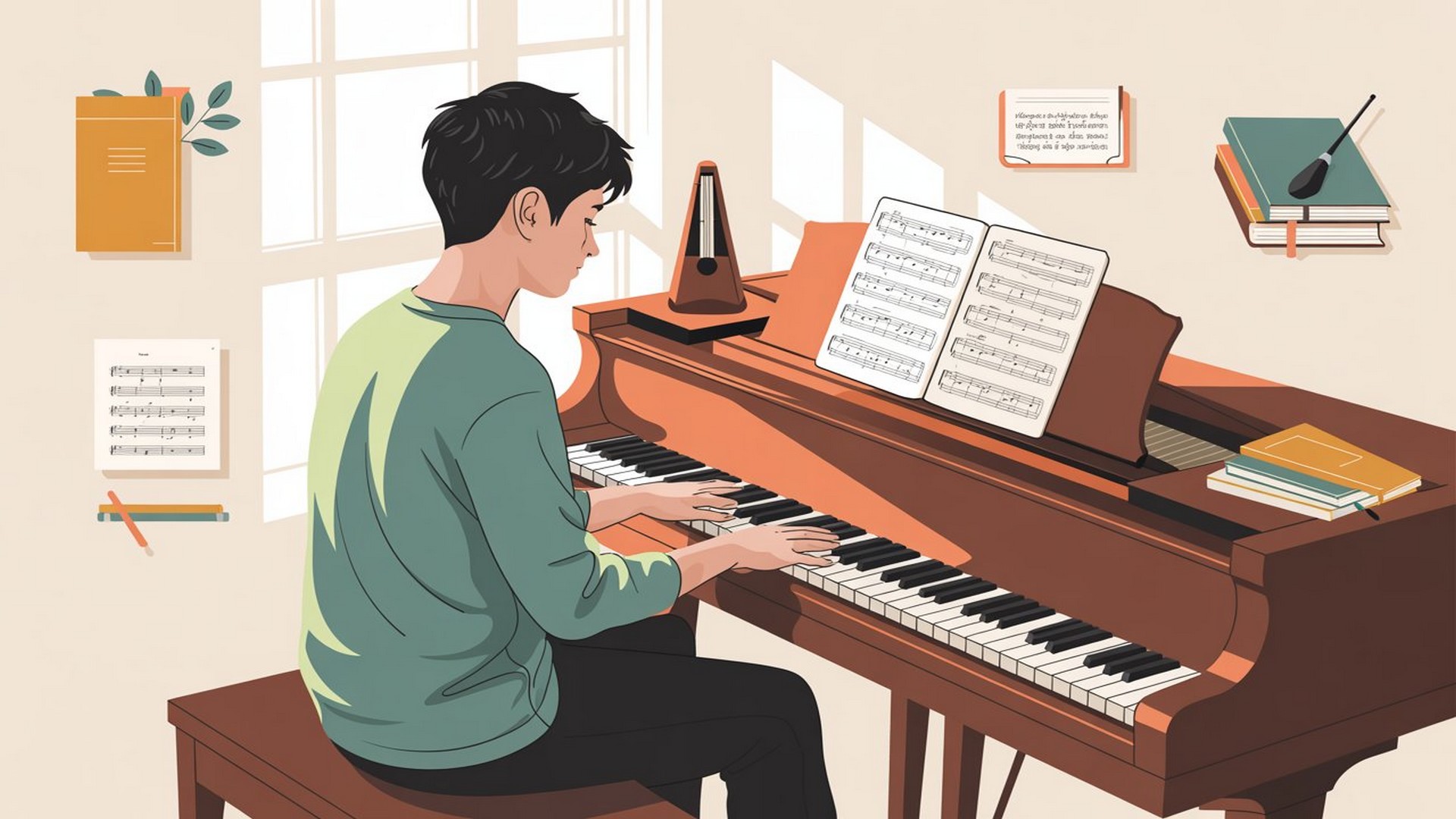
Regular instrumental practice creates a framework for self-discipline that children carry throughout their lives. When students commit to daily practice routines, they learn to manage their time effectively and prioritise important activities over immediate distractions.
The practice room becomes a laboratory for developing willpower. Children face challenging passages that won’t yield to a single attempt. They must return to difficult sections repeatedly, adjusting their approach and refining their technique. This process teaches them that meaningful achievement requires sustained effort rather than quick fixes.
Michelle Connolly, founder of LearningMole with 16 years of classroom experience, notes: “The discipline children develop through music practice creates a foundation for approaching all learning challenges with patience and systematic effort.”
Creating Effective Practice Routines
Successful music and discipline development requires structured practice sessions. Teachers and parents can support this by helping children establish consistent practice times and creating a dedicated space free from distractions.
Breaking practice into focused segments helps maintain concentration. A 30-minute session might include:
5 minutes of warm-up exercises and scales.
15 minutes working on challenging passages from current pieces.
10 minutes playing through familiar repertoire for fluency and musical expression.
This structure teaches children to allocate time purposefully, a skill that proves invaluable when managing homework, revision, and project deadlines in their academic work.
The Role of Goal-Setting in Musical Development
Music and discipline intersect powerfully through goal-setting. When students work towards grade examinations, concerts, or simply mastering a new piece, they experience the satisfaction of achieving objectives through persistent effort.
Setting specific, achievable targets helps children understand the relationship between practice and progress. Rather than vague aims like “get better at piano,” effective goals might include “play this scale at 120 beats per minute with no mistakes” or “memorise the first page of this piece by Friday.”
These concrete objectives provide clear feedback on progress. Students can measure their improvement, which builds confidence and motivation to continue. The UK music examination system, including ABRSM and Trinity College London grades, provides an excellent framework for this structured progression.
Building Perseverance Through Musical Challenges
Learning an instrument presents children with a uniquely valuable type of challenge. Unlike many school tasks that can be completed quickly, mastering a musical piece requires extended effort over days or weeks. This teaches perseverance in a way few other activities can match.
When a child encounters a difficult passage, they face a choice: give up or find a new approach. Music education encourages the second option. Teachers guide students to slow down tricky sections, practise hands separately, or break complex rhythms into simpler components. Each strategy reinforces the message that obstacles can be overcome through thoughtful, persistent effort.
Overcoming the Practice Plateau
Every musician encounters periods where progress seems to stall. These “plateaus” test a student’s commitment to their instrument. Children who push through these challenging phases develop remarkable resilience.
Parents and teachers can support students during these difficult periods by:
Acknowledging the challenge without minimising the child’s frustration.
Celebrating small improvements that might otherwise go unnoticed.
Adjusting practice routines to maintain engagement.
Reminding students of their previous achievements.
The experience of working through a plateau builds mental strength. Children learn that progress isn’t always linear and that persistence ultimately leads to breakthrough moments.
The Power of Incremental Progress
Music and discipline combine to teach children about incremental improvement. Unlike subjects where a sudden insight can transform understanding, musical progress typically comes through accumulated small gains.
A child might spend a week working on a single bar of music, gradually increasing tempo from 60 to 100 beats per minute. Each day’s practice adds a small improvement that might be barely noticeable in isolation. Over time, these tiny gains compound into significant achievement.
This understanding of gradual progress proves particularly valuable in Key Stage 2 and beyond, where mastering complex mathematical concepts or writing skills requires similar patience and systematic effort.
Developing Fine Motor Skills and Physical Coordination
Instrumental practice demands precise physical coordination. Whether pressing piano keys, positioning fingers on violin strings, or controlling breath for wind instruments, students develop fine motor control that benefits them across many activities.
These physical skills require discipline to develop. A child learning guitar must build calluses on their fingertips through regular practice. Young violinists must maintain proper posture even when their muscles tire. Developing these physical aspects of musicianship teaches children to persist through temporary discomfort for long-term gain.
The Connection Between Physical Practice and Mental Discipline
The physical demands of instrumental practice strengthen mental discipline. When children’s hands ache from piano practice or their embouchure tires from playing clarinet, continuing to practise develops willpower alongside technique.
This physical-mental connection appears throughout music education. Memorising finger positions, coordinating hands independently, or maintaining steady rhythm all require focused mental effort expressed through physical action. The integration of mind and body in musical practice creates a uniquely powerful learning experience.
Research in motor learning shows that the focused repetition required for instrumental mastery creates strong neural pathways. These connections in the brain support not just musical ability but also broader cognitive functions including memory, attention, and executive function.
Music Education and Academic Achievement
The discipline developed through instrumental practice supports academic success across the curriculum. Studies consistently show that students engaged in music education demonstrate improved performance in mathematics, literacy, and science.
Mathematical Thinking Through Musical Structure
Music and mathematics share deep connections. When children learn to count beats, understand time signatures, or grasp rhythm patterns, they’re developing mathematical reasoning. A student working with 6/8 time signature explores division, fractions, and pattern recognition.
These mathematical concepts become concrete and meaningful through musical application. Rather than abstract numbers on a page, fractions represent real musical relationships. This practical engagement helps children understand mathematical principles at a fundamental level.
Key Stage 2 mathematics curricula include objectives around fractions, ratios, and patterns—all concepts that instrumental students encounter regularly. A child who understands that four quaver notes equal one minim has internalised equivalent fractions through their music practice.
Language Development and Musical Training
Learning to read music develops skills that transfer to literacy. Both activities require decoding symbols, recognising patterns, and translating visual information into action. Children who read music fluently often show strong literacy skills.
The focused listening required for musical training also supports language development. Students must distinguish subtle differences in pitch, tone, and rhythm—skills that help with phonemic awareness and pronunciation. This auditory discrimination proves particularly valuable for young learners developing reading skills.
Memory and Cognitive Development
Memorising musical pieces exercises working memory and long-term retention. Students must hold multiple pieces of information simultaneously—notes, dynamics, tempo, phrasing—while performing. This mental juggling strengthens cognitive capacity.
The strategies students develop for memorisation transfer to academic work. Breaking large pieces into manageable sections, using repetition effectively, and creating mental associations all prove useful when learning historical dates, scientific processes, or mathematical formulae.
Social and Emotional Benefits of Musical Discipline
While individual practice builds personal discipline, group musical activities develop social skills and emotional intelligence. Playing in ensembles, orchestras, or bands requires children to listen attentively to others, coordinate their playing, and work towards shared goals.
Teamwork in Musical Ensembles
Participating in group music-making teaches children to balance individual contribution with collective success. An orchestra member must play their part accurately while blending with the ensemble’s overall sound. This requires both personal discipline and social awareness.
Children learn to:
Listen carefully to others while maintaining their own part.
Adjust their playing to match the group’s tempo and dynamics.
Accept feedback from conductors and peers.
Support fellow musicians through challenging sections.
Take pride in collective achievement.
These collaborative skills prove essential throughout education and later life. The ability to work effectively in teams, accept constructive criticism, and contribute to group success transfers directly to classroom projects, sports, and eventually workplace environments.
Emotional Regulation Through Musical Expression
Music and discipline combine to develop emotional intelligence. Learning an instrument provides a healthy outlet for expressing feelings while building the self-control to channel emotions constructively.
When children feel frustrated with a difficult passage, they must regulate their emotions to continue practising effectively. When nervous before a performance, they learn techniques to manage anxiety. These experiences build emotional resilience.
Music also offers a language for processing complex feelings. Playing sad music can help children understand and express their own sadness. Energetic pieces provide an outlet for excitement or restlessness. This emotional vocabulary enriches children’s self-awareness and communication skills.
Performance Skills and Building Confidence
Preparing for musical performances develops confidence that extends beyond the concert hall. The discipline required to prepare for a recital or examination teaches children to work systematically towards high-stakes goals.
Managing Performance Anxiety
Performing music teaches children to function effectively under pressure. The nervousness before walking onto a stage or into an examination room provides valuable experience in managing anxiety.
Teachers can help students develop strategies for performance stress:
Thorough preparation that builds genuine confidence.
Breathing exercises and physical relaxation techniques.
Mental rehearsal and visualisation.
Focusing on the music rather than audience judgment.
Learning from each performance to improve future presentations.
These skills transfer directly to school presentations, examinations, and later to job interviews and professional presentations. Children who have navigated performance anxiety in music develop resilience that serves them throughout their lives.
The Pride of Musical Achievement
Successfully performing a piece that required weeks of disciplined practice creates profound satisfaction. This achievement builds self-esteem based on genuine accomplishment rather than empty praise.
Michelle Connolly observes: “When children achieve musical goals through their own persistent effort, they develop a healthy sense of pride and understand the relationship between discipline and success.”
This understanding of earned achievement shapes how children approach future challenges. They learn to trust the process of systematic practice and develop realistic confidence in their ability to master difficult skills.
Practical Strategies for Parents and Educators
Supporting children’s musical development requires understanding how to build discipline without creating pressure that leads to burnout or resistance.
Creating Supportive Practice Environments
The physical and emotional environment for practice significantly affects a child’s ability to develop discipline. Parents can support effective practice by:
Establishing a dedicated practice space with good lighting and minimal distractions.
Setting consistent practice times that become part of daily routine.
Showing interest in their child’s progress without applying excessive pressure.
Celebrating effort and improvement rather than only praising perfect performance.
Respecting that quality practice requires concentration and should not be interrupted.
Teachers contribute by setting realistic expectations, providing clear guidance on practice techniques, and helping students understand how to work independently between lessons.
Maintaining Motivation Over Time
Sustaining a child’s commitment to instrumental practice requires balancing structure with flexibility. While discipline benefits from routine, rigid approaches can undermine intrinsic motivation.
Effective strategies include:
Allowing children some choice in repertoire to maintain interest.
Connecting practice to meaningful performances or sharing opportunities.
Integrating music theory and history to deepen understanding.
When children understand why they’re practising specific techniques and how these connect to musical goals they care about, discipline becomes self-directed rather than externally imposed.
Addressing Different Learning Styles
Children develop musical discipline through various approaches depending on their learning preferences. Some students thrive with structured, methodical practice routines. Others need more creative flexibility to maintain engagement.
Teachers can support diverse learners by:
Offering multiple approaches to challenging passages.
Incorporating visual, auditory, and kinaesthetic learning strategies.
Allowing students to explore their own problem-solving methods.
Adapting practice recommendations to individual temperaments.
Recognising that discipline can look different for different learners.
This flexible approach to building discipline respects individual differences while maintaining high expectations for consistent effort and progress.
Music and Discipline Across the UK Curriculum
Music education supports learning objectives across Key Stages 1-4, with the discipline developed through instrumental practice enhancing performance in multiple subject areas.
Key Stage 1 Foundations
In Key Stage 1, introducing children to instrumental practice establishes foundational habits. Even brief, playful practice sessions develop attention span and the ability to follow instructions. Simple activities like echo-clapping rhythms or playing steady beats on percussion instruments begin building musical discipline.
These early experiences teach children that learning requires repetition and that mistakes are part of the process. The supportive environment of KS1 music education makes discipline feel natural rather than punitive.
Key Stage 2 Development
Key Stage 2 provides ideal opportunities to deepen musical discipline. Children at this stage can sustain longer practice sessions and work towards more complex goals. Many begin formal instrument lessons, establishing practice routines that will serve them throughout their education.
The KS2 curriculum’s emphasis on developing competence across subjects aligns perfectly with the systematic skill-building of instrumental practice. Children learning times tables benefit from the same type of focused repetition they use when mastering scales.
Key Stage 3 and 4 Application
At Key Stages 3 and 4, students who have developed musical discipline often demonstrate particular strength in managing the increased academic demands. The time management skills, ability to work independently, and persistence through challenges all prove valuable.
Students preparing for GCSE music or working towards higher grade examinations experience the satisfaction of long-term projects requiring sustained discipline over months or years. This experience prepares them well for the extended study required for other GCSE subjects and eventually A-levels.
Cross-Curricular Benefits of Musical Training
The discipline developed through instrumental practice strengthens learning across the curriculum in specific, measurable ways.
Science and Systematic Thinking
Music and science both require systematic observation and experimentation. When students troubleshoot why a passage sounds incorrect, they’re using scientific thinking—forming hypotheses about what’s wrong, testing solutions, and refining their approach based on results.
The precision required in music supports scientific accuracy. Reading measurements carefully, following procedures exactly, and recording results systematically all echo the attention to detail that instrumental practice develops.
History and Cultural Understanding
Learning music from different periods and cultures provides context for historical and geographical study. A student learning Baroque music gains insight into 18th-century European culture. Exploring folk music traditions connects to understanding different societies and their values.
This cultural dimension enriches music education while supporting curriculum objectives in history and geography. The discipline of learning performance practices from different eras requires research skills and cultural sensitivity.
Physical Education and Coordination
The physical coordination developed through instrumental practice complements PE objectives. Fine motor control, rhythm, and the ability to coordinate complex movements all transfer between music and physical activities.
Students engaged in both music and sports often excel at both, as the discipline and body awareness developed in each domain reinforces the other.
Technology and Modern Musical Discipline
Contemporary music education incorporates technology while maintaining the core discipline of traditional practice. Digital tools can support effective learning when used thoughtfully.
Practice Apps and Progress Tracking
Many students use apps to support their practice routines. Metronome apps help maintain steady tempo, while recording tools allow students to hear their playing objectively. Progress tracking apps can gamify practice time, making discipline more engaging for some learners.
These tools work best as supplements to traditional practice methods rather than replacements. The fundamental discipline of focused, repetitive practice remains essential regardless of technology.
Online Resources and Video Tutorials
LearningMole provides educational video resources that complement traditional music lessons. These materials help students understand musical concepts visually and offer alternative explanations that might click when in-person instruction hasn’t.
Online resources can support self-directed learning, allowing motivated students to explore beyond their lesson material. This independence builds discipline while accommodating different learning paces and interests.
Long-Term Impact of Musical Discipline
The discipline developed through instrumental practice continues influencing students long after they finish formal music education. Many adults credit their musical training with developing skills that shaped their professional success.
University and Career Benefits
Students who have pursued music to higher levels often find that universities value their discipline and commitment. The UK UCAS system awards points for music qualifications, recognising the significant achievement represented by advanced grades.
Beyond formal recognition, the skills developed through musical discipline serve students well in higher education. Time management, ability to work independently, and persistence through challenging material all prove essential for university success.
Workplace Skills From Musical Training
Employers increasingly recognise that musical training develops valuable workplace competencies. The ability to receive feedback constructively, work systematically towards long-term goals, and maintain high standards under pressure all transfer to professional environments.
The collaborative skills from ensemble playing translate to effective teamwork. The creativity encouraged alongside technical discipline supports innovation and problem-solving in various careers.
Supporting Students Through Challenges
Every student learning an instrument encounters periods of difficulty. How teachers and parents respond to these challenges significantly affects whether children develop genuine discipline or simply compliance.
When Students Want to Quit
Most children express a desire to quit their instrument at some point. These moments provide valuable opportunities to develop perseverance rather than simply moments of failure.
Addressing the underlying issues often reveals solvable problems:
Is the repertoire too difficult or too easy, creating frustration or boredom?
Has the practice routine become stale and need refreshing?
Is the child feeling overwhelmed by competing commitments?
Does the student need a performance opportunity to renew motivation?
Working through these challenges collaboratively teaches problem-solving alongside musical discipline. Children learn that wanting to quit doesn’t mean they must quit, and that difficulties can be addressed constructively.
Balancing Music With Other Commitments
As children progress through school, they face increasing demands on their time. Maintaining instrumental practice alongside homework, sports, and social activities requires careful time management.
Rather than viewing music as competing with academics, families can recognise how musical discipline supports academic success. The focus and time management developed through practice help students manage all their commitments more effectively.
Teachers can support this balance by being flexible about practice expectations during particularly busy school periods while maintaining the principle that consistent effort, even if brief, proves more valuable than sporadic intensive practice.
Conclusion: The Lasting Value of Musical Discipline
Music and discipline combine to create one of education’s most powerful learning experiences. Through instrumental practice, children develop perseverance, time management, focus, and the understanding that meaningful achievement requires sustained effort.
These skills extend far beyond music itself. Students who have learned to approach a difficult musical passage systematically bring the same approach to challenging mathematical concepts, complex essays, or scientific investigations. The confidence gained through musical achievement supports tackling unfamiliar challenges across all areas of learning and life.
For educators and parents seeking to develop well-rounded, resilient young people, music education offers an unparalleled opportunity. The discipline built through regular practice, the perseverance developed through overcoming musical challenges, and the joy of creative expression combine to shape capable, confident individuals ready to meet whatever challenges they encounter.
LearningMole supports music education through carefully designed video resources and teaching materials that complement instrumental practice. By providing engaging content that helps children understand musical concepts and maintain their motivation, we work to ensure that more students experience the transformative benefits of musical discipline.
The commitment to learning an instrument represents an investment in a child’s future that pays dividends throughout their life. Through building musical discipline, we help develop the next generation of focused, persistent, accomplished individuals ready to contribute positively to their communities and pursue their ambitions with confidence.
Maths Circus, an innovative platform we've crafted, presents a captivating realm where children learn mathematics through the exciting theme of a circus. The joy of juggling numbers and solving circus...
Fruit helps protect the body from disease because it delivers fibre, vitamins, minerals and natural plant compounds that support the heart, the gut, blood sugar control and healthy cells. The...
Dark chocolate is one of the few treats that scientists have studied in real depth, and the results are more measured than the headlines suggest. The cocoa bean is rich...
A tour guide leads visitors around a place of interest, such as a castle, a museum, a city centre or a nature reserve, and explains its history and stories in...





Leave a Reply