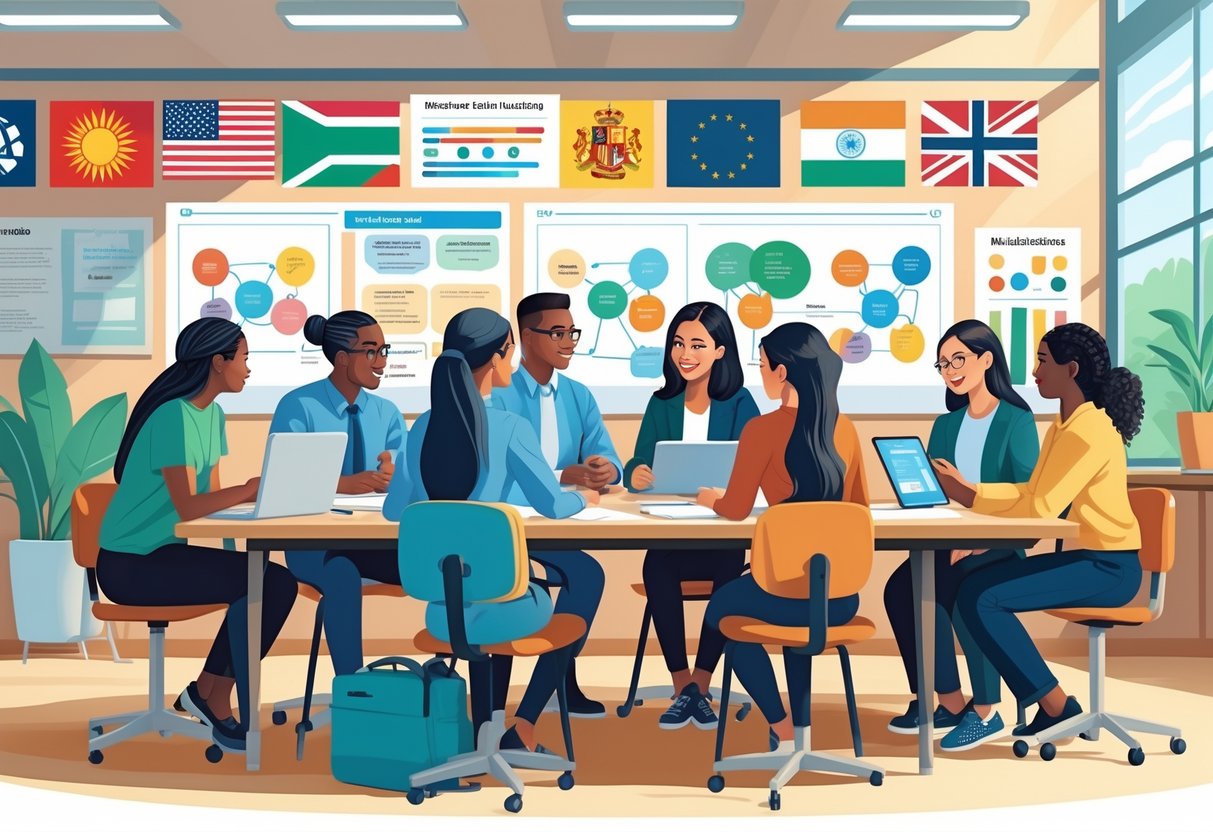
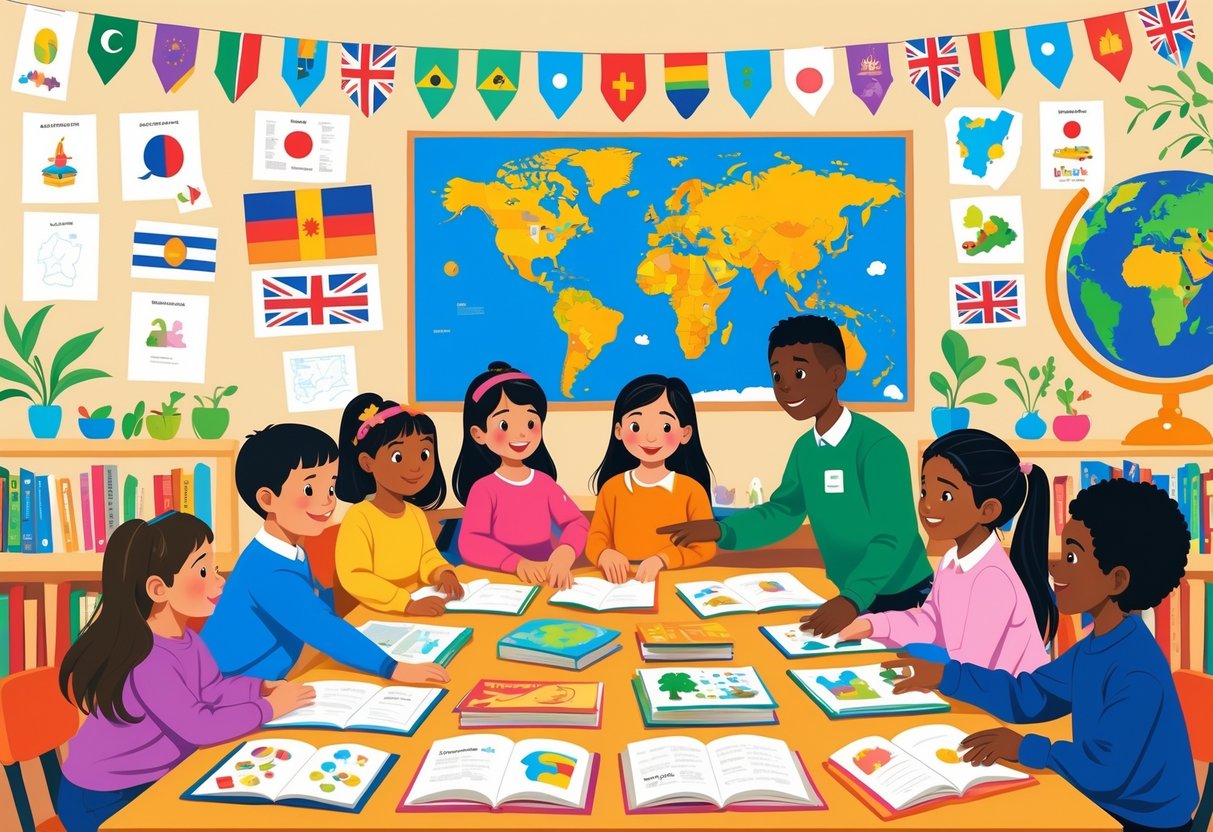
Multicultural education resources in the UK include hands-on artefacts, inclusive lesson plans, culturally responsive teaching materials, and digital platforms. These help teachers create classrooms that reflect the diversity of modern British society.
Schools across England, Scotland, Wales and Northern Ireland welcome students from dozens of ethnic backgrounds. At home, these students speak over 300 languages.
Teachers now need to find quality resources that celebrate different cultures and meet curriculum goals.
Michelle Connolly, founder of LearningMole and a former primary teacher with over 15 years of classroom experience, points out that “effective multicultural education goes beyond adding diverse faces to worksheets. It means weaving different perspectives into every subject, from maths word problems to history lessons.”
LearningMole, a UK educational platform offering curriculum-aligned resources for primary schools, gives teachers practical tools for creating inclusive classrooms. Every child can see themselves reflected in their learning.
When teachers find the right multicultural education resources, students engage differently with subjects across Key Stages 1 and 2. Good materials help children develop cultural awareness, challenge stereotypes and build skills for life in diverse communities.
This guide shares practical resources, classroom strategies and professional development opportunities to support teachers in delivering truly inclusive education.
Key Takeaways
Teachers can access specialised artefact collections, digital platforms and lesson plans made for UK schools to support multicultural learning.
Effective resources blend curriculum objectives with culturally responsive teaching that values students’ diverse backgrounds.
Professional development in diversity management and inclusive practices helps educators create classrooms where all children thrive.
Understanding Multicultural Education in the UK
Multicultural education in the UK grew as a response to rising diversity. Key policy milestones shaped how schools address cultural differences and promote equality.
The approach focuses on creating inclusive environments where all pupils can succeed, no matter their ethnic or cultural background.
Definition and Core Principles
Multicultural education embeds cultural diversity into teaching and learning. It promotes equity and inclusion.
Teachers acknowledge and incorporate the diverse cultural backgrounds of pupils in educational settings. The approach challenges bias, reflects a range of perspectives, and fosters respect and belonging.
Core principles include celebrating cultural differences while building shared values and understanding. Good multicultural education equips pupils with knowledge, skills and attitudes to thrive in a diverse society.
The UK changed from a largely homogenous nation into a multicultural society with immigration from many parts of the world in recent decades. This demographic shift brought both opportunities and challenges for schools.
Early policy responses in the 1960s and 1970s focused on assimilation. Immigrant children were expected to adapt to British culture.
By the 1980s, thinking shifted towards multiculturalism, recognising the value of maintaining cultural identities. The Race Relations Act 1976 made discrimination unlawful in education. This marked a significant legal milestone.
More recent policies highlight community cohesion and British values alongside cultural diversity. The Equality Act 2010 strengthened protections and placed duties on schools to eliminate discrimination and advance equality of opportunity.
The Swann Report and Its Legacy
The Swann Report, published in 1985, changed the direction of multicultural education policy in Britain. Lord Swann’s committee investigated the educational needs and attainment of children from ethnic minority groups.
The report rejected both assimilation and separatist approaches. It advocated for ‘education for all’ that prepared every child for life in a multicultural society.
Key recommendations included curriculum reform to reflect cultural diversity, teacher training on multicultural issues, and monitoring of ethnic minority pupils’ achievement. Some recommendations were implemented, but others faced resistance or lacked funding.
The report’s legacy continues, influencing debates about attainment gaps between ethnic groups and the need for culturally responsive teaching practices.
The Evolving Diversity of UK Classrooms
UK classrooms now show a growing mix of ethnic backgrounds, languages and faiths. One third of all school-age pupils now come from minority ethnic backgrounds.
This diversity shapes daily teaching practice.
Current Demographic Statistics
The demographic makeup of UK schools has changed dramatically over the past few decades. About 33% of pupils in England and Wales now identify as being from minority ethnic groups.
This proportion varies by region. London schools see the highest diversity levels, while rural areas remain less diverse.
Urban schools often have student populations where 50 or more languages are spoken. Cities like Birmingham, Manchester and Leicester show especially high diversity rates.
Many primary schools in these areas have majority-minority student bodies, where white British pupils make up less than half the class.
The teaching workforce remains predominantly white British, creating a gap between student and staff demographics. Many schools work hard to address this gap.
Ethnic and Religious Diversity
Your classroom probably includes pupils from multiple ethnic backgrounds with varied religious practices. South Asian communities form the largest minority ethnic group in UK schools, including students with Indian, Pakistani, Bangladeshi and Sri Lankan heritage.
Black African and Caribbean students make up another significant population.
Religious diversity means you need to accommodate different faith practices throughout the school day. Muslim students may need prayer spaces and halal meal options.
Hindu and Sikh pupils observe various festivals that affect attendance. Jewish students require consideration for Shabbat and dietary laws.
Culturally responsive teaching helps all pupils see themselves reflected in lessons. This includes choosing books with diverse characters, discussing historical contributions from various cultures and acknowledging different cultural celebrations.
The most common home languages include Punjabi, Urdu, Bengali, Polish and Arabic.
Bilingual education approaches differ across UK schools. Some areas offer transitional support, giving pupils temporary help in their home language while they learn English.
Others use dual language books and multilingual teaching assistants to support development in both English and the home language.
You can support EAL learners by using visual aids, providing vocabulary lists and allowing peer translation when it helps. Knowing basic greetings or numbers in languages like Hindi shows respect for pupils’ backgrounds.
Research says that keeping the home language while learning English benefits cognitive development and academic achievement across all subjects.
Key Principles of Inclusive Education
Inclusive education creates classrooms where every pupil can participate fully, regardless of their background, ability or needs.
This approach values diversity and removes barriers that stop children from accessing quality teaching.
Diversity strengthens learning for everyone. When you use inclusive practices, you create an environment where pupils with special educational needs, different cultural backgrounds and varied learning styles work together.
Inclusive education links directly to UK legal requirements under the Equality Act 2010. You must make reasonable adjustments so all children can participate in learning.
Equal Opportunities and Accessibility
Equal opportunities mean you give every pupil fair access to learning. This isn’t just about treating everyone the same.
You need to recognise that different pupils require different support to succeed.
Accessibility means removing physical, social and educational barriers. You might provide visual aids for some pupils, quiet spaces for others or adapted materials for children with specific needs.
Your job is to spot what prevents each child from learning and address those obstacles.
Some pupils benefit from video content, while others learn better through hands-on activities or written materials.
You should look at your assessment methods too. Traditional tests might not show what some pupils know and can do.
Alternative assessment approaches can reveal understanding that standard formats miss.
Benefits for All Learners
Inclusive education benefits pupils with and without additional needs. When you teach diverse groups together, all children develop stronger social skills and greater empathy.
They learn to work with people who think and learn differently.
Your typically developing pupils gain problem-solving skills as they work in diverse classrooms. Research shows that inclusive settings do not hold back higher-achieving pupils.
Explaining concepts to peers can actually reinforce their own understanding.
Pupils with additional needs make better academic progress in inclusive settings compared to segregated environments. They access age-appropriate curriculum content and benefit from peer modelling.
Your expectations stay high for all learners when you plan inclusive lessons.
The classroom acts as a microcosm of society. Children who learn together develop respect for differences that lasts into adulthood.
You prepare pupils for workplaces and communities that value diversity and different perspectives.
Culturally responsive teaching means you adapt your lessons to reflect the diverse backgrounds of your pupils. Bring in materials that show different cultures, histories, and perspectives across all subjects, not just on special occasions.
Check your current resources. Do they represent the ethnic and cultural diversity in your class? Choose books, videos, and examples with characters and stories from a variety of backgrounds.
When you teach history or literature, include contributions from different cultures. Avoid focusing on just one point of view.
This approach encourages everyone to share their viewpoints and learn from each other. You’ll see fresh ideas and genuine connections form.
Invite guest speakers from different backgrounds to share real experiences with your class. These visitors offer perspectives you might not have and help pupils connect classroom learning to real communities.
Building Positive Classroom Relationships
Strong relationships sit at the heart of any successful multicultural classroom. You create a space where every pupil feels valued and understood, regardless of their background.
Learn about your pupils’ cultural practices, home languages, and family traditions. This knowledge helps you understand their behaviour and communication styles.
Some cultures encourage children to speak up. Others teach them to listen quietly, so don’t judge pupils by just one standard.
Use activities that let pupils share their cultural heritage with classmates. A cultural exchange day gives children a chance to present food, music, or stories from their backgrounds.
These moments spark curiosity and build respect. The classroom feels more welcoming for everyone.
Set clear expectations that everyone deserves respect. Show this yourself by pronouncing names correctly, acknowledging different holidays, and showing real interest in various traditions.
When pupils see you value diversity, they’ll follow your example. It’s a simple thing, but it matters.
Managing Stereotypes and Prejudice
Stereotypes and prejudice will show up in your classroom. You need to address them directly rather than hoping they’ll go away.
Young children often repeat things they hear at home or see in media, not realising the harm. When you hear stereotypical comments, respond right away but keep calm.
Explain why the statement is unfair and give accurate information. For example, if a pupil says everyone from a certain country acts the same, you might say, “People from every country are different from each other, just like people in our class are all unique.”
Teach pupils to think critically about media and stories. Help them spot when books, films, or news present oversimplified views of cultures.
Ask questions like, “Does this show just one type of person from this group?” or “What other perspectives might exist?” These questions get them thinking.
Set classroom rules that specifically ban racist, xenophobic, or culturally insensitive language. Make consequences clear and stick to them.
Provide books and materials that challenge stereotypes by showing diverse people in various roles and situations. Pupils need to see that anyone can be anything.
Curriculum Design for Multicultural Schools
Designing a curriculum for multicultural schools means making intentional choices about which perspectives you include, what teaching materials you pick, and how you use creative subjects to build cultural understanding.
Integrating Diverse Perspectives
Your curriculum should show viewpoints from multiple cultures across all subjects, not just during special celebrations or isolated lessons.
In English, analyse texts from authors with different backgrounds. In maths, explore how various cultures developed number systems or geometric patterns.
Science lessons can highlight contributions from scientists of different ethnicities and backgrounds. History lessons should cover events from multiple viewpoints, helping pupils see that historical narratives depend on whose perspective you consider.
Geography can explore cultural practices and how communities adapt to their environments worldwide.
Try these practical adjustments:
Use examples from various countries in word problems.
Feature diverse historical figures throughout the year.
Bring in case studies from different regions.
Invite community members to share cultural knowledge.
Selecting Culturally Inclusive Materials
Your teaching materials should show the diversity of your classroom and the wider world. Choose textbooks, videos, and digital resources that represent people from different backgrounds in a variety of roles, not just stereotypes.
Check your book collection regularly. Pupils need to see themselves in the stories you share and learn about experiences different from their own.
When you pick materials, check if they show authentic cultural representation or rely on outdated stereotypes.
Evaluation criteria for materials:
Aspect
Questions to Ask
Representation
Do images show diverse people in leadership roles?
Language
Are cultural terms used accurately and respectfully?
Perspective
Whose voice tells the story?
Relevance
Does content connect to pupils’ lives?
Bilingual education resources support children learning in multiple languages. These materials help pupils keep their home language whilst developing English skills.
The Role of Arts and Literature
Arts and literature offer powerful ways to explore culture in your classroom. Through stories, music, drama, and visual arts, pupils experience different perspectives and express their own cultural identities.
Reading diverse literature helps children develop empathy and understanding. Pick books that feature characters from various backgrounds facing universal challenges.
Talk about how cultural context shapes the stories you read together. Visual arts lessons can look at traditional patterns, techniques, and symbolism from different cultures.
For example, studying Egyptian gods through art shows pupils how ancient cultures expressed beliefs visually. Pupils can create their own artwork inspired by different artistic traditions, learning techniques and appreciating cultural heritage.
Study traditional instruments from various regions.
Perform stories from different cultural traditions.
Create artwork using techniques from multiple cultures.
These creative subjects help pupils see that culture shapes how people create, communicate, and interpret the world.
Essential Multicultural Education Resources
UK schools need practical materials that help teachers bring diverse cultures and perspectives into everyday lessons. From physical artefact collections to digital platforms, the right resources make diversity in education meaningful and accessible for all students.
Textbooks and Teaching Packs
Physical teaching packs give students hands-on experiences with different cultures and traditions. DEED’s multicultural collections offer faith-based resources for Key Stages 1 and 2, including Hindu and Islam collections with dual-language storybooks and religious artefacts.
These packs start from £30 for half a term and let children explore religious practices through real objects they can touch and examine. The organisation also has themed collections like “I Love My Hair” and “Puppets Around the World” that support art and design technology lessons.
These resources include people-coloured art materials so all children can represent themselves accurately in self-portraits.
Teachers can borrow complete sets that align with creative curriculum themes, embedding global perspectives naturally into lessons.
Online Resource Hubs and Organisations
Digital platforms give teachers quick access to multicultural education materials across all subjects. LearningMole provides curriculum-aligned videos and teaching resources that bring diverse perspectives into core subjects like maths, English, and science for children aged 4-11.
Professional development resources help educators build skills for teaching in multicultural settings. You can access teaching frameworks and strategies that support diversity management in primary and secondary schools.
These guides offer practical activities to build cultural awareness through collective practices involving pupils, teachers, and the wider school community.
Resource Centres and Community Programmes
Local resource centres lend materials directly to schools and early years settings. DEED keeps an extensive collection of hands-on resources and books that children use to explore the world.
Schools teaching creative curriculum topics can borrow artefacts collections, photo packs, and themed books that meet specific learning objectives.
Community engagement programmes connect schools with bilingual materials and culturally diverse curricula. These initiatives help you access resources that reflect your students’ backgrounds and experiences.
Resource centres often run workshops and provide ongoing support to help teachers use multicultural materials effectively in their classrooms.
Resource Tools for Different School Levels
Schools across the UK need age-appropriate materials that fit curriculum requirements and developmental stages. Different tools work better for younger learners than older students, and early years settings have their own needs.
DEED offers extensive collections of artefacts and photo packs for Key Stages 1 and 2, with themes like faith collections for Hinduism and Islam, and practical sets like the “I Love My Hair” collection that helps children celebrate diversity through art.
You can access collections with dual language storybooks and religious objects to support RE lessons. These resources usually cost from £30 for half a term rental, so they’re affordable for most school budgets.
LearningMole provides curriculum-aligned videos covering maths, English, and science for ages 4-11, including content that helps primary pupils understand different cultures and global citizenship.
The platform offers both free and subscription-based materials made by former teachers. The British Council provides free downloadable resources that help your class explore different cultures and develop projects with schools in other countries.
These materials work across all primary year groups and connect directly to National Curriculum objectives.
Secondary School Materials
Secondary teachers need more sophisticated approaches for older students to engage with complex cultural topics. Focus on resources that explore global themes like environmental sustainability, international human rights, and global health issues.
Your lessons can include cross-cultural teaching strategies that prepare students for global citizenship whilst meeting GCSE and A-level requirements.
UK secondary classrooms benefit from resources that recognise increasing linguistic diversity. You need materials that validate students’ home languages whilst building cultural competence across your teaching practice.
Supporting Early Years Settings
Early years practitioners need resources that introduce very young children to diversity through stories, play, and sensory experiences. DEED provides themed collections on topics like “Homes”, “Food Around the World”, and “Play” that work well with EYFS frameworks.
You can borrow collections with colourful objects and picture books that promote positive attitudes towards difference from age three onwards. These hands-on materials help young children explore the world in ways that match their development.
Include books, images, and materials that reflect all children’s backgrounds. Every child deserves to feel valued.
Teacher Training and Professional Development
Teachers really need structured support to build the skills and understanding for multicultural classrooms. Research shows only 37% of early career teachers feel well prepared for teaching in multicultural or multilingual settings. That highlights the need for targeted training throughout your career.
Building Cultural Competence
Cultural competence means you understand and respond to the diverse backgrounds of your pupils. You should recognise how culture shapes learning styles, communication and how families engage with schools.
Culturally responsive teaching isn’t just about celebrating festivals. Adapt your teaching methods to connect with pupils’ experiences, use examples that show diverse perspectives, and challenge stereotypes in curriculum materials.
Think about how you group pupils for activities, whose voices you hear in discussions, and whether your displays represent your school’s full diversity. These daily choices make or break cultural competence.
The British Council has a CPD framework for teacher educators with four development stages, from foundation to specialisation. Their monthly webinars connect you with others facing similar challenges in multicultural settings.
LearningMole video tutorials on diverse curriculum topics for Key Stages 1 and 2
British Council self-assessment tools and profile charts
Downloadable guides for supporting multilingual learners
Reflective Practice and Continuous Learning
Reflective practice helps you see how well your teaching meets everyone’s needs. Set aside time to review which pupils joined in with lessons and who stayed quiet or on the edge.
Keep a teaching journal to note moments when cultural differences affected classroom life. Maybe you noticed a misunderstanding about homework or a pupil hesitated to speak in front of everyone. These notes reveal patterns over time.
Work with colleagues who teach the same diverse groups. Share what worked, talk about what didn’t. Joint planning sessions let you pool different perspectives and cultural knowledge.
Shape your professional development to fit your classroom, not just a generic programme. Use self-assessment frameworks to spot skills you want to strengthen, then find targeted training or reading.
Promoting Citizenship and Community Cohesion
Schools shape how pupils build positive relationships across social groups and understand their responsibilities as citizens. Citizenship education sits at the centre of creating cohesive societies, especially in multicultural communities where children learn with peers from different backgrounds.
Citizenship Education in a Multicultural Context
You can weave citizenship education through your curriculum to help pupils understand diversity and develop respect for all communities. The real trick is moving past token celebrations of festivals and offering meaningful opportunities for pupils to engage with real-world issues that affect diverse groups.
Your citizenship lessons should explore how different groups contribute to British society. This could mean looking at migration’s role in shaping communities or talking about how democracy lets different voices be heard. Many teachers use current events so pupils can connect learning to their own lives.
Maintained schools must promote community cohesion by law. You can meet this by making sure your citizenship curriculum covers interaction between backgrounds, civic participation, and equality of access. Think about how your lessons let pupils question stereotypes and build critical thinking about diversity.
School-Community Partnerships
Building partnerships with local organisations brings your school closer to the wider community. You might work with faith groups, cultural centres or community associations to bring in new perspectives.
These partnerships work best when both sides benefit. Instead of just inviting speakers, you could build ongoing relationships where pupils join community projects or try intergenerational learning. This helps children see themselves as active citizens who can make a difference.
Parents and carers are key in promoting community cohesion. You can strengthen these ties by making consultation processes accessible for families with different backgrounds and communication needs. Some schools use community liaison officers or translated materials so everyone can get involved.
You can weave these values into different subjects, not just treat them as separate topics. For example, History lessons on suffrage show democracy in action, while Science lessons about climate change can discuss how collective decisions affect communities globally. LearningMole has curriculum-aligned videos that introduce complex citizenship concepts in an age-appropriate way for Key Stage 1 and 2.
The National Curriculum gives you flexibility in how you address citizenship and community cohesion. At Key Stage 2, pupils should learn about Britain’s diverse communities and how society has changed. Local history studies can show how your area has been shaped by different groups, helping children see their place in a multicultural society.
Assessing & Evaluating Multicultural Approaches
Schools need clear ways to measure how well their multicultural education efforts work and where to improve. Regular assessment shows gaps in provision and helps make sure all pupils benefit from inclusive practices.
Monitoring Inclusivity and Progress
You can track inclusivity by auditing your curriculum materials, displays and learning resources. Check if textbooks and materials show different ethnic groups accurately and in fair proportion. Count how many cultures and perspectives come up in history, literature and religious education lessons.
Quantitative assessment methods matter for checking the effectiveness of multicultural strategies. Look at attainment data by ethnicity across year groups. Monitor exclusion rates and behaviour incidents to spot patterns that might signal discrimination or misunderstanding.
Student voice surveys give you insight into whether pupils feel represented and respected. Ask pupils from different backgrounds if they see themselves in lessons and school life. Track attendance and participation in school activities across groups to spot any barriers to engagement.
Using Data and Feedback for Improvement
Once you have data, analyse it for areas needing attention. If some groups show lower attainment in certain subjects, look into whether teaching methods or curriculum content play a part. Compare your school’s data with national statistics to see if gaps are local or more widespread.
Create action plans from your findings. You might need to diversify reading lists, offer extra language support or provide culturally responsive teaching training for staff. Set targets for improvement and review them each term.
Collect feedback from parents in different communities about how welcomed and included they feel. Low engagement from some groups could point to communication barriers or cultural factors you haven’t noticed. Adjust your outreach, maybe by offering interpreters at parents’ evenings or changing meeting times.
Addressing Ongoing Challenges
Multicultural groups sometimes need more time to reach outcomes as they work through communication and different perspectives. Build this into your assessment timelines and criteria. Focus on the process as well as the final product when you evaluate group work in diverse classrooms.
Teachers often notice that unconscious bias shapes their expectations and interactions with pupils from different backgrounds. Ongoing professional development on recognising and challenging these biases is essential. Review your behaviour policies to make sure they don’t disproportionately affect certain groups.
A lack of diversity among teaching staff remains a challenge. Only 14.6% of teachers in England identified as from ethnic minority backgrounds in 2022, even though many more pupils come from minority backgrounds. This gap affects pupils’ chances to see role models they relate to.
Frequently Asked Questions
Teachers across the UK often look for practical materials and advice to support multicultural education. These questions cover where to find good resources, how to bring cultural diversity into lessons, and what discussion strategies work for different ages.
Where can I find free resources for multicultural education in the UK?
Several organisations offer free multicultural teaching materials for UK schools. DEED provides hands-on resources for Early Years and schools, covering themes like Homes, Food Around the World, Water, and Transport to promote positive attitudes towards difference and diversity.
LearningMole has free curriculum-aligned videos and teaching materials supporting cultural awareness across maths, English, and science for ages 4-11. The platform includes resources to help you bring in diverse perspectives throughout your primary curriculum.
The British Council also provides downloadable lesson plans and student worksheets at no cost. These materials fit the National Curriculum and suit different Key Stages.
What worksheets are available to support multicultural learning in the classroom?
You can find worksheets that mix reading, discussion prompts, and reflection activities on cultural diversity. The British Council’s multicultural society materials include worksheets that help pupils reflect on their own culture and minorities within it.
Many free worksheet collections focus on themes like celebrations, food traditions, and family structures across cultures. These work well for Key Stage 2 and Key Stage 3 pupils exploring global citizenship.
Look for worksheets with visual elements like photos, maps, and charts. These support younger learners as they engage with content about different cultures.
How can I integrate cultural diversity into English language teaching?
Culturally responsive teaching helps you create an inclusive learning environment by focusing on each student’s strengths and life experiences. This approach boosts engagement across all ability levels.
Choose texts and stories from authors with diverse backgrounds for reading comprehension. Pick books with characters from various ethnicities, family structures, and traditions so your pupils see themselves reflected.
Discussion activities work well for practising speaking and listening while exploring cultural topics. Pair work and group discussions let pupils share their backgrounds and learn from classmates.
What lesson plans are recommended for teaching about multiculturalism at a B2 level?
The British Council offers a multicultural society lesson plan for B2 level learners aged 12 and up. The lesson usually lasts between 60 and 90 minutes.
It includes reading and discussion tasks about ethnic minority groups in the UK. Students practise reading, develop speaking skills, and start thinking more critically about these themes.
The topics cover multicultural societies, immigration, and ethnicity. They also connect with History, Geography, and Citizenship in the curriculum.
Handle these subjects with care. Let your students share their opinions, and try not to push your own views during class discussions.
Are there any British Council teaching materials focused on multicultural topics?
The British Council provides teaching materials that explore cultural diversity in UK society. You’ll find lesson plans with clear aims, student worksheets, and timing guidance for different ages.
You can download and copy these resources for your classroom, free of charge. They don’t allow you to sell or post them on other websites unless you get written permission.
These materials link English learning with History, Geography, and PSHE. Pupils can see how cultural understanding connects with other subjects, which makes lessons feel more relevant.
Can you suggest discussion questions to facilitate a conversation on multiculturalism?
Begin with questions that get pupils thinking about their own cultural identity. For example, you might ask, “What traditions does your family celebrate?” or “What languages do people in your community speak?”
Everyday experiences often spark good conversations with younger Key Stage 2 pupils. You could ask, “How are families different from each other?” or “What foods from different countries have you tried?”
Older pupils at Key Stage 3 and above usually respond well to questions that make them think more deeply. Try, “What benefits does cultural diversity bring to our community?” or “How can we make sure everyone feels included, no matter their background?” These prompts encourage students to consider equity and inclusion in real life.
Share:
2 responses to “Multicultural Education Resources UK: Comprehensive Teaching Guide”
Maths Circus, an innovative platform we've crafted, presents a captivating realm where children learn mathematics through the exciting theme of a circus. The joy of juggling numbers and solving circus...
Respecting others means treating people as if their feelings, opinions and personal space matter as much as your own. For children, this is a skill they learn through practice and...
Transformations describe how a shape moves or changes on a flat surface. In primary maths, children meet three movements that keep a shape exactly the same size: translation (a slide),...
Children usually meet the wider world through their own street, their school and the places they visit on holiday. Learning the continents and oceans of the world takes that sense...




thanks for info.
You are welcome. Keep following us for more.