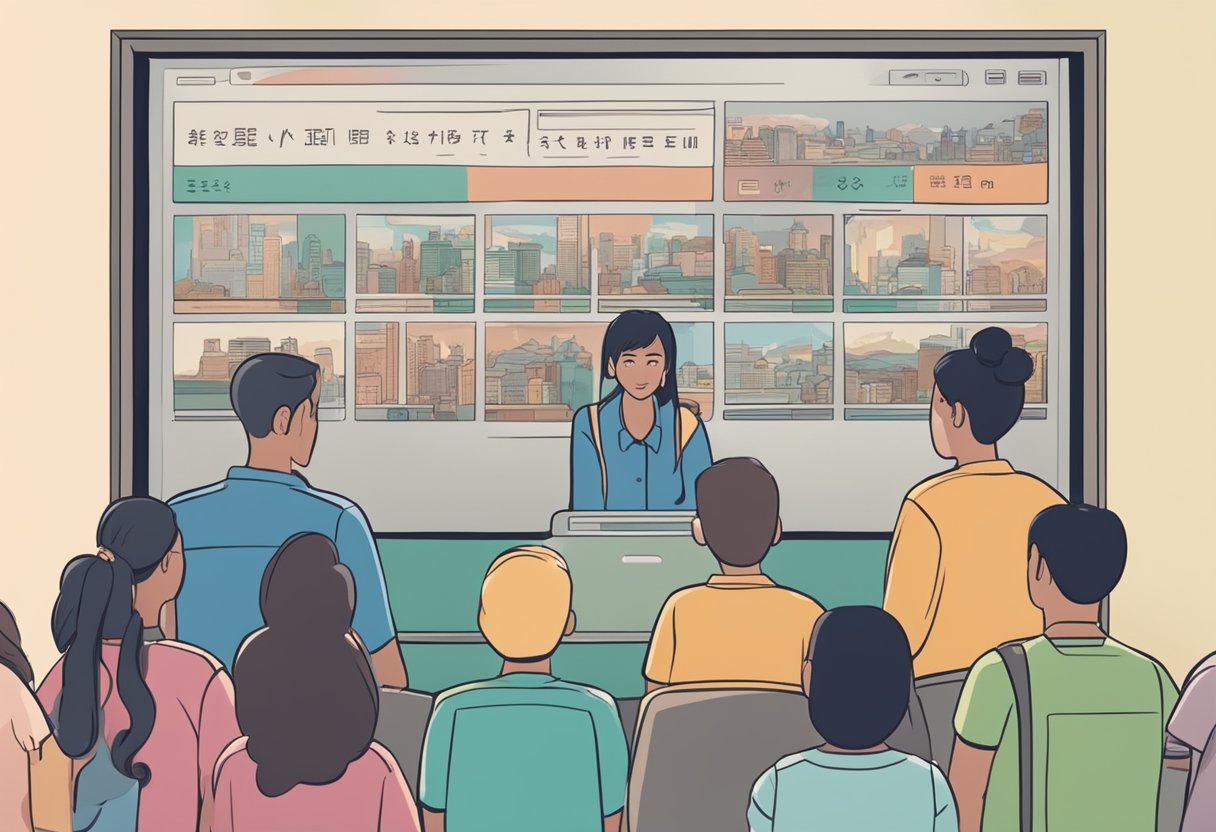
Venturing into a new language can be an exhilarating and multifaceted journey, especially when movies and TV shows become your companions. These audiovisual media immerse you in vivid storytelling, making them powerful tools for language acquisition. By watching your favourite characters navigate thrilling plot twists, you absorb new vocabulary, phrases, and linguistic nuances almost effortlessly. As you get whisked away to different worlds, you’re not just entertained—you’re learning.
Selecting the right films and programmes tailored to your proficiency level acts as a catalyst in your language learning adventure. Subtitles can serve as your trusty guide, aiding comprehension and allowing you to draw connections between spoken and written language. Meanwhile, the rich tapestry of accents and dialects enhances your listening skills. More than mere sounds, the cultural backdrop of each scene enriches your understanding, providing context that textbooks alone can’t match.
Engage actively with the content you view by mimicking dialogues or jotting down unfamiliar words. Leverage the vast offerings of streaming services to create a diverse and immersive learning environment. Remember that every episode watched is a step towards fluency, and tracking your progress will help in setting focused, achievable goals. The magic of film isn’t just in the storytelling—it’s in the opportunity to learn language in a way that’s as enjoyable as it is effective.
Why Choose Films and TV for Language Learning
When you immerse yourself in films and TV shows, you engage with a language in its most dynamic form. This medium offers more than just vocabulary expansion; it provides a cultural context that enriches your learning experience. Natural conversation flows in movies and series, giving you a taste of authentic language use.
Engagement is crucial when learning a new language, and visual storytelling captivates your attention. You’re more likely to remember phrases and expressions that are part of an interesting plot. Here’s how films and TV can be invaluable tools:
Listening Skills: Hearing actors speak naturally sharpens your ability to distinguish sounds and improve your auditory processing.
Comprehension: Subtitles in the target language can aid understanding, allowing you to follow along and catch nuances in dialogue.
Cultural Context: Cultural references and settings in films provide insights into customs and social norms, making language relevant and alive.
Natural Conversation: The unscripted style of dialogue in some shows helps you learn how people really talk, including slang and idiomatic expressions.
By choosing movies and TV to support your language journey, you’re not just learning to communicate—you’re learning to connect with a whole new world of people and their stories.
Selecting Content to Match Your Level
Before you jump into learning languages with films and TV shows, it’s essential to choose content that aligns with your current language proficiency. Doing so will ensure that you’re not overwhelmed by complexity, and your comprehension skills continue to grow.
Understanding Genres and Their Complexity
Different genres of films and television programmes possess varying levels of linguistic and conceptual complexity. For beginners, you might start with genres that often have simpler dialogue, such as children’s movies or straightforward comedies. As you progress, genres like dramas or documentaries can expose you to a wider vocabulary and more complex sentence structures.
Evaluating Your Language Proficiency
Be honest with yourself about your language proficiency. If you’re a beginner, look for shows with basic vocabulary and slower speech. Intermediate learners may opt for content with more diverse language use, but still comprehensible. For advanced students, challenge yourself with fast-paced dialogue and colloquialisms that require a firm grasp of subtlety in language.
Identifying Materials for Progressive Learning
Begin with materials that enhance your basic comprehension skills and gradually introduce more complex phrases and vocabulary. Initially, utilise learning aids such as subtitles in your native language, then transition to subtitles in the target language. Eventually, you’ll be able to watch without any subtitles, fully immersing yourself in the language. Structured like a staircase, each step should build upon the previous one, allowing for progressive learning and consolidation of the language.
Utilising Subtitles Effectively
Navigating through language learning assisted by films and TV shows can be an engaging and effective method. The use of subtitles plays a critical role in enhancing listening comprehension and vocabulary acquisition.
The Role of Subtitles in Language Acquisition
Subtitles greatly influence your journey to learning a new language. When you watch a film with subtitles, you engage not just your listening comprehension but also reading skills. By reading along with spoken dialogue, your brain is able to connect words with their sounds, which can boost retention and vocabulary acquisition. Studies have shown that when learners engage in watching movies with subtitles in the target language, the effectiveness of learning is significantly increased.
Choosing Subtitle Settings
Deciding on the best subtitle settings can greatly impact your learning experience:
Same-language subtitles: If you’re a beginner, having subtitles in the same language as the audio can clarify speech and help you catch every word.
Native language subtitles: Might seem helpful, but relying on translations can impede your ability to learn the target language effectively.
You should aim to gradually move from native language subtitles to same-language subtitles, as this will enhance your vocabulary and overall language comprehension. Remember to periodically assess your comfort level and comprehension, and adjust your settings to ensure you are continually challenging yourself.
The Impact of Cultural Knowledge on Learning
When venturing into a new language, embracing the culture behind the words can significantly enhance your learning. Films and TV shows are particularly powerful tools for simultaneously gaining cultural insights and language skills.
Connecting Language With Culture
Culture is the very fabric that languages are woven from. Learning a new language through films and TV shows allows you to immerse yourself in the cultural context that is often missed in traditional textbooks. For example, watching a Spanish film might expose you to the vibrant festivities of a local fiesta or the family-centric values that are pivotal in Spanish-speaking societies. This cultural knowledge deepens your understanding of when and how certain phrases are used, providing you with a richer language learning experience.
Traditions, Nuances, and Colloquial Language
Traditions play a significant role in language. They help you comprehend the historical and cultural underpinnings of certain expressions. Furthermore, picking up on nuances and slang through characters’ interactions and the settings in which they find themselves gives you a practical and authentic grasp of the language. For instance, the British tradition of “afternoon tea” encompasses so much more than just drinking tea—it is a social event with its own set of language and etiquette. Understanding such traditions can give you a deeper appreciation and practical knowledge of English.
Enhancing Listening Through Various Accents and Dialects
When learning a new language through movies and TV shows, you’re exposed to a rich tapestry of accents and dialects. This exposure is invaluable in developing your listening skills and comprehension.
Navigating Regional Variations
You’ll find that accents and dialects can vary widely, even within the same language. For example, English spoken in Scotland is remarkably different from the English you’d hear in the streets of London. By regularly watching films and TV shows that feature native speakers with different regional accents, you are training your ear to understand the language as it is spoken in various parts of the world.
Examples of Regional Accents:
British English in “Downton Abbey”
American English in “Friends”
Australian English in “Home and Away”
The Importance of Diverse Auditory Exposure
Diverse auditory exposure not only bolsters your ability to comprehend different accents but also acquaints you with various cultural nuances. Hearing a range of dialects from native speakers provides you with a more holistic understanding of the language. The aim is to be able to understand and, eventually, communicate with a broad spectrum of speakers, not just those who speak the ‘standard’ form taught in textbooks.
Benefits of Diverse Exposure:
Improved comprehension
Greater linguistic flexibility
Increased cultural awareness
Developing Vocabulary and Contextual Understanding
Engaging with films and TV shows is an effective way to enhance your vocabulary and understanding of context. These visual and auditory mediums can provide you with a rich resource for encountering new words within a meaningful framework.
Learning New Words in Context
When you watch films or TV shows in a language you’re aiming to master, you come across vocabulary used in real-life scenarios. This active learning approach offers exposure to words and phrases in the context of dialogue, gestures, and situations. Acquiring language skills this way mimics how you learned your native language – through direct interaction with a rich sensory environment. To solidify this learning, you might consider creating a table with new vocabulary and their corresponding contexts:
New Word
Scene Context
Meaning in Context
Palabra (Spanish for ‘word’)
Character finding a hidden message
The word found held the clue to the mystery
λέξη (Greek for ‘word’)
Debate at a family dinner
She stressed every word to make her point clear
Building a Personal Lexicon
A personal lexicon – your very own collection of words and meanings – grows naturally as you engage with different language inputs. Keep a dedicated notebook or digital document to jot down new vocabulary. By categorising these new additions – such as ‘legal terms’, ‘slang’, ‘idioms’ – you create a structured and personalised reference that you can return to. Bold the words you find particularly challenging, and highlight the ones you’ve mastered. Approaching language in this contextual and structured manner helps to solidify your understanding and expand your active vocabulary.
The Role of Visual and Non-Verbal Cues
When you engage with films and TV shows to learn new languages, the power of visual and non-verbal cues can’t be overestimated. These cues provide crucial context that aids comprehension and language acquisition, even before you’ve mastered the vocabulary.
Deciphering Body Language and Facial Expressions
The subtleties of body language and facial expressions can tell you a lot about what’s happening without a single word being spoken. In a scene, an actor’s slouched posture may indicate sadness or defeat, while crossed arms could suggest defensiveness. By paying close attention, you understand the emotions and intentions behind the characters’ actions.
Interpreting Visual Context
Visual context offers a wealth of information that supports language learning. The setting of a scene, the objects present, and the characters’ interactions with their environment all provide you with clues. Whether it’s a bustling cityscape indicating urgency or a serene countryside portraying tranquillity, these visuals ground the spoken language in a setting that enhances your understanding.
Practical Exercises for Active Language Practice
When you’re learning a new language through films and TV shows, active engagement is key. By transforming passive watching into an interactive experience, you enhance your language acquisition. Here are some practical exercises:
Interactive Subtitles: Toggle between the language you’re learning and your native language. Watch a scene with foreign subtitles first, then with English subtitles, and try to match the dialogue to the meaning.
Fill-in-the-Blanks: While watching, mute a section of the dialogue. Based on the context, try to fill in the blanks with what you think the characters might say. Compare with the actual dialogue afterwards.
Role-Playing:
Choose your character: Select a character from the film or show and repeat their lines, mimicking their accent and intonation.
Create your scenario: After watching a scene, create a new one where you and a friend role-play in the characters’ shoes, but with your own twist.
Writing Exercises: Write a character’s diary entry or a summary of the episode in the language you’re learning. This practice is excellent for consolidating new vocabulary and phrases.
Language Lessons:
Vocabulary Building: Make a list of new words from the episode and put them in sentences of your own.
Grammar Practice: Identify sentences in the film that use a specific grammatical structure and practise creating your own similar sentences.
Discussion Groups: Join or set up a language learning group where members watch the same material and meet up to discuss it. This promotes both speaking and listening skills.
Incorporating these activities into your regular viewing can turn your love for films and TV shows into a powerful tool for language development. You are not just watching; you are immersing yourself in the language, culture, and expressions. The key is to stay consistent and make these practices a fun part of your learning routine!
Using TV Series and Films as Supplementary Materials
Embrace the power of TV series and films to enhance your language lessons, creating an immersive and entertaining educational experience.
Incorporating Media Into Formal Study Plans
When planning your language lessons, consider weaving in selected TV series and films that resonate with the cultural nuances and colloquialisms of the target language. By integrating these media in a structured manner, you create an active learning environment. For instance, allocate specific episodes or segments that align with the learning outcomes of your lesson plan. This could mean watching a Spanish thriller to complement a lesson on verbal tenses or an episode of a French drama to explore daily vocabulary.
Pre-viewing tasks: Prepare questions or vocabulary lists to prime your understanding.
Interactive tasks: Engage with the content by repeating phrases or summarising scenes.
Follow-up tasks: Discuss the content or create role-plays to solidify the language feature.
Balancing Entertainment and Education
While films and TV series provide an attractive learning platform, balancing their entertainment value with educational efficacy is crucial. To ensure this balance:
Choose content wisely: Select shows and films that are of appropriate difficulty level and interest.
Set clear learning objectives: Identify what linguistic skills you aim to enhance with each piece of media.
Active viewing strategies: Encourage active engagement by taking notes, pausing to reflect, and engaging with the subtleties of the language.
Remember, these resources are meant to supplement your existing educational materials, not replace them. Use them as a tool to expose yourself to natural speech patterns and cultural context, making your language learning journey as lively and effective as possible.
Leveraging Technology and Streaming Services
In your quest to master a new language through film and television, technology and streaming services become invaluable tools. They offer immersive and interactive experiences that can significantly enhance your language learning journey.
Platforms Offering Language Learning Features
Several streaming platforms are geared specifically towards language learners, with Lingopie standing out as a prime example. It’s a service dedicated to teaching languages through TV shows and movies from around the world, providing both entertainment and educational value. With features like subtitles in both your native language and the one you’re learning, it helps you to bridge the gap between enjoyment and education.
On a broader scale, Netflix has become a treasure trove for learners. You can access a vast range of international content, enabling you to not only listen to the language as it is naturally spoken but also to familiarise yourself with different dialects and cultural nuances.
Creating a Personalised Learning Environment with Tech
The beauty of modern technology is that it empowers you to create a personalised learning environment. Tailor your setup to suit your own style, pace, and preferences by leveraging gadgets and apps that enhance your viewing experience.
For instance, use your smartphone or tablet to run language learning apps alongside your chosen content. This tech synergy allows you to pause, look up words, and even practice pronunciation on-the-go. Consider employing SaaS tools like Movie Magic Scheduling, which can help you organise your viewing to better fit language learning into your schedule.
Remember, the path to language proficiency through films and TV shows is not only about watching but interacting with the content. Technology and streaming services provide you with a dynamic platform to do exactly that.
Tracking Your Progress and Setting Achievable Goals
Embarking on the journey of learning a new language through films and TV shows can be a delightful experience. To ensure continuous improvement, it’s essential to track your language skills and set goals that keep you motivated.
Measuring Improvement in Language Skills
Create a learning diary to jot down new words, phrases, and expressions you’ve encountered while watching. You could structure your diary like this:
Date
Title of Film/TV Show
New Vocabulary
Context of Use
My Own Sentences
Progress in language skills can also be measured through periodic self-assessment tests tailored to the language you’re learning. Look for online resources that provide quizzes related to the content you’ve watched.
Staying Motivated and Adjusting Goals
Stay motivated by setting small, achievable goals such as understanding a full scene without subtitles or learning 10 new words from each episode of a TV series. Reward yourself each time you achieve a goal.
In case of hitting a plateau, adjust your goals. This might mean focusing on different aspects of the language, such as pronunciation or cultural idioms. The key is to maintain engagement and ensure that learning remains enjoyable. Remember, it’s about the journey, not just the destination.
Conclusion
Learning languages through films and TV shows offers an engaging, immersive approach that complements traditional classroom methods. Throughout this guide, we’ve explored how visual media provides authentic language exposure, cultural context, and natural conversation patterns that textbooks alone cannot deliver. By selecting appropriate content, using subtitles strategically, and engaging with material through active viewing techniques, learners can significantly accelerate their language acquisition.
For teachers, incorporating carefully chosen films and television programmes into lesson plans creates memorable learning experiences that resonate with students across different age groups and proficiency levels. Parents supporting language learning at home can use these resources to create rich, entertaining practice opportunities that maintain motivation whilst building real-world communication skills.
At LearningMole, we’re committed to supporting innovative approaches to language education that engage learners and deliver genuine results. Our resources help teachers and parents identify appropriate content, develop structured viewing activities, and track progress effectively. By combining the entertainment value of film and television with proven educational strategies, we create learning experiences that students genuinely enjoy whilst developing essential listening comprehension, vocabulary, and cultural understanding.
Whether you’re a teacher looking to refresh your language curriculum, a parent supporting home learning, or a student seeking effective self-study methods, our comprehensive library of educational materials provides the guidance and resources you need. Explore our subscription service today to access thousands of curriculum-aligned videos, downloadable worksheets, and practical teaching strategies that make language learning through media both effective and enjoyable.
Maths Circus, an innovative platform we've crafted, presents a captivating realm where children learn mathematics through the exciting theme of a circus. The joy of juggling numbers and solving circus...
Article Summary What this article covers: How to calculate minutes and hours in primary maths, including reading analogue and digital clocks, converting between the 12-hour and 24-hour clock, working out...
Article Summary What this article covers: Facts about forces and motion for primary children, including Newton's three laws, friction, gravity, air and water resistance, measuring forces and simple machines, with...
Article Summary What this article covers: Fun monkeys facts for kids, explained for UK primary pupils, with links to the National Curriculum for science at Key Stage 1 and Key...







Leave a Reply