Picture a Year 9 student in Manchester who can calculate compound interest on a savings account with ease, yet struggles to understand why their FIFA Ultimate Team spending has spiralled out of control.
This disconnect between money and maths skills highlights a critical gap in modern education. Whilst students learn mathematical formulae, they often miss the practical application of these concepts to real financial decisions.
The relationship between money and maths extends far beyond textbook exercises—it represents the foundation students need to navigate an increasingly complex financial landscape. Teaching money and maths together creates a powerful framework for developing genuine financial capability, not just theoretical knowledge.
The current educational approach to money and maths often treats these subjects as separate entities. This fragmented approach fails to address how young people actually interact with money in 2026. Students encounter Buy-Now-Pay-Later schemes, digital wallets, in-game currencies, and algorithmic advertising daily, yet their education rarely prepares them for these realities.
At LearningMole, we recognise that teaching money and maths effectively requires more than adding financial topics to existing curricula. It demands a fundamental shift in how we approach both subjects, creating authentic connections that help students see mathematics as a practical tool for financial decision-making.
Table of Contents
Why Money and Maths Matter in Modern Education
The connection between money and maths represents one of the most practical applications of numeracy skills students will encounter throughout their lives. Yet despite financial education becoming statutory in the UK curriculum in 2014, significant gaps remain in how effectively schools deliver this vital content.
The Current State of Financial Education
Recent data from the Money and Pensions Service reveals that nearly half of teenagers worry about money daily, yet only 40% recall receiving practical financial lessons at school.
This disconnect stems partly from how money and maths are taught as separate subjects rather than interconnected skills. When financial concepts appear only in abstract mathematical problems, students struggle to transfer this knowledge to real-world situations.
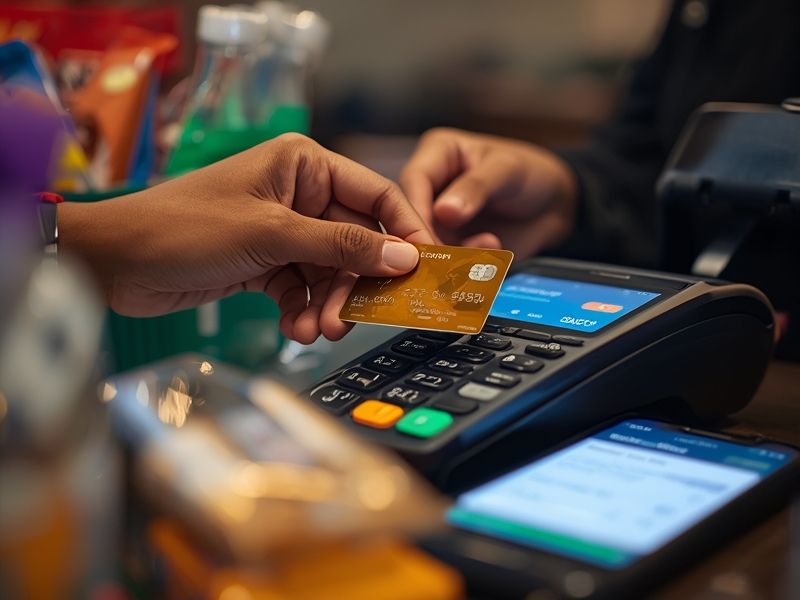
The challenge intensifies when we consider the “invisible money” effect. Physical cash transactions have declined dramatically, with contactless payments, digital wallets, and app-based spending becoming the norm.
Traditional money and maths lessons that focus on counting coins and calculating change no longer reflect students’ lived experiences. A child who manages their pocket money through a banking app needs different skills than previous generations required.
“The integration of money and maths isn’t just about teaching calculations—it’s about developing the judgement to make sound financial decisions under real-world pressure,” explains Michelle Connolly, founder of LearningMole and former classroom teacher with 16 years of experience.
Financial capability extends beyond calculating percentages or balancing accounts. It encompasses the knowledge, skills, attitudes and behaviours students need to manage money effectively throughout their lives.
Consider three essential pillars of financial capability:
Knowledge Foundation
Students must understand core money and maths concepts including interest rates, credit, debt, savings, and investment. However, knowing how to calculate compound interest means little without understanding when this knowledge applies in real life.
Behavioural Skills
Financial capability requires self-control, planning abilities, and critical evaluation of financial information. A student might excel at money and maths calculations yet struggle with impulse spending or fall victim to persuasive marketing tactics.
Practical Application
Students need opportunities to apply money and maths skills in realistic scenarios. This means moving beyond worksheet exercises to tackle genuine financial decisions, complete with emotional components and competing priorities.
The Inequality Impact of Poor Financial Education
The consequences of inadequate money and maths education disproportionately affect students from disadvantaged backgrounds. Research consistently shows that children from lower-income families are less likely to receive financial guidance at home, making school-based financial education crucial for social mobility.
Effective money and maths education serves as an equaliser, providing all students with foundational knowledge regardless of family background. Schools that successfully integrate financial concepts across the curriculum help level the playing field, giving every child the tools needed for financial stability and growth.
Building Financial Capability Through Money and Maths Integration
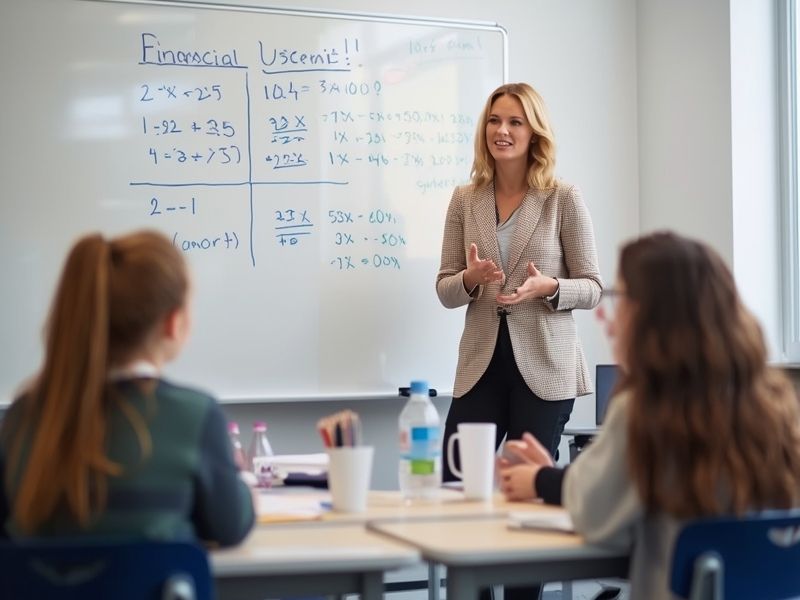
Successful integration of money and maths requires deliberate planning and a whole-school approach. Rather than treating financial education as an add-on subject, schools must weave money concepts throughout the curriculum, creating multiple touchpoints where students encounter financial thinking.
Creating Cross-Curricular Connections
The relationship between money and maths extends naturally into other subject areas, offering rich opportunities for reinforcement and application.
History lessons can explore inflation, economic cycles, and how monetary systems have evolved. Geography classes naturally incorporate discussions of trade, resource economics, and development. English lessons provide contexts for analysing advertising rhetoric, understanding financial documents, and evaluating persuasive writing in loan agreements.
Science education offers opportunities for money and maths integration when students study energy consumption, calculating household utility costs and evaluating energy-efficient appliances through cost-benefit analysis.
Design and technology subjects allow students to explore entrepreneurship, calculating material costs, pricing products, and understanding profit margins.
This cross-curricular approach reinforces that money and maths skills aren’t isolated academic exercises but tools applicable across all areas of life.
Addressing Teacher Confidence in Money and Maths Instruction
Many teachers feel uncomfortable delivering financial education, particularly when their background lies in humanities or arts rather than mathematics or economics. This “imposter syndrome” represents a significant barrier to effective money and maths integration.
Schools must recognise that teachers need not be financial experts to facilitate financial learning. The goal is developing students’ financial capability, not providing professional financial advice.
Professional development should focus on three key areas:
Building Foundational Knowledge – Teachers need sufficient understanding of money and maths concepts to guide classroom discussions and correct misconceptions.
Pedagogical Strategies – Effective financial education differs from traditional mathematics instruction. Teachers benefit from training in discussion facilitation and scenario-based learning.
Resource Awareness – Teachers should know where to find high-quality, age-appropriate resources for money and maths teaching.
LearningMole provides extensive professional development resources designed specifically for teachers who lack confidence in financial education, including step-by-step lesson plans and guided activities.
Developing Age-Appropriate Money and Maths Curricula
Effective financial education must match students’ developmental stages and real-world experiences. The money and maths concepts taught to primary students differ significantly from those appropriate for secondary learners.
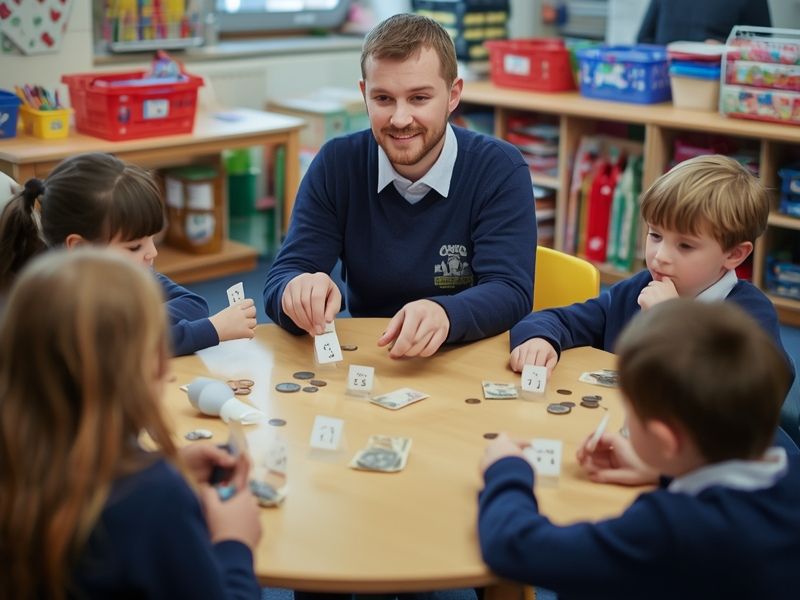
Key Stage 1 (Ages 4-7) – Focus on recognising coins and notes, understanding that items cost different amounts, and introducing basic concepts of saving versus spending through shop role-play activities.
Key Stage 2 (Ages 7-11) – Students grasp more complex money and maths relationships, understanding that money is earned through work and that people make choices based on affordability.
Key Stage 3 (Ages 11-14) – Education encompasses understanding different types of accounts, recognising how advertising influences spending, and exploring the concept of value for money and opportunity cost.
Key Stage 4 (Ages 14-18) – Older students need practical skills including understanding payslips and tax, managing first bank accounts, and recognising financial risks including scams and predatory lending.
Practical Teaching Approaches for Money and Maths
Theory alone cannot build financial capability. Students need hands-on experiences that bridge the gap between money and maths calculations and real-world financial decisions.
Scenario-Based Learning Activities
The most powerful money and maths lessons place students in realistic situations requiring financial decisions. Rather than simply calculating loan interest rates, students might compare actual lending products, considering not just mathematical calculations but also their personal circumstances and values.
Consider this example for Year 9 students:
“You’ve saved £200 from birthday money and part-time work. You want new trainers that cost £150, but your phone is old and increasingly unreliable. A decent replacement phone costs £180. Your friend’s birthday is coming up and you’d like to organise a group outing that will cost about £40. What do you do?”
This scenario integrates money and maths skills whilst acknowledging the social and emotional dimensions of spending decisions.
Teachers should facilitate rich discussions around scenarios rather than pushing students towards predetermined “right” answers. Questions like “What information would help you decide?” guide students towards analytical thinking about money and maths problems.
Using Technology and Simulations
Digital tools offer unique advantages for money and maths education, allowing students to experiment with financial decisions in safe environments where mistakes become learning opportunities rather than costly errors.
Banking simulations let students practise account management, including setting up direct debits and monitoring balances. Investment simulations introduce concepts of risk and return without real financial consequences. Budgeting apps help students track spending across categories and identify patterns.
However, technology should complement rather than replace human interaction around money and maths topics. The most effective approach combines digital tools with teacher-facilitated discussion.
LearningMole’s digital platform offers carefully designed money and maths activities that balance independent exploration with structured learning objectives aligned with UK curriculum standards.
Project-Based Money and Maths Learning
Extended projects allow students to apply money and maths skills across multiple sessions whilst developing deeper understanding through sustained engagement.
Business enterprise projects give students hands-on experience with comprehensive financial planning. Working in teams, students develop product ideas, calculate start-up costs, set prices, manage budgets, and track income and expenses.
Social enterprise projects ask students to balance financial sustainability with social impact, perhaps planning fundraising events that require budget management whilst maximising donations.
Personal finance projects challenge students to plan for significant life events—moving into their first flat, purchasing a car, planning a gap year trip—requiring extensive research into actual costs and detailed budgeting.
Digital Financial Education for the Modern Era
The financial landscape students will navigate bears little resemblance to the systems their parents encountered. Effective money and maths education must address current realities including digital payments, online security, and new forms of credit.
Teaching Digital Financial Security
Financial scams increasingly target young people through sophisticated digital tactics. Students need awareness of common threats and strategies for protecting themselves online.
Phishing attacks attempt to steal login credentials through fake websites or emails mimicking legitimate financial institutions. Students should learn to verify website URLs and recognise suspicious requests for personal information.
Social media scams often promise easy money through investment opportunities or cryptocurrency schemes targeting young people with little financial experience. Teaching students to approach such offers with scepticism forms an essential money and maths skill for the digital age.
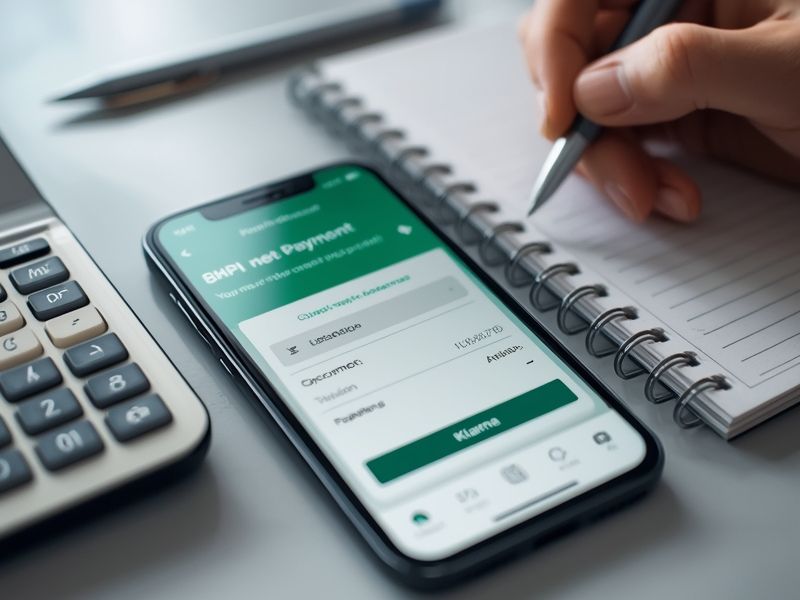
BNPL services like Klarna, Clearpay, and Afterpay have proliferated, fundamentally changing how young people access credit. These platforms market themselves as convenient, interest-free payment options, yet they carry risks students must understand.
Unlike traditional credit cards requiring age verification and credit checks, BNPL services often impose minimal barriers, making them accessible to teenagers. The psychological distance created by spreading payments can encourage overspending.
Money and maths lessons should examine BNPL mechanics, including payment schedules, late fees, and credit reporting implications. Students benefit from calculating total costs under various payment arrangements, comparing BNPL with alternatives including saving before purchasing.
Critical evaluation skills matter enormously. Students should question why retailers promote BNPL options so heavily and recognise marketing tactics designed to normalise debt.
Gaming Currencies and In-App Purchases
Video games introduce many children to financial transactions years before they manage real money. In-game economies with virtual currencies, loot boxes, and cosmetic items create complex systems that can foster both financial learning and problematic spending patterns.
Students often fail to recognise that in-game currencies represent real money. When a game uses V-Bucks, Robux, or gems rather than pound sterling, the psychological connection to actual spending weakens.
Money and maths education should explicitly address this disconnect, helping students calculate the real cost of virtual items. Loot boxes and randomised rewards introduce gambling mechanics to young audiences, requiring understanding of probability and expected value.
Supporting Money and Maths Learning Beyond the Classroom
Schools cannot build financial capability alone. Families play crucial roles in developing students’ money and maths skills through everyday conversations, modelling financial behaviours, and providing opportunities for practice.
Practical Family Activities for Financial Learning
Everyday situations offer rich opportunities for money and maths discussion. Grocery shopping becomes a lesson in budgeting and comparing unit prices. Involving children in meal planning introduces concepts of balancing nutrition, preferences, and budget constraints.
Household bill reviews provide authentic contexts for discussing utility costs and exploring energy efficiency. Young people benefit from seeing how families budget for regular expenses and manage cash flow.
Family holidays or outings require budget planning and research into costs. Involving young people in these planning processes develops their financial capability whilst demonstrating practical applications of money and maths skills.
Pocket money or allowance systems teach money management when structured thoughtfully. Some families require children to allocate portions to savings, spending, and charitable giving, introducing budgeting concepts from an early age.
Creating Home-School Partnerships
Effective money and maths education requires alignment between school instruction and home reinforcement. Schools can support families through clear communication about financial topics covered in class and suggestions for extending learning at home.
Family workshops help parents understand current financial education content and how it differs from what they learned at school. Many parents feel uncertain about discussing money with their children, particularly regarding topics like credit, debt, or investment.
LearningMole offers family-focused resources designed to support money and maths learning at home, including discussion prompts, activity ideas, and age-appropriate explanations of financial concepts that parents can explore alongside their children.
Building Financial Futures Through Money and Maths
The integration of money and maths within education represents far more than adding financial topics to existing curricula. It requires fundamental reconsideration of how we prepare young people for economic participation in a rapidly evolving financial landscape.
Effective money and maths education recognises that students need both technical skills and behavioural competencies. Schools that successfully integrate money and maths create multiple touchpoints across subjects and year groups, building financial capability progressively throughout students’ educational journeys.
Families play indispensable roles in developing financial capability through everyday conversations, modelling healthy financial behaviours, and providing safe spaces for young people to practise money management. The most effective money and maths education occurs through partnership between schools and homes.
As we move further into 2026 and beyond, the financial world will continue evolving in ways we cannot fully predict. What remains constant is the need for young people to develop financial capability—the knowledge, skills, and confidence to navigate whatever financial landscape they encounter throughout their lives.
At LearningMole, we remain committed to supporting educators, families, and students through comprehensive resources that make money and maths education accessible, engaging, and effective. Our curriculum-aligned materials, teacher support resources, and family-focused content all aim to build financial capability that serves students well beyond their school years.
The relationship between money and maths provides a powerful framework for developing essential life skills. By teaching these subjects in integrated, practical ways that acknowledge the realities young people face, we equip them to build secure financial futures whilst contributing positively to the broader economy.
Explore LearningMole’s comprehensive money and maths resources, including curriculum-aligned lesson plans, engaging video content, and interactive activities designed to build genuine financial capability across all key stages.
FAQs
How can I teach money and maths if I’m not confident with financial concepts myself?
You don’t need to be a financial expert. Focus on facilitating discussions and exploring concepts alongside your students. Use ready-made lesson plans and resources from platforms like LearningMole that provide step-by-step guidance and background information.
At what age should financial education begin?
Start in Early Years with simple concepts like recognising coins and understanding value. Build progressively at each Key Stage, introducing age-appropriate money and maths content that matches developmental stages and real-world experiences.
How do I integrate money and maths across different subjects?
Connect naturally: History explores inflation and economic systems; Geography covers trade; English analyses advertising; Science examines energy costs. Look for financial angles in every subject’s existing content rather than adding separate lessons.
What’s the difference between financial literacy and financial capability?
Financial literacy is understanding concepts and calculations. Financial capability includes applying this knowledge to real decisions, plus the behavioural skills and judgement needed to manage money effectively throughout life.
How can parents reinforce school learning about money and maths at home?
Involve children in everyday financial decisions like grocery shopping, meal planning, and budgeting for activities. Discuss adverts together and use pocket money for practising saving and spending decisions in real contexts.
Maths Circus, an innovative platform we've crafted, presents a captivating realm where children learn mathematics through the exciting theme of a circus. The joy of juggling numbers and solving circus...
Article Summary What this article covers: What cultural traditions are, with examples of festivals, food, music, clothing, games, greetings and family customs from every inhabited continent, plus guidance on teaching...
Article Summary What this article covers: How to calculate minutes and hours in primary maths, including reading analogue and digital clocks, converting between the 12-hour and 24-hour clock, working out...
Article Summary What this article covers: Facts about forces and motion for primary children, including Newton's three laws, friction, gravity, air and water resistance, measuring forces and simple machines, with...









Leave a Reply