Choosing the right books for children aged 5-7 can really shape their early learning. Key Stage 1 reading lists offer handpicked titles that support language development, link to curriculum topics and help build a love of reading during these important years.
Maybe you’re a teacher building a classroom library. Or perhaps you’re a parent searching for stories that actually hold your child’s attention. Quality picture books and early chapter books can make a huge difference.
Michelle Connolly, founder of LearningMole and a former primary teacher with over 15 years’ experience, says, “The books we share with KS1 children do more than teach them to read. They spark curiosity, build empathy and create those magical moments that turn children into lifelong readers.”
This UK educational platform provides curriculum-aligned resources to go alongside the brilliant books available for young learners.
The best KS1 reading lists mix much-loved picture books, first chapter books and non-fiction that match children’s reading skills as they grow.
From storytime favourites to books covering topics like weather, seasons or historical events, the right selection helps every child discover stories they enjoy.
Key Takeaways
KS1 reading lists include picture books and early chapter books for children in Years 1 and 2.
Good book choices support both curriculum learning and reading for pleasure.
Having a varied library at home or school helps children build strong reading habits and explore different interests.
Understanding KS1 Reading
KS1 covers children in Years 1 and 2. They start building the core skills needed to become confident readers.
Reading during these years shapes how children learn in every subject. It also helps them understand stories, follow instructions and explore new ideas.
What Is KS1 and Who Is It For?
Key Stage 1 means the first two years of primary school in England and Wales. Year 1 children are usually 5 to 6 years old. Year 2 pupils are 6 to 7.
During KS1, your child goes from learning letter sounds to reading complete sentences and short books on their own. The National Curriculum for KS1 uses phonics instruction to teach reading.
Schools check children’s progress with regular phonics checks and reading assessments.
Books for KS1 pupils include picture books, early readers and first chapter books. These books match your child’s skills and help them practise decoding words while enjoying stories.
The Importance of Developing Reading Habits
Reading at home makes a real difference to your child’s progress in school. Children who read often with support develop stronger reading skills and do better in all subjects.
Even 10 to 15 minutes of reading each day helps your child become more confident. Sharing books together shows that reading is fun, not just a school job.
This positive feeling encourages children to pick up books by themselves.
Reading together also brings you and your child closer. You can talk about the pictures, guess what happens next or discuss how the characters feel.
These chats help your child understand stories on a deeper level.
Key Skills Built Through Reading
KS1 reading builds several key abilities for learning. Your child learns to sound out new words by blending letters. They also start to recognise common words that don’t follow the usual rules.
Comprehension skills grow as children learn to:
Understand what they read
Predict what might happen in the story
Answer questions about characters and events
Relate stories to their own lives
Reading at primary school quickly expands vocabulary. Children come across new words in books that they might not hear in conversation.
This bigger vocabulary helps them explain ideas better in both speaking and writing.
Fluency grows as your child reads more. They start to read with expression and at a steady pace, which makes reading feel easier and a lot more enjoyable.
KS1 Book Recommendations by Year Group
Children in Key Stage 1 need books that match their reading skills and interests. Year 1 pupils often do best with picture books with simple text.
Year 2 readers can usually handle longer stories with chapters.
Top Books for Year 1
Year 1 pupils are still building confidence. They need books with clear illustrations and repetitive language patterns.
“We’re Going on a Bear Hunt” by Michael Rosen remains a classroom favourite. Its rhythmic text makes it easy for children to predict words and join in.
The repeated phrases make it great for reading together at home or school.
Popular picture books like “The Gruffalo” by Julia Donaldson mix rhyming text with a fun story. “Room on the Broom” works well because children can spot the pattern as more characters join the witch.
Many books for KS1 pupils focus on animals and situations that six-year-olds know from their own lives.
Look for books with 20 to 50 words per page at this stage. Stories about starting school, making friends or family life connect with Year 1 children.
Books like “Whatever Next!” by Jill Murphy blend fantasy with everyday objects that children recognise.
Top Books for Year 2
Year 2 readers can manage short chapter books and more detailed picture books. “Flat Stanley” by Jeff Brown introduces chapters but keeps the text simple enough for seven-year-olds.
The funny story helps keep children interested over several reading sessions.
Recommended chapter books include “The Hodgeheg” by Dick King-Smith and early Rainbow Magic titles. These primary school reading books usually have four to eight chapters and plenty of illustrations to break up the text.
Year 2 pupils like books they can finish on their own in a week.
Picture books still matter at this age. “The Day the Crayons Quit” by Drew Daywalt has longer text and humour that suits developing readers.
You can find comprehensive book lists that avoid the obvious choices and highlight quality texts matched to the curriculum.
Non-fiction starts to become more interesting in Year 2. Books about space, dinosaurs or how things work support English learning and link to science topics.
Look for books with 50 to 100 words per page as your child gets more confident.
First Chapter Books for Early Readers
First chapter books bridge the gap between picture books and full-length novels. They offer young readers aged 5-7 simple plots and helpful illustrations.
These books build confidence with short chapters and straightforward vocabulary. They also introduce more complex storylines.
These books use simple language that fits what children learn in phonics programmes. Some words will still be a stretch, so many books for KS1 learners include tricky words Jolly Phonics teaches early on.
Your child should know most words on each page by themselves. If they get stuck on more than five words per page, the book might be a bit too hard for now.
Transitioning from Picture Books
Moving from picture books to first chapter books happens slowly over Year 1 and Year 2.
Start with books that have one or two sentences per page and lots of pictures.
Pick books where the pictures help tell the story, but your child still needs to read the words to follow what’s going on. Series like The Magic Faraway Tree or Mr Gum strike this balance nicely.
Try reading alternate pages with your child. This shared reading helps them tackle longer stories without getting tired or frustrated.
You can read the dialogue for different characters to make it more fun.
Go for topics your child already loves. A football fan will try harder with a story about scoring goals, while an animal lover might stick with a book about zoo adventures.
Popular Theme-Based KS1 Book Lists
Theme-based book collections help children link stories to topics they find exciting. They also build reading skills right across Key Stage 1.
Books about dragons, space or different cultures let young readers explore new ideas through stories that match their interests.
Dragons and Magical Creatures
Dragons really catch the imagination of KS1 children. They make great starting points for building reading confidence.
Picture books with friendly dragons suit Year 1 readers. Year 2 pupils can try early chapter books with dragon characters.
Zog by Julia Donaldson introduces a clumsy dragon learning to fly at dragon school. The rhyming text helps early readers and the story encourages persistence.
The Paper Bag Princess by Robert Munsch flips the usual dragon tale with a clever princess who outsmarts a dragon.
Children ready for longer stories might like The Dragon with a Chocolate Heart by Stephanie Burgis. This chapter book follows a dragon turned into a human girl. The vocabulary fits confident Year 2 readers.
Teachers often pair dragon books with creative writing where pupils invent their own magical creatures.
Adventures in Space
Space books introduce KS1 children to science ideas through stories and facts. Fiction makes planets and astronauts feel close. Non-fiction answers questions about the solar system.
Whatever Next! by Jill Murphy follows Baby Bear on a pretend trip to the moon using household objects. The simple text suits Reception and Year 1.
The Darkest Dark by Chris Hadfield tells how a boy who fears the dark becomes an astronaut. It links feelings to space exploration.
Year 2 pupils enjoy Aliens Love Underpants by Claire Freedman for its silly take on aliens. Non-fiction like First Big Book of Space includes photos and diagrams that support science topics in the National Curriculum.
Many schools create space-themed reading displays for KS1 to encourage children to try both stories and fact books.
Around the World Stories
Books set in different countries help KS1 children learn about other cultures and traditions. These stories support geography and build empathy and curiosity about different ways of living.
Handa’s Surprise by Eileen Browne takes place in Kenya and introduces African fruits and animals through a simple story. The repeated pattern helps early readers guess what comes next.
The Great Race retold by Christopher Corr explains the Chinese zodiac with colourful illustrations.
Year 2 classes enjoy Children Just Like Me by DK, which shows photos of real children from around the world. The book starts conversations about similarities and differences in daily life.
Picture books in the first chapter books collection often feature characters travelling to new places. They combine adventure with cultural learning that fits KS1 geography.
Twinkl Book Lists and Originals
Twinkl puts together reading lists with more than 50 book suggestions for each age group, including their own Twinkl Originals series for early years and KS1 readers. These resources cut down your planning time and support literacy development across the primary curriculum.
Twinkl Book List Overview
The Twinkl book list collection offers curated picks for KS1 learners, mixing classic tales with newer favourites. Each list focuses on a specific age group, from EYFS up to Year 2.
You’ll spot books arranged by topic, author and reading level. The books for topics section mixes well-known authors like Michael Morpurgo, Bel Mooney and Eric Carle with Twinkl’s own titles. This approach makes it easier to link books with your classroom theme or National Curriculum goals.
Teachers say these lists help when they build a KS1 library or plan reading activities. The selections foster early literacy skills and cater to different interests, whether you’re after books for guided reading, independent time or bedtime stories at home.
Top Picks from Twinkl Originals
Twinkl Originals are books created for educational use in EYFS and KS1. These titles usually match popular classroom topics and come with teaching resources.
The Originals range covers both fiction and non-fiction, supporting curriculum themes. For minibeasts, you’ll find dedicated Originals with matching teaching materials. Many titles come with read-along videos, which you can use for whole-class lessons or at home.
Twinkl designs these books for early readers, using simple vocabulary and engaging illustrations. You can access them via Twinkl’s subscription, and choose printable or digital versions. LearningMole also has free curriculum-aligned videos to support reading activities, including phonics and comprehension strategies for KS1.
Joining the Twinkl Book Club
The Twinkl Book Club lets you access exclusive reading materials and early releases of new Originals. Members get regular book picks tailored to KS1 year groups.
You’ll receive printable book lists, teaching notes and activity sheets for featured books. This makes it easier to add new titles to your literacy planning without starting from scratch. The club often features seasonal books and collections matched to common KS1 themes.
Subscription details and pricing change from time to time, so check Twinkl’s site for the latest. Lots of schools find that one subscription can support several teachers as they build their KS1 library.
Highlighting Standout Titles
A couple of picture books stand out for engaging young readers and boosting confidence and imagination in Key Stage 1 classrooms.
The Bear Who Came to Babysit
This story follows a bear who arrives to look after a young boy, turning a normal evening into an adventure. Kids aged 5-7 really connect with it, as it takes the familiar idea of having a babysitter and adds a playful twist.
The illustrations are bold and expressive, which helps early readers link pictures to words. Teachers use this book to explore emotions and routines with Year 1 and Year 2 pupils. The repetitive language patterns help children who are working on decoding words.
You can use it during story time to chat about feelings or changes in daily routines. The humour running through the story keeps children interested, making it a solid pick for building positive feelings about reading.
Starry-Eyed Stan
Stan is a boy who absolutely loves space, from planets to rockets. This Twinkl Originals book captures the wonder of astronomy in a way that really speaks to young learners.
The story uses simple sentences and introduces new vocabulary gently, so it stretches children’s understanding without putting them off. This title works well when you’re teaching science topics about space and the solar system.
The illustrations show a range of characters and settings, so all children can see themselves in the story. LearningMole has free videos on space topics that pair nicely with this book for extra activities. The narrative encourages children to predict what Stan might discover next on his stargazing adventures.
How to Choose the Right KS1 Books
Choosing books for KS1 means matching content to your child’s developmental stage and reading ability, while keeping their literary diet varied.
Choose books with clear illustrations that support the text. Pictures help young readers figure out context and decode tricky words. The size and spacing of text matter as well. Larger fonts and more space between words make it easier for children to follow lines and spot individual words.
Key selection criteria:
Language complexity: Keep sentences short and manageable for their comprehension skills.
Topic interest: Pick subjects that genuinely excite your child.
Book length: Shorter books help new readers avoid overwhelm.
Repetition and rhythm: Predictable patterns support word recognition.
Think about whether the book encourages interaction. Stories with questions, sound effects or repeated phrases invite children to join in, making reading feel like play.
Balancing Fiction and Non-Fiction
Your child needs both story books and factual texts to develop well-rounded literacy skills. Fiction builds imagination and emotional understanding. Non-fiction teaches primary school reading books vocabulary and information retrieval.
Aim for about 60% fiction and 40% non-fiction in their reading mix. Some children lean towards one type, so use their favourite as a reward and gently introduce the other through topics they already love.
Non-fiction often works wonders for reluctant readers who prefer facts. Books about animals, space or dinosaurs tend to grab attention more than traditional tales. You can find educational resources that support both fiction and non-fiction reading.
Benefits of each type:
Fiction
Non-Fiction
Builds empathy and emotional intelligence
Grows subject knowledge and vocabulary
Teaches story structure and sequencing
Introduces text features like contents and indexes
Encourages creative thinking
Supports curriculum topics across subjects
Essential Reading Lists for Pleasure and Learning
Quality book lists help you spot the right stories and texts for your KS1 class fast. They save you planning time and make sure children find books that fit their reading level and interests.
Recommended Reading for Classrooms
Key stage 1 book lists sorted by topic and ability level make it easy to find primary school reading books that fit your teaching. You can browse over fifty different lists that cover fiction and non-fiction for ages 5 to 7.
When you pick books for your classroom, think about what your pupils enjoy and the topics you’ll teach this term. Decide if you need books that include common exception words or high-frequency vocabulary. LearningMole has free phonics videos and reading resources to go with physical books in your library.
Popular KS1 authors include:
Julia Donaldson (The Gruffalo, Room on the Broom)
Roald Dahl
Dick King-Smith
Dr Seuss
Giles Andreae (Rumble in the Jungle)
Favourite Books for Story Time
Picture books and early chapter books are great for whole-class story sessions. Books curated for KS1 learners are reviewed by teachers, librarians and early years specialists, so you know they support language development and positive reading habits.
Dragons, space adventures and funny animal stories tend to capture children’s attention during story time. You might pick books that link to your science topic or go for stories about friendship and teamwork. Illustrated books help children laugh and follow the story, even if they’re still learning to read.
Supporting Diverse Interests and Abilities
Children in KS1 show a huge range in reading confidence and skills. Some need high-interest, simple texts to get excited, while others want more challenging stories to keep them engaged.
Books for Reluctant Readers
Reluctant readers often go for books with lively illustrations, humour and short chapters. Series like Dog Man by Dav Pilkey use comic-style panels and simple text, making reading feel less daunting.
The Claude series by Alex T. Smith features a lovable dog in silly situations that keep young readers coming back. Non-fiction works well for children who aren’t keen on stories. Books about dinosaurs, space or animals let pupils dig into topics they already like.
Look for titles with bold photos, clear labels and short facts. Graphic novels and illustrated readers bridge the gap between picture books and longer texts. LearningMole offers free phonics videos to help with decoding skills, so reluctant readers can tackle new words more confidently.
Choose books where pictures support the text, not replace it. This encourages children to use both visual and written clues.
Challenging Reads for Advanced Pupils
Advanced readers in KS1 benefit from books with richer vocabulary and more involved plots. The Worst Witch by Jill Murphy offers a chapter-book format and engaging characters.
Winnie-the-Pooh by A.A. Milne introduces playful language and subtle humour. Poetry collections like A Great Big Cuddle by Michael Rosen get children thinking about rhythm and wordplay.
Classic tales such as The Iron Man by Ted Hughes stretch comprehension without overwhelming young readers. Reading for advanced pupils should include chances to discuss themes and character motivation.
Pair challenging texts with questions that encourage deeper thinking. Books that explore emotions, friendships or small moral dilemmas help develop critical thinking alongside literacy skills.
Building a KS1 Library at Home or School
A good library needs the right mix of books and a space where children actually want to read. Keeping your collection fresh and age-appropriate means young readers stay interested in their books.
Tips for Creating an Inviting Reading Space
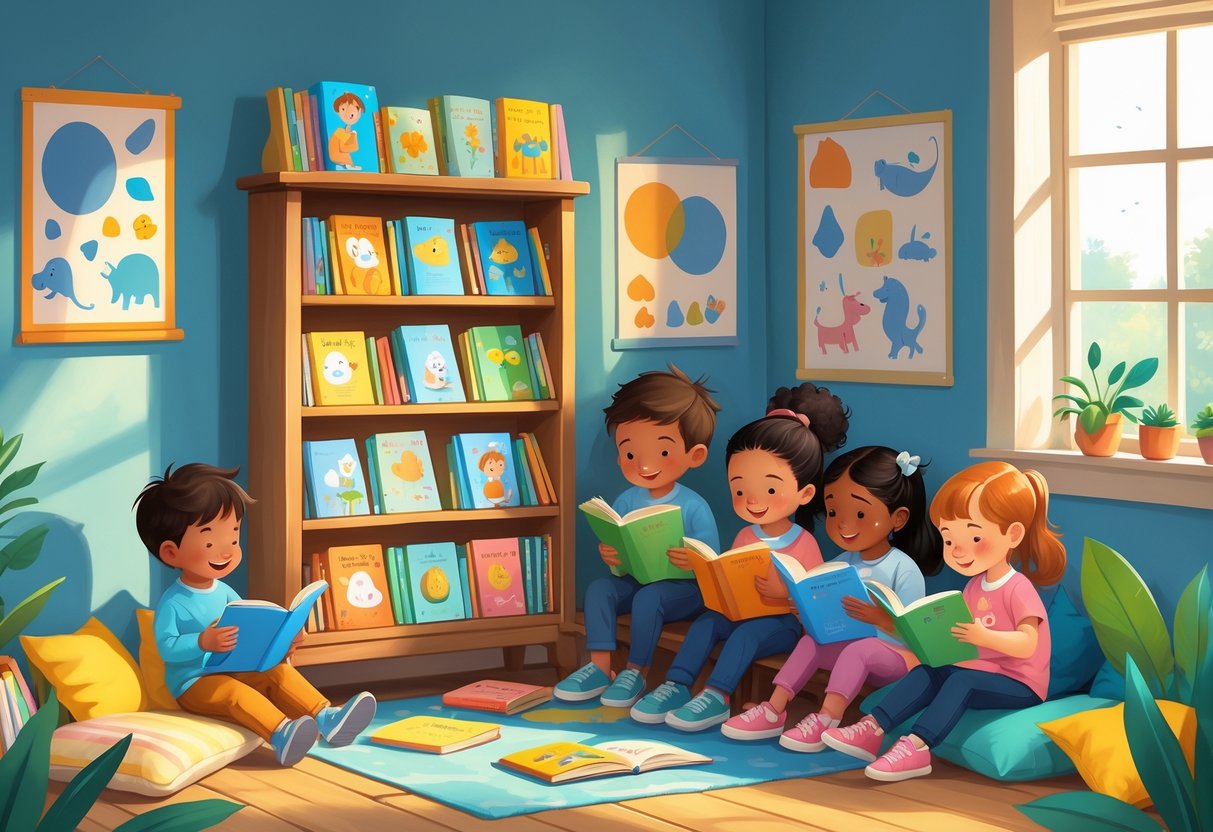
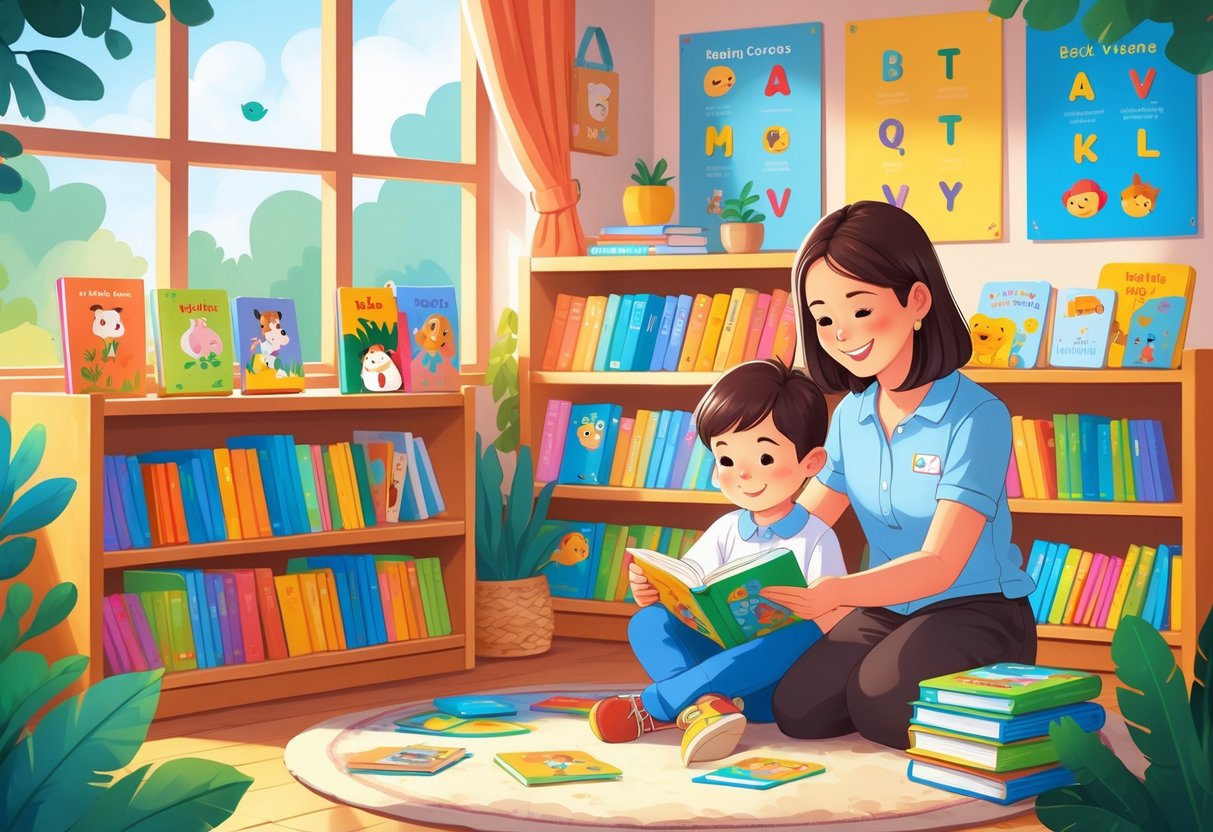
Make your reading area comfortable and easy for children aged 5-7 to access. Put books at child height on low shelves or in boxes so young readers can browse on their own.
Show off colourful covers by facing some books forward. This grabs attention right away.
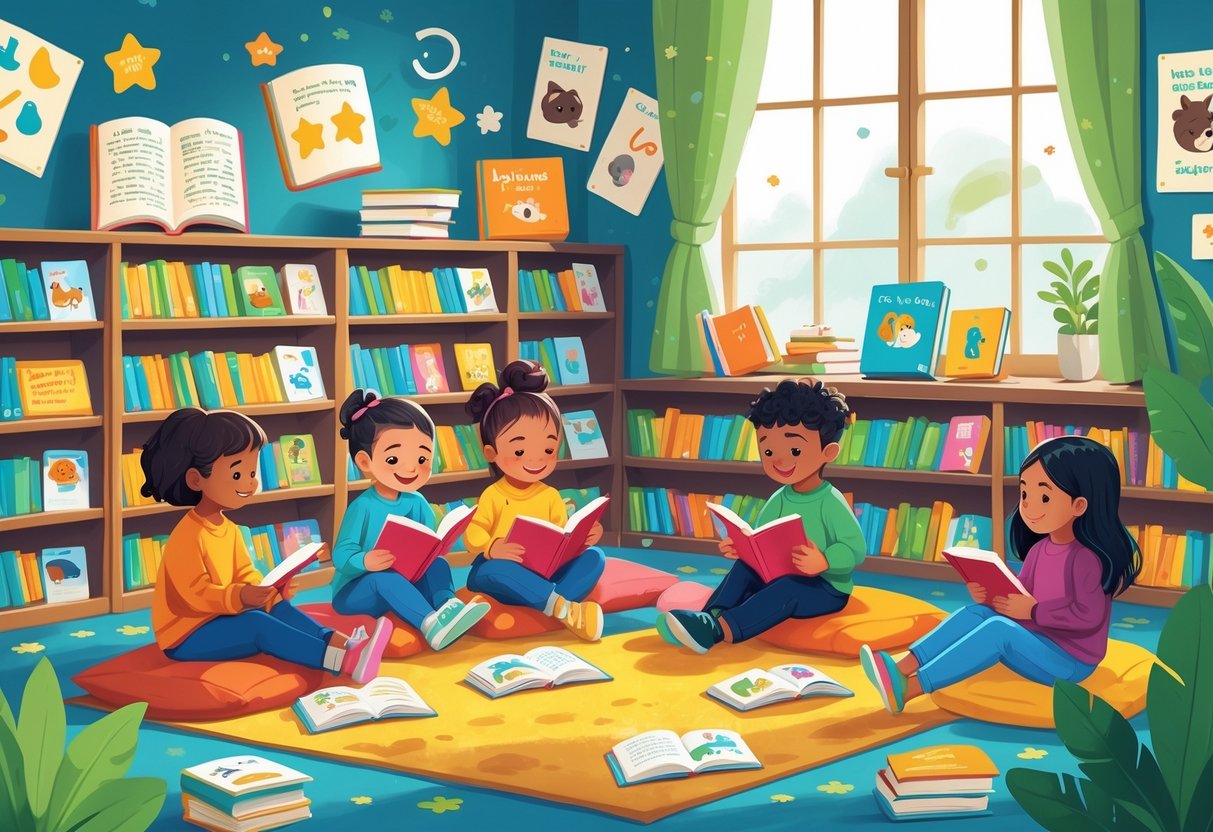
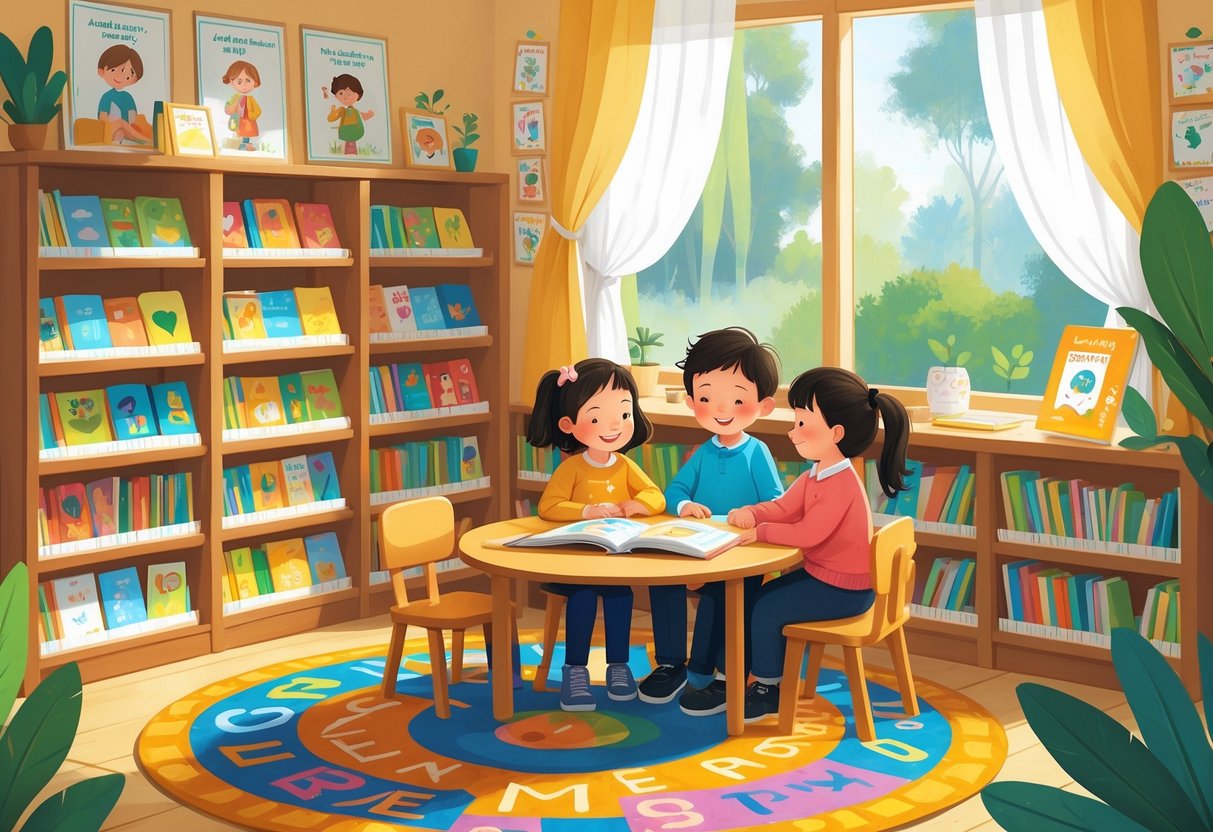
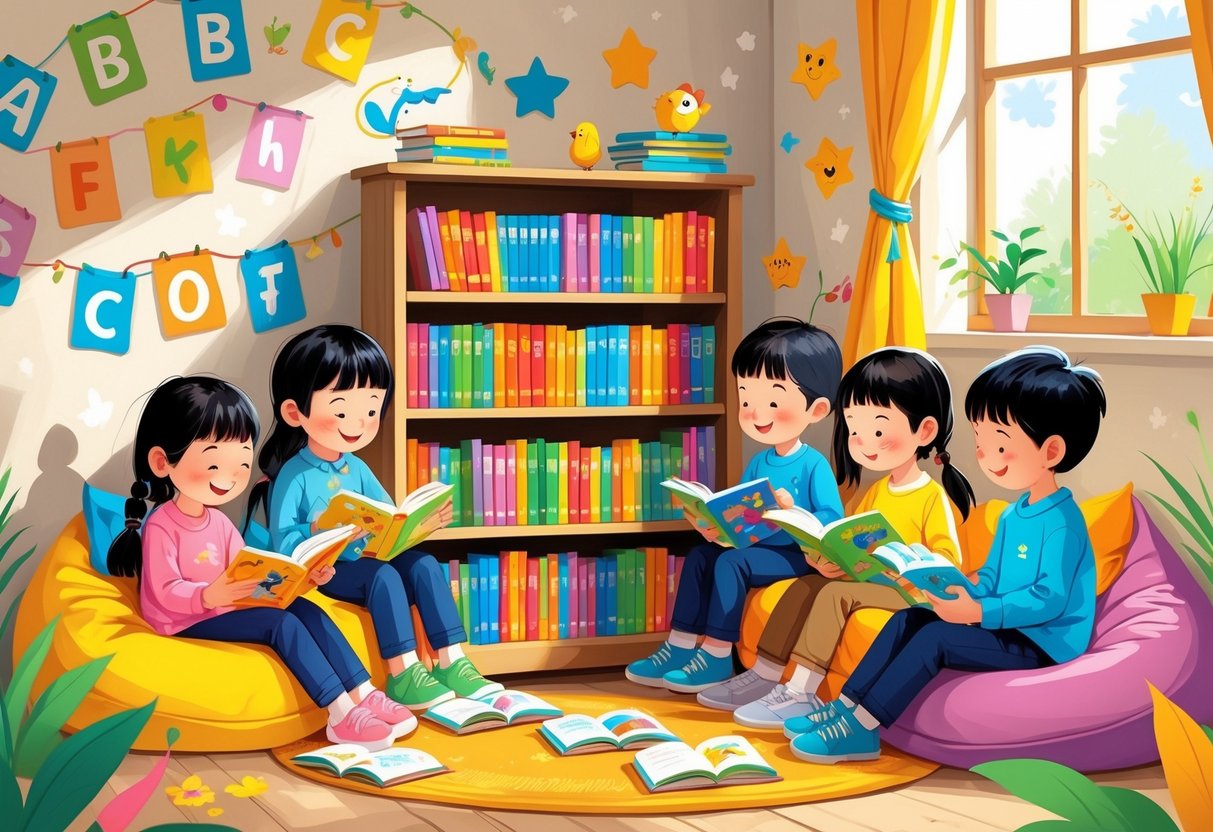
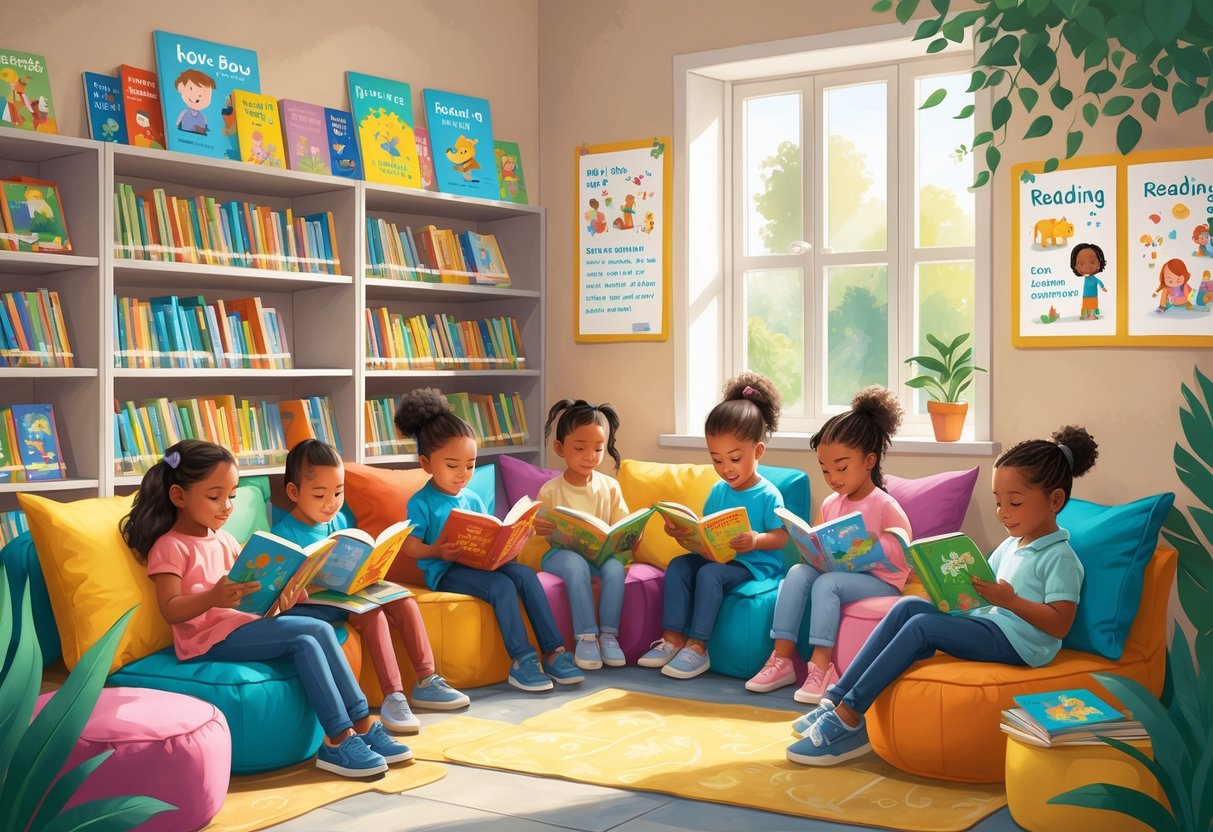
Add soft seating like cushions, bean bags or a small rug. That way, the space feels much more inviting. Good lighting matters too, whether from big windows or a warm lamp.
Try setting up different zones. You might have a quiet spot for solo reading and another area for sharing books together.
Organise your primary school reading books by category or reading level. Colour-coded labels or little picture symbols make it easier for children to find their favourites.
Display a few books cover-out to highlight new arrivals or seasonal stories. Sometimes, just changing the display makes books feel new again.
LearningMole shares free phonics videos that fit nicely with your physical book collection. These resources work well alongside your KS1 library, especially for children still building those early reading skills.
Maintaining and Updating Your Book Collection
Check your books often for damage. Remove any with torn pages or broken spines.
Young children can be rough with books, so monthly inspections keep your collection looking good.
Rotate your books every half term to keep things interesting. Store some away and bring them back later, so they feel fresh again.
This approach helps if you have limited space or a tight budget.
Pick new titles based on what children actually enjoy and what fits your current learning topics. Recommended reading lists for KS1 can help you decide.
Try to balance classic favourites with newer books.
Notice which books children pick up most and which ones they ignore. Replace popular books if they get worn out. Swap or donate books that never get chosen.
Ask children what they want to read next. Their opinions really matter.
Encouraging a Lifelong Love of Reading
Strong reading habits during Key Stage 1 lay the groundwork for future academic success. When families join in the reading journey, children aged 5-7 develop positive attitudes towards books that last well beyond primary school.
Reading Routines and Activities
Daily reading works best at the same time each day. Many teachers find that 15-20 minutes after lunch or at the end of the day helps KS1 children settle into books naturally.
Mix things up with reading aloud, paired reading and independent reading time.
Make reading interactive. Ask open-ended questions about characters and stories.
Simple activities like drawing favourite scenes, acting out stories or creating book reviews keep children engaged. LearningMole has free phonics and reading comprehension videos that support primary school reading skills with engaging visuals.
Book corners should feel inviting, with comfy seating, good lighting and books displayed face-out. Change up the selection regularly to keep children interested.
Reading at home builds on what children learn at school. Send home simple guidance for parents about sharing books without turning it into a lesson.
Encourage families to talk about pictures, make guesses and link stories to their own lives.
Book bags with take-home books work well, especially if you add a quick note with conversation starters. Some schools run family reading events or bedtime story sessions where parents see reading techniques in action.
Library visits as a family show children that books go beyond the classroom.
When parents realise that enjoying books together matters more than perfect reading, children feel less pressure and more enjoyment during KS1 reading time.
Frequently Asked Questions
Parents and teachers often want advice about choosing books for Key Stage 1 learners. Classic series, year-specific recommendations and free online resources come up a lot.
Which titles are considered classics for KS1 reading lists?
Classic KS1 books include Meg and Mog by Judith Kerr, Katie Morag by Mairi Hedderwick and Mr Majeika by Humphrey Carpenter. These books keep showing up in primary school reading lists.
The Happy Families series by Allan Ahlberg and Percy the Park Keeper by Nick Butterworth are also favourites. Teachers say these stories work well because they’re engaging and use age-appropriate vocabulary.
Rainbow Magic by Daisy Meadows and My Naughty Little Sister by Dorothy Edwards are still popular in UK infant classrooms. These series help children develop a love of reading and build confidence with longer texts.
Can you suggest a variety of books suitable for Year 1 pupils?
Year 1 pupils do well with picture books that mix visual storytelling and simple text. Daisy Fiction by Kes Gray, Nick Sharratt and Garry Parsons brings funny stories perfect for early readers.
The Iggy and Me series by Jenny Valentine gives relatable characters and situations that Year 1 children recognise. These books help children move from picture books to early chapter books.
Year 1 reading lists should include both fiction and non-fiction to fit National Curriculum requirements. Books reviewed by teachers and librarians make sure you get high quality choices that support language development.
What are some engaging books recommended for Year 2 children to read?
Year 2 children often enjoy Horrid Henry by Francesca Simon. The stories get a bit more complex but still feel accessible.
The humour and relatable situations draw in even reluctant readers.
Books about right and wrong work well for Year 2 discussions. Teachers often link reading activities to curriculum topics for deeper understanding.
Series books help Year 2 pupils build reading stamina. Familiar characters keep them coming back for more, which boosts comprehension and vocabulary.
Where can I find a comprehensive list of reading materials for KS1 students?
You can find KS1 reading lists on Books for Topics. The site sorts recommendations by curriculum topics and themes.
You’ll get both reading for pleasure ideas and books linked to learning objectives.
LearningMole shares free curriculum-aligned videos and teaching materials that work with KS1 reading programmes. You’ll find phonics support and English resources for ages 4-7.
Could you provide a selection of books that support English learning for Year 1 students?
Books with repetitive language patterns help Year 1 students build phonics skills and reading fluency. Strong illustrations in picture books support comprehension, especially for children still learning to decode.
Pick titles with rhyme and rhythm to boost phonological awareness. These features help Year 1 pupils spot word patterns and predict text, which are key skills in the National Curriculum for English.
Non-fiction books about familiar topics grow vocabulary while keeping children interested. A mix of fiction and non-fiction supports the reading needs across the Year 1 curriculum.
Are there any online resources with free PDF books for primary school students?
You’ll usually find a mix of fiction, poems and non-fiction on these lists. Some schools also put together challenge lists with 100 books to read, which encourage children to keep track of what they’ve read in KS1.
These challenge lists often ask children to write short reviews. That helps them practise both reading and writing, which is quite handy.
Your local library service gives free access to digital books through apps and websites. Public libraries still offer a brilliant range of free reading materials, and they work well alongside school reading schemes.
Maths Circus, an innovative platform we've crafted, presents a captivating realm where children learn mathematics through the exciting theme of a circus. The joy of juggling numbers and solving circus...
Article Summary What this article covers: Ten facts about Egypt’s modern history from 1952 to today, including the end of the monarchy, the Suez Crisis, the Aswan High Dam and...
The Water Cycle: Most of the water on Earth today has been moving around our planet for more than four billion years. The water in a child's glass may once...
Article Summary What this article covers: What good manners and etiquette for kids are, with 30 everyday manners for children grouped by setting (home, school, mealtimes, out and about, bathrooms...





Leave a Reply