Kindness Quotes for Kids: In a world that often emphasizes competition, individual achievement, and self-promotion, teaching children about kindness has never been more important. Kindness isn’t just a nice personality trait—it’s a fundamental skill that shapes how children interact with the world, build relationships, and contribute to their communities. When we share kindness quotes with young people, we’re doing more than teaching good manners; we’re cultivating empathy, emotional intelligence, and the understanding that our actions ripple outward in ways we may never fully see.
Research consistently shows that kind children are also happier children. Acts of compassion boost mood, reduce anxiety, and create positive social connections that protect mental health. When kids learn to notice others’ needs and respond with generosity, they develop a sense of purpose and belonging that transcends their own immediate concerns. Kindness quotes provide the language and framework for these lessons, offering children memorable words that guide their choices during moments when they must decide between self-interest and compassion.
Quotes About Simple Acts of Kindness
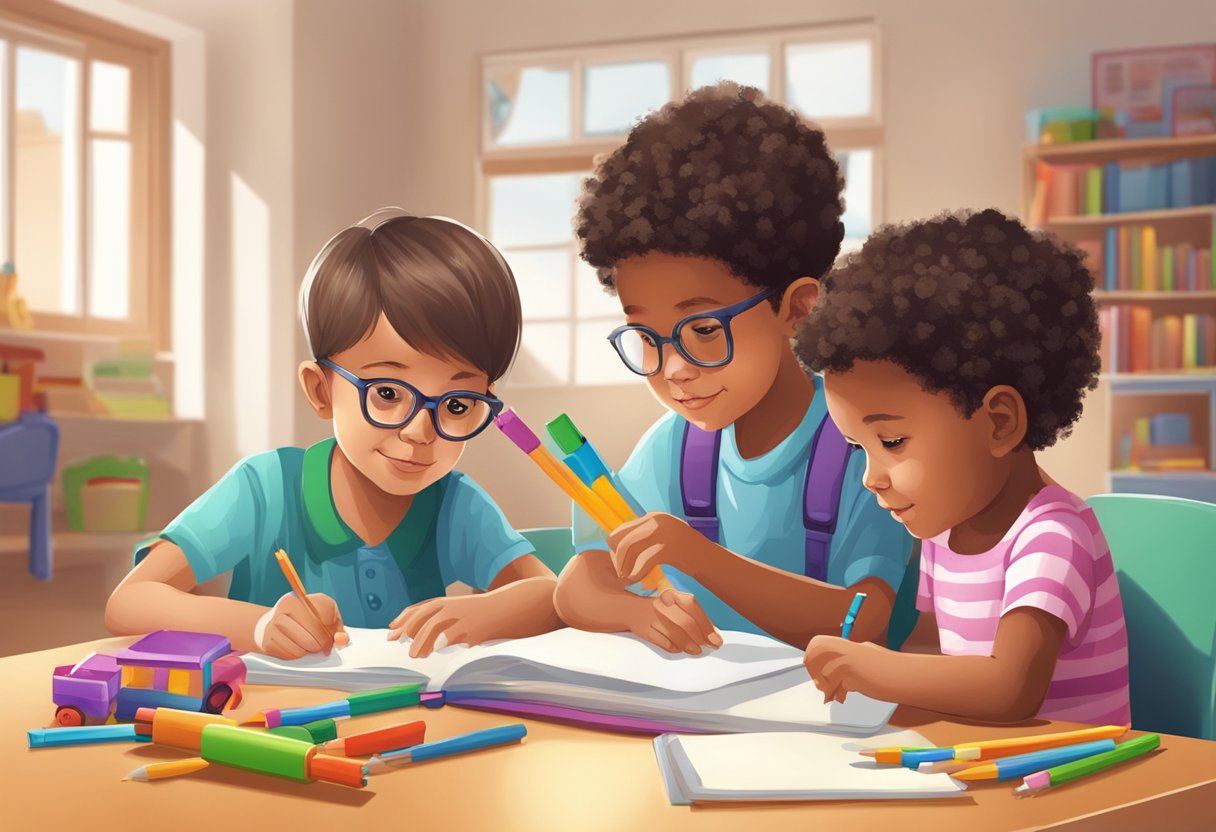
One of the most empowering messages we can share with children is that kindness doesn’t require grand gestures or special occasions. Aesop’s timeless wisdom that “No act of kindness, no matter how small, is ever wasted” teaches kids that their everyday choices matter. Holding the door for someone, sharing a pencil with a classmate, or offering a smile to someone who looks sad are all meaningful acts that improve the world in small but genuine ways.
The quote “Throw kindness around like confetti” captures the joyful, abundant nature of compassion. Children learn that kindness isn’t a limited resource they must carefully ration, but something they can scatter generously wherever they go. This mindset transforms kindness from an obligation into a celebration, something fun and energising rather than dutiful and draining.
Random acts of kindness hold special power because they surprise recipients and often inspire pay-it-forward chains of generosity. When children understand that unexpected kindness creates disproportionate joy, they become motivated to look for opportunities to brighten someone’s day. The mystery and delight of anonymous kindness—leaving encouraging notes, surprising someone with a small gift, or doing a helpful task without being asked—teaches kids that kindness is its own reward, not something we do for recognition.
Making kindness habitual rather than occasional is the goal. When children hear “Be kind whenever possible. It is always possible,” attributed to the Dalai Lama, they learn that kindness is a choice available in every situation, not just when it’s convenient or easy. This message challenges kids to find the compassionate option even during conflict, frustration, or busyness.
Quotes About Treating Others Well
The Golden Rule exists in virtually every culture and religious tradition, though the wording varies. “Treat others the way you want to be treated” provides children with a simple, universal guideline for behaviour. This principle helps kids navigate complex social situations by asking them to consider their own feelings and preferences, then extend that same consideration to others.
Maya Angelou’s profound observation that “People will forget what you said, people will forget what you did, but people will never forget how you made them feel” teaches children that the emotional impact of their actions matters most. A child might not remember every birthday gift they receive, but they’ll remember who made them feel valued, accepted, and loved. This understanding motivates kids to prioritize emotional kindness alongside physical acts of generosity.
The reminder that “In a world where you can be anything, be kind” acknowledges that children face many pressures and possibilities. They can be smart, athletic, popular, or funny—and ideally they’ll develop many positive qualities. But kindness should form the foundation beneath all other traits. A smart, accomplished person who lacks kindness has missed something essential.
Words carry particular power, and children benefit from understanding that “Kind words can be short and easy to speak, but their echoes are truly endless.” The compliment given to a struggling classmate, the thank-you expressed to a teacher, or the encouragement offered to a sibling creates ripples that extend far beyond the moment of speaking.
Quotes About Empathy and Understanding
Empathy—the ability to understand and share others’ feelings—forms the foundation of genuine kindness. The often-quoted wisdom to “Be kind, for everyone you are fighting a battle you know nothing about” teaches children that people’s circumstances and inner lives remain largely invisible. The classmate who seems angry might be dealing with problems at home. The friend who’s been distant might be struggling with something they’re not ready to share. This perspective encourages compassion even toward those whose behaviour seems unkind.
Harper Lee’s character Atticus Finch offers timeless advice: “You never really understand a person until you consider things from his point of view.” Teaching children to pause and imagine how others experience situations builds the cognitive empathy necessary for genuine compassion. This skill proves particularly valuable during conflicts, helping kids move beyond “they’re wrong and mean” to “I wonder why they acted that way.”
The quote “Empathy is seeing with the eyes of another, listening with the ears of another, and feeling with the heart of another” provides a comprehensive definition that children can understand and practice. It moves empathy beyond abstract concepts to concrete actions: looking, listening, and feeling alongside others rather than just thinking about them from a distance.
Fred Rogers, beloved for his gentle wisdom, taught that “Listening is where love begins: listening to ourselves and then to our neighbours.” This message helps children understand that empathy starts with paying attention, truly hearing what others say and don’t say, and caring enough to understand their perspective fully.
Quotes About Friendship and Loyalty
True friendship expresses itself through consistent kindness and loyalty. A.A. Milne’s Piglet asks, “How do you spell ‘love’?” and Pooh replies, “You don’t spell it, you feel it.” This exchange teaches children that friendship isn’t about words but about actions and emotions. Being a good friend means showing up, being reliable, and caring consistently.
The wisdom that “A true friend is someone who sees the pain in your eyes while everyone else believes the smile on your face” helps children understand that genuine friendship involves noticing when friends struggle, even when they try to hide it. This awareness encourages kids to check in on friends, ask deeper questions, and offer support beyond surface-level interactions.
Inclusive friendship represents a particularly important form of kindness. The quote “No one should feel alone at recess” might seem simple, but it captures a profound truth about childhood social dynamics. When children commit to noticing and including those who are alone or left out, they prevent the isolation that can damage developing self-esteem and social skills.
Standing up for friends when others criticise or exclude them demonstrates loyalty and courage. The reminder that “Real friends defend you in your absence” teaches kids that loyalty means more than enjoying someone’s company—it means protecting their reputation and dignity even when they’re not around to know about it.
Quotes About Helping Those in Need
Developing awareness of others’ needs forms a crucial kindness skill. Helen Keller’s words, “Alone we can do so little; together we can do so much,” inspire children to see themselves as part of a community where everyone’s contribution matters. When kids understand that their help genuinely makes a difference, they feel empowered to act rather than assuming adults will handle everything.
Mother Teresa’s famous quote, “If you can’t feed a hundred people, then feed just one,” removes the paralysis that comes from feeling like individual efforts are meaningless in the face of large problems. Children learn that they don’t need to solve world hunger to make a difference—helping one person, in one moment, matters deeply to that person.
The principle that “We rise by lifting others” teaches children that helping others benefits everyone, including the helper. Research confirms this: kids who engage in volunteer work and helping behaviours report higher levels of happiness and life satisfaction. Kindness isn’t a sacrifice that depletes us; it’s an investment that enriches our own lives while improving others’.
Teaching children that “Service to others is the rent you pay for your room here on Earth” helps them develop a sense of responsibility to contribute positively to their communities. This doesn’t mean burdening kids with guilt, but rather helping them see themselves as active participants in making the world better.
Quotes About Standing Up to Bullying
Witnessing unkindness and choosing how to respond tests children’s commitment to compassion. The powerful message “When we stand up to bullying, we stand up for kindness” reframes anti-bullying efforts as pro-kindness actions. Rather than focusing solely on what we oppose, we emphasise what we support: creating environments where everyone feels safe and valued.
Desmond Tutu’s wisdom that “If you are neutral in situations of injustice, you have chosen the side of the oppressor” challenges the common childhood instinct to stay out of conflicts that don’t directly involve them. Children learn that remaining silent when witnessing bullying isn’t neutral—it tacitly supports the bully. This quote empowers kids to become upstanders rather than bystanders.
The quote “In a world where you can be anything, be brave enough to be kind” acknowledges that standing up for others requires courage, especially when doing so risks social consequences. Kids need to hear that choosing kindness over popularity or peer approval demonstrates real strength of character.
However, we must also teach children to stay safe. The message “Tell a trusted adult” should accompany quotes about standing up to bullying. Kids need strategies beyond confrontation, including reporting harmful behaviour and supporting victims privately when public intervention feels dangerous.
Quotes About Forgiveness and Second Chances
Kindness extends to how we respond when others make mistakes or hurt us. Martin Luther King Jr.’s words that “Forgiveness is not an occasional act, it is a constant attitude” teach children that letting go of grudges benefits them as much as the person being forgiven. Carrying anger and resentment weighs kids down, while forgiveness frees them to move forward.
The reminder that “Everyone makes mistakes—that’s why pencils have erasers” normalises error while encouraging grace toward others and ourselves. Children who learn to forgive easily develop more resilient relationships and better conflict-resolution skills than those who hold grudges or seek revenge for every slight.
Lewis B. Smedes captured an important truth: “To forgive is to set a prisoner free and discover that the prisoner was you.” This quote helps older children understand that forgiveness isn’t about excusing bad behaviour but about releasing themselves from the burden of anger. They learn that forgiveness serves their own well-being while possibly helping repair relationships.
Teaching children to apologise sincerely represents the other side of forgiveness. The quote “Sorry is not enough without behaviour change” helps kids understand that genuine apologies involve taking responsibility and committing to doing better, not just saying magic words to escape consequences.
Quotes About Self-Kindness
Compassion toward others flows more naturally from children who practice self-compassion. Kristin Neff’s research shows that self-kindness improves resilience, motivation, and relationships. The quote “Talk to yourself like you would to someone you love” guides children to notice their internal dialogue and choose encouraging words over harsh self-criticism.
Brené Brown’s wisdom that “Talk to yourself like someone you love” teaches children that the way they speak to themselves matters. Kids who constantly criticise themselves for mistakes or imperfections struggle to extend grace to others. Self-kindness isn’t selfish—it’s the foundation of sustainable compassion.
The message “You can’t pour from an empty cup” teaches children that taking care of their own needs enables them to care for others. Kids need to understand that rest, play, saying no, and setting boundaries aren’t unkind—they’re necessary for maintaining the energy and emotional resources required for genuine kindness.
Teaching self-compassion alongside compassion for others creates balanced, emotionally healthy children who can give generously without depleting themselves or developing resentment. They learn that kindness encompasses all people, including themselves.
Quotes About Inclusivity and Acceptance
Creating environments where everyone feels welcome represents perhaps the most challenging and important form of kindness. The quote “Different is beautiful” celebrates diversity while challenging children to see unfamiliar cultures, abilities, and perspectives as enriching rather than threatening.
Dr Seuss’s declaration that “A person’s a person, no matter how small” from “Horton Hears a Who!” teaches that everyone deserves respect and dignity regardless of size, age, power, or any other distinguishing characteristic. This fundamental principle of human worth grounds children’s understanding of equality and justice.
The wisdom that “Be the reason someone feels welcomed, seen, heard, and valued” challenges children to create inclusion rather than passively accepting exclusion actively. It’s not enough to simply avoid being mean; kindness requires noticing who’s being left out and making space for them.
R.J. Palacio’s character Mr Browne in “Wonder” offers a precept that has become a kindness touchstone: “When given the choice between being right and being kind, choose kind.” This quote helps children navigate situations where they could win an argument or score social points by being cruel, teaching them that kindness should take priority over being right.
Storybook Quotes About Kindness
Children’s literature overflows with kindness lessons. E.B. White’s “Charlotte’s Web” demonstrates selfless friendship through Charlotte’s dedication to saving Wilbur. Her simple statement, “You have been my friend. That itself is a tremendous thing,” teaches children that friendship is both an honour and a responsibility.
“The Giving Tree” by Shel Silverstein, though sometimes debated for its portrayal of one-sided giving, offers opportunities to discuss healthy kindness that includes boundaries. The tree’s generosity can spark conversations about giving joyfully while also taking care of oneself.
Picture books provide perfect kindness lessons for young children. Books like “Have You Filled a Bucket Today?” give concrete metaphors for kindness, teaching kids that every interaction either fills or dips from others’ emotional buckets. These visual concepts help young children understand abstract ideas about emotional impact.
Creating a Culture of Kindness
Individual kind acts matter, but creating environments where kindness is expected and celebrated transforms isolated behaviours into cultural norms. Families can establish kindness as a core value by discussing it regularly, celebrating kind actions, and addressing unkind behaviour constructively rather than punitively.
The quote “Kindness is a language the deaf can hear, and the blind can see” reminds us that compassion transcends words, cultures, and abilities. It’s universal and accessible to everyone, making it a perfect family or classroom value to rally around.
Children learn more from what we do than what we say, making adult modelling crucial. When parents and teachers demonstrate kindness consistently—to children, to each other, to strangers, and to themselves—kids internalise compassion as normal, expected behaviour rather than extraordinary virtue.
Conclusion
Kindness quotes for kids are seeds planted in fertile soil. Each time a child hears “No act of kindness, no matter how small, is ever wasted” or “Be kind whenever possible. It is always possible,” those words take root in their developing understanding of how to be in the world. With repetition, reflection, and real-life practice, these messages grow into genuine compassion that guides children’s choices throughout their lives.
The beautiful truth about teaching kindness is that it creates an upward spiral. Kind children make friends more easily, experience less conflict, and report greater happiness—all of which makes them more likely to continue being kind. The classmate who receives unexpected kindness often pays it forward. The child who learns to stand up for others develops confidence that serves them in many areas of life.
As we share these kindness quotes with the young people in our lives, we’re not just teaching behaviour—we’re shaping the next generation’s values and the future they’ll create. Every child who internalises the message that kindness matters becomes a point of light in their community, and enough points of light can illuminate the world.
Start today by sharing one kindness quote with a child. Discuss what it means, share examples of it in action, and look for opportunities to practice it together. Then watch as these small seeds of compassion grow into the kind of character that changes lives—both the child’s own life and the lives of everyone they touch with their kindness.
Maths Circus, an innovative platform we've crafted, presents a captivating realm where children learn mathematics through the exciting theme of a circus. The joy of juggling numbers and solving circus...
Mexican traditions blend the customs of ancient Mesoamerican peoples, such as the Aztecs and the Maya, with Catholic festivals brought by Spanish settlers in the sixteenth century. The result is...
The moose (Alces alces) is the largest member of the deer family alive today, and a fully grown bull can stand about 2 metres tall at the shoulder, which makes...







Leave a Reply