Kindergarten Teaching Resources: Top Tools, Ideas, and Guidance
Essential Kindergarten Teaching Resources
Kindergarten classrooms thrive when teachers choose materials that support foundational learning. Subject-specific resources, hands-on activities, and visual displays create an environment where young learners can succeed.
Core Subject Materials
You need materials for reading, writing, and maths that match young children’s developmental stages. Learning mats and educational puzzles provide ready-to-use resources that save you preparation time.
Essential Reading Resources:
- Phonics cards and alphabet strips
- Decodable books for beginning readers
- Picture books for read-alouds
- Magnetic letters and word-building materials
Michelle Connolly, founder of LearningMole, explains, “The foundation of literacy begins with the right tools in kindergarten.” She adds, “When children have hands-on materials to manipulate letters and sounds, they develop crucial phonemic awareness naturally.”
Core Maths Materials:
- Counting manipulatives (blocks, bears, buttons)
- Number lines and hundred charts
- Shape sorting activities
- Basic measuring tools
Comprehensive kindergarten worksheets support hands-on learning. These printable resources help children practise independently.
Interactive Activities and Games
Kindergarten children learn best through play and exploration. Interactive games turn abstract concepts into experiences that young minds can understand.
Movement-Based Learning:
- Number hopscotch mats
- Letter recognition games
- Shape scavenger hunts
- Counting songs with actions
Educational games help children practise taking turns and following rules. These games also reinforce classroom concepts.
Digital Learning Tools: Interactive kindergarten resources provide engaging ways to practise skills. Computer games and tablet activities attract tech-savvy youngsters and build foundational abilities.
Sensory Learning Activities:
- Play dough for letter formation
- Sand trays for writing practice
- Water tables for measuring
- Texture books for exploration
These materials support different learning styles. Kinaesthetic learners benefit from movement activities, while visual learners respond to colourful displays.
Visual Aids and Classroom Displays
Kindergarten classrooms use visual supports to reinforce learning throughout the day. Strategic displays create a print-rich environment for emerging readers and writers.
Essential Classroom Displays:
- Class calendar for daily routines
- Weather chart with symbols
- Helper chart with student names
- Birthday display with celebrations
A teacher in Ohio noticed that her class calendar became pivotal for building time concepts. Students enjoyed adding birthdays and finding patterns while learning days and months through daily songs.
Learning Support Charts:
- Alphabet with pictures
- Number line to 20
- Colour and shape posters
- Classroom rules with illustrations
Pocket charts offer flexible display options. You can use them for word families, sentence building, or sorting activities that change during the year.
Interactive Wall Displays:
- Word walls with high-frequency words
- Student work celebration boards
- Learning objective displays
- Behaviour tracking systems
These visual aids remind children of key concepts. Children refer to displays independently, building confidence and reducing their need for teacher support.
Free Kindergarten Resources
Teachers can find thousands of free kindergarten materials on educational websites and in printable resource libraries. These resources range from basic worksheets and coloring pages to reading programmes and interactive learning tools.
Printables and Worksheets
Free printable worksheets support many kindergarten classrooms. You can find comprehensive worksheet collections covering phonics, maths, and handwriting practice without subscription fees.
Essential worksheet categories include:
- CVC word practice sheets for early reading skills
- Number tracing worksheets from 0-9
- Sight word activities using the Dolch word list
- Fine motor practice through cutting and pasting exercises
Michelle Connolly, founder of LearningMole, says, “Free worksheets can be incredibly valuable when chosen strategically—look for resources that combine skill practice with engaging visuals.”
Many handwriting practice sheets include letter formation guides. These save you preparation time and ensure consistent teaching methods.
Seasonal resources add themed learning throughout the year:
- Autumn maths activities with pumpkin counting
- Christmas colouring pages for indoor break times
- Spring writing prompts with picture boxes
Online Tools and Platforms
Digital platforms offer interactive learning beyond traditional worksheets. Education.com provides over 6,000 kindergarten resources including games, lesson plans, and assessment tools.
Free online programmes support home-school collaboration. Parents can access the same phonics methods you use in class through platforms like Scratch Jr for basic coding concepts.
Key platform features to look for:
- Progress tracking for individual pupils
- Curriculum alignment with your teaching objectives
- Printable certificates and rewards
- Multi-sensory learning approaches
Reading comprehension passages online often include audio support. This helps struggling readers and builds listening skills for all pupils.
Interactive tools work well for maths concepts. Virtual hundreds charts and number games give immediate feedback that worksheets do not offer.
Teacher Resource Libraries
Teachers Pay Teachers offers extensive free kindergarten collections from classroom teachers who understand your challenges. These resources often include complete activity sets with instructions and answer keys.
Quality resource libraries provide:
- Lesson plan templates you can customise
- Bulletin board displays ready to print
- Assessment rubrics for tracking progress
- Parent communication letters
Specialist educational websites organise resources by curriculum standards. This saves you time during busy terms.
Many libraries offer growing bundles where new resources appear regularly. Following your favourite creators ensures you receive updates about fresh materials that match your teaching style.
Bookmark reliable sources instead of searching randomly. Quality matters more than quantity—focus on finding comprehensive materials from experienced educators.
Fine Motor Skills Development
Fine motor skills help children write, cut, and complete daily tasks. Targeted practice activities and consistent assessment help you identify areas for improvement and celebrate each child’s progress.
Hands-On Activities
Playdough activities give children excellent fine motor practice for kindergarten students and develop hand strength. Rolling, pinching, and squeezing the dough builds the muscles needed for pencil control.
Set up threading stations with beads and pipe cleaners. This classic activity strengthens the pincer grip and improves hand-eye coordination.
Cutting Practice Activities:
- Snipping straws to make necklaces
- Cutting along dotted lines on worksheets
- Creating paper chains during craft time
Michelle Connolly, an expert in educational technology, says, “Children who engage in daily fine motor activities show marked improvement in their writing confidence within just a few weeks.”
Pom-pom sorting with tweezers combines colour recognition with muscle development. Use ice cube trays or egg cartons to create sorting challenges at different skill levels.
Essential Fine Motor Tools:
- Child-safe scissors with rounded tips
- Jumbo tweezers or tongs
- Clothes pegs for clipping activities
- Pattern blocks for shape manipulation
Lacing cards help children practise bilateral coordination. You can make your own by hole-punching laminated shapes or use ready-made fine motor teaching resources.
Assessment Tools
Weekly Fine Motor Checklist:
| Skill Area | Emerging | Developing | Secure |
|---|---|---|---|
| Pencil grip | □ | □ | □ |
| Scissor control | □ | □ | □ |
| Button fastening | □ | □ | □ |
| Threading beads | □ | □ | □ |
Observe children during natural play. Watch how they hold crayons, manipulate small objects, and complete puzzles.
Create simple rubrics for key skills. Rate scissor control from 1-4: struggling to hold scissors, cuts with support, cuts independently on straight lines, cuts complex shapes accurately.
Quick Assessment Activities:
- Drawing circles and straight lines
- Using hole punch independently
- Picking up small objects with tweezers
- Completing 12-piece jigsaw puzzles
Document work samples monthly. Compare drawings from September to December to show progress in pencil control and detail.
Progress Tracking
Keep individual portfolios with dated work samples. Include photos of 3D creations like playdough models or block structures to show spatial awareness.
Monthly Skills Review:
Set targets for each child based on their starting point. Some children might focus on holding pencils correctly, while others work on cutting curves.
Create simple graphs showing progress. Track how many beads a child can thread in two minutes or how many buttons they can fasten independently.
Parent Communication Tools:
- Monthly progress summaries
- Home activity suggestions
- Video examples of correct techniques
- Celebration certificates for achievements
Use fine motor printable activities for consistent practice. Send home activity packs that reinforce classroom learning.
Record observations during centre time. Note which children avoid fine motor activities and plan targeted interventions to build their confidence.
Literacy and Language Resources
Strong literacy foundations begin with carefully chosen materials. These resources support phonics development, writing skills, and storytelling abilities.
Phonics and Letter Recognition
Your kindergarten classroom needs a variety of materials to make letter learning interactive. Hands-on literacy activities for kindergarten create memorable experiences for young learners.
Letter tracing cards with textured surfaces help children feel each letter’s shape. You can use sandpaper letters, salt trays, or foam letters for tactile learning.
Essential phonics materials include:
- Magnetic letters for word building
- Picture-sound matching cards
- Rhyming games and puzzles
- CVC word building sets
Michelle Connolly, founder of LearningMole, explains, “Children learn letters best when they can touch, move, and manipulate them rather than just looking at worksheets.”
Digital phonics apps work well alongside physical materials. Many children enjoy interactive games that combine sounds with visual feedback.
Weekly phonics routine suggestions:
- Monday: Introduce new letter sounds with actions
- Tuesday: Practise letter formation through tracing
- Wednesday: Hunt for letters in books and the environment
- Thursday: Build simple CVC words
- Friday: Review the week’s learning through games
Emergent Writing Activities
Young children need varied writing experiences that start with scribbling and move to letter formation.
Kindergarten English Language Arts resources offer structured activities that build fine motor skills and writing confidence.
Begin with large motor movements before teaching pencil control.
Wall charts, whiteboards, and easels encourage big arm movements and help strengthen writing muscles.
Progressive writing materials:
Set up writing centres with different textures and tools.
Offer chalk boards, finger paints, and shaving cream for letter practice.
Let children see their thoughts become written words.
Write down what they say while they draw, showing how spoken words turn into writing.
Daily writing opportunities:
Storytelling Aids
Storytelling resources help bring books to life and encourage children to create their own stories.
Visual aids help kindergarteners understand story structure and learn new vocabulary.
Puppet theatres and character props make reading interactive.
Children connect more deeply with stories when they act them out or use props.
Storytelling essentials:
Big books are great for whole-class reading.
Children can see illustrations clearly and follow along with the text.
Make story bags with props from favourite books.
Add small toys, fabric pieces, or pictures that match story elements.
Story extension activities:
Use nursery rhymes and traditional tales as starting points.
Familiar stories give children the confidence to join in and guess what comes next.
Mathematics Learning Tools

Young learners need hands-on tools to understand maths concepts.
The right resources help children see numbers, explore shapes, and build confidence through play.
Counting and Number Recognition
Physical counting tools are key for early maths learning.
Manipulatives like counting bears, unifix cubes, and ten frames let children see numbers in action.
Essential math tools for kindergarten include dice for number recognition.
Subitising cards help children recognise quantities without counting.
These tools build number sense through regular use.
Display number lines at child height around the classroom.
Children can walk along floor number lines or use desktop versions during independent work.
Children build neural pathways by moving objects as they count, which helps connect numbers to real understanding.
Quick tip: Make counting bags with themed objects like toy cars or farm animals.
Children count the same number using different objects, learning that five is always five.
Shapes and Patterns
Three-dimensional shapes interest children more than flat worksheets.
Wooden blocks, pattern blocks, and everyday objects like tins and boxes let children explore geometry by touch.
Kindergarten geometry resources introduce shapes through interactive activities.
Children sort, stack, and build with shapes while learning about their properties.
Pattern strips and attribute blocks encourage logical thinking.
Start with simple ABAB patterns and move to more complex ones as children gain confidence.
Try this: Fill a feely bag with different shapes.
Children describe what they feel before looking, building vocabulary and shape recognition.
Math Games and Songs
Interactive math apps make learning fun and focus on one concept at a time.
Number songs and rhymes teach maths in memorable ways.
“Five Little Ducks” shows subtraction, and “Ten in a Bed” helps with counting backwards.
Board games with dice build number recognition and counting skills.
Games like Snakes and Ladders or maths board games make learning social and enjoyable.
Movement games are great for active learners.
Play “Number Statues” where children freeze in groups of called numbers.
Create hopscotch grids for number recognition practice.
Creative Arts and Crafts Ideas
Arts and crafts activities build fine motor skills and encourage creative expression in young learners.
Seasonal celebrations and eco-friendly recycling projects let children explore colours, textures, and new art techniques.
Seasonal Projects
Seasonal crafts connect classroom learning to the world outside.
Kindergarten crafts for every month help children understand time and celebrate the seasons.
Autumn activities include fingerprint trees with fall colours and leaf rubbing projects.
Students can collect real leaves for textured art or make handprint turkeys for harvest celebrations.
Winter brings snowflake cutting and paper plate snowmen.
Try making salt crystal decorations or winter landscape paintings with cotton wool for snow.
Spring projects focus on growth and renewal.
Paper handprint bunnies mix fine motor practice with Easter celebrations.
Flower printing with balloons or forks teaches basic printmaking.
Summer crafts include windsocks and tissue paper flowers.
Beach-themed activities like handprint starfish or coffee filter jellyfish bring seaside fun indoors.
Seasonal crafts give children a real connection to the world and build motor skills through cutting, gluing, and decorating.
Recycled Materials Activities
Turn everyday waste into creative projects.
Collage faces using cardboard scraps teach recycling and spatial awareness.
Paper roll projects offer many options.
Tape markers to toilet rolls to create big drawing tools.
Make paper roll koalas by cutting tubes and adding faces.
Egg carton crafts use packaging for learning.
Cut cups to make flower stamps or caterpillars for counting.
Paint them bright colours for sensory play.
Newspaper and magazine projects build scissor skills and reduce waste.
Cut shapes to create newspaper cats or use magazine pages for colour-sorting collages.
Plastic bottle planters teach responsibility and creativity.
Children decorate containers and plant seeds to watch them grow.
This combines art, science, and environmental learning.
Cardboard box activities inspire imaginative play.
Make puppet theatres, dollhouses, or robot costumes.
These projects build problem-solving and three-dimensional thinking.
Set up a recycling station in your classroom.
Label containers for different materials so children learn to sort and collect craft supplies.
Drawing and Painting Resources
Painting activities for kindergartners go beyond finger painting.
Show children different techniques using everyday items.
Alternative painting tools make unique textures.
Cotton swab painting introduces pointillism and develops pincer grip.
Muffin tin printing creates fun patterns and shapes.
Watercolour resist techniques mix crayons and paint for magical effects.
Children draw with crayons, then paint over with watercolours to see their drawings appear.
Process art activities focus on exploring, not just the final product.
Balloon stamping or yarn painting lets children experiment and create abstract art.
These activities reduce pressure and encourage trying new things.
Drawing progression activities support pre-writing skills.
Begin with large movements using chalk or finger paints.
Move to smaller tools like chunky crayons and thick pencils.
Mess-free alternatives are great for easy cleanup.
Rainbow painting in sealed bags allows finger painting with no mess.
Paint-less watercolours use markers on bags and water spray for instant art.
Set up painting stations with aprons, water, and easy-clean surfaces.
This helps children build confidence and teaches responsibility for materials.
Science and Discovery Resources
Young children learn best through hands-on exploration and investigation.
These science resources help you create fun experiences that build observation skills and spark curiosity about the world.
Simple Experiments
Easy kindergarten science experiments let children explore basic science concepts.
Set up simple activities using everyday materials from the classroom or home.
Water experiments are great for young learners.
Mix colours with food colouring, test what floats or sinks, or make simple rain cycles in clear containers.
Popular Simple Experiments:
Simple experiments give children hands-on ways to learn abstract concepts and build confidence as young scientists.
Give clear instructions and safety rules for each activity.
Children need structure to explore safely and stay curious about how things work.
Nature Exploration
Early science discovery activities help children connect with nature.
Organise nature walks, collect seasonal items, or set up outdoor investigation areas.
Set up discovery stations with magnifying glasses, collection containers, and simple recording sheets.
Children enjoy examining leaves, rocks, insects, and flowers while practising observation.
Nature Investigation Ideas:
Create nature journals for children to draw their discoveries and record simple observations.
This builds both science thinking and early writing skills.
STEM Activities
Interactive science resources for kindergarten blend science, technology, engineering, and maths.
These activities encourage problem-solving and creative thinking.
Building challenges work well with young children.
Offer blocks, cardboard tubes, or construction materials for making towers, bridges, or simple machines.
Engaging STEM Projects:
Kindergarten science teaching resources often include interactive games and digital activities.
These help children practise science words and develop early technology skills.
Encourage questioning and making guesses during all STEM activities.
Young children often ask “what if” questions, which build the foundation for scientific thinking.
Social and Emotional Learning Tools
Young children learn best when they feel safe, understood, and emotionally supported.
These essential tools help kindergarten students build self-awareness, manage feelings, and form positive relationships with classmates through structured activities and interactive resources.
Feelings and Emotions Activities
Visual emotion charts and feelings wheels work as powerful reference tools in your classroom. Children need concrete ways to identify and name their emotions.
Imagine this: A child gets frustrated during maths time but cannot explain why. When you display emotion cards at eye level, the child can point to the “frustrated” face instead of acting out.
Michelle Connolly, founder of LearningMole and experienced classroom teacher, says, “Visual supports are absolutely essential for young learners developing emotional vocabulary.” Children need to see and practise identifying emotions before they can manage them.
Real photograph emotion cards help because children connect with actual facial expressions. You can create simple games where children match emotions to situations or act out different feelings.
Quick implementation tips:
- Display emotion charts at child height
- Use photographs instead of cartoon faces
- Include both basic and complex emotions
- Create personal emotion journals for each child
Cooperation and Sharing Games
Structured friendship activities and social skills games teach children how to work together. These activities support essential learning.
Turn-taking games help children develop patience and cooperation. Simple activities like passing a talking stick during circle time or taking turns with classroom jobs teach children to wait and share responsibilities.
Problem-solving solution posters offer concrete strategies when conflicts happen. Instead of coming to you immediately, children can try the suggested solutions first.
Effective cooperation activities include:
| Activity Type | Example | Skills Developed |
|---|---|---|
| Partner games | Building blocks together | Turn-taking, communication |
| Group projects | Class story creation | Listening, compromise |
| Role-playing | Restaurant or shop scenarios | Empathy, social rules |
| Circle games | Pass the compliment | Kindness, inclusion |
Mindfulness Exercises
Breathing visuals and calming strategy tools help children learn self-regulation techniques. These simple exercises can change your classroom atmosphere.
Deep breathing exercises work well with visual cues. Try “flower breathing”: children pretend to smell a flower (inhale) and blow out birthday candles (exhale).
Calm down corner kits offer a space for children to self-regulate. Fill this area with sensory bottles, soft textures, and quiet activities to help children reset their emotions.
Essential mindfulness tools:
- Timer for breathing exercises (start with 30 seconds)
- Sensory bottles with glitter or oil
- Soft music or nature sounds
- Comfortable cushions or blankets
- Simple yoga pose cards for children
Movement-based mindfulness helps kindergarteners. Try “mindful walking” where children focus on each step, or “body scan” activities where they wiggle and then relax each body part one at a time.
Classroom Management Resources

Kindergarten teachers face practical challenges every day. These questions cover phonics instruction, numeracy development, play-based learning, reading habits, inclusive practices, and assessment methods.
What are some effective strategies for teaching phonics to kindergarteners?
Start with synthetic phonics by teaching individual letter sounds before blending them together. Focus on the first 19 letters of the alphabet and avoid confusing letters like ‘b’ and ‘d’ at first.
Use multi-sensory activities that engage sight, sound, and touch. Let children trace letters in sand trays while saying the sound aloud.
Michelle Connolly, an expert in educational technology, explains that children learn phonics best when they see, hear, and interact with letters through hands-on activities.
Keep daily phonics routines short, about 10-15 minutes. Short, frequent sessions suit young children’s attention spans.
Add actions and songs for each phoneme. Movement and rhythm help children remember letter sounds.
Can you suggest a variety of classroom activities to support early numeracy skills?
Start with concrete manipulatives before introducing abstract ideas. Use counting bears, blocks, and everyday objects like buttons or shells for hands-on number work.
Set up a classroom shop so children can practise money recognition and simple addition. This links maths to real-life situations.
Make number lines on the classroom floor with coloured tape. Children can jump along the line and count, making numbers more understandable.
Use ten frames to help children recognise numbers up to 10. These visuals build number sense and subitising skills.
Include sorting and pattern activities during the day. Sort snacks by colour, make patterns with playground equipment, or arrange books by size.
How do you incorporate play-based learning into a structured curriculum?
Design learning centres that blend curriculum goals with purposeful play. For example, a water table can teach volume and capacity as children experiment.
Use dramatic play areas to build literacy skills. Create a post office, restaurant, or doctor’s surgery where children write and use new vocabulary.
Add outdoor learning that matches your indoor objectives. Nature walks support science observations, and playground games build maths skills like counting and patterns.
Schedule ‘learning through play‘ blocks in your timetable. This shows that play is a valuable way to learn.
Create games for specific learning goals. Turn phonics practice into treasure hunts or include maths problems in role-play.
What are the best methods to encourage and develop early reading habits in young children?
Set up a cosy reading corner with comfortable seats and appealing books. Change the books often to keep children interested.
Read aloud every day with expression and invite children to predict what happens next. Pause to talk about pictures and ask open-ended questions.
Try paired reading so stronger readers can help others. This builds confidence and gives extra practice.
Send books home with simple activity ideas for parents. Add phonics curriculum questions for families to explore together.
Use environmental print in your classroom to show that reading is everywhere. Label equipment, create word walls, and display children’s writing.
Could you recommend resources for creating an inclusive classroom that caters to all learning abilities?
Offer different ways for children to access learning content. Use visual schedules, audio instructions, and hands-on activities for every lesson.
Create quiet spaces where children can take a break if overwhelmed. Include noise-reducing headphones, fidget tools, and calming activities.
Apply universal design principles in your lesson plans. Include movement breaks, seating choices, and varied ways for children to show what they know.
Make individual visual timetables for children who need more structure. These tools help reduce anxiety and support smooth transitions.
Work with special educational needs coordinators to adapt resources. Regular communication helps meet each child’s needs.
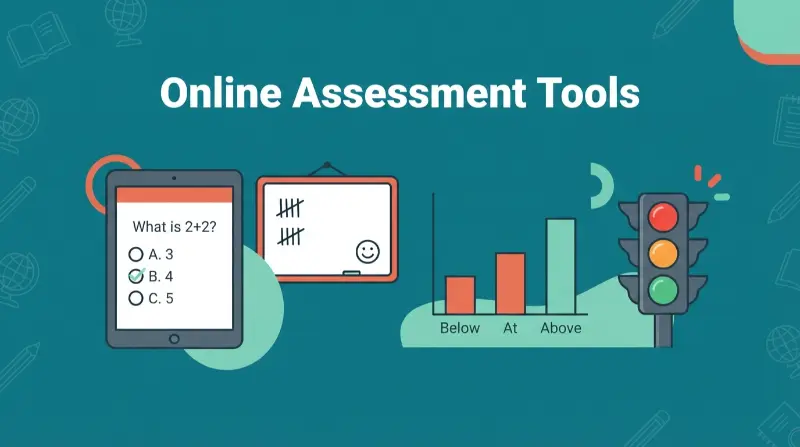
What assessment tools are preferred for tracking the progress of kindergarteners?
Use observation-based assessment instead of formal testing. Track developmental milestones with simple checklists during classroom activities.
Combine photographs, children’s work samples, and brief teacher notes in learning journals. These journals show progress over time.
Use simple rubrics with pictures and symbols. Visual tools are easier for young children to understand.
Collect evidence of learning in portfolio systems. Include examples that show children’s thinking, not just finished work.
Record learning moments with digital tools like voice memos or photo annotations. This method captures progress without interrupting activities.
Have regular informal conversations with children about their learning. Their self-reflection adds valuable insights to your observations.


Leave a Reply