Reindeer Facts for Kids: When you think of reindeer, you probably imagine them pulling Santa’s sleigh through the night sky on Christmas Eve. But real reindeer are even more fascinating than the magical creatures from holiday stories! These incredible animals live in some of the coldest, harshest environments on Earth, and they’ve developed amazing adaptations that allow them to not just survive but thrive in places where most other animals couldn’t last a single winter.
Reindeer, also known as caribou in North America, are large deer that inhabit the Arctic and subarctic regions of the Northern Hemisphere. You can find them in Alaska, Canada, Greenland, Russia, and the northern parts of Europe, including Scandinavia.
They’ve lived alongside humans for thousands of years, and some indigenous peoples in the Arctic have herded and depended on reindeer for their entire way of life. These remarkable animals have been essential to human survival in the far north, providing food, clothing, tools, and transportation.
In this article, we’re going to explore five genuinely interesting facts about reindeer that might surprise you, amaze you, and definitely teach you something new about these wonderful animals. These aren’t just random trivia—these are facts that reveal how reindeer have evolved to master life in one of Earth’s most challenging environments. Get ready to discover why reindeer are so much more than just Christmas decorations—they’re one of nature’s most remarkable success stories!
Fact 1: Reindeer Eyes Change Colour with the Seasons
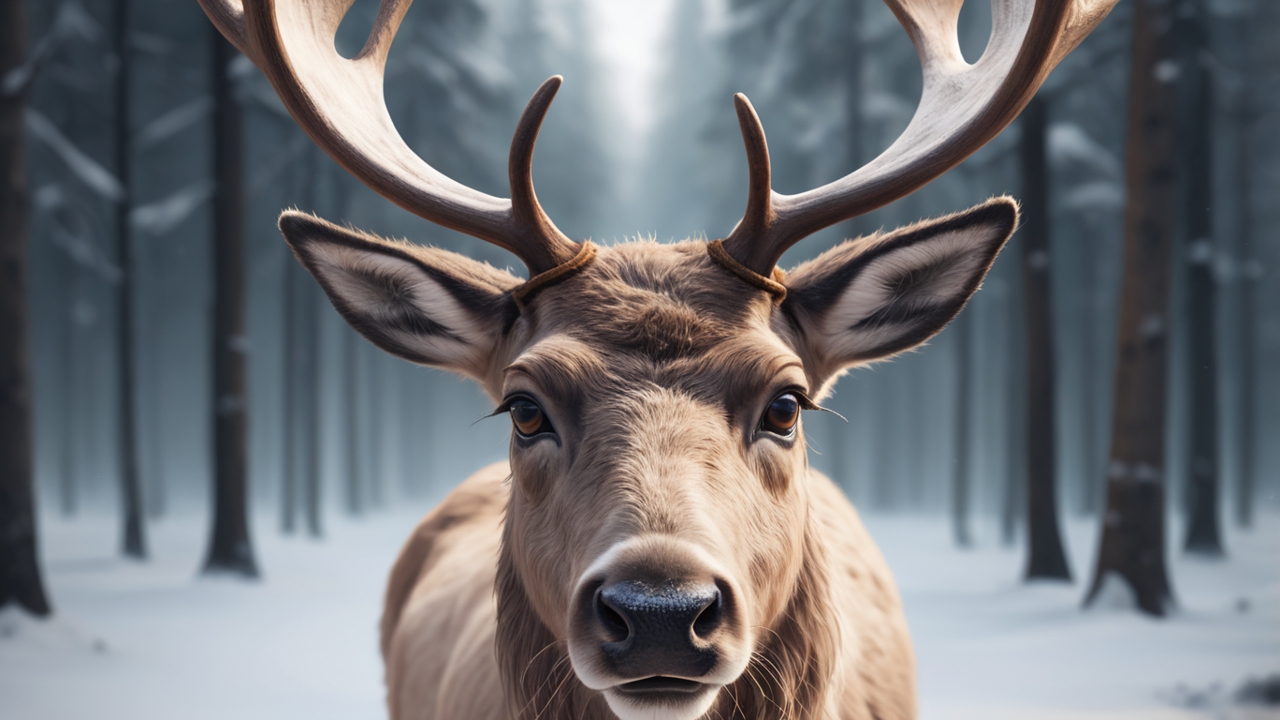
Here’s a truly amazing fact that sounds like fantasy but is completely real: reindeer eyes actually change colour depending on the season! In summer, reindeer eyes are golden-brown, but in winter they turn deep blue. This isn’t just a cool visual trick—it’s a sophisticated adaptation that helps reindeer survive in the Arctic’s extreme seasonal differences in daylight.
This remarkable discovery was made relatively recently by scientists studying Arctic animals. They noticed that when they examined reindeer eyes in winter versus summer, the tissue behind the retina (called the tapetum lucidum) appeared in different colours. The tapetum lucidum is a reflective layer that many animals have—it’s what makes animals’ eyes seem to glow when you shine a light at them in the dark. This layer reflects light back through the retina, giving the eyes a second chance to detect that light and improving vision in dim conditions.
In most animals, the tapetum lucidum stays the same colour year-round. But reindeer are different. In summer, their tapetum lucidum is golden-brown and reflects light very efficiently, just like other animals. But in winter, it changes to a deep blue colour and becomes much less reflective. At first, scientists were puzzled—why would an animal that lives in dark Arctic winters evolve to have less reflective eyes?
The answer lies in the extreme light conditions of the Arctic. During summer, the Arctic experiences constant daylight—the famous “midnight sun” where the sun never fully sets. This creates very bright conditions where being able to see well isn’t a problem. But during winter, the Arctic is dark most or all of the time, with only twilight or complete darkness for months. You might think this is when you’d want highly reflective eyes for better night vision.
However, the winter Arctic isn’t completely dark. The landscape is covered in snow and ice, which reflects whatever light is available—from the moon, stars, or twilight. This creates a dim but persistent light that’s quite different from the darkness of a forest at night. Additionally, reindeer need to be able to see certain things that are crucial for winter survival, particularly food and predators.
Here’s where it gets really clever. The change in eye colour helps reindeer see ultraviolet (UV) light in winter—light that’s invisible to humans and most other animals. When the tapetum lucidum turns blue and becomes less reflective, it allows UV light to be absorbed rather than reflected away. This gives reindeer a superpower during the dark Arctic winter: they can see things that are otherwise invisible!
Why is seeing UV light useful? Several important things in a reindeer’s winter environment stand out in ultraviolet vision. Lichen, which is a primary winter food for reindeer, absorbs UV light and appears dark against the bright snow in UV vision. This makes it much easier to spot edible lichen on rocks or under shallow snow. White fur, like that of Arctic foxes and wolves (which hunt reindeer), also absorbs UV light, making predators visible against the snow even though they’re camouflaged in normal vision.
Urine trails also show up in UV light, helping reindeer avoid predator scent marks or find trails left by other reindeer. This UV vision essentially gives reindeer a way to “see” information that’s hidden from animals with normal colour vision. It’s like having a special filter that reveals secret patterns in the environment.
Fact 2: Both Male and Female Reindeer Grow Antlers
Here’s an interesting fact that might surprise you: reindeer are the only deer species where both males and females regularly grow antlers! In all other deer species—white-tailed deer, elk, moose, and others—only males grow antlers (with very rare exceptions). But among reindeer, both sexes sport these impressive headpieces, though the timing of when they grow and shed them is quite different.
Antlers are different from horns. Horns, like those on cattle, sheep, or goats, grow continuously throughout an animal’s life and are never shed. Antlers, on the other hand, grow fresh each year and are shed annually. They’re made of bone and are one of the fastest-growing tissues in the animal kingdom. A reindeer’s antlers can grow up to half an inch per day during peak growth season!
Male reindeer grow large, elaborate antlers that they use primarily during the fall breeding season, called the rut. During the rut, males compete with each other for access to females, and antlers are weapons and status symbols in these competitions. Males with bigger, stronger antlers generally win more fights and breed with more females. Male reindeer start growing their antlers in early spring, and they reach full size by late summer or early fall, just in time for breeding season.
After the rut ends in late fall or early winter, male reindeer shed their antlers. This makes sense from an energy conservation standpoint—carrying around heavy antlers takes energy, and once breeding season is over, males don’t need them anymore. Males go through the harsh Arctic winter without antlers, conserving every bit of energy for survival.
Female reindeer follow a completely different antler schedule. Females start growing antlers in late spring or early summer, and they keep their antlers throughout the winter, only shedding them in spring—usually around the time they give birth to calves. This timing difference means that during winter, female reindeer are the ones with antlers while males are antlerless.
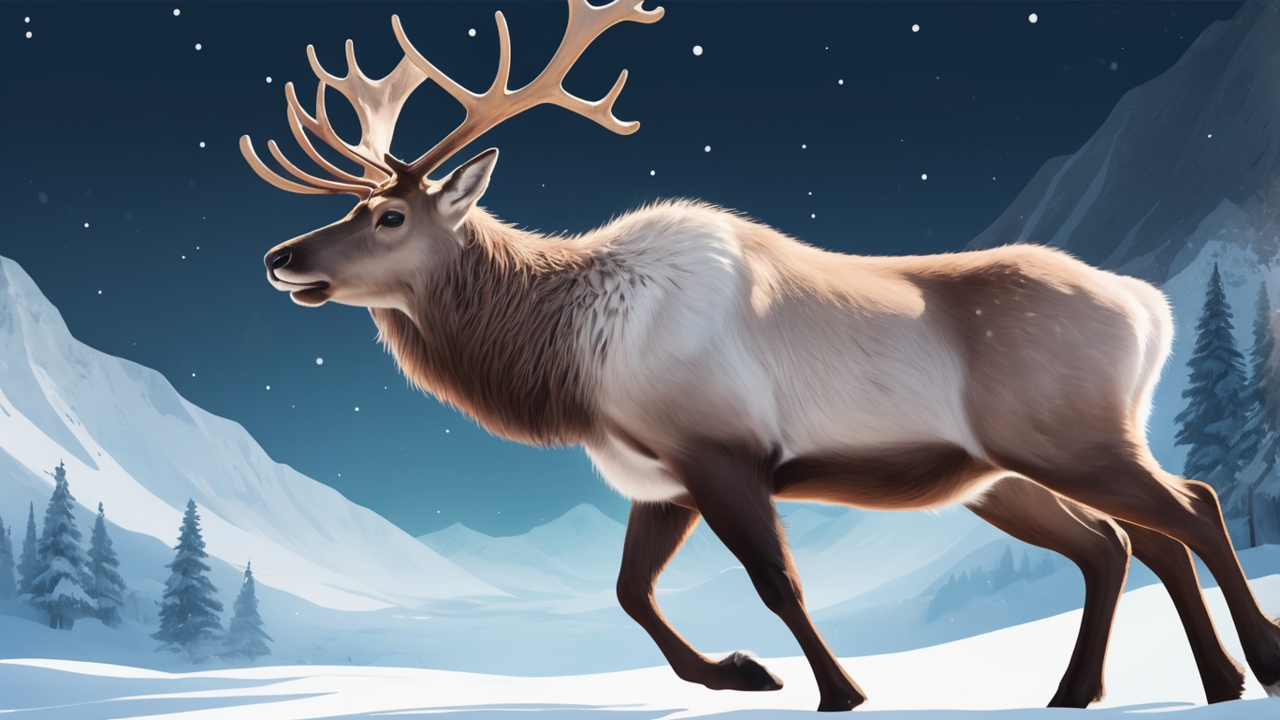
So here’s a fun fact that might ruin some Christmas movies for you: if you see images of reindeer pulling Santa’s sleigh with full antlers in late December, they’re almost certainly females! Male reindeer would have already dropped their antlers by Christmas. Unless Rudolph and the other reindeer are specifically female reindeer or castrated males (which keep their antlers longer), those Christmas decorations aren’t anatomically accurate!
But why do female reindeer have antlers at all, and why do they keep them through winter? Scientists believe there are several reasons. First, pregnant females use their antlers as tools to dig through snow to reach lichen and other food buried beneath. During winter, pregnant females require the most nutrition to support their growing calves, so having access to food is crucial. Antlers work like shovels, allowing females to break through crusty snow and ice that would be difficult to get through with just hooves.
Second, female antlers provide a competitive advantage at feeding sites. During winter, when food is scarce and energy is precious, competition for the best feeding spots can be intense. Females with antlers can dominate females without antlers and can intimidate the antlerless males at feeding areas. Since females are carrying calves and need consistent nutrition, having this competitive edge can make the difference between a healthy pregnancy and calf mortality.
The size difference between male and female antlers is significant. Male reindeer can grow antlers with spans of up to 4 feet across, featuring many branches and points that create elaborate structures. Female antlers are generally smaller and simpler, often more spike-like with fewer branches. But they’re still functional tools and weapons that serve important purposes.
Young reindeer of both sexes grow their first small antlers during their second summer of life. These initial antlers are simple spikes. Each year after, the antlers become larger and more complex, with more branches and points, until the animal reaches full maturity. Older reindeer generally have the largest and most impressive antlers.
Fact 3: Reindeer Have Special Hooves That Change with the Seasons
Reindeer have some of the most interesting and specialised hooves in the animal kingdom, and these hooves actually change with the seasons to handle different terrain and conditions! This adaptation is crucial for animals that must walk on everything from soft summer tundra to hard winter ice, often while digging for food or travelling long distances.
Reindeer hooves are large and rounded, with two main toes (like all deer) and two smaller side toes. The hooves can spread wide apart, giving reindeer a large surface area that distributes their weight and prevents them from sinking into soft snow, mud, or boggy ground. When a reindeer walks on soft terrain, its hooves spread out like snowshoes, allowing it to walk on surfaces where other animals would sink and get stuck.
The hooves are also concave on the bottom, shaped almost like shallow cups or scoops. This cupped shape serves multiple purposes. In snow, it helps the hoof grip by creating suction. On ice, the sharp edges of the hoof provide traction, working like built-in ice cleats. And perhaps most importantly, these scoop-shaped hooves are perfect tools for digging through snow to reach food underneath—a behaviour called “cratering.”
Here’s where the seasonal change comes in. During summer, when the ground is soft, and reindeer walk on tundra, marsh, or soft earth, their hoof pads are soft and spongy. These pads provide cushioning and a good grip on rough ground. The edges of the hooves are relatively worn down from walking on soft surfaces. Summer hooves are adapted for the terrain of the warm season.
But as winter approaches and the ground freezes, reindeer hooves transform. The soft pads shrink and harden, becoming tougher and more compact. At the same time, the hard outer rim of the hoof grows sharper and more prominent. These winter hooves are like natural ice picks—the sharp edges cut into ice and hard-packed snow, providing excellent traction on slippery surfaces. The harder pads also work better for breaking through crusty snow when digging for food.
This seasonal transformation happens naturally as the seasons change, driven by temperature and the type of surfaces the reindeer are walking on. It’s similar to how our fingernails might get harder or softer depending on conditions, but much more dramatic and useful. In spring, as the ground thaws, the hooves gradually transition back to their softer summer form.
The clicking sound that reindeer make when they walk is another interesting hoof feature. There’s a tendon in the reindeer’s foot that slips over bone as the animal walks, creating an audible click with each step. A herd of reindeer sounds like hundreds of castanets clicking in rhythm! Scientists believe this clicking might help reindeer stay together in fog or blizzards when visibility is poor—they can hear each other even when they can’t see each other.
Reindeer hooves are also useful in swimming, which reindeer do regularly. These animals are strong swimmers and must often cross rivers and lakes during their migrations. The large, spreading hooves work like paddles in water, helping reindeer swim efficiently. Some reindeer populations even swim between islands in the Arctic Ocean!
The digging ability of reindeer hooves is critical. In winter, when much of the reindeer’s food is buried under snow, they must dig craters to reach lichen, moss, and dried grasses. A reindeer can dig through several feet of snow to reach food, using their hooves to scrape and push snow aside. The sharp winter hooves are perfect tools for this essential task. Mother reindeer teach their calves how to calve properly—it’s a learned skill that’s crucial for survival.
Fact 4: Reindeer Make Epic Migrations—Some of the Longest of Any Land Animal
Reindeer undertake some of the longest migrations of any terrestrial mammal on Earth, travelling thousands of miles each year between summer and winter ranges. This remarkable journey is one of nature’s great spectacles and represents an incredible physical feat that shows just how adapted reindeer are to their environment.
The specific migration distances vary by population. Some reindeer herds are relatively sedentary, moving only short distances seasonally. But the most impressive migrations are made by barren-ground caribou in North America and tundra reindeer in Russia. These herds can travel over 3,000 miles in a single year—that’s like walking from New York to California and back again!
The Porcupine caribou herd, which lives in Alaska and northern Canada, makes one of the longest and most studied migrations. This herd of about 200,000 animals spends winters in the boreal forests of interior Alaska and Yukon, where trees provide some shelter from harsh weather and where the snow isn’t as deep as on the open tundra. In spring, the entire herd begins moving north, travelling to their calving grounds on the coastal plain of the Arctic National Wildlife Refuge.
This spring migration can cover over 400 miles and takes several weeks. The pregnant females lead the way, moving urgently toward the calving grounds where they’ll give birth. They’re following routes that their ancestors have used for thousands of years, passed down through generations. The timing is crucial—they need to arrive at the calving grounds when the new plant growth is beginning, providing the rich nutrition mothers need to produce milk for their newborn calves.
After the calves are born and summer arrives, the reindeer spread out across the tundra to feed on the abundant summer vegetation. They must eat as much as possible during these months, building up fat reserves that will sustain them through the winter. Summer is also when calves grow rapidly and when adults grow their antlers—it’s a season of intensive feeding and growth.
As fall approaches, the herds begin moving south again, back toward the winter ranges in the forest. This fall migration is more leisurely than the urgent spring migration, with the herd spreading out and moving gradually. But it still covers hundreds of miles. By the time winter arrives, the reindeer are back in the boreal forest, where they’ll spend the cold months digging through snow to reach buried lichen.
Why do reindeer make these exhausting migrations? Several reasons. The coastal tundra provides excellent calving grounds—it’s relatively predator-free, offers nutritious new plant growth, and has fewer insects than inland areas (Arctic mosquitoes and flies can be incredibly numerous and bothersome). But these same coastal areas are exposed and windswept in winter, with deep snow that makes finding food difficult. The inland forests offer more shelter and slightly easier access to winter food, although the quality of the food is lower.
The migration also allows reindeer to access the right resources at the right times. They’re following the “green wave” of plant growth as it moves north in spring and south in fall, always trying to be where the most nutritious vegetation is available. This maximises the nutrition they can obtain throughout the year.
The physical demands of migration are extraordinary. Pregnant females walking hundreds of miles to reach calving grounds, giving birth, and then nursing calves while continuing to migrate require enormous energy. Calves must walk just hours after being born and keep up with the herd within days. Weak or sick individuals often can’t maintain the pace and may fall to predators like wolves that follow the herds.
Climate change is affecting these traditional migrations. Warmer temperatures are changing plant growth patterns, altering snow conditions, and even changing the routes that work best. Some reindeer populations are adjusting their migration timing or routes, while others are struggling to adapt. Scientists are closely monitoring these changes because they could significantly affect reindeer populations.
Human activities also impact migrations. Roads, pipelines, fences, and development can block traditional migration routes. If reindeer can’t reach their calving grounds or winter ranges, entire herds can be threatened. Indigenous peoples who depend on caribou have been advocating for protecting migration corridors and traditional ranges.
Fact 5: Reindeer Have a Special Relationship with Indigenous Arctic Peoples
For the final interesting fact, let’s look at the unique relationship between reindeer and humans. For thousands of years, indigenous peoples across the Arctic have depended on reindeer for survival, developing a relationship that goes far beyond simple hunting—it involves herding, domestication, and a deep cultural connection that has shaped both human and reindeer populations.
Several indigenous groups have herded reindeer for centuries or even millennia. The Sámi people of northern Scandinavia, the Nenets of Russia, the Chukchi of Siberia, and other groups have developed sophisticated reindeer herding traditions. These aren’t farmers keeping animals in pens—they’re nomadic or semi-nomadic herders who follow their reindeer herds across vast territories, living with and managing thousands of animals.
Traditional reindeer herding is incredibly skilled work. Herders must know individual animals, understand herd behaviour, predict where reindeer will want to go in different seasons, protect herds from predators, manage breeding, and navigate challenging Arctic terrain—all while living in some of Earth’s harshest climates. It’s a way of life that requires deep knowledge passed down through generations.
Reindeer provide almost everything needed for survival in the Arctic. Their meat is high in protein and fat, perfect nutrition for cold climates. Their hides make warm, water-resistant clothing and are used for tents and bedding. Sinews become thread for sewing. Bones and antlers are carved into tools, needles, and other implements. Even reindeer milk is used, though milking reindeer is difficult and not practised everywhere. Nothing goes to waste.
In many Arctic cultures, reindeer are also a form of transportation. People ride reindeer and use them to pull sledges loaded with supplies, shelter materials, and belongings. A good riding reindeer can carry a person many miles across terrain where wheeled vehicles can’t go. Reindeer pulling sledges can transport a family’s entire camp, allowing people to move with their herds seasonally.
The relationship between herders and reindeer isn’t like the relationship between modern farmers and livestock. Herded reindeer aren’t fully domesticated in the way cattle or sheep are. They’re semi-wild animals that could survive independently but choose to stay with human herders because doing so provides benefits—protection from predators, guidance to good grazing areas, and sometimes supplemental food during harsh periods.
Reindeer herders develop incredible knowledge of reindeer behaviour. They can identify hundreds or even thousands of individual reindeer by their appearance. They understand the social structures within herds. They know which animals are the natural leaders that others will follow. This intimate knowledge allows them to manage large herds with minimal intervention—mostly just guiding the natural behaviours rather than forcing animals to do things.
Different cultures have different herding styles. Sámi herders in Scandinavia traditionally follow their herds on foot or skis, using corrals only occasionally to gather animals for marking or selection. Nenets herders in Russia may use lassoes and dogs to help manage their herds. Each group has adapted their techniques to their specific environment and their specific reindeer populations.
The cultural importance of reindeer goes beyond practical utility. In many Arctic cultures, reindeer appear in mythology, art, and spiritual practices. They’re central to cultural identity. Traditional stories, songs, and artwork feature reindeer prominently. Herding knowledge and skills are sources of pride and cultural continuity. Even as modern life reaches the Arctic, many indigenous families maintain herding traditions as a vital connection to their heritage.
Today, reindeer herding faces challenges from climate change, industrial development, and changing economic conditions. Warmer temperatures affect snow conditions, making it harder for reindeer to dig for winter food. Oil and gas development, mining, and other industries encroach on traditional grazing lands. Younger generations may choose different careers rather than continuing the demanding herding lifestyle.
Reindeer Facts Conclusion
Reindeer are truly remarkable animals that embody the wonder of evolution and adaptation. The five interesting facts we’ve explored—their colour-changing eyes that allow them to see UV light in winter, the unique trait of both sexes growing antlers, their specialised hooves that transform with the seasons, their epic migrations across thousands of miles, and their deep connection with Arctic peoples—reveal animals that are perfectly suited to one of Earth’s most challenging environments.
Real reindeer, with their colour-changing eyes and clicking hooves, their thousand-mile journeys and their partnership with humans, are far more amazing than the flying reindeer of Christmas stories. They don’t need magic to be incredible—their actual biology and behaviour are plenty magical on their own! Understanding real reindeer doesn’t diminish the wonder; it amplifies it by showing us what nature can accomplish through evolution.
As you think about reindeer now, whether you’re seeing them in holiday decorations or learning about them in school, remember these facts. Remember that if you see a reindeer with antlers in winter, it’s probably a female. Remember that those hooves are specialised tools that change with the seasons. Remember that reindeer eyes see a world invisible to us, and that these animals walk thousands of miles each year following ancient routes.
We hope you enjoyed learning more things about reindeer as much as we loved teaching you about them. Now that you know how majestic these animals are, you can move on to learn about other animals and birds, like Wolves, Lizards and Rhinos.
Why not subscribe to our LearningMole Library for as little as £1.99 per month to access over 3400 fun educational videos.
Maths Circus, an innovative platform we've crafted, presents a captivating realm where children learn mathematics through the exciting theme of a circus. The joy of juggling numbers and solving circus...
Wolfgang Amadeus Mozart (1756 to 1791) was an Austrian composer of the Classical period who wrote more than 600 works, including operas, symphonies and piano concertos, in a life of...
Cooks prepare, cook and present food for other people, working in restaurants, schools, hospitals, hotels, care homes and cafés. Their day covers washing and chopping ingredients, cooking dishes at the...
Actors use their voice, their body and their imagination to turn the words of a script into a believable person that an audience can follow, whether that audience is sitting...





Leave a Reply