Interactive lessons offer a dynamic way to teach students about endangered species. They bring to life the complex issues of conservation, habitat loss, and biodiversity. These engaging educational tools bridge the gap between abstract environmental concepts and real-world understanding for young learners.
Interactive elements incorporated into endangered species education can significantly increase student comprehension and foster a genuine concern for wildlife conservation.
Classroom activities about endangered species can take many forms, from digital simulations to hands-on projects that demonstrate the wording in the Endangered Species Act.
“When students actively participate in conservation-themed lessons, they develop not just knowledge but empathy for threatened species,” explains Michelle Connolly, an educational consultant with over 16 years of classroom experience. These interactive approaches can transform what might be distressing environmental topics into opportunities for empowerment and action.
Videos that showcase species in different stages of protection or activities that encourage productive interaction around conservation efforts can help students understand the complexity of saving endangered species while inspiring them to become part of the solution.
Understanding Endangered Species
When we learn about endangered species, we explore why certain plants and animals are at risk of disappearing forever. Understanding the specific criteria that make a species endangered, the human and natural causes that threaten them, and their importance to our planet helps us recognise how we can protect these vulnerable creatures.
Definition and Criteria
An endangered species is a plant or animal facing a very high risk of extinction in the wild. The International Union for Conservation of Nature (IUCN) uses a system called the Red List to classify species based on their extinction risk. This classification includes categories like:
Critically Endangered: Extremely high risk of extinction
Endangered: Very high risk of extinction
Vulnerable: High risk of extinction
Near Threatened: Likely to become endangered soon
To determine if a species is endangered, scientists examine several factors. These include population size, habitat range, reproduction rates, and threats.
“As an educator with over 16 years of classroom experience, I’ve found that children connect deeply with endangered species stories when they understand the specific criteria that put animals at risk,” notes Michelle Connolly, founder of LearningMole and educational consultant.
Causes of Endangerment and Extinction
Several key factors contribute to species becoming endangered or extinct:
Habitat Loss: This is the leading cause of endangerment. When forests are cleared, wetlands drained, or coral reefs damaged, animals lose their homes and food sources.
Pollution: Chemicals, plastics, and other pollutants harm wildlife and their habitats. Water pollution is particularly devastating for aquatic species.
Climate Change: Rising temperatures affect migration patterns, breeding cycles, and food availability. Some species cannot adapt quickly enough to these changes.
Invasive Species: When non-native species are introduced to new areas, they can outcompete native wildlife for resources.
Global Impact
The loss of endangered species affects our planet in profound ways. Each species plays a unique role in its ecosystem, creating a complex web of interactions that maintain natural processes.
Biodiversity Loss: When a species disappears, we lose unique genetic information developed over millions of years of evolution. This reduces our planet’s biological diversity.
Ecosystem Disruption: Species extinction can trigger a domino effect. For example, when predators disappear, prey populations may explode, affecting plant communities.
Human Consequences: Many medicines come from plants and animals. Losing species means losing potential treatments for diseases. We also depend on healthy ecosystems for clean air, water, and food.
Interactive learning experiences with endangered species help you better understand and appreciate these incredible creatures. By learning about endangered species, you can become part of the solution to protect them.
The Plight of Endangered Animals
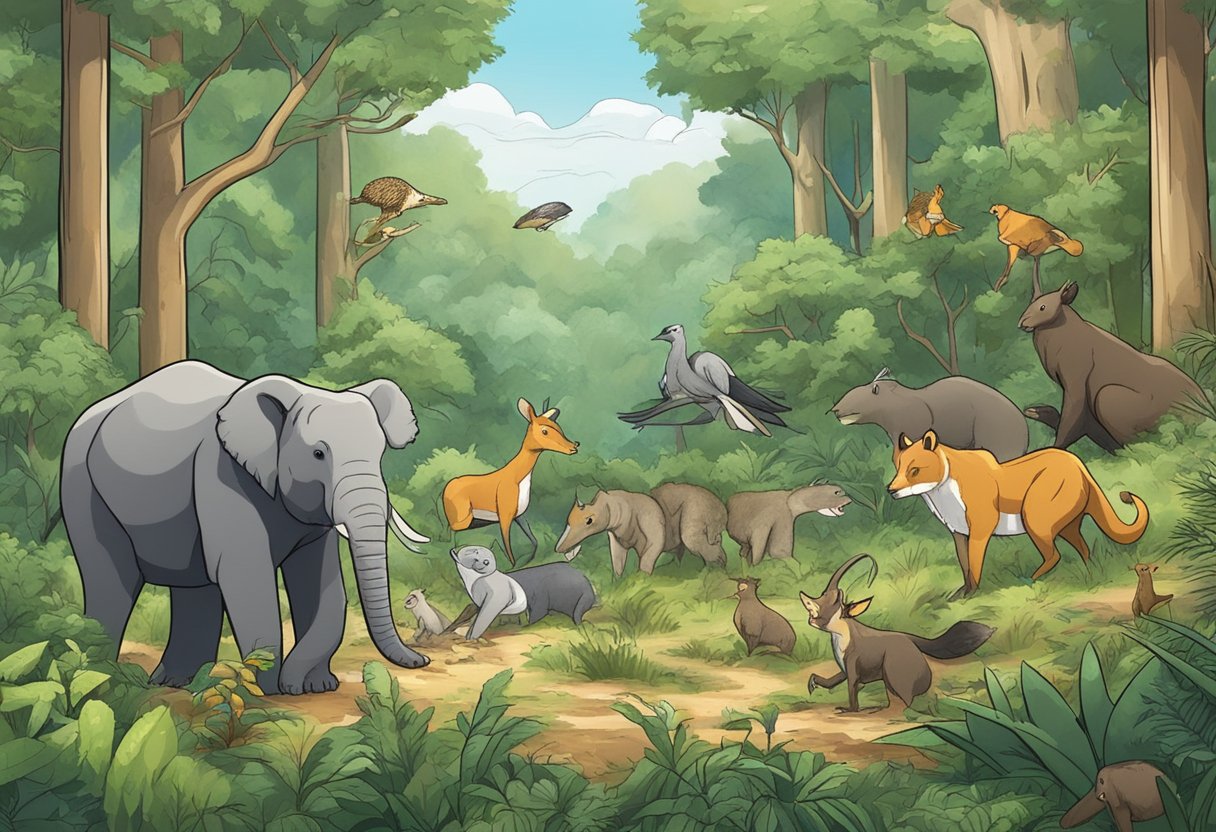
Endangered animals face numerous threats that push them closer to extinction every day. These creatures, from land to sea, struggle against habitat loss, climate change, and human activities that endanger their survival.
Land Animals at Risk
Many land animals are fighting for survival against increasing odds. The Amur Leopard remains one of the world’s most endangered big cats, with fewer than 100 individuals left in the wild. These magnificent creatures face threats from poaching, habitat loss, and human encroachment.
The Northern White Rhino is nearly extinct, with only two females remaining. Poaching for their horns has devastated their population despite conservation efforts.
“Having worked with thousands of students across different learning environments, I’ve seen how children connect emotionally with endangered species stories. This connection creates powerful learning moments about conservation,” explains Michelle Connolly, founder of LearningMole and educational consultant.
Other critically endangered land animals include:
Mountain gorillas (approximately 1,000 left)
Sumatran orangutans (fewer than 14,000 remaining)
Javan rhinos (about 75 individuals)
Human activities like deforestation, agriculture expansion, and infrastructure development continue to shrink crucial habitats these animals need to survive.
Threats to Marine Life
Our oceans face unprecedented challenges that threaten marine species worldwide. Plastic pollution has reached crisis levels, with over 8 million tonnes entering oceans annually. Marine animals mistake plastic for food, leading to starvation and death.
Climate change causes ocean warming and acidification, destroying coral reefs that serve as crucial habitats for countless species. Over 50% of the world’s coral reefs have died in the past 30 years.
Overfishing depletes marine populations faster than they can reproduce. Commercial fishing operations with massive nets accidentally catch and kill untargeted species as “bycatch.”
Oil spills continue to devastate marine ecosystems, with some areas taking decades to recover. The vaquita porpoise, the world’s smallest and most endangered marine mammal, has fewer than 10 individuals remaining in the wild.
Chemical runoff from agriculture creates “dead zones” where little marine life can survive. These combined threats create unprecedented pressure on marine ecosystems worldwide.
Focus on Sea Turtles
Sea turtles have navigated Earth’s oceans for over 100 million years, but all seven species now face extinction. These ancient mariners encounter numerous threats throughout their long lives.
Beach development destroys crucial nesting sites. Artificial lighting near beaches confuses hatchlings who follow the brightest light (naturally the moon reflected on water), often leading them inland instead of to the sea.
Climate change poses a unique threat to sea turtles. The temperature of the sand determines the sex of hatchlings:
Warmer temperatures = more females
Cooler temperatures = more males
With rising global temperatures, some populations now produce over 90% female hatchlings, threatening future reproduction.
“Having worked with thousands of students across different learning environments, I’ve found that sea turtles provide an excellent case study for teaching about interconnected ecosystems and conservation challenges,” notes Michelle Connolly, educational expert and founder of LearningMole.
Plastic pollution is particularly deadly for sea turtles, who mistake floating plastic bags for jellyfish. One study found plastic in the stomachs of 100% of examined deceased turtles.
The Role of Wetlands in Ecosystems
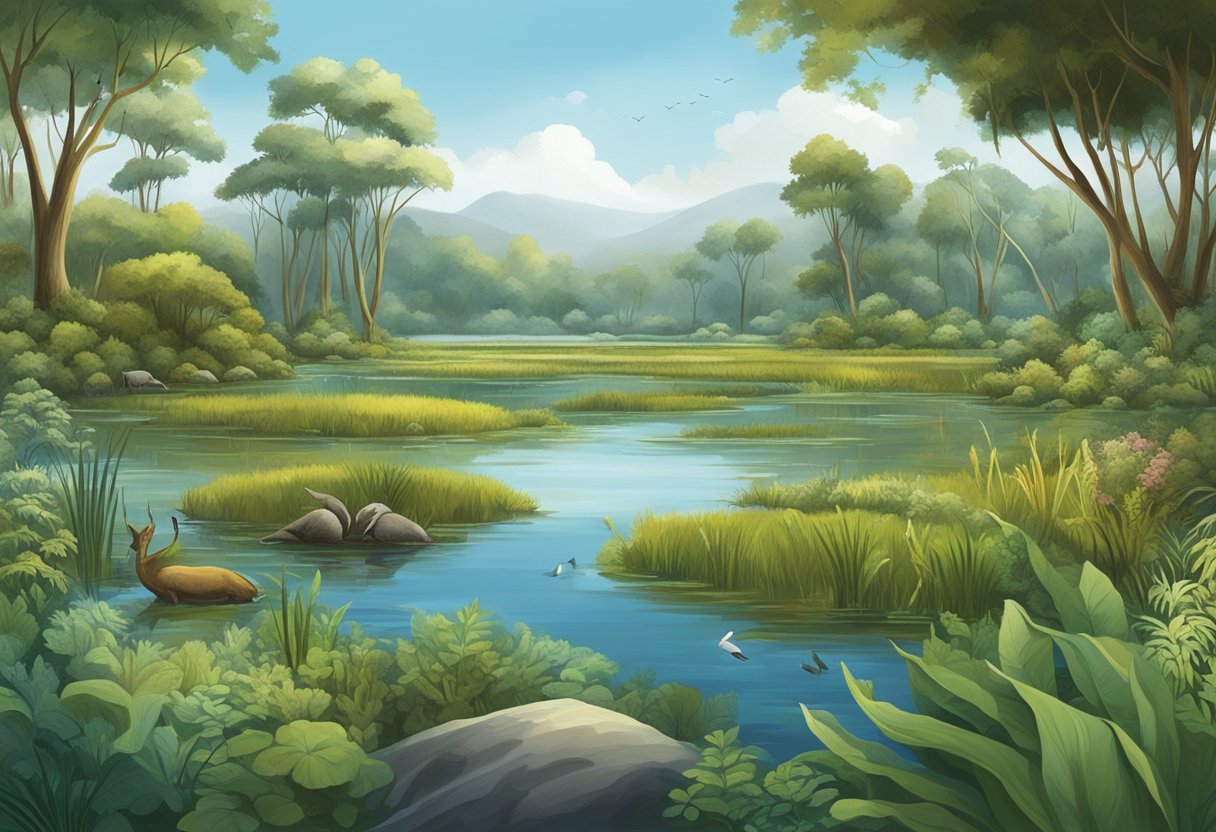
Wetlands serve as crucial habitats that support biodiversity and perform vital ecological functions. These unique ecosystems act as nature’s filters, provide homes for countless species, and help protect surrounding areas from flooding and erosion.
Wetlands as Wildlife Sanctuaries
Wetlands are incredible wildlife havens that provide essential habitat for numerous species. Many endangered and threatened species depend on these ecosystems for their survival. The Plymouth red-bellied turtle, for example, could disappear if wetland destruction continues.
These areas offer food, water, shelter and breeding grounds for wildlife. Birds use wetlands as nesting sites and stopover points during migration. Fish spawn in the protected waters, and amphibians require both aquatic and terrestrial environments that wetlands provide.
“As an educator with over 16 years of classroom experience, I’ve found that children connect deeply with conservation issues when they understand how wetlands function as nature’s nurseries,” says Michelle Connolly, founder of Learning Mole and educational consultant.
Wetlands also support biodiversity by creating unique conditions where specialised plants and animals thrive. The complex interactions between soil, surface water, and vegetation create microhabitats that support extraordinary diversity.
Conservation Efforts for Wetland Habitats
Wetland conservation involves protecting these valuable ecosystems from development, pollution and drainage. Many isolated wetlands face particular threats because they may not be connected to larger water systems but still provide critical ecological functions.
Scientists are working on restoration projects to bring damaged wetlands back to health. However, this process is complex and challenging. Research shows that wetland restoration is not as simple as it might seem, requiring careful understanding of ecological relationships.
Conservation strategies include:
Creating protected wetland reserves
Developing regulations that limit development in wetland areas
Restoring damaged wetlands through replanting and water management
Educating communities about wetland value
“Having worked with thousands of students across different learning environments, I’ve observed that hands-on wetland conservation activities create powerful learning moments that inspire future environmental stewards,” explains Michelle Connolly.
You can support wetland conservation by participating in local cleanup events, supporting conservation organisations, and learning more about the wetlands in your community.
Climate Change and Its Effects
Climate change is transforming our planet’s ecosystems and threatening countless species. Rising temperatures, changing rainfall patterns, and extreme weather events are putting severe pressure on wildlife worldwide.
Impact on Species and Habitats
Climate change is forcing animals to adapt, migrate, or face extinction. Many species simply cannot adjust quickly enough to their rapidly changing environments. For example, melting sea ice destroys the hunting grounds of polar bears.
Animals with “K-strategy” traits (those that thrive in stable environments) are more vulnerable to these changes. These species typically:
Reproduce slowly
Have fewer offspring
Require specific habitat conditions
Have limited geographic ranges
“As an educator with over 16 years of classroom experience, I’ve seen how interactive lessons about endangered species create powerful emotional connections for children,” explains Michelle Connolly, educational consultant and founder. “When students understand the real impacts of climate change on animals they love, conservation becomes personal.”
Mitigating Climate Change for Conservation
Conservation efforts must now include climate change considerations in their planning. Adaptive management approaches are crucial for protecting endangered species in our changing world.
Effective strategies include:
Creating wildlife corridors to allow species migration
Protecting diverse habitats to provide refuge
Reducing greenhouse gas emissions through policy and individual action
Implementing breeding programmes for critically endangered species
Conservation scientists are developing structured decision-making processes specifically for managing threatened and endangered species as climate change accelerates. These approaches prioritise actions that contribute most to species recovery.
You can support these efforts by reducing your carbon footprint, supporting conservation organisations, and teaching others about the importance of biodiversity preservation.
Legislation for Protection
Laws protecting endangered species are a crucial part of conservation efforts around the world. These legal frameworks establish safeguards for vulnerable species and their habitats, creating a foundation for recovery programmes and conservation initiatives.
Understanding the Endangered Species Act
The Endangered Species Act (ESA) is one of the world’s strongest wildlife protection laws. Passed in 1973, it provides a legal safety net for plants and animals at risk of extinction.
“As an educator with over 16 years of classroom experience, I’ve found that children grasp the importance of the ESA more deeply when they understand it protects not just individual species, but entire ecosystems,” explains Michelle Connolly, founder of LearningMole and educational consultant.
The ESA has two primary protection mechanisms:
Listing species as threatened or endangered
Designating critical habitat essential for their survival
When a species receives protection under the ESA, it becomes illegal to harm, harass, or kill the animal. The Act also prohibits trading in protected species and requires federal agencies to ensure their actions don’t jeopardise listed species.
Role of the U.S. Fish and Wildlife Service
The U.S. Fish and Wildlife Service (FWS) serves as the primary guardian of endangered species in the United States. This agency implements the ESA and works directly to protect vulnerable wildlife.
The FWS has several important responsibilities:
Species assessment and listing – Evaluating which plants and animals need protection
Recovery planning – Creating detailed strategies to help species recover
Habitat conservation – Protecting critical areas needed for survival
Law enforcement – Ensuring compliance with endangered species regulations
You might encounter FWS educational materials in your classroom or local nature centre. These resources help the public understand how endangered species regulations work and why they matter.
The FWS also collaborates with states, tribes, and private landowners through voluntary conservation programmes designed to protect species before they need formal ESA listing.
Lessons and Education
Educational initiatives about endangered species combine teaching methods and interactive experiences to foster awareness and action. When educators create effective lessons on this topic, they can inspire the next generation of conservationists through engaging activities that develop understanding and empathy.
Designing Engaging Lesson Plans
Creating effective endangered species lesson plans requires balancing facts with emotional connection. Start with a compelling hook—perhaps a striking image of a critically endangered animal or a startling statistic about extinction rates.
Structure your lessons to include multiple learning styles. Visual learners benefit from photos and videos, whilst auditory learners might connect through recordings of animal calls or conservation experts. Tactile learners thrive with hands-on activities like creating habitat dioramas.
“As an educator with over 16 years of classroom experience, I’ve found that children retain information about endangered species when the lessons connect to their own experiences,” notes Michelle Connolly, educational consultant and founder of LearningMole.
Consider these elements for your endangered species lessons:
Age-appropriate content with simplified concepts for younger learners
Local connections to regional endangered species
Action components where pupils can participate in conservation efforts
Cross-curricular links to science, geography, and even maths
Interactive Experiences and Games
Games transform endangered species education from passive to active learning. Role-playing activities where pupils become different animals competing for limited resources can demonstrate ecological principles effectively.
Conservation education games have been shown to enhance learning outcomes. These range from simple board games to digital simulations that model ecosystem changes over time.
Habitat Loss Simulation where classroom space gradually decreases
Food Web Card Game demonstrating interconnectedness
Digital “Rescue Missions” where pupils solve conservation challenges
Virtual field trips using video conferencing with zoos and wildlife centres provide direct connection with animals and conservationists. These experiences create memorable learning moments that textbooks alone cannot match.
Utilising Educator Resources
A wealth of conservation education materials exists to support your teaching. Many wildlife organisations offer free downloadable worksheets, lesson plans, and presentation materials designed by experts.
Educational websites provide virtual experiences with endangered species through videos, interactive maps, and up-to-date conservation data. These resources save preparation time whilst ensuring accuracy.
National Geographic Education: Interactive maps and multimedia
Local Wildlife Trust Materials: Region-specific information
Zoo Educational Outreach Programmes: Virtual or in-person expert sessions
“Having worked with thousands of students across different learning environments, I’ve observed that the most effective endangered species education combines reputable resources with opportunities for pupils to feel personally invested,” explains Michelle Connolly.
Remember to evaluate resources for scientific accuracy and age appropriateness. The best materials will present conservation challenges honestly whilst maintaining optimism about potential solutions.
Engaging the Community
Community involvement in endangered species conservation creates powerful learning opportunities and broadens support for protection efforts. Effective engagement strategies can transform local attitudes and build lasting partnerships for species preservation.
Community Involvement
When you work with local communities, conservation efforts become more effective and sustainable. Research shows that engaging stakeholders, especially those who live near endangered species habitats, significantly improves conservation outcomes.
“As an educator with over 16 years of classroom experience, I’ve seen how connecting communities with conservation creates powerful learning experiences that stay with children long after they leave the classroom,” says Michelle Connolly, educational consultant and founder of LearningMole.
School partnerships that connect students with real conservation work
Communities that feel ownership of conservation efforts are more likely to sustain these initiatives long-term.
Awareness Campaigns and Outreach
Effective awareness campaigns help you share knowledge about endangered species with wider audiences. Interactive learning activities are particularly powerful for building emotional connections with threatened wildlife.
Consider these outreach strategies:
Interactive workshops where participants learn species identification
Community storytelling sessions about local wildlife encounters
Mobile exhibitions that travel to underserved areas
Digital campaigns that reach younger audiences through social media
When planning your awareness activities, focus on creating memorable, hands-on experiences. For example, simulation games where participants make conservation decisions help people understand complex ecological relationships.
Remember that successful outreach isn’t just about sharing information—it’s about inspiring action. Always include specific, achievable steps that people can take to support endangered species in their daily lives.
Technology in Conservation
Modern technology has revolutionised how we protect endangered species. New tools help scientists track animals and engage people in conservation efforts through interactive software.
Innovations in Wildlife Tracking
Wildlife tracking has undergone remarkable changes with new technologies. Scientists now use satellite tracking to monitor endangered species movements in real-time. These devices are becoming smaller and more efficient, allowing researchers to track even the smallest creatures.
GPS collars provide valuable data about animal territories and migration patterns. This information helps conservationists create better protected areas and wildlife corridors.
“Having worked with thousands of students across different learning environments, I’ve seen how tracking technology captivates young minds and connects them to conservation in ways textbooks simply cannot,” explains Michelle Connolly, educational consultant with 16 years of classroom experience.
Camera traps with motion sensors capture photos of elusive species. These images help scientists estimate population sizes and observe natural behaviours without human interference.
Conservation Apps and Software
Mobile applications now make conservation accessible to everyone. Citizen science apps allow you to identify species and submit sightings to global databases, contributing valuable information to research efforts.
Interactive maps show the distribution of endangered species, helping you understand habitat loss and fragmentation. Many of these tools use participatory sensing to engage remote communities in conservation.
Educational games teach about endangered species through play-based learning. These apps simulate ecosystems and demonstrate how different actions affect wildlife populations.
Virtual reality experiences provide immersive encounters with endangered animals. These technologies create emotional connections that inspire conservation action.
Advanced reproductive technologies are now supported by specialised software to help conserve critically endangered species when natural reproduction is challenging.
Global Conservation Organisations
Several major organisations lead worldwide efforts to protect endangered species through various programmes and initiatives. These groups work across borders to create conservation strategies, raise awareness, and implement direct interventions to save threatened wildlife populations.
Profiles of Major NGOs
Interorganisational collaboration is essential for effective endangered species protection. Major conservation NGOs operate globally, each with unique approaches:
International Union for Conservation of Nature (IUCN)
Maintains the Red List of Threatened Species
Provides scientific data for conservation planning
Connects governments, scientists and local communitiesWildlife Conservation Society (WCS)
Focuses on protecting wildlife in critical habitats
Operates in nearly 60 countries worldwide
Uses science-based approaches to conservation challenges
“Children connect deeply with conservation stories that show how organisations work together to save animals they care about,” notes Michelle Connolly, educational consultant and founder.
WWF Together and Its Initiatives
The World Wildlife Fund (WWF) stands as one of the most recognised conservation organisations globally. Their WWF Together app and programme has revolutionised how people learn about endangered species.
Key WWF Together Features:
Interactive digital experiences with endangered animals
Real-time updates on conservation projects
Educational tools for classrooms and families
Opportunities for direct involvement in conservation efforts
WWF’s collaborative approach includes partnerships with governments, local communities and other NGOs. They focus on strongly interactive species that play crucial roles in their ecosystems.
Their work extends to supporting international trade regulations like CITES (Convention on International Trade in Endangered Species) to prevent illegal wildlife trafficking and protect vulnerable species.
Taking Action as Individuals
Individual efforts make a significant difference in endangered species conservation. Small daily habits and local involvement can create meaningful change when enough people participate in these activities.
Daily Practices for Wildlife Conservation
You can incorporate simple habits into your daily life that help protect endangered species. Start by reducing your carbon footprint through walking, cycling or using public transport whenever possible. This helps limit climate change, which threatens many species’ habitats.
Be mindful of your consumption habits. Choose products with sustainable palm oil to protect orangutan habitats, and avoid items made from endangered species like ivory or exotic leathers.
“I’ve seen how children become passionate advocates when they understand the connection between their daily choices and wildlife conservation,” says Michelle Connolly, founder and educational consultant at LearningMole.
Your garden can become a wildlife haven! Plant native species that provide food and shelter for local wildlife. Avoid pesticides that harm beneficial insects which many birds rely on for food.
Simple actions that make a difference:
Conserve water and energy
Reduce plastic use
Buy locally grown food
Use eco-friendly cleaning products
Contributing to Local Conservation Efforts
Community involvement is crucial for effective endangered species protection. You can volunteer with local conservation groups to participate in habitat restoration projects, wildlife surveys or educational outreach.
Citizen science programmes need your help! These initiatives allow you to collect valuable data about local wildlife populations that researchers use to monitor endangered species. Many only require a smartphone and some basic training.
Consider donating to reputable conservation organisations. Even small contributions help fund essential research and conservation programmes that protect vulnerable species.
Engage with local schools and community centres to organise wildlife education events. Sharing knowledge about endangered species creates more advocates for conservation.
Ways to get involved locally:
Join beach or park clean-ups
Participate in tree-planting initiatives
Support wildlife rehabilitation centres
Attend conservation workshops
Write to local representatives about conservation issues
Conclusion
Interactive lessons about endangered species provide powerful opportunities to educate children and young learners about conservation whilst fostering genuine empathy for threatened wildlife. By incorporating engaging activities such as digital simulations, hands-on projects, role-playing games, and virtual field trips, educators can transform complex environmental concepts into accessible, memorable learning experiences.
From understanding the criteria that define endangered species to exploring the vital role of wetlands and the impact of climate change, these interactive approaches help students grasp the interconnected nature of ecosystems and the urgent need for conservation action. With excellent resources available from organisations like WWF, the U.S. Fish and Wildlife Service, and local conservation groups, teachers have unprecedented access to materials that bring endangered species education to life in the classroom.
The most effective endangered species education extends beyond knowledge acquisition to inspire real-world action and community involvement. By combining legislation awareness, technology innovations like wildlife tracking apps and citizen science programmes, and opportunities for individual contribution, we can empower the next generation to become active conservation advocates.
Whether through reducing carbon footprints, participating in local habitat restoration projects, or simply making mindful daily choices that protect wildlife, every student can play a meaningful role in endangered species conservation. Start incorporating these interactive lessons and community engagement strategies into your educational programmes today to create lasting connections between learners and the natural world, transforming concern into concrete conservation action that benefits threatened species worldwide.
Maths Circus, an innovative platform we've crafted, presents a captivating realm where children learn mathematics through the exciting theme of a circus. The joy of juggling numbers and solving circus...
Trees are like the Earth's superheroes! They're big and strong, and they help our planet in so many ways. Imagine if the Earth was a giant garden; trees would be...
A flood happens when water covers land that is normally dry. Most floods follow heavy rain, melting snow, a river bursting its banks or a storm pushing the sea inland....
Wolfgang Amadeus Mozart (1756 to 1791) was an Austrian Classical-period composer who wrote more than 600 works, including operas, symphonies, and piano concertos, in a life of only 35 years....






Leave a Reply