Arts and crafts activities provide wonderful opportunities for young learners to explore their creativity and develop essential skills. When these activities become interactive, they create powerful learning experiences that engage children on multiple levels. Interactive visual art learning plays a crucial role in developing young children’s creativity. It engages them emotionally and intellectually through thoughtfully designed activities.
Using crafts in education offers numerous benefits beyond just artistic expression. Children develop fine motor skills, problem-solving abilities, and communication skills when they participate in craft activities. As Michelle Connolly, an educational consultant with over 16 years of classroom experience, explains, “When you introduce interactive arts and crafts to young learners, you’re not just teaching them to create beautiful things—you’re helping them develop the confidence to express themselves and the resilience to work through challenges.”
Technology can enhance traditional craft experiences by offering new dimensions for creativity and learning. Digital tools and interactive media can nurture children’s creativity while providing opportunities for arts-based learning that might not be possible with traditional materials alone. These resources allow you to create engaging, personalised experiences that meet the diverse needs of all your young learners.
The Importance of Art in Child Development
Art plays a vital role in children’s development beyond simply creating pretty pictures. It builds essential life skills while providing outlets for emotional expression and cognitive growth.
Fostering Creativity and Individuality
When children engage with art materials, they develop their unique creative voice. Through art and craft activities, they learn to express themselves in ways words often cannot.
“As an educator with over 16 years of classroom experience, I’ve witnessed how art unlocks children’s imagination in remarkable ways. When given creative freedom, even the quietest child can flourish,” notes Michelle Connolly, founder and educational consultant.
Art encourages children to:
Develop their unique artistic voice
Make independent choices about colours, materials and techniques
Express personal experiences and emotions
Build confidence in their ideas
You’ll notice your child developing their own preferences and style as they experiment with different art forms. This self-discovery process is crucial for building a strong sense of self.
Enhancing Problem-Solving and Decision-Making Skills
Art projects naturally present challenges that require creative solutions. When a child mixes colours or tries to build a 3D structure, they’re actively solving problems.
Every artistic choice—what colour to use, which material works best, how to fix mistakes—strengthens decision-making abilities. These skills transfer to academic subjects and real-life situations.
Engaging learners through artmaking helps them develop patience and perseverance. When you provide open-ended art activities, you’re giving your child opportunities to think flexibly and develop confidence in their ability to overcome challenges.
Supporting Mental Health and Well-Being
Art provides a safe space for emotional expression and processing. Children often lack the vocabulary to express complex feelings, but through art, they can communicate what words cannot.
The sensory aspects of art—feeling clay, smelling paint, seeing colours blend—create calming, mindful experiences that reduce stress. For many children, art becomes a healthy coping mechanism.
Creative experiences provide a sense of accomplishment that builds resilience. When you encourage artistic expression at home, you’re supporting your child’s emotional development in profound ways.
Integrating Crafts into Everyday Learning
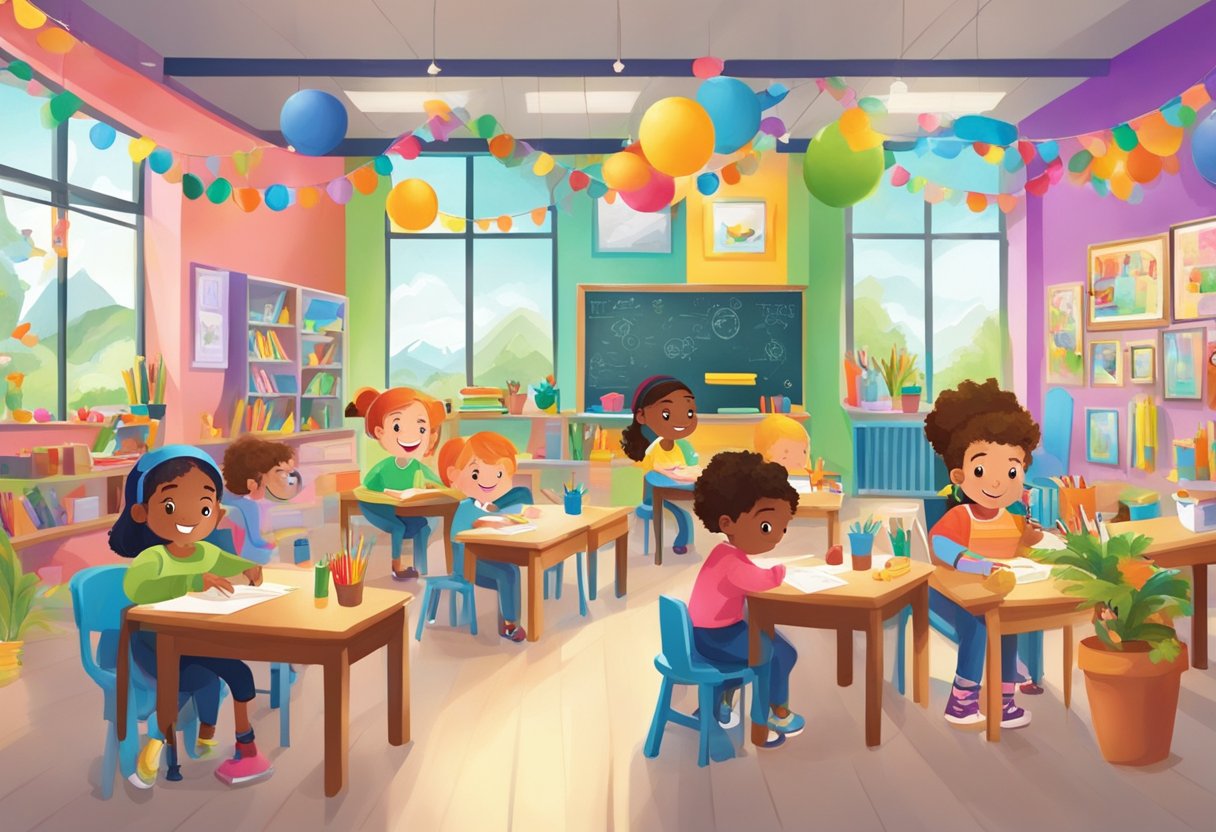
Crafts provide powerful hands-on opportunities for young learners to develop fine motor skills while exploring educational concepts. When woven into daily activities, arts and crafts become valuable tools for reinforcing learning across multiple subjects.
Hands-On Activities for Preschoolers
Preschoolers thrive when they can touch, manipulate and create. Simple activities like playdough shape-making help develop hand muscles needed for writing, while simultaneously teaching colour mixing and basic maths concepts.
“As an educator with over 16 years of classroom experience, I’ve seen how sensory craft bins can transform abstract concepts into tangible learning moments for our youngest learners,” notes Michelle Connolly, founder of LearningMole and educational consultant.
Try these preschool-friendly craft activities:
Nature collages: Collect leaves, twigs and flowers during a garden walk, then create art while learning about seasons and plant life
Recycled material constructions: Use toilet rolls, cereal boxes and bottle tops to build structures, teaching sustainability alongside engineering concepts
Finger painting with purpose: Create number shapes or letter forms through messy play
Remember to keep activities short (10-15 minutes) and focused on the process rather than the end product. This approach maintains engagement and builds confidence in young creators.
Educational Crafts and Art Activities
Crafts can reinforce academic concepts across the curriculum in meaningful ways. When you integrate arts and crafts with subject learning, children retain information better through multiple learning experiences.
Consider these curriculum-connected craft ideas:
Maths:
Create pattern bracelets with coloured beads
Build 3D shapes using straws and plasticine
Design symmetrical butterfly paintings
Literacy:
Craft puppets to retell favourite stories
Make letter-shaped suncatchers with tissue paper
Create personal alphabet books with drawings
Science:
Design weather mobiles showing different conditions
Build recycled material water wheels to explore motion
Create bird feeders while learning about wildlife
The key to effective integration of arts and crafts is establishing clear learning objectives before beginning. Always discuss what was learned after completing the activity to reinforce the educational purpose behind the fun.
Exploring Digital Art and Animation
Digital art and animation offer children exciting new ways to express themselves creatively while building important technical skills. These modern artistic tools blend traditional artistic concepts with technology, opening up worlds of possibility for young learners.
Utilising Technology for Artistic Expression
Today’s children have access to amazing digital art tools that can transform how they create and share their ideas. Tablets with touch screens make drawing accessible even for the youngest artists, allowing them to explore colour, line and texture without the mess of traditional materials.
Drawing apps designed specifically for children offer simplified interfaces with fun stamps, stickers and special effects that keep young learners engaged. These tools often include undo buttons that encourage experimentation without fear of making mistakes.
“As an educator with over 16 years of classroom experience, I’ve seen how digital art tools can unlock creativity in children who might struggle with traditional art materials,” explains Michelle Connolly, founder and educational consultant. “The confidence they gain often transfers to other learning areas.”
Animation software designed for children lets them bring their characters to life through movement and storytelling. This process helps develop sequencing skills, attention to detail, and patience as they work through each frame.
Interactive Resources for Digital Creativity
Online platforms provide structured opportunities for children to explore digital creativity while learning important concepts. Virtual museums and galleries expose children to diverse artistic styles that can inspire their own creations.
Try these excellent digital art resources with your young learners:
Tate Kids – Offers child-friendly art activities, games and videos
Google Arts & Culture – Provides virtual museum tours and interactive art experiences
Animation apps like Toontastic and Stop Motion Studio that make animation accessible for beginners
Interactive animation tools allow children to experiment with different styles and techniques while receiving immediate feedback. This combination of creativity and technology helps develop both artistic and digital literacy skills simultaneously.
Look for tangible interactive learning systems that bridge physical and digital art experiences. These multi-sensory approaches help children make connections between traditional art techniques and new technologies.
Collaboration Through Art
Art brings children together in wonderful ways, creating spaces for sharing ideas and making friends. Through creative activities, young learners develop vital social skills while expressing themselves.
Collaborative Art Projects
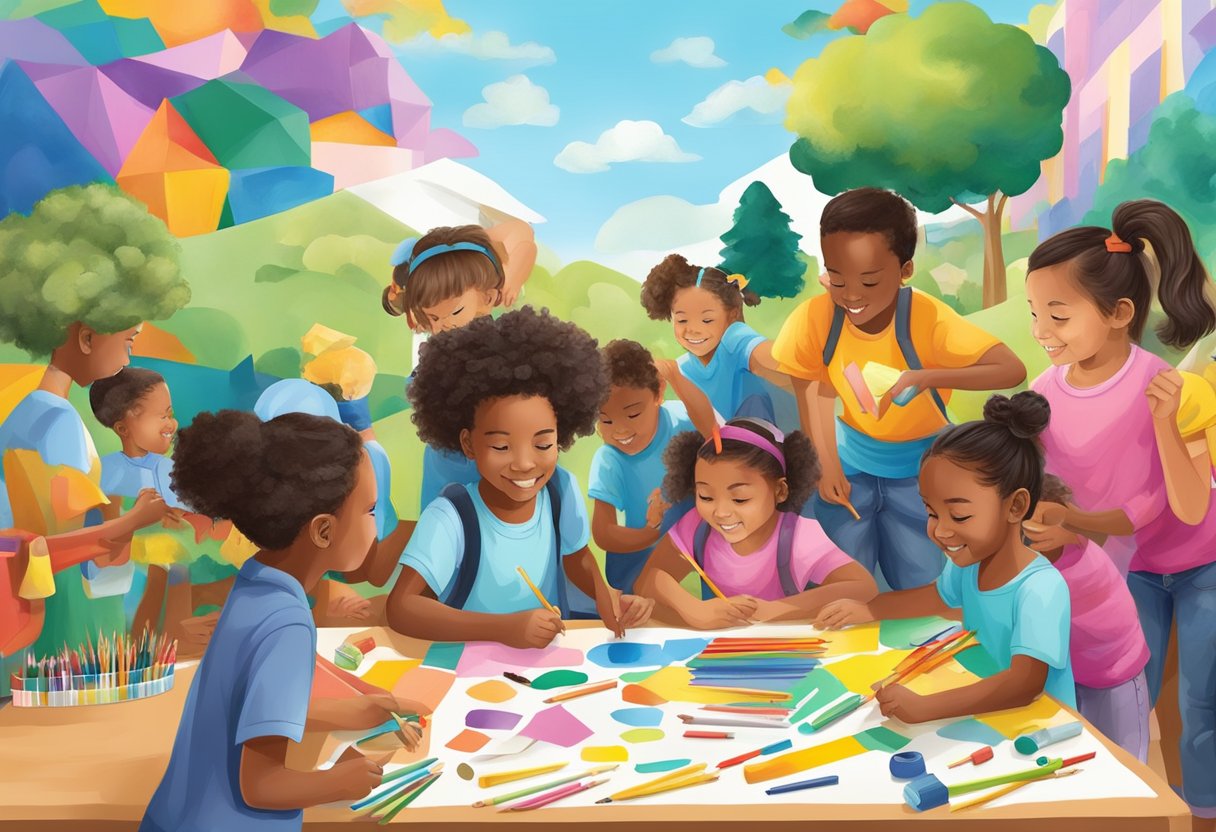
Working together on art projects helps children learn teamwork and communication. Group art activities encourage children to share materials, exchange ideas, and solve problems together.
Try these collaborative art ideas with your young learners:
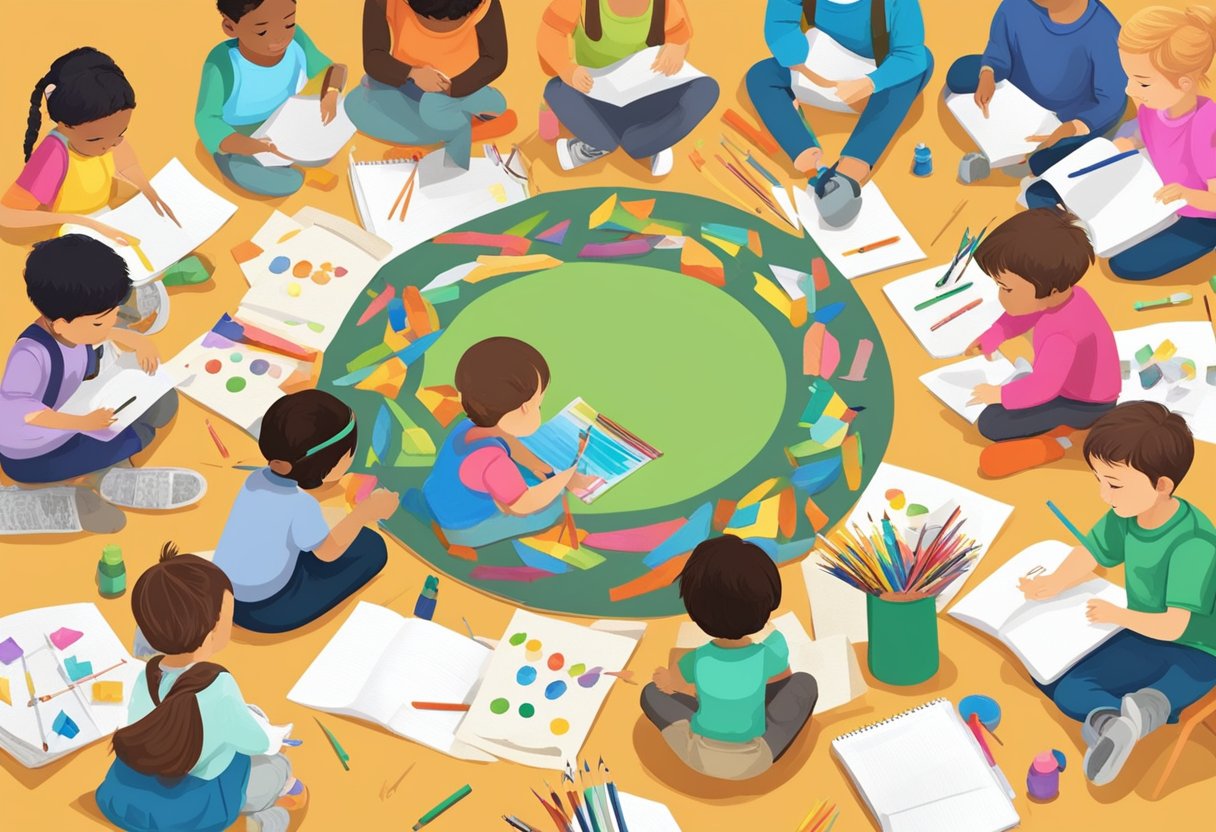
Mural Making: Spread a large paper across the floor and let children create sections of a story together.
Friendship Quilts: Each child decorates a paper square, then all pieces are joined to create a classroom quilt.
Pass-Along Art: Children start a drawing, then pass it to a friend who adds their own elements.
“Having worked with thousands of students across different learning environments, I’ve seen collaborative art transform even the most reluctant participants into engaged team members,” says Michelle Connolly, educational consultant with 16 years of classroom experience.
These projects teach children to value different perspectives and build on each other’s ideas.
Connecting with Others through Crafts
Craft activities create natural opportunities for children to connect and build relationships. When young learners work side by side on creative projects, meaningful conversations and friendships develop.
Research shows that when children engage in art and craft activities together, they learn to verbalise their ideas and listen to others. This builds important social and emotional skills.
For children who struggle with social interactions, crafts provide a comfortable entry point for engagement. The focus on making something together takes pressure off direct socialisation.
You can enhance these connections by creating spaces specifically designed for creative collaboration, similar to the social spaces used in hospitals that help children connect through art workshops.
Cultivating Listening and Communication Skills
Arts and crafts provide an excellent foundation for developing essential communication abilities in young learners. Through carefully designed creative activities, children can enhance how they listen to others and express their own thoughts.
Interactive Arts for Improved Listening Skills
Listening is a vital skill that young children need to develop early. Story illustration activities can significantly boost these abilities. After reading a story, ask children to draw their favourite scene. This requires them to listen carefully to details in the story.
Arts integration in diverse classrooms shows that these practices strengthen foundational skills while engaging students with ideas.
Try these listening-focused art activities:
Sound painting: Play music and have children paint what they hear
Whisper chain crafts: Children pass craft instructions in whispers
Listen and build: Give verbal instructions for a specific craft creation
“As an educator with over 16 years of classroom experience, I’ve found that art activities requiring careful listening create double benefits—children improve their focus while developing creative skills,” notes Michelle Connolly, founder of LearningMole.
Art Activities that Promote Discussion and Sharing
Creating opportunities for children to talk about their artwork builds confidence in self-expression. Group murals encourage collaboration and meaningful conversations as children plan, create, and discuss their contributions.
When children craft animals from natural materials, they can practise giving them English names and describing their creations to peers.
Try these discussion-promoting activities:
Art show-and-tell: Children present their artwork and answer questions
Collaborative crafts: Small groups work together on a single project
Emotion collages: Create artwork about feelings and discuss them
Using speak and sketch partners, pair children to describe objects whilst their partner draws based only on verbal descriptions. This builds descriptive language skills and listening comprehension simultaneously.
Remember to display children’s work with their own written or dictated descriptions. This validates their efforts and provides additional opportunities for meaningful conversations about the creative process.
Art and Crafts as a Response to the Pandemic
During the COVID-19 pandemic, arts and crafts emerged as powerful tools for education and emotional wellbeing. They provided creative outlets when traditional learning was disrupted and helped maintain social connections despite physical distancing.
Adapting Creative Workshops Amidst Restrictions
When schools closed, families and educators quickly pivoted to home-based creative activities. Many parents found themselves supporting children through arts and crafts as a way to maintain educational continuity. Schools adapted by:
“As an educator with over 16 years of classroom experience, I witnessed remarkable innovation as teachers transformed kitchen tables into art studios and living rooms into galleries,” says Michelle Connolly, educational consultant and founder.
Remote craft education presented both challenges and opportunities. Younger students often received daily assignments to maintain routine and structure. Many teachers found creative ways to incorporate household materials into lessons when traditional supplies weren’t available.
Enhancing Connection in a Time of Isolation
Arts and crafts provided crucial emotional support during isolation periods. They offered:
Ways to process complex feelings
Opportunities to connect with family members
Shared creative experiences across distances
Meaningful screen-free activities
Young people used various media including drawing, photography and traditional crafts to express themselves during uncertain times. Virtual craft circles emerged where participants could create together while physically apart.
“Having worked with thousands of students across different learning environments, I’ve seen how shared creative activities build resilience. During lockdowns, these connections became lifelines,” explains Michelle Connolly.
Research suggests these creative experiences delivered long-term benefits for wellbeing beyond just filling time. When you engage children in collaborative art projects, you’re helping them develop emotional regulation skills that serve them well beyond the pandemic.
The Role of the Arts in the UK Education System
Arts education plays a vital role in the UK education system, providing young learners with essential creative skills and cultural understanding. The arts have been recognised as fundamental to children’s development, though they face challenges in maintaining their position within an increasingly assessment-focused curriculum.
Arts and Cultural Education in the UK
In the UK education system, arts subjects include art, craft, design, music, drama, and dance. These creative disciplines are part of the National Curriculum at Key Stages 1-3, with options to continue studying them at GCSE and A-level. Despite this formal inclusion, many schools struggle with competing demands on resources, time and curriculum.
Primary schools typically incorporate arts through dedicated lessons, cross-curricular activities, and special projects. However, provision varies widely between schools, often depending on budget, staff expertise, and school priorities.
“As an educator with over 16 years of classroom experience, I’ve seen how quality arts education develops children’s creative thinking, problem-solving, and emotional expression,” says Michelle Connolly, educational consultant and founder of LearningMole. “When children engage with arts and crafts regularly, you’ll notice improvements across all subject areas.”
The UK’s creative industries contribute over £100 billion annually to the economy, yet arts education often struggles for proper recognition within the system.
National Initiatives Supporting Arts Education
Several significant initiatives support arts education across the UK. Arts Council England’s Artsmark programme recognises schools that champion arts and cultural education. Their “Creative Writing in Schools” and “Cultural Education Challenge” initiatives have helped thousands of young people access quality arts experiences.
The National Children’s Art Collection showcases young artists’ work, celebrating their creativity on a national stage. Many museums and galleries offer specialised education programmes tailored to the curriculum.
Regional arts organisations provide valuable resources, workshops, and artist-in-residence programmes to complement school-based learning. These connections help you create authentic artistic experiences in your classroom.
Digital technology has transformed arts education access, with virtual gallery tours, interactive design tools, and online masterclasses now widely available. These resources help you overcome geographical and financial barriers to arts participation.
Despite funding challenges, these initiatives demonstrate the UK’s commitment to ensuring all children can benefit from high-quality arts education experiences.
Innovative Art and Craft Resources
Discovering fresh ways to engage young learners in art and craft activities has never been easier with today’s innovative resources. These modern tools combine traditional hands-on creativity with digital experiences to create rich learning opportunities.
Subscription Boxes and Online Portals
Subscription boxes offer a convenient way to bring new art and craft experiences directly to your classroom or home. These curated kits arrive with all materials needed for specific projects, removing the hassle of sourcing supplies yourself. Popular options like Toucan Box and The Craft Box deliver age-appropriate activities with clear instructions that support fine motor skills and creative thinking.
“As an educator with over 16 years of classroom experience, I’ve found that subscription boxes provide consistency in creative learning while removing barriers to access quality materials,” notes Michelle Connolly, founder and educational consultant at LearningMole.
Online portals such as creative digital curriculum platforms offer downloadable resources, tutorial videos, and interactive challenges. These platforms allow you to adapt activities to different ability levels and connect with other educators for inspiration.
Many online resources also include digital art tools that help children explore creativity through technology, combining traditional craft skills with modern design capabilities.
Virtual Museum Tours and Exhibitions
Virtual museum tours have revolutionised how children experience art appreciation. These digital visits allow your class to explore world-class galleries without leaving the classroom, making fine art accessible to all learners regardless of location.
The British Museum, Tate Modern, and National Gallery offer exceptional virtual museum experiences with child-friendly navigation and interactive elements. Many include special features like zoom capabilities to examine brushstrokes or sculpture details that might be difficult to see in person.
“Having worked with thousands of students across different learning environments, I’ve seen how virtual gallery access breaks down geographical barriers and democratises art education,” explains Michelle Connolly, LearningMole’s experienced educational consultant.
These platforms often include ready-made lesson plans that connect artwork to wider curriculum topics, helping you integrate art appreciation into history, literacy or science lessons. Many also offer creative response activities where children can develop their creativity by making their own art inspired by what they’ve seen.
Creating an Inclusive Environment Through Art
Art offers a powerful way to build inclusive spaces where all children feel valued and represented. Through creative expression, you can establish connections that transcend differences and celebrate individuality in your classroom or home learning environment.
Art for All: Accessibility and Diversity in Art Education
When planning art activities, consider how to make them accessible to all learners. Use materials that accommodate different abilities – like chunky brushes for children with fine motor challenges or textured supplies for sensory engagement.
Michelle Connolly, an educational consultant and founder of LearningMole, notes, “As an educator with over 16 years of classroom experience, I’ve seen how inclusive art environments help children thrive because they feel welcomed exactly as they are.”
Multiple entry points: Offer various ways to engage with each project
Adaptive tools: Like scissors with support springs or brush grips
Flexible seating: Allow children to stand, sit, or move as needed
Art integrated learning environments help students construct personal meaning through creative experiences. This approach bridges differences and makes learning accessible for diverse needs.
Encouraging Individual Expression and Respect for Diversity
Art provides a natural platform for celebrating diversity and personal expression. When you invite children to share their unique perspectives through art, you validate their experiences and build mutual respect.
Create opportunities for children to explore cultural art forms and techniques from around the world. This helps build appreciation for different traditions while fostering connection through shared creative experiences.
Try these strategies:
Display diverse artists’ work showing various backgrounds and abilities
Encourage personal choice in subjects, materials, and approaches
Hold respectful critique sessions where children learn to appreciate differences
Interactive visual art learning develops emotional and intellectual engagement, helping children translate their unique ideas into tangible creations. Through craft-tech social objects and other creative approaches, you can build an environment where children feel safe expressing their individuality while learning to value others’ perspectives.
Conclusion
Interactive arts and crafts activities represent far more than simple creative pastimes—they form essential building blocks for young learners’ cognitive, social, and emotional development. Through hands-on making, cutting, painting, and constructing, children develop fine motor skills that directly support their writing abilities, whilst simultaneously building confidence, problem-solving capabilities, and creative thinking skills.
These activities naturally integrate with curriculum objectives across subjects, from exploring mathematical concepts through pattern-making to developing language skills through storytelling with handmade puppets. When teachers and parents provide regular opportunities for interactive creative work, they’re supporting children’s natural curiosity whilst building the practical skills that will serve them throughout their educational journey.
The beauty of interactive arts and crafts lies in their accessibility and adaptability for different learning styles and abilities. Whether working in early years settings, primary classrooms, or at the kitchen table at home, these activities require minimal expensive equipment whilst delivering maximum educational impact. “Creative activities give children the freedom to express themselves whilst developing essential skills in a natural, enjoyable way.
Maths Circus, an innovative platform we've crafted, presents a captivating realm where children learn mathematics through the exciting theme of a circus. The joy of juggling numbers and solving circus...
Trees are like the Earth's superheroes! They're big and strong, and they help our planet in so many ways. Imagine if the Earth was a giant garden; trees would be...
A flood happens when water covers land that is normally dry. Most floods follow heavy rain, melting snow, a river bursting its banks or a storm pushing the sea inland....
Wolfgang Amadeus Mozart (1756 to 1791) was an Austrian Classical-period composer who wrote more than 600 works, including operas, symphonies, and piano concertos, in a life of only 35 years....




Leave a Reply