Healthy eating for kids is one of the most vital skills we can teach our children. Even with busy schedules and limited time, creating nutritious meals and developing good eating habits remains a priority for many UK families. Learning how to prepare healthy, simple, and enjoyable meals can transform mealtimes for those who juggle work commitments while wanting to provide proper nourishment for their children.
Understanding portion sizes, reducing sugar intake, and being mindful about fat consumption helps children develop into healthy adults with good food relationships. This comprehensive guide offers practical advice, simple recipes, and expert tips to help you nurture healthy eaters and make nutritious food a natural part of your family life.
Understanding the 5 A Day Approach
The NHS ‘5 A Day’ campaign has become a familiar concept for many UK families, but what does it actually mean for your child’s diet? This approach encourages consuming five portions of different fruits and vegetables daily to ensure adequate intake of essential vitamins, minerals, and fibre.
“Children who develop healthy eating habits early in life are more likely to maintain these patterns as they grow. The 5 A Day approach provides a simple framework that helps parents introduce variety and balance,” explains Michelle Connolly, founder of LearningMole and former primary school teacher.
Growth and development – essential vitamins and minerals support bone development, muscle growth, and organ function
Immune system support – vitamin C and other antioxidants help children fight off common illnesses
Digestive health – dietary fibre promotes good gut function and prevents constipation
Energy levels – complex carbohydrates provide sustained energy for learning and play
Long-term health – healthy eating habits started in childhood help reduce future risks of heart disease, obesity, and type 2 diabetes
Research by the British Nutrition Foundation shows that only 18% of UK children consume the recommended five portions daily. This highlights the need for practical approaches to increase fruit and vegetable consumption in family diets.
Child-Sized Portions Explained
Understanding appropriate portion sizes for children is essential, as they differ significantly from adult portions:
For young children (ages 1-4): A good rule of thumb is about 1-2 tablespoons of vegetables or fruit per year of age
For primary school children (ages 5-11): Roughly what fits in their palm – typically half the size of an adult portion
Practical examples of one portion for a primary school child include:
One medium apple, pear or orange
Two plums or satsumas
A handful of grapes or berries (about 10-15)
Three heaped tablespoons of peas, sweetcorn or carrots
A cereal bowl of salad leaves
Three broccoli florets
For dried fruit, smaller portions count due to higher sugar concentration – about one tablespoon is sufficient. Remember that potatoes, while nutritious, count as starchy foods rather than vegetables in the 5 A Day approach.
Creating Nutritious Family Meals
Establishing healthy eating patterns requires a practical approach that fits into your family’s lifestyle. Making gradual changes works better than complete overhauls of eating habits.
Balanced Meal Planning for UK Families
The Eatwell Guide provides a useful framework for planning balanced meals:
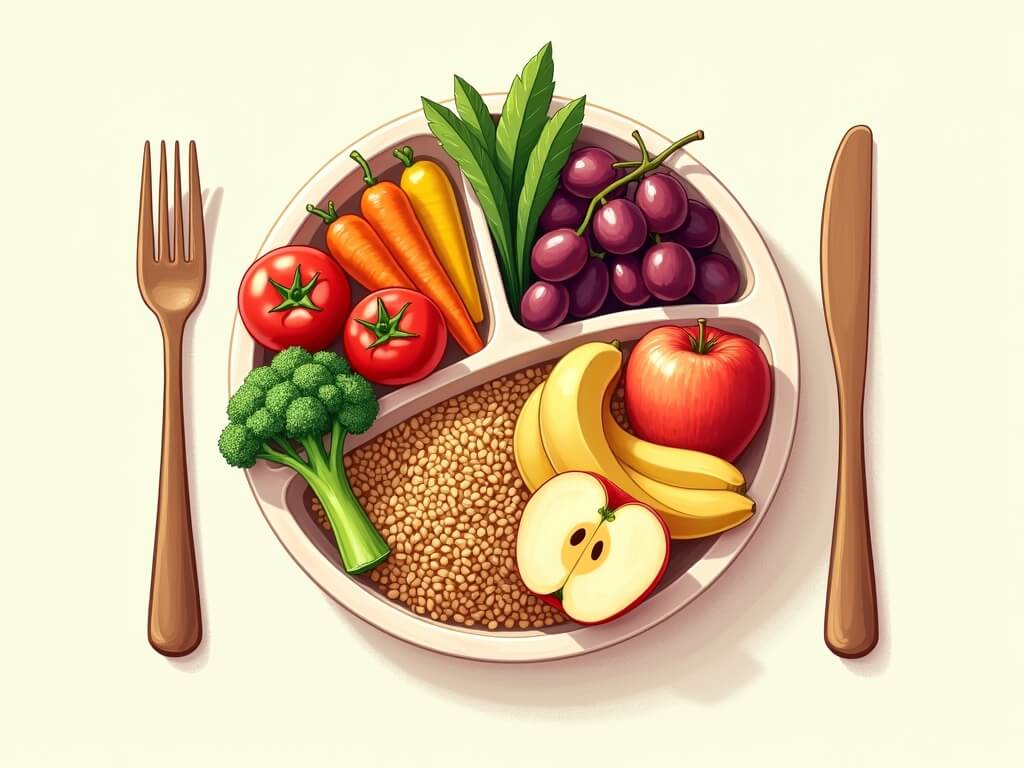
Fruits and vegetables – aim for these to fill about a third of your child’s plate
Starchy carbohydrates – include wholegrain options like brown rice, wholemeal pasta or bread when possible
Protein sources – incorporate lean meats, fish, eggs, beans or other plant proteins
Dairy or alternatives – provide calcium through milk, yoghurt, cheese or fortified dairy alternatives
Healthy fats – use small amounts of vegetable oils or spreads
When planning family meals, consider:
Batch cooking – prepare larger quantities at weekends for quick weekday meals
Involving children – let them help with age-appropriate food preparation tasks
Food swaps – gradually introduce healthier alternatives to less nutritious favourites
Reducing Sugar and Salt in Children’s Diets
UK health guidelines recommend limiting free sugars to no more than 19g per day for children aged 4-6 years and 24g for those aged 7-10 years. This can be challenging when many children’s foods contain hidden sugars.
Practical approaches include:
Reading food labels – looking for ‘low sugar’ options (less than 5g per 100g)
Offering water or milk instead of sugary drinks
Using mashed banana or stewed apple to sweeten foods naturally
Reducing salt by flavouring with herbs and spices instead
A study from the University of Leeds found that children who regularly cook with their parents show better recognition of vegetables and greater willingness to try new foods. LearningMole’s cooking resources can help parents introduce simple cooking activities suitable for different age groups.
Managing Fussy Eating with Patience
Many children go through phases of selective eating. Classroom teachers and early years professionals frequently observe that pressure and anxiety around eating often worsen the situation.
Effective strategies include:
Offering new foods alongside familiar favourites
Leading by example – eating the same healthy foods yourself
Maintaining a relaxed atmosphere during mealtimes
Allowing children to serve themselves when appropriate
Praising attempts to try new foods, however small
“Fussy eating is a normal developmental phase for many children. Consistent exposure to varied foods in a pressure-free environment is key to expanding their preferences over time,” notes Michelle Connolly.
Practical Food Plans
Creating simple food plans helps families stay organised and make healthier choices more consistently. These plans need not be complex – even outlining rough meal ideas for the week ahead can make a significant difference.
Breakfast Ideas for Busy Mornings
Breakfast provides essential energy for learning and play. Quick, nutritious options include:
Porridge with fresh or dried fruit
Wholegrain cereal with milk and sliced banana
Yoghurt with berries and a sprinkle of granola
Wholemeal toast with mashed avocado or scrambled egg
Homemade smoothie with milk, fruit and a spoonful of oats
For particularly rushed mornings, prepare components the night before, such as overnight oats or chopped fruit.
School Lunch Solutions
Whether your child has school dinners or packed lunches, planning helps ensure they receive balanced nutrition:
For packed lunches:
Include at least one portion of vegetables (cucumber sticks, cherry tomatoes, carrot batons)
Add a piece of fruit or small pot of fruit salad
Provide a source of protein (eggs, tuna, chicken, cheese or hummus)
Include a starchy food, preferably wholegrain (bread, wraps, pasta or rice)
Add a dairy item or alternative (yoghurt, cheese portion or milk)
For variety, rotate between sandwich fillings, pasta salads, and wraps or pittas.
For school dinners:
Review the menu with your child to help them make balanced choices
Discuss what vegetables they might try each day
Ask about their meals to understand what they’re actually eating
After-School Snacks to Sustain Energy
Children often need refuelling after school. Nutritious options include:
Apple or pear slices with a small pot of nut butter (if allowed)
Vegetable sticks with hummus
Small sandwich with banana and a thin spread of peanut butter
Plain yoghurt with fruit pieces
Small handful of dried fruit and nuts (for children over 5)
Cheese cubes with grapes
Homemade plain popcorn
Dinner Ideas the Whole Family Can Enjoy
Creating separate meals for children and adults increases workload and misses opportunities for modelling healthy eating. Family-friendly options include:
Mild vegetable curry with brown rice
Pasta with tomato-based sauce containing hidden vegetable purees
Fish or chicken with roasted vegetables and potatoes
Bean or lentil soup with wholemeal bread
Homemade pizza loaded with vegetable toppings
Using a slow cooker or preparing components in advance can make dinner preparation more manageable during busy weeknights.
Making Healthy Eating Fun
Children are more likely to embrace healthy eating when it feels enjoyable rather than restrictive.
Creative Food Presentation for Picky Little Eaters
Simple presentation techniques can make nutritious foods more appealing:
Arrange fruit and vegetables in patterns or pictures
Ages 9-11: Following simple recipes, making sandwiches, supervised use of hobs and ovens
LearningMole’s subscription services offer detailed cooking activities suitable for different age groups, with downloadable recipe cards designed specifically for young chefs.
Teaching About Food Through Play and Education
Learning about nutrition can be integrated into everyday play and learning:
Growing herbs or vegetables in pots or garden spaces
Reading storybooks featuring foods and eating
Creating food diaries with drawings or photographs
Playing shop with toy fruits and vegetables
Sorting foods into food groups using pictures
Using food-themed educational games
“When children understand where food comes from and how it helps their bodies, they develop more positive attitudes toward healthy eating. This knowledge-based approach works especially well with older primary children,” explains Michelle Connolly.
Building Healthy Food Habits for Life
Establishing good eating habits in childhood creates foundations for lifelong health.
Modelling Positive Food Attitudes
Children learn eating behaviours primarily by observing adults. Effective modelling includes:
Eating a variety of foods yourself
Enjoying mealtimes as social family occasions
Avoiding negative comments about foods or body image
Showing enthusiasm when trying new foods
Talking positively about how nutritious foods help our bodies
Establishing Regular Meal Routines
Consistent meal patterns help children develop healthy relationships with food:
Aim for regular meal and snack times
Create a calm eating environment without screens
Allow sufficient time for eating without rushing
Involve children in table setting or meal preparation
Use mealtimes as opportunities for family connection
Managing Treats and Special Occasions
Balanced approaches to treats help children develop healthy attitudes toward all foods:
Frame treats as part of normal eating rather than rewards or forbidden items
Establish clear expectations about the frequency of treat foods
Offer smaller portions of high-sugar or high-fat foods
Focus on enjoying special occasion foods mindfully
Teach children to recognise hunger and fullness cues
Practical Tips for Encouraging Healthy Eating for Kids
Here are some strategies that UK teachers, parents and nutritionists have found effective:
Start with small changes rather than complete diet overhauls
Be consistent with expectations around trying new foods
Talk about food in terms of how it helps our bodies grow strong and healthy
Create simple food-based activities like taste tests or cooking challenges
Use visual aids like the Eatwell Guide to discuss balanced eating
Celebrate small victories when children try new foods
Focus on long-term habits rather than short-term consumption
How to Encourage Yourself to Eat Healthy Food
Make it a point to eat healthy food inside your home instead of eating takeaway
Help your family prepare easy recipes that make everyone feel happy and enjoy eating
Replace sugary drinks with water, milk or natural fruit juices
Make food visually appealing – try creating fun designs on plates
Ensure regular water intake throughout the day
Turn healthy eating into a game by creating friendly family challenges
Maintain regular mealtimes
Try new fruits and vegetables regularly to discover new favourites
Conclusion
Creating positive food habits for children doesn’t require perfection—it requires consistency, patience, and a practical approach that fits your family’s lifestyle. From understanding the 5 A Day guidelines to managing fussy eating phases, the strategies in this guide offer realistic ways to improve your children’s nutrition while making mealtimes more enjoyable.
Remember that small, gradual changes often lead to the most sustainable results. Whether you’re introducing more vegetables through creative presentation, involving children in meal preparation, or simply modelling positive eating behaviours yourself, each step contributes to building lifelong healthy habits.
Teaching children about nutrition, helping them understand how food fuels their bodies, and creating positive associations with healthy foods sets foundations that extend far beyond childhood. The goal isn’t to create restrictive eating patterns but to develop balanced, informed eaters who can make their own healthy choices as they grow.
For busy parents and teachers seeking practical support, LearningMole offers curriculum-aligned nutrition resources, including engaging educational videos, downloadable activity sheets, and age-appropriate cooking projects. Our subscription service provides access to hundreds of resources designed to make nutrition education both accessible and enjoyable for children at different stages of learning.
Start with one small change today—perhaps trying a new vegetable, involving your child in preparing tomorrow’s lunch, or simply sitting down together for a screen-free family meal. These moments create the positive food experiences that shape healthy eaters for life.
Explore LearningMole’s nutrition and science resources to support your child’s learning journey with expert-designed educational materials for home and classroom use.
Maths Circus, an innovative platform we've crafted, presents a captivating realm where children learn mathematics through the exciting theme of a circus. The joy of juggling numbers and solving circus...
The Latin alphabet, also called the Roman alphabet, is the most widely used writing system in the world. Used by over 100 languages today, including English, French, Spanish, German and...
Venus, the Hottest Planet: Ask most children which planet is hottest, and they'll say Mercury, it's the closest to the Sun, so the logic seems obvious. But the correct answer...
Imagine looking up from a Dorset beach 190 million years ago and seeing a creature with leathery wings gliding over the waves. Many children would call it a flying dinosaur,...




Leave a Reply