As educators and parents, we recognise the importance of teaching kids about germs, infection, and the critical role of hygiene in preventing disease. The recent global emphasis on pandemic prevention has underscored the urgency of this education. By engaging children in understanding how germs spread and the impact they have on our health, we equip them with the tools to protect themselves and others. It’s crucial to distill this knowledge into age-appropriate concepts, creating a generation of informed ‘Germ Busters’ who are prepared to take on the challenges of public health with confidence.
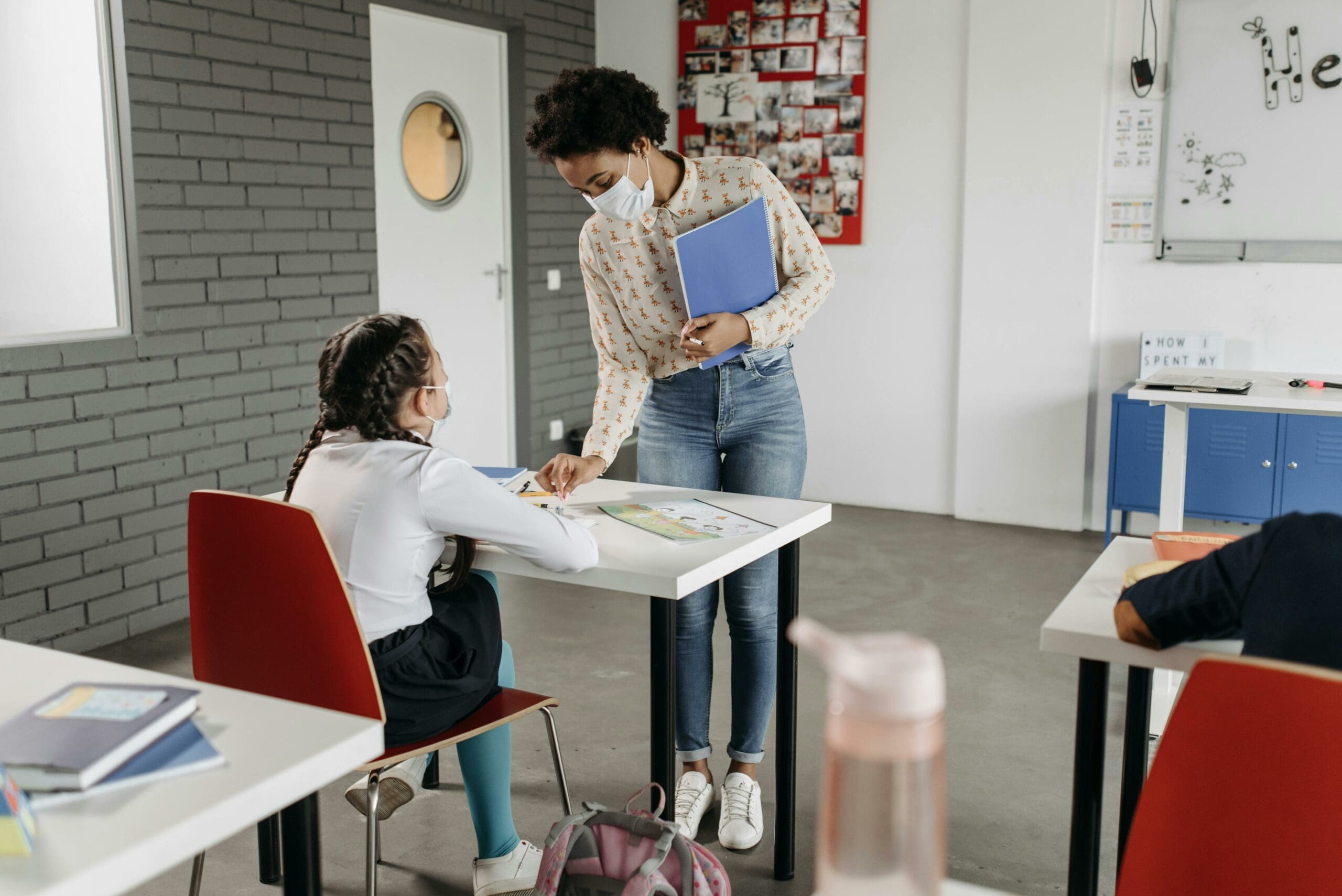
Germ Busters: Teacher and a student wearing a face mask
Exploring the ins and outs of personal hygiene, like effective handwashing techniques, and the significance of respiratory etiquette, children become active participants in disease prevention. Our environment, including schools, plays a substantial role in imparting this wisdom, laying the foundation for healthy habits from a young age. Moreover, fostering an understanding of when to seek medical advice and the broader community’s role in public health can bolster the collective effort against contagions. “Arming children with the knowledge about germs and the importance of hygiene empowers them to take responsibility for their health,” asserts Michelle Connolly, an expert with over 16 years of classroom experience.
Key Takeaways
Educating children on hygiene helps prevent the spread of disease.
A good understanding of personal hygiene practices is crucial.
Schools play a key role in teaching pandemic preparedness.
Understanding Germs and Infection
In this section, we’re going to explore the types of germs responsible for illnesses and how they cause sickness. We’ll learn about these microscopic organisms and understand the importance of preventing infections.
Types of Germs
Germs are tiny organisms that can lead to illness and disease. There are several different types which include bacteria, viruses, fungi, and protozoa. Bacteria are single-celled microorganisms that thrive in diverse environments, from soil to the human gut. Viruses are even smaller than bacteria and require living hosts — such as people, plants, or animals — to multiply; otherwise, they can’t survive for long on their own.
How Germs Cause Illness
Germs cause illness when they invade the human body, often leading to infections. They can spread in various ways, such as through air, direct contact, and contaminated surfaces or foods. A virus might cause illnesses like the flu, while certain bacteria can lead to a range of diseases, from a throat infection to more serious conditions. The body’s immune system usually fights off these germs, but sometimes they’re too overwhelming and lead to sickness.
“Our immune system is remarkable, but it also needs our support through good hygiene practices to fight off germs,” says Michelle Connolly, educator and founder of LearningMole, emphasizing the need for education in germ prevention.
The Immune System: Our Body’s Defence
In our effort to teach kids about pandemic prevention, understanding the immune system is vital. Our immune system is a complex network that acts as a guardian against germs.
How the Immune System Fights Germs
When germs invade our body, it’s the immune system that works tirelessly to protect us. It recognises foreign invaders such as viruses and bacteria, then mobilises white blood cells to respond. Our adaptive immunity, which develops as we encounter different pathogens, remembers specific germs and strengthens the response upon subsequent exposures. Immunisations play a pivotal role in this process by training the immune system to recognise and combat these invaders without us having to go through the illness.
Boosting Children’s Immunity
To reinforce our children’s immune system, we need to focus on healthy eating, regular vaccinations, and plenty of exercise and sleep. Healthy eating which includes a balanced diet with plenty of fruits, vegetables, whole grains, and lean proteins, provides the nutrients the immune system needs. It’s our role to ensure their menus are colourful and full of vitamins. Vaccinations are also a key preventive measure, significantly reducing the likelihood of contracting diseases.
“Our goal is to nurture our children’s natural defence systems through a combination of good nutrition and scientifically-backed immunisations,” says Michelle Connolly, a pioneer in children’s education with 16 years of classroom experience. Let’s work together to give our children the strongest start in life.
Importance of Personal Hygiene
Germ Busters: Children cleaning hands with water on faucet
Proper personal hygiene is crucial for maintaining good health and preventing the spread of illnesses. Teaching children about hygiene helps establish lifelong healthy habits.
Handwashing Techniques
We know that handwashing is one of the most effective ways to stop germs in their tracks. So let us walk you through the proper steps to ensure our little ones are doing it right:
Wet hands with clean, running water.
Apply enough soap to cover all hand surfaces.
Scrub all parts of the hands, including back of hands, between fingers and under nails, for at least 20 seconds.
Rinse thoroughly with water.
Dry with a clean towel or air dry.
“As a parent and educator,” Michelle Connolly says, “it’s our job to make handwashing a fun and habitual practice for kids. Singing a song for those 20 seconds can make it an enjoyable activity.”
Bathing and Body Hygiene
Bathing is not just about keeping clean but is key to keeping germs at bay. To encourage good bathing habits:
Ensure children bathe or shower at least once a day using mild soap and warm water.
Focus on washing all body parts, especially hands, underarms, behind ears, and feet.
Our reminder here is not to turn bath time into a chore. Instead, we make it engaging, explaining how being clean means being strong in the fight against germs.
Effective Handwashing for Kids
In our collective effort to combat the spread of germs, we focus on teaching children the importance of proper hand hygiene, particularly during a pandemic. By educating kids on handwashing techniques and incorporating engaging activities, we’re setting the foundation for lifelong healthy habits.
Teaching the 20-Second Rule
We’ve found that instructing children to wash their hands for at least 20 seconds is crucial. To ensure they grasp this concept, we compare it to singing the “Happy Birthday” song twice. It’s a simple yet effective way to help them remember the correct duration for thorough hand cleaning. “Frequent hand washing with soap breaks down the grease and dirt that carry most germs,” advises Michelle Connolly, an educational consultant with 16 years of classroom experience.
Soap and Water: Always use soap and water to wash hands. The soap helps in removing germs effectively.
Key Times for Handwashing: Before eating, after using the toilet, and after playing outside are vital times for handwashing.
Fun Handwashing Activities
Implementing fun activities encourages children to adopt good handwashing practices. One such activity utilises glitter germs to visually demonstrate how germs spread and the importance of using soap to clean them off.
Glitter Germs Activity: Sprinkle glitter on the children’s hands. Without washing, let them touch objects, showing how glitter (like germs) transfers. Then, wash hands with soap to show how effectively it cleans.
Finger Paint for Handwashing: Substitute finger paints for soap and have children practice washing their hands. This colourful activity makes the learning process enjoyable and memorable.
By integrating these methods into our teachings, we foster a safe and informed environment for our youngsters. Our interactive approach helps them understand why it’s important to keep their little hands clean, ensuring the message sticks far beyond any pandemic.
Respiratory Etiquette and Disease Prevention
Respiratory etiquette is key in preventing the spread of infections, especially during a pandemic. It includes simple yet effective practices such as proper techniques to cover coughs and sneezes, which significantly reduce the likelihood of transmitting germs.
Proper Methods to Cough and Sneeze
When we cough or sneeze, it’s crucial that we do so into a tissue or the inside of our elbow, rather than our hands. This practice helps to limit the spread of germs. Michelle Connolly, an expert with over 16 years in the classroom, says, “Covering your mouth and nose with a tissue or your elbow during a cough or sneeze, is a simple habit that should be instilled from a young age to prevent the spread of illness.” Discard any used tissues immediately into a bin and always follow up with thorough handwashing.
Using Tissues and Elbow Bends
Using Tissues:
Always have tissues at hand; they are the first line of defence against spreading germs.
After use, promptly dispose of tissues in a rubbish bin and sanitise your hands.
Elbow Bends:
If a tissue isn’t available, encourage children to cough or sneeze into the crook of their elbow. This method, while not as sanitary as using tissues, still keeps hands clean.
Emphasize that the elbow technique should be used sparingly, ideally only when tissues are not accessible.
By adhering to these practices, we can all contribute to a healthier environment, reducing the spread of diseases among children and adults alike.
Keeping the Environment Germ-Free
To ensure children’s play areas and learning environments are safe, we must focus on hygiene practices that reduce the risk of disease transmission. This means paying special attention to frequently touched objects and air quality within our spaces.
Cleaning High-Touch Surfaces
High-touch surfaces, like light switches, toys, and door handles, are breeding grounds for germs. We make it a point to use effective cleaners to wipe these surfaces regularly, limiting the chance of spreading infections. Michelle Connolly, a leading educational consultant, advises, “Teaching children to clean their toys can instil a sense of responsibility and awareness about maintaining public health.”
The Role of Air Filtration
Air filtration systems play a critical role in maintaining a germ-free environment. By using HEPA filters and ensuring regular maintenance, we can significantly improve air quality and reduce airborne pathogens. Implementing good ventilation is also essential in public spaces to support public health efforts.
Education on Germs in Schools
In tackling the critical task of pandemic prevention, it’s essential for schools to be well-equipped with the right knowledge and strategies. Educating on germs forms a significant part of this, especially for the young minds in grades K-2, where foundational habits are formed.
Teachers’ Role in Pandemic Prevention
We believe teachers are at the front line when it comes to educating children on germs and pandemic prevention. Their role extends beyond the traditional teaching duties to embody that of a role model and a source of reliable information. Teachers are responsible for demonstrating proper hygiene practices such as washing hands, using tissues, and maintaining a clean classroom environment.
Our founder, Michelle Connolly, takes this seriously, saying, “In our fight against germs in schools, every teacher’s dedication to showing and explaining good hygiene habits is a strong move towards a healthier classroom.” With her 16 years of classroom experience, she understands the power of a teacher’s influence on young students.
School Policies for Health
Effective school policies are pivotal in the prevention and control of germs spreading within the education environment. Policies should include guidelines on:
Regular hand sanitation
Classroom cleanliness
Protocols for sick students or staff
Ensuring adequate ventilation
These measures ensure that schools remain safe zones for learning and that our youngest students in grades K-2 learn and internalise healthy habits from their earliest school experience.
When to Seek Medical Advice
In guiding our children through illness, recognising when professional medical advice is needed is crucial. Our role as caregivers includes knowing the signs that warrant a consultation with healthcare professionals, especially during times of widespread illness like a pandemic.
Recognising Symptoms
When children exhibit signs of illness, such as a persistent fever, unrelenting aches, or a cough that worsens over time, it’s important to monitor these symptoms closely. A fever that doesn’t subside or rise above 38.5°C is particularly concerning, as it may indicate a more serious infection. If symptoms persist or worsen over a few days or if your child appears unusually lethargic and irritable, these are clear signs to seek medical advice.
Consulting Pediatricians
Pediatricians specialise in children’s health and are well-equipped to handle illnesses ranging from the common cold to more serious conditions like COVID-19. If your young one is sick and you’re concerned about symptoms of coronavirus or any other infection, don’t hesitate to contact your pediatrician. They can offer advice on whether your child needs to be seen, and the best steps to take to ensure their health and safety.
Michelle Connolly, founder of LearningMole and an educational consultant with 16 years of classroom experience, reminds us, “Children aren’t just small adults – their health needs are unique. It’s essential to get professional advice when symptoms of illness appear, to ensure they get the appropriate care.” Our shared knowledge and experience as educators and parents can help us make informed decisions about our children’s health.
The Role of Community in Public Health
In our pursuit of public health, it’s vital that we harness the power of community involvement. This approach not only amplifies the effectiveness of health campaigns but also encourages a sense of ownership among community members, leading to more sustainable public health outcomes.
Community Awareness Campaigns
Community awareness campaigns are crucial in educating the public about how to stop the spread of germs and safeguard against pandemics. By using various public service announcements, these campaigns disseminate vital information on hygiene practices and disease prevention. For instance, detailing the importance of regular hand washing can dramatically reduce the transmission of viruses and bacteria. Collaboratively, we can amplify these messages through local events, schools, and social media, ensuring they reach a wider audience and resonate with different age groups.
Michele Connolly, who has been promoting education and health awareness for over 16 years, emphasises that, “Engaging children in hands-on health education programmes encourages them to become proactive individuals who value the well-being of their wider community.”
Volunteer Opportunities
Offering volunteer opportunities can effectively engage individuals in the practicum of public health. Such roles may include organising local health fairs, distributing hygiene kits, or leading educational workshops on germ prevention. These experiences not only strengthen community solidarity but also empower volunteers with the knowledge and skills to actively contribute to public health initiatives.
We believe each of us has a role to play in safeguarding our communities. Joining forces with organisations like LearningMole allows us to extend the reach of public health messages and develop robust strategies to combat health crises at the local level.
Global Pandemics and Ongoing Research
Pandemics have reshaped societies and the need for continuous research is imperious to prepare and protect us. Through learning from past outbreaks and advancing in medical technology, we position ourselves better against infectious threats.
Learning from COVID-19
The COVID-19 pandemic has been a profound learning experience. Our understanding of how pandemics spread and impact societies has grown immensely. We analysed patterns, strengthened public health responses, and identified areas needing improvement. The Centres for Disease Control and Prevention (CDC) played a crucial role, providing guidelines that informed our responses and prevention strategies. It’s imperative we assimilate these lessons to educate our children effectively about disease prevention. As Michelle Connolly, founder and educational consultant with an extensive background in classroom education, aptly puts it, “Each pandemic teaches us invaluable lessons on preparedness and resilience, turning each of us into a germ buster in our right.”
Advancements in Infectious Diseases
Progress in understanding infectious diseases has been remarkable. Our battle against these diseases continues as we support research into vaccines and treatments. The Children’s Hospital of Orange County (CHOC) exemplifies dedication by deploying resources for ongoing studies to mitigate the impact of infectious diseases. Advancements such as real-time data capture and machine learning have given us tools to predict and prevent the spread of diseases. Our commitment is underscored by developing educational content that covers these complicated subjects in an engaging manner, ensuring that our children grasp the concepts that could one day save lives.
Frequently Asked Questions
In this section, we answer common queries on how to engage children in learning about germ prevention and pandemic safety.
What strategies could be employed to educate youngsters about halting germ transmission?
We can introduce storytelling with characters that embody viruses and soap, to show the battle between germs and cleanliness. “It’s about making the invisible world of germs visible to children,” says Michelle Connolly, an educational consultant with over a decade and a half of classroom experience.
Could you suggest interactive activities for children to learn about disease prevention?
Glitter handwashing experiments demonstrate how easily germs spread and the thoroughness required to wash them off. Michelle Connolly highlights, “Interactive activities like these make the concept of infection control tangible for kids.”
What key hygiene practices should be taught to children to curb virus spread?
Consistent handwashing, using tissues when sneezing, and the avoidance of face touching should be core lessons. As Michelle Connolly puts it, “Establishing these habits early on lays the groundwork for lifelong health practices.”
How might one explain the importance of pandemic prevention to a child?
One way is by explaining how staying healthy helps everyone in the community, making them part of a team of heroes. Michelle Connolly suggests, “Relate it to their world by saying that just like their superheroes, they too can help protect people by practicing good hygiene.”
In what ways can teaching materials be utilised to discuss germ prevention with kids?
Visual aids, such as posters and animated videos, can be powerful tools in reinforcing good hygiene. Michelle Connolly believes, “Visuals resonate with children as they learn and remember best when they see what they’re being taught.”
What role does handwashing play in preventing illness among children, and how can we effectively teach it?
Handwashing is the first line of defence. Teaching it effectively involves demonstrating proper technique and timing. “Songs that last 20 seconds can time how long kids should wash their hands,” advises Michelle Connolly, reflecting on her extensive classroom experience.
Maths Circus, an innovative platform we've crafted, presents a captivating realm where children learn mathematics through the exciting theme of a circus. The joy of juggling numbers and solving circus...
The 9 times table multiplication has a reputation for being tricky, yet it holds more mathematical magic than any other table in the primary curriculum. Every answer follows two neat...
Article Summary What this article covers: Ten differences between river otters and sea otters, from size, fur and swimming style to diet, tool use and family life, plus which otter...
Article Summary What this article covers: The nine main types of natural disasters, how each one works and how they are measured, which hazards genuinely affect the UK, and how...




Leave a Reply