Fun Moving Your Body: Exercise Videos for Kids
Table of Contents
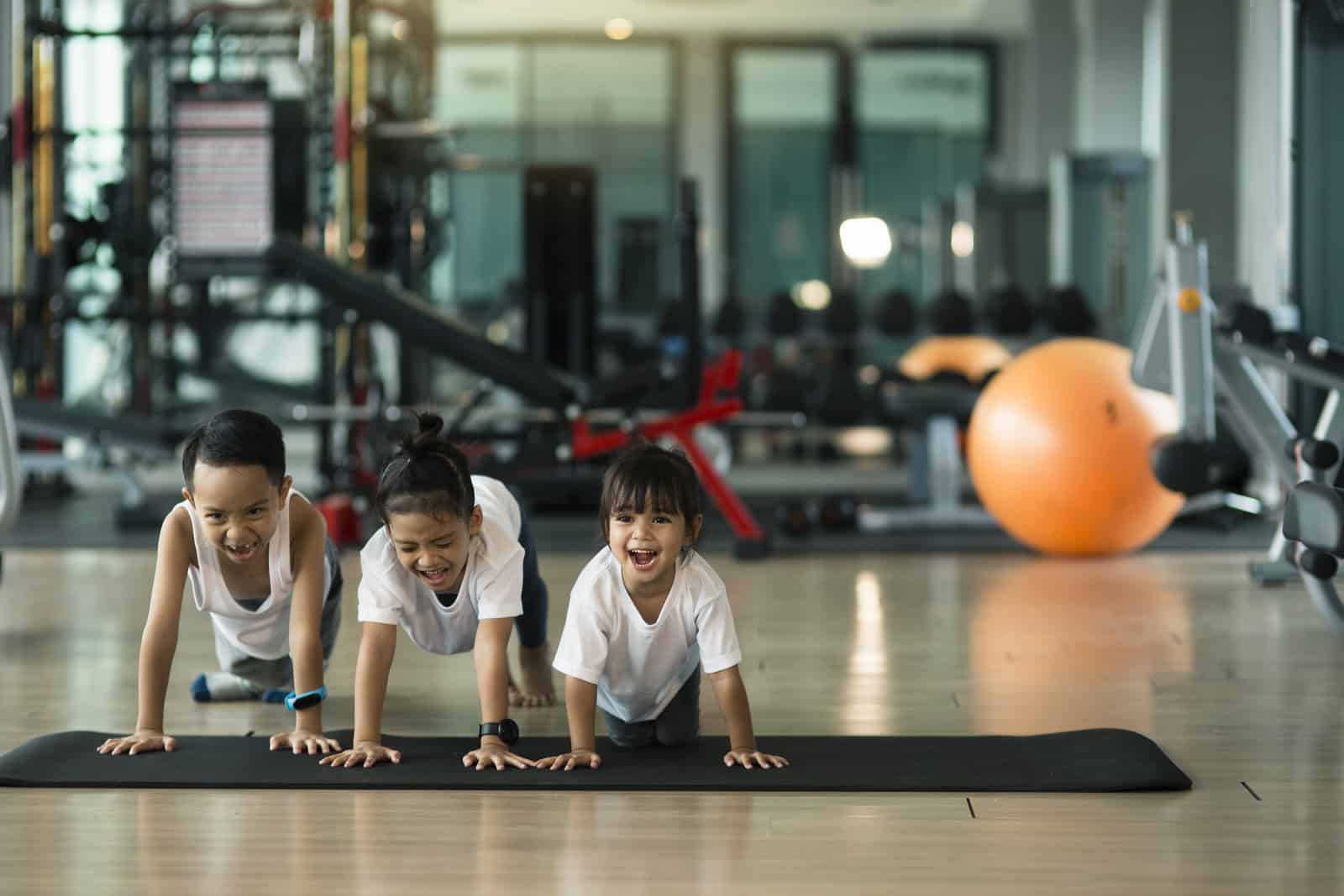
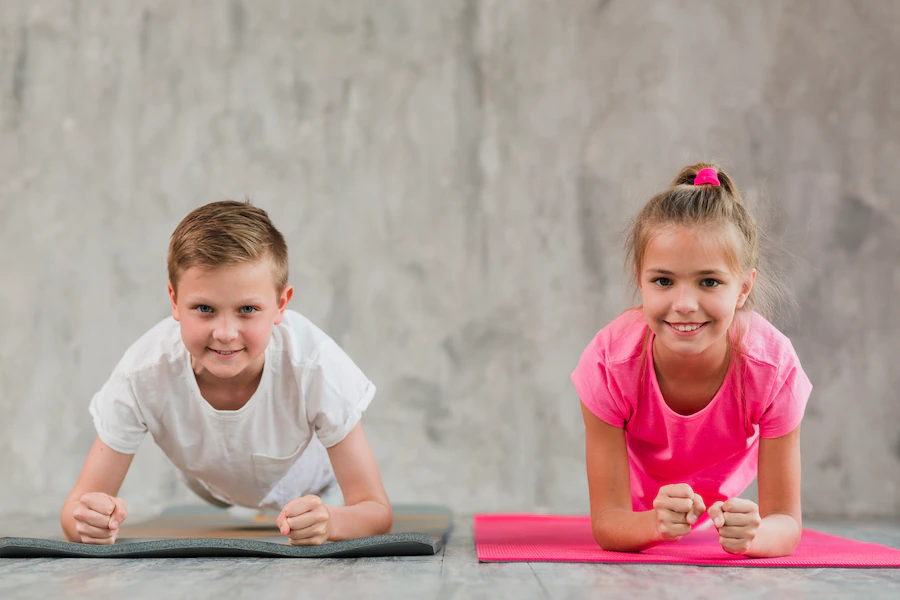
Exercise Videos for Kids: Getting children moving is one of the most powerful things a parent or teacher can do, not just for physical health, but for focus, mood, and readiness to learn. Whether you are a class teacher planning a brain break between maths and literacy, or a parent looking for something active to fill a wet afternoon, exercise videos for kids offer a flexible, accessible solution that requires nothing more than a small patch of floor and a screen.
The UK National Curriculum for Physical Education identifies agility, balance, and coordination as core competencies from Key Stage 1 onwards, and short movement videos are among the most practical ways to build these skills daily, both at home and in school.
The challenge is knowing which videos work and why. Not all children respond to high-energy jumping around; some need calmer, more structured movement, and many classrooms and flats simply do not have the space for full PE-style sessions.
LearningMole has gathered the best approaches and resources to help you match the right kind of movement to the right child, whether they are a Reception pupil who needs a gentle wiggle, a Year 4 class running out of steam by Thursday afternoon, or a child who quietly dreads “sport” and needs a way back in through play.
This guide covers the science behind movement breaks, curated video options by age and energy level, curriculum links for KS1 and KS2, inclusive approaches for children with additional needs, and practical ideas for small spaces. Alongside the free resources, LearningMole offers a subscription library of over 1,400 educational videos that support children across all areas of the curriculum, including health and physical development.
Why “Brain Breaks” Are Essential for Learning

Short bursts of physical activity do not take time away from learning; they give it back. When children sit still for extended periods, blood flow to the brain decreases, and attention begins to drift. A five-minute movement video at the right moment resets the nervous system, raises the heart rate briefly, and allows children to return to focused tasks in a noticeably better state.
As Michelle Connolly, founder of LearningMole and a teacher with over 16 years of primary school experience, explains: “Short bursts of activity are not just for physical health; they reset the nervous system, allowing children to return to their desks with a ready-to-learn mindset. Even two or three minutes of intentional movement can transform the second half of a lesson.”
Research into physical development in primary-aged children consistently shows that exercise supports neurological connections, when the heart pumps faster, oxygen reaches the brain more efficiently, nerve cells multiply and strengthen their interconnections, and cognitive performance improves. This is the foundation of what teachers call a “brain break”: not a reward or a distraction, but a pedagogical tool. Movement is the engine that makes academic work possible, not a pause from it.
For EYFS settings, physical development is one of the three prime areas of learning. For KS1 and KS2, the PE National Curriculum requires children to develop fundamental movement skills, balance, coordination, and the ability to apply these in a range of contexts. Exercise videos for kids tick several boxes at once: they are free to access, require no equipment, and can be done in a classroom corridor if space is tight.
Jump to: Video Finder Table | Curriculum Links | SEND-Friendly Options | FAQ
The Quick-Start Video Finder: Exercise Videos by Age and Style

Choose the right type of movement video in under a minute. The table below maps energy level, age group, and key benefit so you can match a video to your child’s needs rather than pressing play and hoping for the best.
| Video Style | Energy Level | Best For | Key Benefit | Notes |
|---|---|---|---|---|
| High-energy action songs | High | EYFS/KS1 (Ages 3–7) | Cardio, gross motor | Ideal first thing in the morning or after lunch |
| Yoga/mindfulness | Low–Medium | All ages | Flexibility, self-regulation | Brilliant before tests or after break-time conflict |
| Dance-along | Medium–High | KS1/KS2 (Ages 5–11) | Coordination, rhythm | Works well as a transition between subjects |
| Curriculum-linked movement | Medium | KS1/KS2 | Active recall, focus | Combines PE and subject learning |
| Seated/adaptive | Low | SEND/small spaces | Proprioception, inclusion | Accessible for all children regardless of mobility |
| Themed adventure | Medium | EYFS/KS1 | Imagination, balance | Particularly engaging for children who resist “exercise” |
Top Exercise Video Options for High-Energy Movement

The best high-energy exercise videos for kids are those where children barely notice they are working out. Themed workouts, action songs, and follow-along fitness routines give children a clear role, copy this, do that, join in here, which removes the self-consciousness that can make “PE” feel exposing for some children.
For Reception and Year 1, action song videos that build in jumping, spinning, and stomping to a recognisable beat are highly effective. Children do not need to hear the word “exercise”; they just need something that feels like play. Videos that use simple call-and-response patterns support language development alongside physical movement, which makes them doubly useful in early years settings.
For KS2, slightly longer workouts that include sequences, three movements repeated in a pattern, for example, build the coordination and memory required by the KS2 PE curriculum under “performing sequences of increasing complexity.” A 10-minute follow-along workout before a literacy session, particularly on Monday or Friday, often produces classrooms that are measurably calmer and more focused.
Practical tip — the Classroom Disco transition: Use a three-minute high-energy video as a deliberate transition tool between subjects. Step 1: Announce “movement break” and clear a small space. Step 2: Press play and join in alongside the children. Step 3: end with ten seconds of “freeze and breathe” before returning to the next activity. The predictability of the routine makes it settle faster each time you use it.
You can find LearningMole’s full library of educational videos, including health and physical development content, at learningmole.com.
Calming Movement: Yoga and Mindfulness Videos for Kids

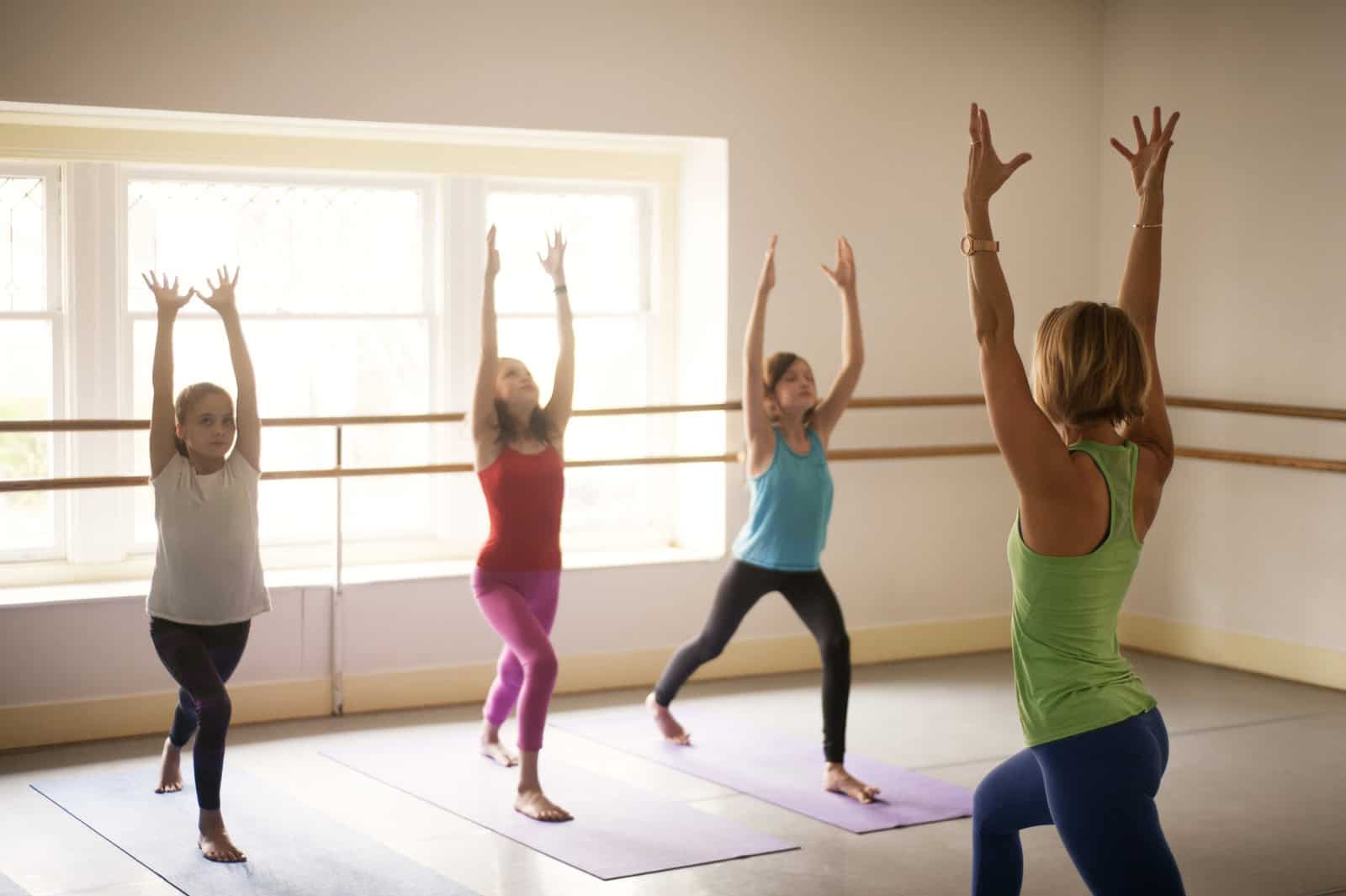
Not every child needs to burn energy; some need to contain it. Yoga and mindfulness-based movement videos serve a different but equally important purpose: they teach children to regulate their own nervous systems, which is one of the most transferable skills a child can develop.
Yoga videos that use adventure-story formats are particularly effective with younger children. Rather than asking a five-year-old to “hold warrior pose,” the video presents the same posture as “turning into a fierce dragon”. The physical demand is identical, but the engagement is entirely different. These work beautifully for EYFS physical development sessions and for calming down after playtime.
For older children in KS2, breathing-focused movement videos help with anxiety around tests and transitions. A brief sequence of stretching and controlled breathing before an assessment can noticeably reduce the stress response and help children access what they actually know. These videos are also appropriate for children who find high-energy group movement overwhelming, including many children on the autistic spectrum.
Safety note: Always clear sufficient space before any movement video session. Remind children to be aware of furniture and other pupils, and ensure adult supervision is present, particularly with younger children.
Active Learning: Connecting Exercise Videos to the UK Curriculum

The UK PE National Curriculum expects schools to ensure children develop competence across a range of physical activities from KS1 onwards. Specifically, KS1 pupils should master basic movement skills including running, jumping, throwing, and catching; KS2 pupils should develop flexibility, strength, and technique in a broad range of activities, and should begin to compare their performances with previous ones.
Exercise videos for kids map onto these requirements in practical ways. A video that guides children through a sequence of jumps, balances, and turns directly addresses the KS1 requirement for developing agility, balance, and coordination. A 10-minute structured workout with timed intervals can contribute to the Chief Medical Officer’s guidelines of 60 minutes of moderate-to-vigorous physical activity per day for children aged 5–18, as set by the NHS.
Beyond pure PE, movement supports learning across the curriculum. Active maths and active phonics, where children spell letter sounds by jumping, count in twos by hopping, or act out multiplication by forming groups, combine physical movement with curriculum content in a way that benefits both retention and behaviour. This “move to learn” approach has strong support from occupational therapists and educational psychologists working in primary schools.
LearningMole’s PE teaching resources offer structured support for teachers planning lessons that integrate movement with subject content, including frameworks for active literacy and active numeracy that can be used alongside exercise video sessions.
For EYFS, the physical development prime area requires daily physical activity both indoors and outdoors. LearningMole’s EYFS resources include guidance on how movement supports fine and gross motor development alongside early literacy and communication goals.
Inclusive Movement: SEND-Friendly and Sensory-Sensitive Options

One of the biggest gaps in most online lists of exercise videos for kids is any consideration of children with additional needs. Many primary classrooms include children with physical disabilities, sensory processing differences, ADHD, or autism, and a video that involves rapid direction changes, flashing visuals, loud music, or unpredictable transitions can be actively counterproductive for these pupils.
For children with sensory sensitivities, including many autistic children, the best movement videos share three qualities: predictable structure (the same format each time), clear verbal instruction without visual clutter, and a calm or consistent audio environment. Avoid videos that include sudden sound effects, rapidly changing backgrounds, or multiple competing elements on screen. Yoga-style videos with a single presenter, plain background, and methodical pacing work well for this group.
For children with physical disabilities or limited mobility, seated exercise videos are an important inclusion tool. Seated stretching, chair yoga, and upper-body movement routines allow all children to participate in a shared movement activity without any child being excluded or having to do something visibly different from the group. These are also valuable for classrooms where space is genuinely restricted — a full-class seated routine takes up no floor space at all.
For children with ADHD, shorter videos (three to five minutes rather than ten) with very clear, directive instructions tend to work better than longer, more exploratory formats. The physical activity itself supports focus regulation, but only if the child can stay engaged with the video long enough to complete it.
LearningMole’s primary school resources include materials that support inclusive physical development across all year groups.
Small Space Exercises: Getting Active in the Classroom or Flat

One of the most common barriers to using exercise videos for kids in UK schools and homes is space. Many primary classrooms have desks pushed together with a small carpet area; many UK family homes, particularly in urban areas, have limited floor space. The good news is that a child needs only a roughly one-metre square to do a highly effective movement break.
The most space-efficient exercise movements include: jogging on the spot, star jumps (which need only about half a metre of arm-spread), seated stretches, standing twists, and vertical jumps. Videos that focus on stationary movement, marching, and arm-circle sequences are ideal for cramped conditions.
When choosing videos for small-space use, look for content that explicitly describes itself as “classroom friendly,” “no space needed,” or “stationary workout.” Avoid videos that require children to move around the room, use equipment, or lie flat on the floor; these assumptions are built into many US-produced videos that were made for homes with large open-plan living areas, not UK terraced houses or Victorian school buildings.
A practical small-space routine:
- 30 seconds: jogging on the spot
- 30 seconds: shoulder rolls and neck stretches
- 30 seconds: seated leg lifts
- 30 seconds: seated arm raises
- 30 seconds: deep breathing
This five-exercise sequence takes under three minutes, needs no video, and can be done at a desk. It works particularly well as a mid-morning or mid-afternoon reset for children whose attention has begun to drift.
How Much Daily Exercise Do Kids Actually Need?

According to NHS guidelines and the Chief Medical Officer’s Physical Activity Guidelines for Children, children aged 5 to 18 should aim for at least 60 minutes of moderate-to-vigorous physical activity every day. This does not need to happen all at once; shorter bursts of activity throughout the day count toward the total and are often more practical for school and home routines.
For children under five who are already walking, the recommendation is three hours of physical activity spread throughout the day in any form. For babies and toddlers who are not yet mobile, active play on the floor for at least 30 minutes is recommended.
Exercise videos for kids are an efficient way to contribute toward these totals. A ten-minute video in the morning, a five-minute brain break mid-lesson, and a fifteen-minute active outdoor play session at lunch already accounts for half the daily target before 1 pm. The remaining time can come from walking, free play, or after-school activities.
It is worth noting that for children who are already active through sports clubs, dance classes, or simply playing outside, the daily target is often met without conscious effort. Exercise videos are most valuable for children who have sedentary tendencies, dislike unstructured sport, or spend significant time indoors — including during school terms, when structured PE may only occur twice a week.
LearningMole’s exercise games for children offer further ideas for making physical activity part of everyday routines rather than a separate subject.
Teaching Resources and Support

For teachers planning PE and movement sessions, LearningMole offers a range of resources that support both structured PE delivery and the integration of movement into wider curriculum planning. The PE teaching resources hub includes lesson-planning frameworks across KS1 and KS2, assessment approaches, and guidance on embedding physical literacy into everyday classroom practice.
For early years educators, EYFS resources cover physical development as a prime area of learning, offering practical guidance on gross and fine motor skills, active play, and the role of movement in language acquisition and emotional regulation.
Parents who want to support physical development at home will find LearningMole’s video subscription particularly useful during school holidays, periods of illness, or bad-weather weeks. A subscription from £1.99 per month gives access to over 1,400 educational videos across all curriculum areas, with content reviewed by qualified primary teachers and aligned to the UK National Curriculum. Physical development and active learning resources sit alongside maths, literacy, science, and STEM content, making it easy for parents to build a rounded home learning session in a short time.
Whether you are a classroom teacher, a teaching assistant running morning interventions, or a parent supporting learning at home, LearningMole is built around one principle: every child learns differently, and the right resource at the right moment makes all the difference.
Frequently Asked Questions

What are the best YouTube channels for kids’ exercise and workouts?
For EYFS and KS1, channels that combine music and movement with simple follow-along routines tend to work best — look for age-appropriate action song videos and themed yoga adventures. For KS2, structured workout videos with clear intervals and sequences develop the coordination and fitness required by the PE curriculum. LearningMole’s own YouTube channel at youtube.com/@LearningMole includes educational content aligned to the UK National Curriculum.
How much exercise should a child do every day?
NHS and Chief Medical Officer guidelines recommend at least 60 minutes of moderate-to-vigorous physical activity per day for children aged 5 to 18. This can be made up of shorter sessions throughout the day. Exercise videos are an easy way to contribute to this total during the school day or at home.
Can exercise videos count as a PE lesson?
Yes, if they are used intentionally and address National Curriculum goals. A video session that develops agility, balance, or coordination, or that involves following a sequence of movements with increasing complexity, directly maps to KS1 and KS2 PE requirements. For it to count formally, teachers should link it to a curriculum objective and briefly assess what children have practised or achieved.
What is a good 10-minute workout for a 7-year-old?
A good sequence for a Year 2 child combines warm-up movement (jogging on the spot or marching), a central activity of moderate effort (star jumps, animal walks, or a dance-along sequence), and a cool-down with stretching and controlled breathing. The whole thing should feel more like play than fitness training. Themed workouts, “move like a jungle animal” or “train like an Olympic athlete”, maintain engagement better than plain exercise instruction at this age.
Are there exercise videos suitable for children with autism or sensory sensitivities?
Yes. Look specifically for videos with a predictable, consistent structure, a single calm presenter, a plain or low-stimulus background, and no sudden loud sound effects or flashing imagery. Yoga-based videos with clear narration and slow, methodical pacing work well. Seated or low-movement options are also appropriate for children who find full-body group exercise overwhelming. Always preview a video before playing it to a class or child with sensory needs.
How can I encourage a child who dislikes sports to exercise?
Reframe movement as play rather than fitness. Children who resist traditional sport often engage readily with themed workouts, dance videos, or adventure-style yoga where physical movement is incidental to the story. “You’re not doing exercise, you’re escaping the volcano” is a very different proposition from “it’s time for PE.” Gamified movement, where children make choices or respond to prompts within the video, tends to work particularly well for reluctant movers.
Should children exercise every day?
Yes, daily physical activity is recommended by NHS guidelines and supported by the EYFS and National Curriculum frameworks. Consistency matters more than intensity: a short movement break every day is more beneficial than one long session at the weekend. Building exercise into routine moments (after breakfast, between subjects, before homework) makes it habitual rather than effortful.
Conclusion

Exercise is one of the most evidence-backed ways to support children’s physical health, focus, and emotional regulation. Whether you start with a three-minute brain break between lessons or a ten-minute morning workout at home, the most important thing is simply to begin.
LearningMole is here to support you every step of the way, from early years physical development through to KS2 PE, with resources and video content created by qualified UK primary teachers.
Subscribe to LearningMole from £1.99 per month and access over 1,400 educational videos for children aged 3–12, all aligned to the UK National Curriculum.


Leave a Reply