Exploring the dynamic realm of ferrofluid sculptures invites you into a world where science and art collide in the most magnetic way possible. Ferrofluids, fluids saturated with nanoscale magnetic particles, respond to external magnetic fields to form spikes, ripples, and otherworldly shapes, offering artists and engineers a unique medium to work with. The sleek, shimmering sculptures that emerge are not only mesmerising to behold but also serve as a compelling illustration of the potential for innovation at the intersection of artistic expression and scientific principles.
Moulding these magnetic liquids into ferrofluid sculptures involves both creativity and a precise understanding of the underlying physics. Magnetic fields act as invisible sculpting tools, and the fluid’s response can be as unexpected as it is fascinating, requiring a delicate balance between control and spontaneity. As these creations come to life, viewers are often left in awe, questioning the boundaries between the tangible and the magical, while possibly igniting an interest in the science behind the spectacle.
The Science of Ferrofluids
Ferrofluids are a remarkable blend of nanotechnology and fluid mechanics, leading to applications as diverse as electronics and art. At the core of ferrofluids are magnetic nanoparticles, which imbue these liquids with their unique magnetic properties.
Understanding Magnetic Nanoparticles
Magnetic nanoparticles are tiny particles, typically composed of iron compounds like magnetite (Fe₃O₄), which are key to the response of ferrofluids in the presence of a magnetic field. These particles are so small, often tens of nanometres across, that they exist in a colloidal suspension without settling out. When a magnetic field is applied, the particles align along the field lines, causing the fluid to become magnetically polarised and adopt intriguing shapes and patterns.
Carrier Fluids and Surfactants
The nanoparticles in a ferrofluid are suspended within a carrier fluid. This fluid, often a type of oil or water, acts as a medium enabling the nanoparticles to flow. The surfactant, a chemical that coats the nanoparticles, is vital in ensuring that these particles do not clump together. It achieves this by providing a repulsive force, known as steric hindrance, which keeps the nanoparticles evenly dispersed, thus maintaining the fluidity and stability of the ferrofluid.
Historical Background
Ferrofluid sculptures stand as a marvel of modern science, with deep roots in the history of magnetic liquids. These artistic representations are not only aesthetically pleasing but also reflect significant advancements in fluid technology and its application.
Steve Papell and NASA’s Involvement
Steve Papell, an engineer at NASA in the 1960s, had the ingenious idea of creating a magnetic fluid to help move rocket fuel in zero gravity. His innovation led to the creation of ferrofluid, a liquid that could be manipulated in space without the need for pumps. NASA’s adoption of ferrofluid technology significantly impacted the way fuels were handled in microgravity, improving efficiency and reliability of missions.
Evolution of Ferrofluids in Technology
From their inception, ferrofluids have evolved, finding applications beyond NASA’s technology. The Ferrofluidics Corporation played a prominent role in commercialising ferrofluids for use in a wide array of industries. These magnetic fluids are now pivotal in creating seals for hard drives and in loudspeakers, and they continue to captivate artists and engineers alike with their potential for creating visually striking ferrofluid sculptures. The malleability of ferrofluids under the influence of magnetic fields allows for innovative design and functionality in both art and technology.
Creating Ferrofluid Sculptures
In sculpting with ferrofluids, precision and safety are paramount. Using the right materials and understanding the necessary precautions will enable you to create mesmerising sculptures that showcase the unique behaviours of magnetic liquids within a controlled environment.
Materials and Tools Required
To begin crafting your ferrofluid sculptures, you’ll need the following materials and tools:
Ferrofluid: This is the main component of your sculpture, a magnetic liquid with iron particles suspended in a carrier fluid.
Magnets: Strong neodymium magnets are used to manipulate the ferrofluid and shape your sculpture.
Glass container: A clear container holds the ferrofluid and allows visibility from all angles.
Syringes or droppers: For adding and precisely manoeuvring the ferrofluid within the container.
Protective gloves: To avoid direct contact with the ferrofluid.
Eye protection: Safety glasses are a must when handling chemicals.
Safety Precautions and Tips
Creating with ferrofluid can be as safe as it is fascinating. Here are some crucial safety tips:
Usage of PPE: Always wear protective gloves and eye protection when handling ferrofluid. This will shield your skin and eyes from possible irritation.
Magnet Handling: Handle your magnets with care, as they can snap together and potentially cause injury.
Clean Workspace: Ensure you have a clean, tidy workspace to prevent spills and contamination.
“Working with ferrofluids is like choreographing a dance where the dancers are unseen forces,” says Michelle Connolly, an accomplished educational consultant with a rich 16-year background in the classroom. Keep this in mind as you safely interact with these intriguing substances to create your art.
Renowned Ferrofluid Artists
In the dynamic intersection of art and magnetic science, a few innovative artists have made remarkable contributions to the world of ferrofluid sculptures.
Sachiko Kodama: Merging Art and Science
Sachiko Kodama stands at the forefront, beautifully intertwining the fluid dynamics of ferrofluids with artistic expression. You might find Protrude, Flow, one of her groundbreaking pieces, mesmerising for its fluid shapes that respond to music and sound. The fluid morphs into spiky patterns and smooth waves, perfectly embodying her philosophy of representing natural transformations through art. Kodama’s work is an exquisite exemplar of how science can breathe life into an art piece, giving it motion and emotion.
Matt Robinson and Linden Gledhill Collaboration
When artist Matt Robinson joins forces with biochemist and photographer Linden Gledhill, the results are nothing short of magical. Magnetic Liquid Sculptures by this duo showcases the wonders of ferrofluid and macro-photography. The collaboration brings to light the intricate beauty of the fluid’s reaction to magnetic fields. Their work pushes the boundaries, encouraging you to reconsider the blend between technology and organic forms. As you witness these sculptures, it becomes evident that art can stem from the most unexpected confluence of science and creativity.
The Aesthetics of Ferrofluid Design
Ferrofluid sculptures blend science and art, creating visual wonder through magnetic manipulation. This union of disciplines showcases how a magnetic liquid can be transformed into dynamic sculptures with vivid aesthetics.
The Beauty of Magnetic Spikes
When a magnetic field interacts with ferrofluid, a spectacular array of spikes forms, each sharp enough to catch the eye yet fluid enough to reshape with the field’s changes. This phenomenon is not just a visual treat but a glimpse into the nature of magnetic forces. The design of these sculptures takes into account how the ferrofluid’s viscosity allows for delicate peaks and valleys, creating textures that are both tactile and ephemeral.
Example of Magnetic Spike Arrangement:
Height: Varies with magnetic strength
Spacing: Evenly distributed due to magnetic influence
Uniformity: Achieved through careful calibration
Michelle Connolly, founder of LearningMole and educational consultant, observes, “Ferrofluid sculptures offer a tangible experience of physics in action, making them a mesmerising teaching tool as much as a work of art.”
Abstract Patterns in Magnetic Liquids
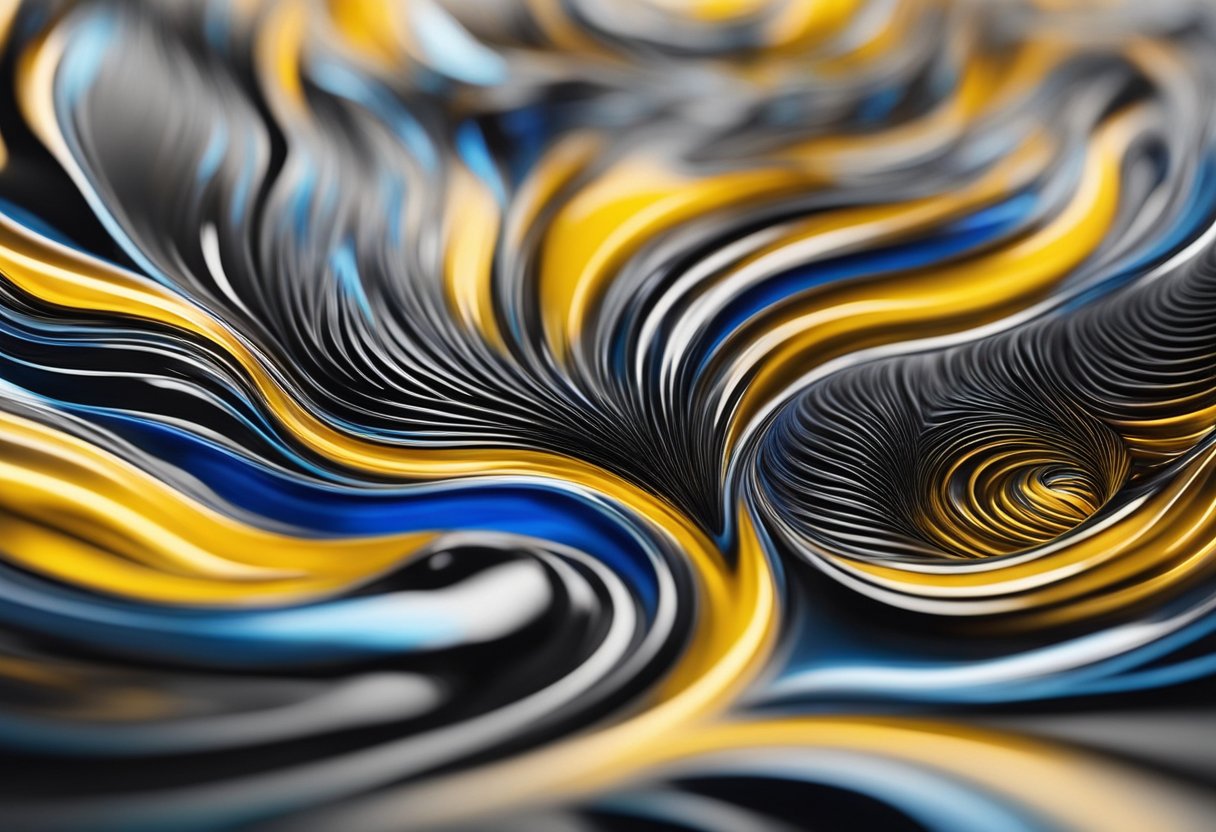
The unpredictability of abstract images appearing and reforming in ferrofluids under a magnetic spell is a testament to their unique design capabilities. Ferrofluid sculptures become ever-changing canvases where no two moments yield the same pattern. This versatility provides a means to explore the abstract in a physical form, captivating viewers with forms reminiscent of other natural phenomena like the branching patterns of trees or the ripple of water droplets.
Characteristics of Abstract Patterns in Ferrofluid:
Dynamism: Constant change with magnetic interaction
Imagery: Evocative of natural patterns
Complexity: Multi-layered designs are possible with multistage magnetic setups
“Abstract design in educational settings can encourage out-of-the-box thinking,” says Michelle Connolly. “It’s about finding creativity within the confines of scientific principles.”
Interactivity in Sculptures
The realm of ferrofluid sculptures pushes the boundaries of art, inviting you to engage with magnetic liquids that respond to your touch and motion. These innovative artworks merge science with creativity, offering an interactive experience that’s both captivating and thought-provoking.
Ferroflow and the Art of Motion
Ferroflow is a stunning application of ferrofluid in sculptural art. Imagine a liquid that dances to the rhythm of magnetic fields, defying gravity as it shapes into peaks and valleys. As you approach a Ferroflow sculpture, the fluid inside reacts dynamically, creating a mesmerising visual display in response to your hand movements. This interaction blurs the lines between observer and artwork, making you a part of the art itself.
Interactive Installations by Zelf Koelman and Martin Frey
Zelf Koelman has brought ferrofluid to life with his intricate installations. His pieces are not just sculptures but an experience, where your presence and touch guide the fluid through a mesmerising dance. Picture a tableau where each movement you make orchestrates a unique pattern in the ferrofluid, reflecting your influence on the magnetic landscape.
On the other hand, Martin Frey focuses on the harmony between technology and the tactile experience in his interactive works. Engaging with Frey’s creations, the ferrofluid becomes a puppet to the magnetic fields you control, showcasing an elegant ballet of science and art combined. Each sculpture invites your curiosity, prompting you to explore the fluid dynamics at play.
In the interplay of magnetic fields and ferrofluid, these sculptures offer you a tangible connection to the artwork. Through interaction, you witness firsthand the responsive nature of magnetic liquids, sculpted not just by the artists but by your own hand.
Innovations with Ferrofluids
Ferrofluids have revolutionised artistic expression and industrial applications with their unique properties. From creating interactive sculptures that respond to magnetic fields to enhancing functionality in various technologies, ferrofluids have broadened possibilities in both worlds.
Concept Zero and Artistic Experimentations
Concept Zero showcases the blend of technology and creativity with ferrofluid, a magnetic liquid that artists use to create dynamic structures and visual displays. This innovative medium forms complex and captivating geometric shapes and patterns when subjected to magnetic fields, offering a new frontier for art installations. One fascinating artistic experimentation occurs in the formation of interactive ferrofluid installations, where viewers can see the fluid dynamically shifting in real-time, creating an engaging sensory experience.
Ferrofluids in Industrial Applications
In the realm of industrial applications, ferrofluids play an essential role, thanks to their magnetic properties. They serve as a dynamic seal in loudspeakers, improving sound quality by reducing noise. This same sealing capability finds use in petroleum refining and chemical processing, where ferrofluid seals can maintain the integrity of equipment amidst harsh conditions. The precision offered by ferrofluids is also crucial in semiconductor chip manufacturing, where they enhance the accuracy and cleanliness of processes.
Ferrofluids, with their versatile behaviour in magnetic fields, demonstrate the synthesis of art and science, providing transformative enhancements across diverse sectors.
Ferrofluids Beyond Art
While the visual allure of ferrofluid sculptures is quite captivating, these magnetic liquids extend their utility far into the realms of science and technology. You’ll be fascinated to learn that their applications are as diverse as improving display technologies to enhancing educational tools.
Scientific and Educational Uses
Ferrofluids offer an engaging way to demonstrate scientific principles. With their unique reaction to magnetic fields, these liquids can be used to visualise the invisible forces at play. Educational platforms like LearningMole utilise such innovative tools to bring complex concepts to life, making them comprehensible even to younger audiences. It’s not just about watching the fluid spikes form; it’s about understanding the magnetic properties and suspension liquids that make it possible. As Michelle Connolly, founder of LearningMole and educational consultant notes, “Ferrofluids can transform abstract concepts into tangible learning experiences, which is essential for deeper scientific understanding.”
Innovations in Display Technology
The use of ferrofluids has taken a leap into the future with innovations in display technology. Imagine glass displays enhanced with the dynamic movement of ferrofluids, used in everything from advanced artistic installations to practical AI-driven interfaces. They offer a distinctive medium that combines technology with aesthetics, paving the way for next-generation screens that respond and morph to magnetic manipulation. This frontier of technology not only brings new dimensions to visual experiences but also broadens the potential for interactive environments.
Caring for Ferrofluid Displays
To ensure the longevity and visual appeal of your ferrofluid sculptures, regular upkeep is essential.
Cleaning and Maintenance Tips
Cleaning Your Display: Ferrofluid displays, set within glass casings, require careful cleaning to maintain their clarity and prevent damage. Use a soft, lint-free cloth dampened with an appropriate glass cleaner to gently wipe the exterior surface. Abrasive materials or harsh chemicals can scratch the glass or erode seals.
Handling Magnetism: Always use the provided magnetic tools to interact with the ferrofluid. Direct contact with powerful magnets can disturb the display’s integrity.
Dispelling Myths About Magnetism and Electronics
It’s commonly believed that magnetism near electronic devices is harmful; however, ferrofluid displays produce a magnetic field too weak to affect modern electronics when kept at an appropriate distance. The glass enclosure further helps to contain the magnetic field.
Myth vs. Reality: Michelle Connolly, an expert in educational technology, states that “many educational tools inaccurately represent magnetism as a significant risk to electronics, but in reality, with correct handling and spacing, risks are minimal.”
Consumer Advice
When it comes to ferrofluid sculptures, you’re entering a world where science meets art. If you’re on the lookout for a centrepiece that’s both mesmerising and unique, then these magnetic masterpieces might just be the perfect addition to your collection.
Where to Buy Unique Ferrofluid Sculptures
Etsy is a treasure trove for those seeking unique gift ideas. Here, you can find handcrafted ferrofluid sculptures that are as unique as they come. Each piece, often created by independent artisans, can serve as a stunning conversational item in your home or office. Exclusive offers pop up frequently, so keep an eye out for special deals.
Check for Artist Authenticity: Ensure the piece is made by a reputable artist.
Read the Reviews: Look at what other buyers are saying about their purchases.
Rize-ing Popularity and Collectible Pieces
The popularity of ferrofluid sculptures is on the rise, with Rize being recognised for its exquisite and intricate designs. Seeking these collectible items can be an exciting journey; watching the fluid form spikes and patterns in response to magnets is captivating. Whether for personal enjoyment or as a gift, these pieces are sure to leave an impression.
Explore Online Art Shops: Dedicated platforms sell limited-edition sculptures.
Sign Up for Newsletters: Stay informed about new releases and selling events.
Remember, when shopping or selling, always consider the authenticity and the quality of the artwork. It’s not only about aesthetics but also the innovation and craft behind the magnetic liquid. Enjoy the delightful process of selecting your ferrofluid sculpture.
Conclusion
In conclusion, ferrofluid sculptures represent a remarkable fusion of scientific innovation and artistic expression, where magnetic nanoparticles suspended in carrier fluids create mesmerising visual displays that respond dynamically to magnetic fields. From their origins in NASA’s space technology to their current applications in interactive art installations and industrial processes, ferrofluids have revolutionised our understanding of magnetic liquids and their potential. Whether you’re captivated by the abstract patterns and magnetic spikes or interested in creating your own sculptures, these fascinating materials offer endless possibilities for exploration and creativity.
The growing popularity of ferrofluid art, championed by renowned artists such as Sachiko Kodama and collaborative innovators like Matt Robinson and Linden Gledhill, demonstrates the enduring appeal of combining technology with aesthetic beauty. Beyond their artistic applications, ferrofluids continue to advance educational tools, display technologies, and industrial solutions, proving their versatility across multiple disciplines. For those seeking to experience or acquire these unique pieces, platforms like Etsy offer access to handcrafted ferrofluid sculptures, whilst proper care and maintenance ensure these magnetic masterpieces remain captivating centrepieces for years to come.
Maths Circus, an innovative platform we've crafted, presents a captivating realm where children learn mathematics through the exciting theme of a circus. The joy of juggling numbers and solving circus...
Foreword A child may be confident using a smartphone to chat on messaging apps or find videos on YouTube. However, they may not understand why certain content appears on their...
Mammals are animals with a backbone that breathe air through lungs, have hair or fur at some stage of life and feed their young on milk. Scientists sort every mammal...
Norse mythology creatures range from Jörmungandr, a serpent long enough to circle the human world, to Ratatoskr, a gossiping squirrel on a giant tree. This guide explains 13 of them...






Leave a Reply