In today’s energy landscape, considering alternative energy sources is more important than ever. As you face the challenges posed by climate change and increasing energy demand, solar power, wind energy, and hydropower stand out as pivotal elements in the shift towards a more sustainable and resilient energy future. Each of these renewable resources offers a means to meet the world’s growing energy needs while mitigating environmental impacts.
The exploration and adoption of solar, wind, and hydro power are not merely technological endeavours; they reflect a collective move towards an era where energy harmony with nature is both a vision and a practicable reality.
Solar panels capturing the warmth and light of the sun, wind turbines spinning gracefully amidst gusts of wind, and the steady flow of water through hydropower stations illustrate the diverse avenues through which renewable energy can be harnessed.
These technologies are improving in efficiency and becoming more cost-competitive, addressing both the economics of alternative energy and environmental considerations. As the founder of LearningMole and educational consultant Michelle Connolly notes, “The shift to renewables is not just a technical switch, it’s a great opportunity for educational enrichment, particularly in science and environmental awareness.”
Greenhouse gases, primarily emitted by burning fossil fuels like coal and oil, significantly contribute to climate change and global warming. The adoption of solar, wind, and hydro power can drastically reduce our carbon footprint.
Michelle Connolly, an educational consultant with 16 years of classroom experience, states, “Empowering society through sustainable energy education can bring about meaningful change in our fight against climate change.”
Fossil Fuels and Energy Security
Dependence on fossil fuels not only poses environmental risks but also jeopardises energy security. Shifting to renewable sources such as solar and wind energy can decrease reliance on imported fuels, ensuring a more stable and secure energy supply for countries.
Renewables and Sustainable Development
Investing in sustainable energy solutions like solar, wind, and hydro power contributes to sustainable development. These renewable sources are abundant and can provide long-term energy solutions, supporting economic growth while protecting our planet’s ecosystems.
Solar Power: Harnessing the Sun
Harnessing solar power effectively allows us to tap into the sun’s vast energy, providing a clean, renewable energy source. Innovations in technology are constantly enhancing efficiency and storage capabilities, making solar energy a key player in sustainable power generation.
Photovoltaics Technology
Photovoltaic (PV) cells, or solar cells, convert sunlight directly into electricity. Due to its semiconducting properties, silicon is the most commonly used material in manufacturing PV cells. You’ve probably seen solar panels on rooftops; these are arrays of PV cells working to capture the sun’s energy. Once installed, they offer a sustainable solution with low operating costs.
Solar Thermal Energy
Solar thermal technology harnesses the sun’s heat. Systems range from simple solar water heaters to complex solar thermal power plants. While photovoltaics directly convert light to electricity, solar thermal devices absorb heat and use it to boil water, which then drives a steam turbine to generate electricity. This process effectively reduces reliance on fossil fuels and promotes sustainability.
Advancements in Solar Energy Storage
Energy storage is a vital aspect of making solar power reliable around the clock. Advancements in battery technology mean we can store energy generated during sunny periods for use at night or during cloudy weather. “Modern solar energy storage solutions are increasing the viability of solar PV systems as a major provider of renewable energy,” says Michelle Connolly, a leading educational consultant with 16 years of classroom experience.
By integrating solar power into our energy mix, you’re contributing to a more sustainable future. From solar panels generating electricity without harmful emissions to advanced batteries storing this clean energy, each innovation brings us closer to a renewable-powered world.
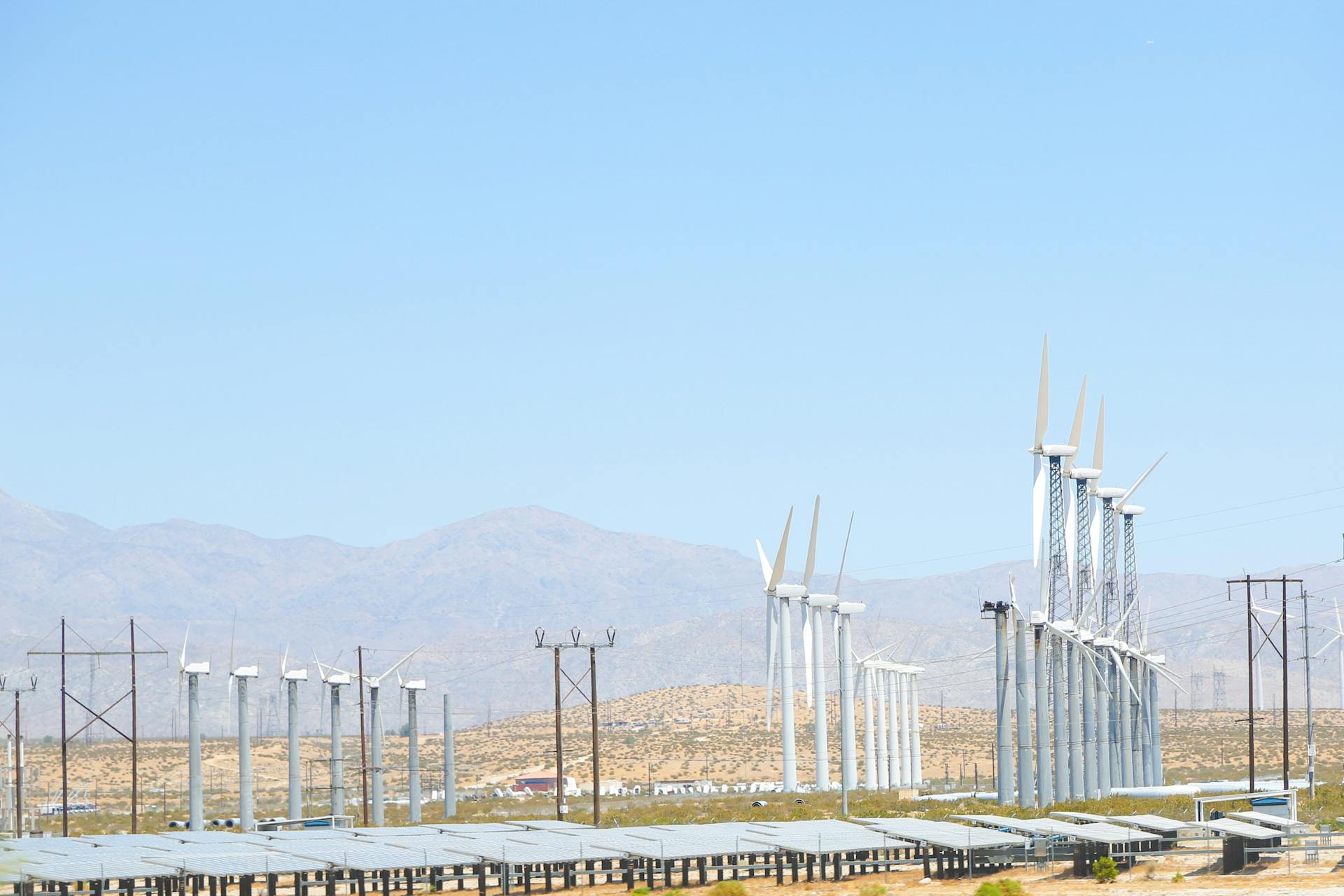
Wind turbines are a marvel of modern engineering, transforming kinetic energy from wind into electrical power. A single large turbine can generate enough electricity to power around 1,500 average European households annually. Turbines come in various sizes, with larger models achieving over 40% efficiency under optimal conditions.
Wind Farms and Capacity
Wind farms, both onshore and offshore, consist of clusters of wind turbines and are integral to the large-scale generation of wind power. The farm’s capacity depends on the number and size of turbines, with some of the largest farms exceeding capacities of 1,000 MW. In the UK, the current installed capacity from wind energy is significant, contributing a substantial portion to the renewable energy mix.
Policy and Wind Energy Proliferation
Government policies play a vital role in the expansion of wind energy. Incentives like tax credits or feed-in tariffs are crucial for the economics of wind projects. Michelle Connolly, a pioneer in educational consultancy, highlights the importance: “Effective policy-making bridges the gap between potential and reality for renewables, especially wind energy, which benefits from the UK’s vast coastal resources.”
Strategic investment and forward-thinking regulations are key to further wind energy proliferation. Renewables such as wind power are essential to the UK’s commitment to reducing its carbon footprint and achieving sustainability goals.
Hydropower: Rivers as Energy Sources
Harness the power of moving water for electricity generation. This section unveils how rivers have become crucial in energy generation, the mechanics behind hydroelectric power, the environmental impacts of their use, and their role in sustainable energy production.
Hydroelectric Power and Its Mechanics
Hydropower transforms the kinetic energy of flowing river water into electricity. A typical setup includes a dam to control the water flow and a hydroelectric power station where water passes through turbines, spinning them to generate electricity. The process is fully renewable, relying on the consistent cycle of water in nature to produce power. As Michelle Connolly states, “Rivers are nature’s untapped symphony, orchestrating a powerful dance with the potential to light up our homes.”
Environmental Impacts of Dams
While dams are integral for hydro power, they can significantly alter river ecosystems. The construction of dams impacts the natural flow of rivers, affecting both aquatic and terrestrial wildlife habitats. Issues such as disrupted fish migration patterns, changes in water temperature, and sediment accumulation downstream can have profound environmental impacts. Yet, careful planning and modern technologies are seeking ways to mitigate these effects.
The Role of Rivers in Energy Generation
Rivers are pivotal to energy generation through hydropower. They provide a continuous, reliable source for generating electricity, can potentially deliver power to remote areas, and bolster energy security.
Due to hydropower’s non-polluting nature, it aligns with global initiatives to reduce greenhouse gas emissions. Additionally, rivers’ adaptability to various hydropower technologies, including small-scale plants and run-of-the-river installations, makes them versatile energy sources in the quest for sustainable solutions.
The Economics of Alternative Energy
When considering the shift to alternative energy sources, you need to scrutinise both their financial implications and their impact on the environment. The key drivers of this economic transition include direct financial costs, economic benefits, potential for reducing greenhouse gas emissions, and government incentives.
Cost-Benefit Analysis
The costs associated with alternative energy, such as solar, wind, and hydro power, have been decreasing over the years due to technological advancements and increased scale of production. When evaluating the economic viability of renewable energy projects, you’ll often examine initial investment costs against long-term benefits.
This includes the energy produced, the savings from reduced greenhouse gas emissions, and the associated health and environmental benefits, which can spur economic growth. It’s important to acknowledge, though, that the upfront costs for renewables can be high, potentially deterring investments without considering the longevity and reduced operational costs of these systems.
Subsidies and Government Incentives
Substantial subsidies and incentives are often necessary to make the initial investment in renewable energy more attractive. These can take many forms, from tax credits and grants to feed-in tariffs that ensure a fixed, favourable price for energy generated.
Government incentives are pivotal in offsetting the initial capital costs and in helping to reduce greenhouse gas emissions by making green energy projects more economically competitive. These incentives not only support the economy by creating jobs but also play a vital role in the global transition towards a low-carbon future.
By staying informed about the economic aspects of alternative energy, you can better understand the broader impact of your choices and the significant role that government policies play in shaping a sustainable energy economy.
Enabling Technologies and Infrastructure
The transition to alternative energy sources like solar, wind, and hydro power is not just about the energy itself, but also the technologies and infrastructure that support its integration and efficiency.
Energy Infrastructure Challenges
Your journey into renewable energy involves understanding that energy infrastructure is not a one-size-fits-all solution. With energy consumption rising worldwide, existing infrastructure faces significant challenges. These include ageing components, capacity limitations, and the need for robust energy access in remote areas.
Integration with Current Power Grids
The integration of renewable sources must be seamless to maintain a stable energy mix and achieve grid stability. This requires innovations that enable the current power grids to handle the variable nature of renewable energy. For instance, wind and solar power’s fluctuating output necessitates smart grids that can adapt to changes in energy production and demand.
Innovations in Energy Transport and Efficiency
As you look towards a future powered by renewables, consider the role of energy efficiency in reducing overall demand. Technological advancements in energy transport systems, such as high-voltage direct current (HVDC) lines, are crucial. These innovations facilitate the long-distance transport of energy from renewable sources with minimal loss, which is essential for ensuring that all areas can benefit from clean energy.
“Renewable energy technologies are progressing rapidly, and our infrastructure must keep pace to truly harness their potential,” states Michelle Connolly, an educational consultant with extensive classroom experience.
Environmental and Wildlife Protection
Renewable energy projects play a crucial role in conserving our natural environment, but they also come with challenges that must be addressed to protect wildlife and their habitats.
Wildlife Conservation and Renewable Installations
Solar energy farms often require large areas of land, which can lead to habitat loss for wildlife, including birds and bats. Careful planning is essential to minimise the impact on these animals. For instance, selecting locations for solar panels that avoid disrupting known migration paths can help preserve avian species. As Michelle Connolly, a seasoned educational consultant, puts it, “It’s about finding a balance between our clean energy needs and the precious ecosystems we strive to protect.”
Wind turbines, while a boon for reducing air pollution, have been associated with bird and bat mortality due to collisions. To tackle this, research into bird migration routes is vital. Techniques such as radar technology and automated shutdown systems during peak migration periods can significantly reduce these collisions.
Mitigating Air Pollution
Hydroelectric power plants can alter river ecosystems, but they also play a significant role in reducing air pollution by providing a cleaner alternative to fossil fuels. The reduction of air pollutants benefits not just the environment but also the health of all living creatures, including us. The implementation of fish-friendly turbines shows the industry’s commitment to adapting to environmental needs.
Switching to renewable energy sources like solar, wind, and hydro power is instrumental in the fight against air pollution. Lower emissions mean cleaner air, which supports healthier ecosystems and reduces respiratory problems in wildlife and humans alike. Sure, renewable energy comes with its own set of environmental challenges, but with innovation and responsible management, it represents a step towards a more harmonious coexistence with our planet’s various habitats and inhabitants.
Policy and Regulatory Considerations
As you explore renewable energy sources, understanding the landscape of policy and regulatory frameworks that govern them is critical. These regulations not only shape the development of solar, wind, and hydro power but also influence the market dynamics and investment in these technologies.
Renewable Portfolio Standards
Renewable Portfolio Standards (RPS) mandate that electricity providers procure a minimum percentage of their power from renewable sources. Governments introduce RPS policies to increase the adoption of renewable energy and encourage diversity in the energy supply. For example, this facilitates a greater reliance on solar and wind power, encouraging advancements in these areas.
Policy Impact on Energy Markets
Policy interventions directly affect energy markets, often leading to increased competition and innovation. Legislation, such as feed-in tariffs and subsidies, has been crucial in making technologies like wind power more financially viable. On the flip side, policy uncertainty can complicate the investment climate, signaling the need for stable and long-term regulatory frameworks to benefit both producers and consumers of renewable energy.
Michelle Connolly, an educational consultant with 16 years of classroom experience, asserts, “Policy is the backbone of renewable energy progression; it’s where innovation meets public commitment to sustainability.” Her expertise highlights the importance of integrating sound policy with educational advancements in energy technology.
Challenges and Future Perspectives
As we navigate the path of renewable energy adoption, you’ll find both obstacles and opportunities ahead. Transitioning from conventional energy to alternatives such as solar, wind, and hydro power isn’t without its technical and environmental difficulties.
Technological and Geographical Limitations
Technical challenges arise as developers seek efficient ways to capture and store renewable energy. For solar power, the main hurdle often lies in enhancing the conversion efficiency of solar panels. Projects focusing on improving solar energy efficiency are central to harnessing the sun’s full potential.
Geographical limitations play a significant role in the deployment of renewable energy sources. Not every location is suitable for solar or wind farms due to varying climatic conditions. For instance, areas with less sunshine may not be ideal for solar power generation, which necessitates finding alternative renewable options.
Adapting to a Changing Global Climate
With the inevitability of climate change, renewable energy systems must be resilient. Weather events and extreme weather conditions such as hurricanes and floods can disrupt energy supplies. Ensuring the reliability of renewable energy in the face of a changing global climate is crucial for continuous power supply.
“Renewable energy sources must adapt to increasingly extreme weather patterns to ensure consistent and reliable power for all,” Michelle Connolly, an educational consultant with over 16 years of classroom experience, emphasises the importance of resilience in the face of these changes.
Staying informed about the challenges and advancements in renewables is a proactive step towards contributing to a sustainable future. Remember, the choices you make today will shape the world’s energy tomorrow.
Global Renewable Energy Landscape
Renewable energy is rapidly transforming how nations produce power and address global warming. As you explore various sustainable alternatives, it’s critical to understand both individual country efforts and the broader global implications for energy security and climate change.
Case Study: Iceland’s Green Energy
Iceland has emerged as a shining example in the renewable energy sector. Due to its geological activity, Iceland is uniquely positioned to exploit geothermal energy for heating and electricity. Moreover, almost 100% of Iceland’s electricity is produced from clean sources, with hydro power and geothermal energy leading the charge. This commitment to green energy has helped Iceland secure its energy independence and contributes significantly to the global fight against climate change.
Developing vs. Developed Countries Energy Utilisation
Developed countries have historically had greater access to the infrastructure necessary to harness renewable resources. However, the transition towards renewable energy is now gaining traction in developing countries as well. The International Energy Agency highlights the need for these countries to embrace renewables for environmental reasons and enhance their energy security.
The utilisation of renewable energy sources like solar and wind power in developing nations is essential to provide stable and sustainable energy solutions, while also reducing greenhouse gas emissions.
Renewable energy development varies significantly between developed and developing countries. The former often leads in technological advancements and policy frameworks, paving the way for large-scale implementation of renewable energy projects. In contrast, developing countries may face challenges such as limited financial resources and less established regulatory environments. Despite these hurdles, their growing adoption of renewables is crucial for global energy transition and climate mitigation efforts.
“Each advancement in renewable energy technology brings us one step closer to a sustainable future. Sharing expertise and fostering collaboration are key to supporting energy transitions worldwide,” shares Michelle Connolly, the founder and educational consultant with 16 years of classroom experience.
It’s vital to acknowledge that everyone has a role to play in shaping our global renewable energy landscape. From individuals in their homes to governments at the policy-making tables, each action contributes to the collective efforts against global warming and towards a more secure energy future.
Frequently Asked Questions
Discover insights into the world of alternative energy through these answered questions, providing you with precise information on solar, wind, and hydro power.
What are the key advantages of using renewable energy from sources such as solar, wind, and hydro power?
Renewable energy sources like solar, wind, and hydro power are vital for sustainable development. These sources not only reduce greenhouse gas emissions but also offer long-term energy security. “Utilising these sources helps combat climate change and their decentralised nature can support energy access in remote areas,” says Michelle Connolly, an expert in environmental education.
How do solar panels and wind turbines generate electricity?
Solar panels convert sunlight into electricity using photovoltaic cells. Wind turbines, on the other hand, use the kinetic energy from wind to turn rotor blades connected to a generator. Michelle Connolly, with years of experience in educational consultancy, explains, “These systems exemplify clean transitions from natural energy flows to usable power.”
What impacts do hydroelectric power stations have on the environment?
Hydroelectric power stations can significantly alter local ecosystems, aquatic habitats, and river flow patterns. “While they produce clean energy, the construction and operation of hydro power plants must be managed to mitigate environmental repercussions,” notes Michelle Connolly, an educational consultant specialising in sustainability.
Could you explain how the storage of energy works for solar and wind power systems?
Energy storage for solar and wind systems often involves batteries or other technologies to store surplus energy for use when sunlight or wind is insufficient. “Effective storage systems are essential in regulating the intermittent nature of these energy sources,” tells Michelle Connolly, a seasoned educator with a focus on renewable technologies.
What is the potential of offshore wind energy compared to onshore wind farms?
Offshore wind energy can harness stronger, more consistent winds than onshore farms, resulting in potentially higher energy yields. “Offshore wind is a promising expansion of wind energy, capable of providing vast quantities of power,” remarks Michelle Connolly, championing the advancement of renewable energies.
How can individuals contribute to adopting alternative energies like solar, wind, and hydro?
Individuals can contribute by investing in renewable energy systems, supporting policy changes, and adopting energy efficiency measures in their homes. “Every action towards embracing renewables represents a step towards a more sustainable future,” advises Michelle Connolly, who promotes environmental education in her 16 years of teaching.
Maths Circus, an innovative platform we've crafted, presents a captivating realm where children learn mathematics through the exciting theme of a circus. The joy of juggling numbers and solving circus...
Asia Facts for Kids: Asia is the largest continent on Earth, covering around 30% of the world's land and home to about 4.8 billion people. It has 47 United Nations...
Feedback with digital portfolios works best in primary schools when teachers keep comments brief and expect every child to act on them. A voice note of about a minute on...
Singers use their voices as musical instruments to perform songs in theatres, recording studios, choirs and at events. Most of their working day, though, is spent practising, learning music and...





Leave a Reply