Creative expression through mixed media is an artistic adventure where you combine various techniques and materials to express your ideas and emotions. Mixed media art allows for a diverse exploration of textures, forms, and colours, breaking the boundaries of traditional art forms. By layering different elements, from paint to paper, fabric to found objects, artists can create complex, multi-dimensional pieces that tell a story unique to their vision.
Mixed Media: Girls are coloring eggs together
This art form thrives on experimentation, urging you to step outside of your comfort zone and play with the unexpected. As Michelle Connolly, a seasoned educational consultant with 16 years of classroom experience, puts it, “Every mixed media piece is a conversation between the artist and their array of materials.” Whether you’re a beginner starting with the basics or an experienced artist seeking new challenges, mixed media provides an inclusive platform for creativity.
Key Takeaways
Mixed media art encourages combining diverse materials and techniques.
It’s a platform for experimentation, personal expression, and storytelling.
The art form is accessible to all skill levels, offering endless creative possibilities.
The Essentials of Mixed Media Art
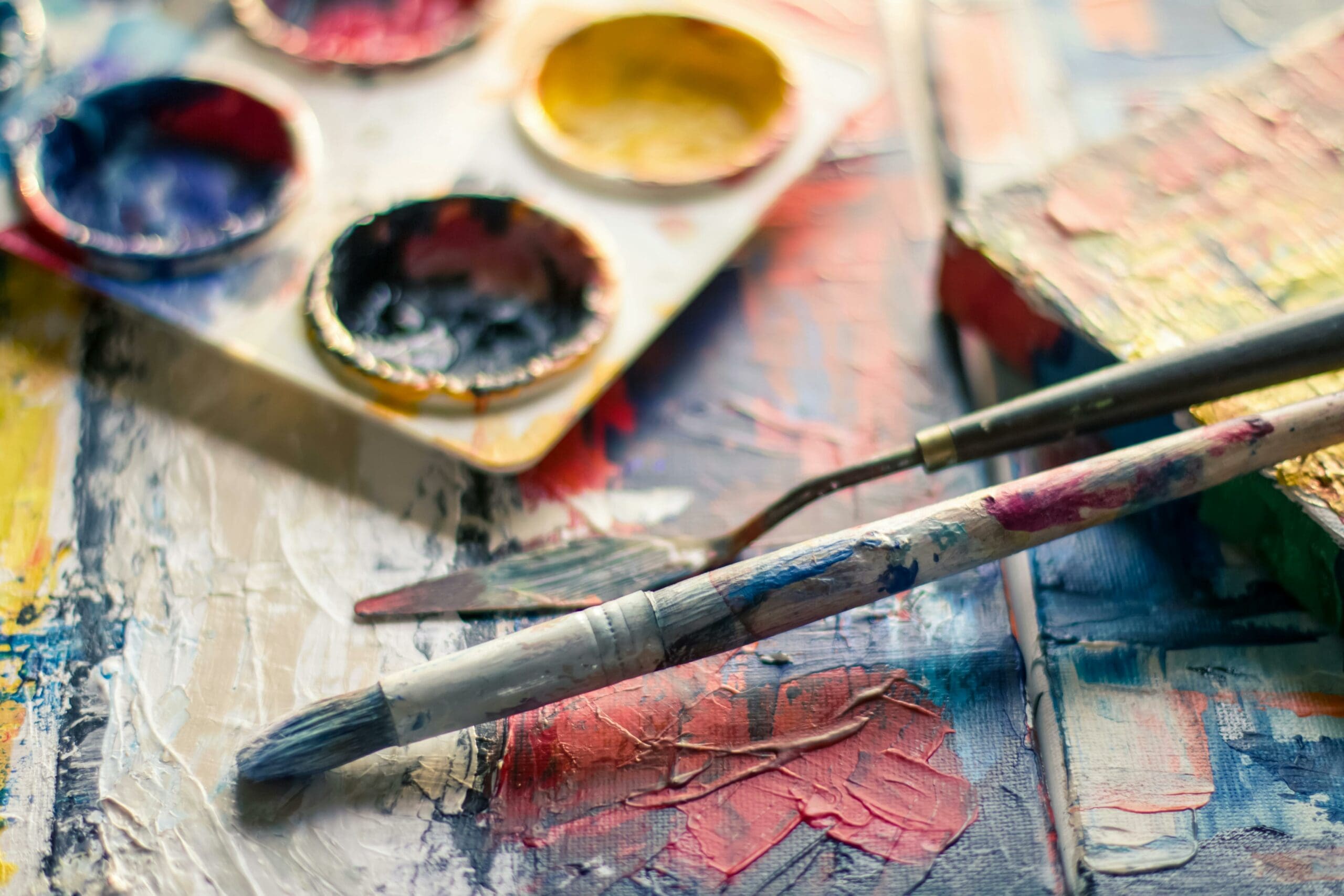
Selective focus photography of paintbrush near paint pallet
Dive into the world of mixed media art where creativity thrives and a plethora of materials are at your disposal to express your artistic vision.
Defining Mixed Media Art
Mixed media art is a visual art form that combines various artistic mediums to create works with multiple layers and textures. Whether it’s combining paint with collage papers, incorporating found objects, or using metalwork alongside textiles, mixed media breaks the boundaries of conventional art forms, allowing you to explore and express on a multidimensional canvas.
The Role of Creativity in Mixed Media
In mixed media, creativity is paramount. It’s about seeing the potential in diverse materials and techniques and bringing them together in harmony. Michelle Connolly, founder of LearningMole, aptly describes it: “Creativity in mixed media art lies in breaking the rules, blending colours, textures, and elements in unexpected ways that ignite the senses.” Your imagination is the only limit as you piece together your narrative through the art.
Understanding Artistic Expression
Artistic expression in mixed media is all about conveying your personal story, thoughts, or messages through the blend of mediums. It’s a multisensory experience—each layer speaks to a different facet of your expression, whether you’re looking to add depth with texture or convey emotion with bold strokes of colour.
Overview of Common Mediums
Explore the following common mediums often used in mixed media art:
Paints: From watercolours to acrylics, they provide a vast spectrum of hues and effects.
Collage Papers: They add narrative and visual interest through patterns and imagery.
Textiles: Fabrics and threads introduce texture and tactile dimensions to your work.
Found Objects: Incorporating non-traditional items can imbue your piece with uniqueness and meaning.
The integration of these mediums affords you a rich playground for artistic exploration.
Tools and Materials
Before diving into the world of mixed media, it’s crucial to understand the tools and materials that will bring your artistic vision to life. From the flexibility of acrylic paints to the texture of canvas, each choice shapes the final piece.
Selecting the Right Materials
When selecting materials for mixed media art, consider the desired outcome. Canvas provides a durable base for oil and acrylic paints, while watercolour paper is designed to hold the moisture of watercolours without warping. Oil paints offer rich colour and depth, whereas acrylics dry quickly and are versatile for layering. Ink and pens can add fine details.
Unconventional Materials and Their Uses
Mixed media art thrives on the unexpected. Fabric and metal can be incorporated for texture and dimension, while glass and wood elements introduce natural and reflective qualities. “LearningMole encourages exploring a variety of materials to see how they interact; sometimes, the most uncommon materials inspire the most creativity,” says Michelle Connolly, an education expert.
Traditional Art Supplies Versus Digital Elements
In mixed media, traditional supplies like brushes and paints work alongside digital elements to create a truly modern artwork. Digitally altered photos can be combined with acrylic layers, and graphic tablet sketches can enhance hand-painted canvases. This combination broadens the creative horizons, providing you with limitless possibilities.
Techniques and Processes
Exploring the world of mixed media art is akin to embarking on a creative adventure where various methods converge to bring your artistic vision to life. Each technique, whether traditional or digital, plays a significant role in how textures, layers, and elements combine to form a cohesive piece. Your choices in process and application are crucial in shaping the end result.
Layering Techniques
Layering is the cornerstone of mixed media art, providing depth and complexity. Begin by choosing a base—perhaps paper or canvas—then add layers by stenciling, painting, or using tie-dye. Each layer you apply contributes to a rich tapestry of visuals and textures. Remember, patience is key, as allowing individual layers to dry can drastically improve the overall effect.
The Art of Collage
Collage allows for a playful and dynamic expression through the assembly of varied materials. Explore the combination of photographs, magazine clippings, fabric, and even found objects. The act of arranging and adhering these elements can be transformative, as every added piece helps integrate stories and meanings into your artwork.
Experimenting with Textures
Texture brings tactile dimensions to your artwork, inviting viewers to not just see but feel your work. Techniques such as carving into mediums, layering textured papers, or utilising materials like sand or textile fragments elevate your piece. The juxtaposition of smooth and rough surfaces can evoke emotions and add intrigue.
Incorporating Digital Elements into Traditional Art
Digital elements can bridge the gap between traditional methods and modern technology. By integrating digital imagery or manipulation into your physical artwork, you forge a connection between the tactile and the virtual. This harmonious blend opens up new pathways for creative expression and is especially potent when using scanned drawings or digitally-altered photographs.
Remember, Michelle Connolly, the founder of LearningMole, says, “The true magic in art education lies in the freedom to experiment and the courage to embrace the unexpected.” As you journey through these processes, let your creativity flow and watch as your mixed media masterpieces come to life.
Themes and Narratives
When you embark on a creative journey through mixed media, you’re not just crafting a piece of art; you’re weaving together themes and narratives that resonate with emotion and inspiration. Each artwork tells a story, revealing the intricate layers that form its essence.
Exploring Themes in Art
In the realm of mixed media, themes serve as a compass that guides your creative expression. They may reflect societal issues, personal experiences, or elements of nature, providing a foundation upon which your artwork takes shape. As Michelle Connolly, an expert in the field with 16 years of classroom experience says, “Themes in art are a conduit for communication, helping artists to share powerful ideas without uttering a single word.”
Storytelling through Mixed Media
Narrative is at the heart of your art; each texture, colour, and material contributes to the unfolding tale. Through storytelling, your mixed media artwork becomes a dynamic canvas, where different elements interact to illustrate a story that captivates the viewer’s imagination.
Conveying Emotions and Inspiration
Mixed media artistry is a potent medium for expressing a spectrum of emotions. It allows you to layer, collage, and assemble materials that bring your inner world to the surface. “The emotional depth that can be captured through mixed media is profound, offering a window into the artist’s soul,” reflects Michelle Connolly. By intertwining various components, you convey inspiration drawn from life’s experiences, inviting your audience to feel and interpret the emotions embedded in your work.
Creative Techniques and Experimentation
In exploring creative techniques and experimentation, you’ll uncover the intrinsic value of pushing boundaries and combining diverse materials and textures in art.
Pushing Artistic Boundaries
When you push artistic boundaries, it’s about breaking free from conventional forms and encouraging risk-taking in your art. Experimental efforts can often lead to innovative discoveries as they challenge the norms of traditional practices. For instance, artists may incorporate unforeseen elements like digital media with classic painting to provoke thought and exploration.
Fusion of Techniques and Materials
The fusion of techniques and materials plays a centric role in the evolution of mixed media art. This process allows you to merge disparate elements, such as ceramics and glass, to create a cohesive yet complex artwork. It’s akin to a chef blending ingredients to create a new flavor; the act of fusing materials introduces a fresh palette for your senses.
Ceramic shards: might be embedded in painted canvases.
Glass fragments: could be layered over etched metal.
Innovative Uses of Texture
To create texture in your artwork, a variety of materials can be employed, each offering a unique tactile experience. Using materials not traditionally associated with art-making can yield surprisingly textural surfaces.
Use materials like sand or textiles to provide a 3D effect on a flat canvas.
Embed found objects to give a sculptural quality to your work.
In selecting your materials, engaging with innovation isn’t just about novelty; it’s about enhancing your message through the art itself. “Experimenting with different textures not only adds depth to your artwork but also engages the viewer’s sense of touch and curiosity,” says Michelle Connolly, an educational expert, emphasizing the multi-sensory impact of innovative artistic practice.
Mixed Media Tutorials
Mixed media art allows you to blend a variety of techniques and materials to create unique textures and visuals. You’ll discover how to enhance your art with tactile elements that invite touch and layering methods that add depth.
Step-by-Step Guides
Step-by-step tutorials are essential for mastering mixed media techniques. Each guide focuses on a specific method, such as creating a textured background using gesso or incorporating found objects. Begin by selecting materials like thick cardstock that can withstand multiple layers. Use gesso as a foundation, applying it with a palette knife to create a raised pattern that can be painted over once dry.
Tips for Textured Techniques
To achieve textured effects in mixed media, experiment with a variety of tools and substances. Employ common household items like bubble wrap or lace to impress patterns into wet paint or mediums. Another tip is to layer tissue paper with matte medium; once dry, it can be painted or inked to highlight the raised texture.
Enhancing Art with Collage Elements
Collage elements can dramatically transform your artwork. To add collage elements, gather materials such as magazine cut-outs, fabric scraps, or old book pages. Use an acid-free glue stick or gel medium to adhere your chosen materials to the canvas, ensuring longevity. Remember, collage is not just about sticking materials down; it’s about the dialogue between the pieces and how they contribute to the overall narrative of your art.
“My aim is to demystify the art process and encourage people to experiment with their creativity,” says Michelle Connolly, an educator with extensive classroom experience. “Mixed media is a forgiving, versatile approach perfect for exploration.”
The History and Evolution of Mixed Media
Mixed media art has transformed creative expression, breaking boundaries by fusing various artistic elements. You’ll discover how pivotal artists shaped this eclectic genre and how traditional practices gave way to digital techniques.
Influential Mixed Media Artists
Pablo Picasso and Georges Braque are monumental in mixed media’s history. Their avant-garde collage works in the early 20th century disrupted the art world, imbuing commonplace materials with new significance. These transformative creators paved the way for later artists, such as Anselm Kiefer. His textured, layered compositions are sprawling narratives, combining tangible materials with painted surfaces to reflect on history and myth.
From Traditional to Digital: The Evolutionary Path
The evolutionary journey of mixed media is evident as traditional artists began to embrace technology. The tactile elements of classic mixed media arts remain, but artists now also harness digital tools to augment their creations. This synergy of old and new reflects our changing society and presents an ongoing dialogue between the tangible and the virtual in artistic expression.
Practical Applications and Projects
A colorful palette of paint, brushes, pencils, and textured papers scattered on a worktable
In the realm of mixed media, practical applications bring ideas to life, allowing you to blend various artistic techniques and materials for unique creative expressions.
Creating an Art Journal
Art journals serve as a canvas for personal expression and experimentation. Journaling through mixed media allows you to explore various mediums, such as paints, papers, and found objects. You can chronicle daily inspirations, develop artistic concepts, or simply practise your craft. “Art journals are a powerful way to foster creativity; they’re intimate spaces where all rules are off,” shares Michelle Connolly, a seasoned educational consultant.
Mixed Media in Fashion
Fashion is a vibrant platform for mixed media, where designers often incorporate diverse materials such as textiles, metals, and organic elements to create avant-garde looks. It’s an art form where you can wear your expressions, and every piece tells a story. Projects might include embellishing garments with embroidery or constructing accessories from unconventional materials.
Functional Art: Papercraft and Sculpture
Papercraft and sculptures are substantial forms of mixed media that unite aesthetics and utility. You could create anything from intricate paper lanterns to bold, statement-making sculptures. Each project embodies a blend of design and functionality, turning everyday objects into art. These crafts offer the opportunity to forge tangible art pieces that serve a purpose beyond mere decoration.
Showcasing and Sharing Mixed Media Art
In the vibrant world of mixed media art, showcasing and sharing your work can be as creative as the art itself. Discover how to prepare your pieces for an art show and how to use digital platforms to widen your audience.
Preparing for an Art Show
When preparing for an art show, it’s imperative that your artwork is presented at its best. Ensure each piece is well-framed or mounted with appropriate materials that complement your work. Consider how lighting and spacing can impact the viewers’ experience, and remember to include clear labels with the title and the medium used. If photography is part of your mixed media art, it should be professionally printed and displayed to highlight its details.
Digital Platforms and Social Media
The advent of digital integration has transformed how artists share their work. Digital platforms allow you to reach a global audience, making it key to curate your online gallery with high-resolution images and engaging descriptions. For more dynamic engagement, Michelle Connolly, Founder of LearningMole, notes, “Artists can harness the power of social media, sharing in-progress pieces to spark conversation and anticipation for the finished artwork.” Use these platforms not only to exhibit completed works but also to share the story behind your artistic journey.
Overcoming Creative Challenges
In the pursuit of creative expression through mixed media, artists often encounter roadblocks that can hinder their creative flow. Understanding how to navigate these challenges is essential to unleashing your full artistic potential.
Dealing with Creative Block
Creative block can feel like a formidable barrier, but it’s a common experience for artists. The key is to engage actively with a variety of materials and techniques. For instance, Michelle Connolly, educational consultant and founder of LearningMole, recommends “stepping outside your comfort zone and experimenting with unfamiliar mediums can lead to unexpected and exciting results.” Mixing textures and styles can spark new ideas, so consider reaching for art tools you’ve never used before.
Maintaining Motivation and Inspiration
To keep your creative energies flowing, set regular goals for your projects. A consistent routine can help maintain motivation even when inspiration seems scarce. Look to enrich your artistic vocabulary by incorporating resources from LearningMole, which provides diverse educational content. Remember, as Connolly says, “Art thrives on continuous learning and an open mind; always be ready to absorb new techniques and perspectives.” It’s about building and sustaining a momentum that carries you through creative lulls.
Conclusion
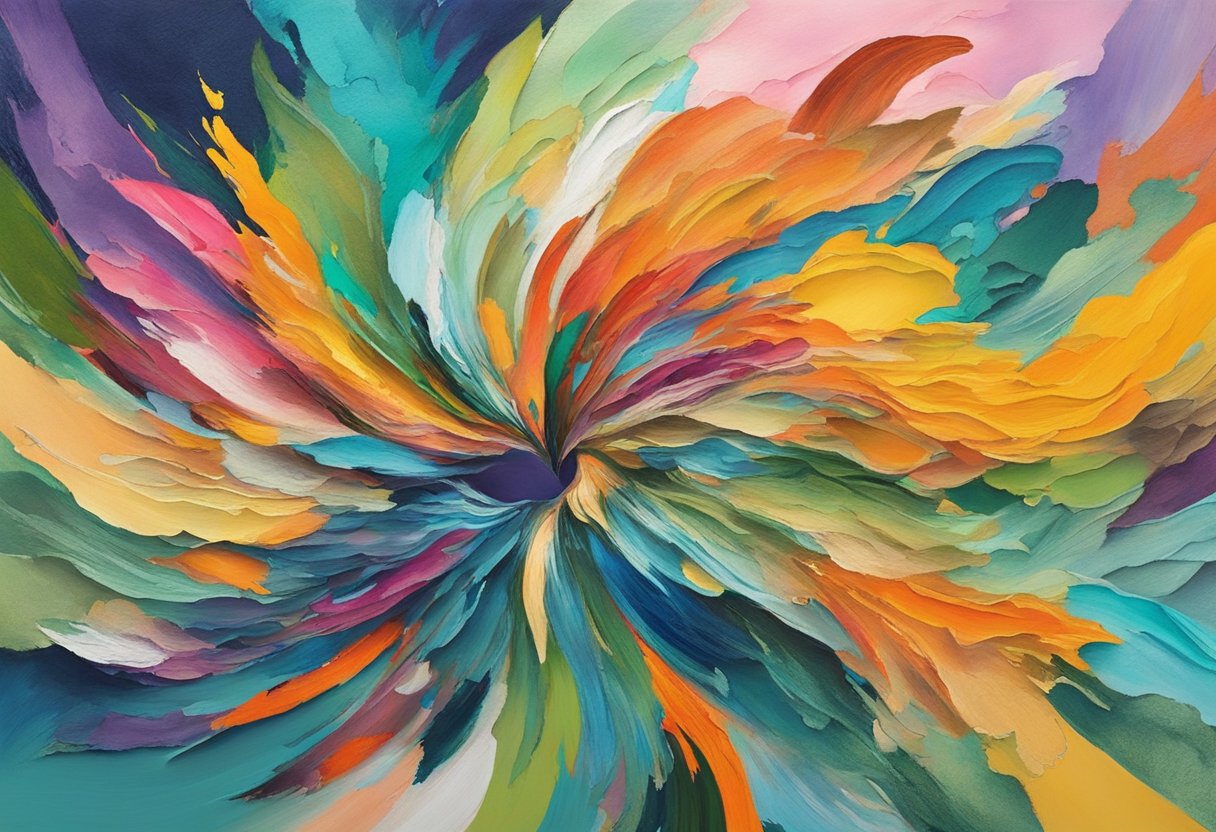
A paintbrush swirls through a palette of vibrant colors
In harnessing mixed media as a form of creative expression, you engage in a practice rich with limitless possibilities. These artistic endeavours offer unparalleled flexibility, allowing the self-expression to flow without bounds, as materials and techniques merge to form unexpected and striking results.
Limitless Creativity: Your palette becomes as vast as your imagination, welcoming everything from paint to digital layers.
Personal Touch: By choosing mixed media, your artwork becomes a deeply personal manifesto, a narrative told in textures and hues.
Versatile Techniques: The blend of various methods and materials embodies the very essence of flexibility, catering to all forms of artistic vision.
Michelle Connolly, founder of LearningMole, with 16 years of classroom experience, advocates for this diverse approach: “Mixed media art encourages an openness to explore and innovate, significantly enriching the creative learning process.”
Through mixed media, every stroke, every juxtaposition of texture and colour, becomes a reflection of unique perspectives. Bedecked with such a myriad creative expression, the artist – or indeed, anyone venturing into the arts – is empowered to communicate in ways that resonate profoundly with both creators and spectators alike.
Frequently Asked Questions
Question mark
Explore the exciting realm of mixed media art through these frequently asked questions, which will guide you in understanding the techniques, materials, and expressions unique to this art form.
What techniques are most effective for blending different materials in mixed media art?
Blending various materials in mixed media art often involves layering, collage, and experimentation with different mediums. Techniques like dry brushing, sgraffito, and washes can effectively merge disparate elements into a cohesive artwork.
Can you suggest some simple examples of mixed media artworks for beginners?
Beginners can start with collage art, combining cut-outs from magazines and textured paper. Incorporating basic painting or drawing with found objects glued to the surface also provides a straightforward approach to mixed media.
What unique qualities does mixed media painting bring to creative expression?
Mixed media painting allows for an unparalleled depth and texture, offering a visual and tactile experience that challenges traditional boundaries. “Mixed media art is not bound by the usual constraints, it breeds innovation,” notes Michelle Connolly, founder of LearningMole with extensive experience in educating creatively.
Could you explain the term ‘mixed media’ when referring to art and its significance?
‘Mixed media’ in art refers to the use of different artistic mediums in one piece, such as combining paint with paper, fabric or found objects. This fusion creates dynamic layers, making the artwork rich in texture and significance.
How do mixed media artists choose and combine materials to convey a particular theme or message?
Artists select materials that resonate with their message or theme, considering texture, colour, and form. “Each element in a mixed media artwork holds meaning, contributing to the narrative,” shares educational consultant Michelle Connolly.
What are some must-know tips for those starting out with mixed media techniques?
For those new to mixed media, it’s important to experiment with various materials and not fear mistakes. Understanding how different mediums react together and patience with the drying times between layers will serve as the foundation to your mixed media journey.
Maths Circus, an innovative platform we've crafted, presents a captivating realm where children learn mathematics through the exciting theme of a circus. The joy of juggling numbers and solving circus...
Singers use their voices as musical instruments to perform songs in theatres, recording studios, choirs and at events. Most of their working day, though, is spent practising, learning music and...
Article summary What this article covers: How primary teachers can use online assessment tools such as live quizzes, polling, digital exit tickets and digital portfolios to check understanding, give faster...
Article summary What this article covers: The role of AI in education for primary-aged children in the UK, including what artificial intelligence is, how schools in England use it, the...







Leave a Reply