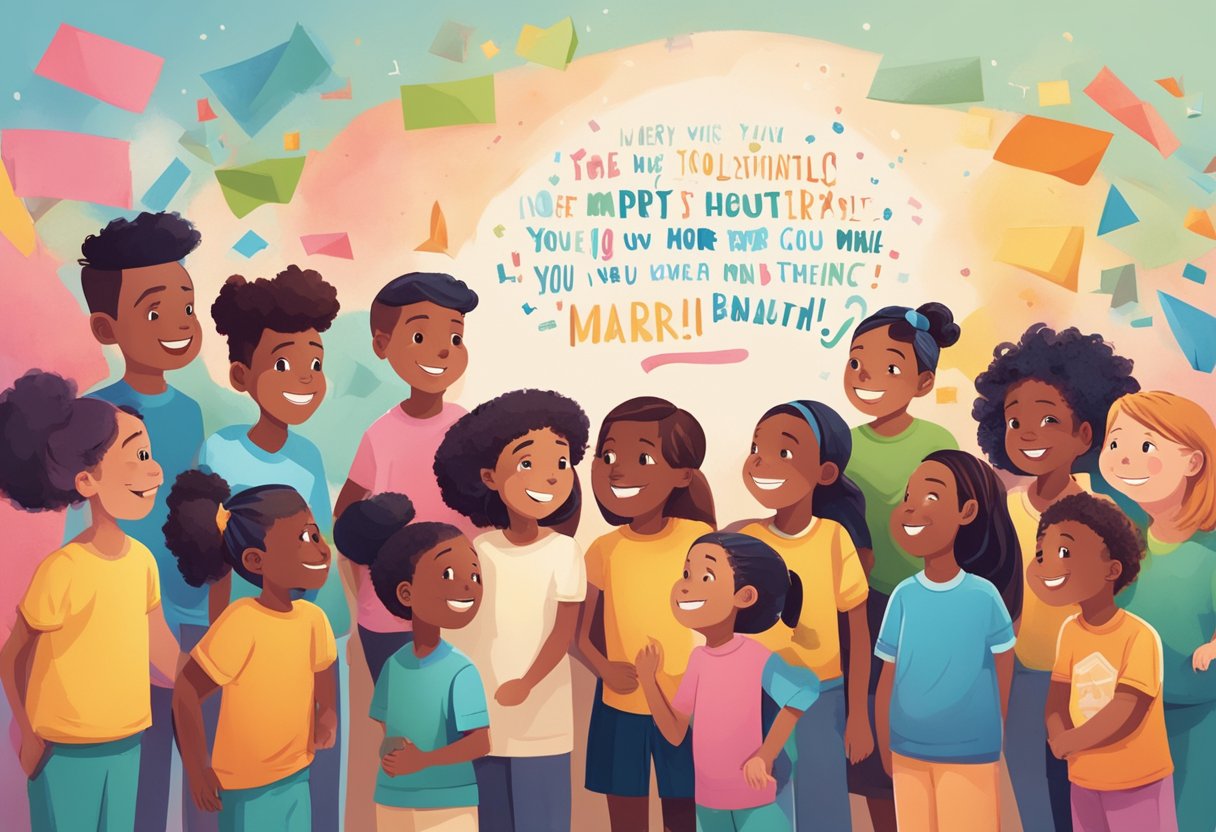
Confidence Quotes for Kids: Confidence is one of the greatest gifts we can help children develop. It influences virtually every aspect of their lives, from their academic performance to their ability to navigate friendships, from their willingness to try new activities to their capacity to bounce back from disappointments. A confident child approaches the world with curiosity rather than fear, sees challenges as opportunities rather than threats, and believes in their ability to learn, grow, and succeed. Yet building genuine self-confidence in children isn’t always straightforward, especially in a world that constantly sends mixed messages about worth, ability, and what it means to be “good enough.”
Self-confidence profoundly affects academic performance. When children believe in their abilities, they’re more willing to tackle difficult assignments, ask questions when confused, and persist through challenging material. They don’t give up at the first sign of difficulty because they trust that effort leads to improvement. Conversely, children with low confidence often avoid challenges, give up easily, and may not even try if they fear failure. This becomes a self-fulfilling prophecy: lack of confidence leads to less effort, which leads to poorer results, which further erodes confidence.
In social relationships, confidence plays an equally vital role. Confident children are more likely to initiate friendships, join group activities, and express their needs and boundaries. They can handle social setbacks—like not being invited to a party or having a disagreement with a friend—without their entire self-worth crumbling. They understand that one rejection doesn’t define them and that conflicts don’t mean they’re fundamentally unlikeable. This social confidence helps children build healthier, more authentic relationships throughout their lives.
It’s important to distinguish between healthy confidence and arrogance. True confidence comes from genuine self-knowledge and self-acceptance—knowing your strengths and weaknesses, believing in your ability to grow, and respecting yourself without needing to diminish others. Arrogance, on the other hand, often masks insecurity and involves putting others down to feel superior. When we help children develop real confidence, we’re teaching them to value themselves while also respecting and appreciating others.
Understanding Confidence and Self-Esteem
Before exploring specific quotes, it’s essential that children understand what confidence actually means. In simple terms, confidence is believing in yourself and your abilities. It’s trusting that you can handle challenges, that your ideas have value, and that you deserve respect and kindness. Confidence isn’t about being perfect or never feeling scared—it’s about believing you can figure things out, learn from mistakes, and keep trying even when things are hard.
The connection between thoughts, feelings, and actions is fundamental to understanding confidence. What we think affects how we feel, which influences what we do. If a child thinks “I’m terrible at math,” they’ll feel discouraged and anxious, which leads to avoiding math homework or giving up quickly. However, if they think, “Math is challenging, but I can improve with practice,” they’ll feel more hopeful and motivated, leading to increased effort and ultimately better results. Teaching children this connection empowers them to recognise that changing their thoughts can change their entire experience.
Confidence develops—or gets damaged—through countless small interactions during childhood. When adults respond to children’s efforts with encouragement and realistic praise, confidence grows. When mistakes are treated as learning opportunities rather than failures, children develop resilience. However, constant criticism, unrealistic expectations, or comparison to others can severely damage self-esteem. Children internalise the messages they receive repeatedly, which is why surrounding them with positive, affirming quotes and attitudes is so important.
Self-esteem serves as the foundation for trying new things. Children with healthy self-esteem believe they’re worthy of good experiences and capable of handling challenges. This belief gives them courage to join the soccer team even though they’ve never played, to audition for the school play despite stage fright, or to introduce themselves to potential new friends. Without this foundation, fear of failure or rejection keeps children stuck in narrow comfort zones where growth is limited.
The concept of growth mindset versus fixed mindset is crucial for building confidence. Children with a fixed mindset believe their abilities are unchangeable—you’re either smart or you’re not, either athletic or you’re not. This belief makes challenges threatening because failure seems to reveal permanent inadequacy. Children with a growth mindset, however, understand that abilities develop through effort and practice. They see challenges as opportunities to improve and mistakes as valuable feedback. Confidence quotes that reinforce growth mindset help children develop this more resilient, optimistic perspective.
Quotes About Believing in Yourself
The foundation of confidence is believing in your own abilities and judgment. Quotes that emphasise self-belief help children develop trust in themselves. When children hear messages like “believe you can and you’re halfway there,” they begin to understand that confidence itself is a powerful force that influences outcomes. This isn’t magical thinking—when you believe you can succeed, you try harder, persist longer, and approach challenges more strategically, all of which increase your chances of success.
Having faith in your potential means recognising that who you are now isn’t who you’ll always be. Children are constantly growing, learning, and developing new capabilities. Quotes about potential remind them that today’s limitations are temporary. Maybe they can’t ride a bike without training wheels yet, or solve complex fractions, or speak confidently in front of the class—but the word “yet” is crucial. It acknowledges current reality while maintaining faith in future growth.
Silencing self-doubt and negative inner voices is one of the most important skills for maintaining confidence. All children experience self-doubt, but those who learn to recognise and challenge these negative thoughts fare much better than those who accept them as truth. Inspirational quotes about overcoming self-doubt give children language to talk back to their inner critic. When that voice says “you can’t do this,” they can respond with “I can’t do this yet, but I’m learning” or “I’m capable of more than I know.”
Recognising your own worth and value is about understanding that you matter simply because you exist, not because of what you achieve or how you perform. This unconditional self-worth protects children from the devastating impact of failures and setbacks. Quotes that affirm inherent value—reminding children they’re worthy of love, respect, and good things—help build this crucial foundation. When children know their worth isn’t dependent on external validation, they develop more stable, resilient confidence.
The message that “you are capable of amazing things” plants seeds of possibility in children’s minds. It doesn’t promise that everything will be easy or that success is guaranteed, but it affirms that they have potential for greatness. This belief becomes self-reinforcing: when children think they’re capable, they attempt more challenging things, which helps them develop actual capabilities, which reinforces their belief in themselves. Quotes that celebrate capability help initiate this positive cycle.
Quotes About Embracing Your Uniqueness
Every child is different, and these differences should be celebrated rather than hidden. Quotes about being proud of what makes you different help children resist the powerful pressure to conform. When kids hear messages like “why fit in when you were born to stand out,” they get permission to be themselves rather than moulding themselves to match others’ expectations. This is especially important during adolescence when peer pressure intensifies, but the foundation for embracing uniqueness should be laid much earlier.
Celebrating individuality over conformity teaches children that authenticity is more valuable than popularity. It’s easy to blend in, to hide what makes you different, to present only the parts of yourself that seem acceptable to others. But this people-pleasing approach to life is exhausting and ultimately unfulfilling. Children who learn early to value their authentic selves develop stronger identities and more genuine relationships. They attract friends who like them for who they really are rather than for the persona they present.
Understanding that “normal” isn’t always better challenges the assumption many children make that different equals bad. Normal is just average, common, typical—none of which are necessarily better than unusual or unique. Some of the most successful, creative, and interesting people throughout history have been anything but normal. Quotes that reframe difference as strength rather than weakness help children appreciate their quirks and distinctive qualities.
The idea that your quirks are your superpowers is particularly empowering for children who feel self-conscious about the ways they differ from peers. Perhaps a child is intensely interested in topics their classmates find boring, thinks in unusual ways, or possesses an uncommon talent or perspective. These differences, which might feel isolating, are actually potential strengths that can lead to unique contributions and achievements. When children learn to see their distinctive qualities as assets, they stop trying to hide them and start leveraging them.
Choosing authenticity over popularity is perhaps one of the most difficult but important lessons for children to learn. Being genuinely yourself might mean being less popular, but it leads to much greater happiness and more meaningful connections. Quotes that encourage authenticity help children make this choice even when it’s hard. They learn that having two real friends who love the real you is better than having twenty friends who only like the version of yourself you pretend to be.
Quotes About Courage and Taking Risks
Confidence requires courage—the willingness to step outside your comfort zone even when you’re afraid. Quotes about courage help children understand that bravery doesn’t mean fearlessness; it means acting despite fear. When children hear “courage is being scared but doing it anyway,” they realise that everyone feels afraid sometimes, even confident people. The difference is that confident people don’t let fear stop them from pursuing what matters to them.
Trying new things despite fear is how children expand their capabilities and discover hidden talents. Every skill they have now was once new and scary—walking, reading, making friends, riding a bike. Quotes that encourage risk-taking remind children that growth requires venturing into unfamiliar territory. Yes, it’s uncomfortable, but that discomfort is temporary while the skills and confidence gained last much longer.
Bravery in the face of uncertainty is especially important in today’s rapidly changing world. Children can’t know in advance whether they’ll succeed at something new, whether others will like them, or how situations will unfold. Learning to act despite this uncertainty builds the kind of confidence needed to navigate life’s inevitable unpredictability. Inspirational quotes about embracing uncertainty help children develop comfort with not knowing, which paradoxically gives them more confidence to explore and experiment.
Making mistakes as part of learning reframes failures as valuable rather than shameful. Every mistake contains information about what doesn’t work, bringing you closer to understanding what does. Quotes that normalise mistakes help children see them as feedback rather than judgments. When they understand that everyone who has ever achieved anything has made countless mistakes along the way, they become more willing to risk failure in pursuit of growth.
The confidence to fail and try again is perhaps the most important type of confidence children can develop. Resilience—the ability to bounce back from setbacks—matters more than almost any other trait for long-term success and well-being. Quotes about perseverance and trying again reinforce that giving up guarantees failure, while trying again keeps the possibility alive. Children who internalise this message develop grit that serves them throughout life.
Quotes About Inner Strength and Resilience
Children often surprise themselves by discovering strength they didn’t know they had. Challenging situations reveal capabilities that comfortable circumstances never demand. Quotes about discovering inner strength validate this experience and encourage children to recognise their own resilience. When they realise they’ve survived difficult things before, they approach new challenges with greater confidence because they know they have hidden reserves of strength to draw upon.
Bouncing back from setbacks is a skill that improves with practice and the right mindset. Children who understand that setbacks are temporary and surmountable recover much faster than those who see them as permanent defeats. Inspirational quotes about resilience teach children to expect obstacles, normalise the experience of getting knocked down, and emphasise the importance of getting back up. This perspective transforms setbacks from identity-crushing failures into temporary difficulties that can be overcome.
The message that “you’re stronger than your challenges” empowers children to face difficulties with confidence rather than helplessness. This doesn’t mean challenges aren’t real or don’t hurt—it means that children have within them what they need to handle hard things. Sometimes that strength comes from asking for help, sometimes from persistence, sometimes from creativity or flexibility. However it manifests, recognising that they’re capable of handling difficulty gives children the courage to keep moving forward.
Finding courage during difficult times often requires remembering past victories over adversity. When children face new challenges, reminding them of previous times they overcame obstacles reinforces their resilience. Quotes that encourage looking back at past strength help children build confidence based on evidence. They’re not just hoping they can handle things—they have proof that they’ve done it before and can do it again.
Perseverance builds confidence in a beautiful cycle: trying again after failure requires confidence, but successfully persisting through difficulty builds even more confidence. Each time children refuse to give up and eventually succeed—or even just make progress—they gather evidence of their own capability and resilience. Quotes about perseverance fuel this cycle, encouraging children to keep going during the difficult middle parts of challenges when giving up feels most tempting.
Quotes About Positive Self-Talk
The words we say to ourselves matter enormously. Children often develop harsh inner critics that constantly point out flaws, predict failure, and emphasise inadequacy. Quotes about the power of self-talk help children become aware of these internal conversations and recognise that they can change them. When they understand that thoughts aren’t facts and that they can choose how they speak to themselves, they gain tremendous power over their confidence and emotional well-being.
Replacing negative thoughts with positive ones isn’t about denying reality or pretending everything is perfect. It’s about accuracy and compassion. Instead of “I’m terrible at this,” a more accurate thought might be “I’m still learning this.” Instead of “everyone thinks I’m stupid,” a fairer assessment might be “I made a mistake, but that doesn’t define me.” Quotes that model positive reframing give children examples of how to talk to themselves more kindly and realistically.
Affirmations and their impact are sometimes dismissed as silly or superficial, but research shows they genuinely influence beliefs and behaviours. When children regularly tell themselves “I am capable,” “I am worthy,” or “I can handle challenges,” these messages gradually reshape their self-concept. Inspirational quotes serve as ready-made affirmations that children can adopt and personalise. The key is repetition and genuine engagement with the words rather than mindless recitation.
Being your own best friend is a powerful framework for self-talk. Children can ask themselves, “Would I say this to my best friend?” If not, they shouldn’t say it to themselves. This standard encourages compassionate, supportive internal dialogue. Quotes that frame self-talk as friendship with yourself help children develop kinder relationships with themselves, which is the foundation of genuine confidence.
Kind internal dialogue doesn’t develop automatically—it must be actively cultivated, especially if children have been exposed to criticism or perfectionism. Parents and teachers can model positive self-talk by verbalising their own: “I made a mistake, but that’s okay, everyone does,” or “This is challenging, but I can figure it out.” When children hear adults speak kindly to themselves, they learn that this is normal and desirable. Pairing this modelling with inspiring quotes about self-compassion reinforces the message from multiple angles.
Quotes About Not Comparing Yourself to Others
Social comparison is one of the greatest threats to confidence, yet it’s nearly inevitable in social environments like schools. Quotes that discourage comparison help children resist this damaging habit. When kids hear messages like “don’t compare your beginning to someone else’s middle,” they understand that everyone is on a different timeline and that what looks like effortless success in others often represents years of unseen work.
Everyone has their own journey and timeline, and success at different ages looks completely different. Some children walk at nine months while others don’t until fifteen months, yet this difference has no bearing on their abilities as adults. The same principle applies to reading, making friends, mastering sports, or any other developmental milestone. Quotes that emphasise individual journeys help children release the pressure to develop at the same pace as peers and instead focus on their own steady progress.
Social comparison steals joy—this is a truth children need to understand early. Even when you’re doing well, comparison can make you feel inadequate if you’re looking at someone doing even better. Even when you have wonderful things, comparison can make you feel deprived if someone else has more. Inspirational quotes about the futility of comparison help children recognise this trap and choose gratitude and self-focus instead.
Focusing on personal growth over competition transforms the question from “Am I better than others?” to “Am I better than I used to be?” This shift is liberating and constructive. It directs energy toward actual improvement rather than worrying about rankings and standings. Quotes that encourage competing with yourself rather than others help children develop this healthier orientation. They learn to measure success by their own progress rather than by surpassing peers.
Your only competition is who you were yesterday—this powerful message reframes competition entirely. Instead of looking sideways at what everyone else is doing, children look backwards at their own growth. Am I kinder than I was last month? Can I do things today that I couldn’t do last year? This perspective builds genuine confidence based on real progress rather than the shaky foundation of being “better than” others.
Celebrating others without diminishing yourself is sophisticated emotional work that even adults struggle with. It requires understanding that someone else’s success doesn’t make you less successful, that there’s room for everyone to shine, and that we can genuinely be happy for others while also pursuing our own goals. Quotes that model this generous, abundant mindset help children develop it themselves. They learn that confidence doesn’t require putting others down and that lifting others up doesn’t diminish their own light.
Quotes About Using Your Voice
Speaking up for yourself and your needs is an essential confidence skill. Many children, especially those who are naturally quiet or who have been taught to always please others, struggle with self-advocacy. Quotes about using your voice validate the importance of expressing yourself. They remind children that their needs, opinions, and boundaries matter and deserve to be communicated. When children learn early to speak up, they develop confidence in their right to take up space and be heard.
Sharing your ideas and opinions, even when others might disagree, requires confidence that develops with practice. Children need to learn that disagreement isn’t a disaster and that their perspective has value even if others see things differently. Inspirational quotes about the importance of individual voice encourage children to contribute their unique viewpoints to discussions, creative projects, and problem-solving situations. This practice builds confidence in their thinking and judgment.
Understanding that it’s okay to say no is crucial for healthy boundaries and self-respect. Children who can’t say no become vulnerable to peer pressure, exploitation, and resentment. They need to know that declining requests, refusing unwanted activities, and setting limits aren’t mean or selfish—they’re acts of self-care and integrity. Quotes that affirm the power of no help children develop this vital skill.
Your thoughts and feelings matter—this message counters the damaging idea some children develop that they should always put others first or that their emotions are inconvenient burdens. While empathy and consideration for others are important, children also need to know their internal experiences are valid and worthy of attention. Quotes that validate feelings and thoughts help children develop healthy self-regard and emotional intelligence.
Confident communication involves not just what you say but how you say it. Speaking clearly, making eye contact, and using assertive body language all contribute to effective self-expression. While quotes alone can’t teach these skills, they can inspire children to practice confident communication. Sayings about the power of words and the importance of speaking your truth encourage children to develop their communication abilities.
Quotes About Overcoming Fear of Judgment
Not everyone will like you, and that’s okay—this is one of the hardest but most important lessons for children to learn. The need for approval is deeply human, especially during childhood when social bonds feel crucial to survival. However, seeking universal approval is impossible and exhausting. Quotes that normalise being disliked by some people help children accept this reality without taking it personally. They learn that even the most beloved people have critics and that trying to please everyone means pleasing no one, not even themselves.
Other people’s opinions don’t define you—they reflect the other person’s preferences, experiences, and biases more than your actual worth. Children who understand this distinction develop remarkable resilience to criticism and rejection. Inspirational quotes about not being defined by others’ judgments help children maintain strong self-concepts even when facing negative feedback. They learn to consider criticism when it’s constructive but not to internalise it as identity.
Having confidence to be yourself despite criticism requires deep self-acceptance. It means knowing who you are, valuing your authentic self, and refusing to contort yourself to fit others’ expectations. Quotes that celebrate authenticity in the face of judgment give children courage to stay true to themselves. This doesn’t mean arrogantly dismissing all feedback, but it does mean maintaining your core identity even when others disapprove.
Understanding that judgment says more about others than you is a sophisticated insight that protects confidence. When someone criticises, judges, or rejects you, their response reveals their values, insecurities, and perspectives. A person who judges others for being “too different” reveals their own discomfort with difference. Someone who mocks others’ enthusiasm reveals their own cynicism. Quotes that help children understand this dynamic prevent them from internalising others’ negativity.
Freedom from seeking constant approval is liberating. Children who need everyone’s approval live in constant anxiety, constantly adjusting themselves based on others’ reactions. Those who have released this need experience tremendous freedom to explore, create, and be themselves. Inspirational quotes about independence from approval help children develop this freedom. They learn that while feedback can be useful, their worth isn’t up for vote.
Building Confidence Through Action
Using quotes as daily affirmations creates positive mental patterns. Children might choose a confidence quote each morning to focus on throughout the day, repeat favourite sayings before challenging activities, or end their day reflecting on how they demonstrated confidence. This regular engagement with positive messages gradually reshapes self-concept. Parents can support this by displaying quotes where children will see them regularly and by periodically discussing what the quotes mean and how they apply to daily life.
Creating confidence journals and vision boards gives children active ways to engage with confidence-building messages. In a confidence journal, children might write favourite quotes, describe moments when they felt confident, list their strengths, and reflect on challenges they’ve overcome. Vision boards featuring inspiring quotes alongside images of goals and dreams create visual representations of aspirations. These creative activities make confidence-building tangible and personally meaningful.
Mirror work and positive self-reflection involve looking yourself in the eye and speaking affirming words. This might feel awkward initially, but it’s remarkably powerful. Children can practice saying confidence quotes to themselves in the mirror, making eye contact and speaking with conviction. This practice helps them internalise positive messages at a deeper level than simply thinking or reading them.
Celebrating small wins and progress builds momentum and reinforces confidence. Too often, we only celebrate major achievements while overlooking the small victories that make those achievements possible. Parents and teachers can point out daily examples of confidence in action—speaking up in class, trying a new food, introducing themselves to someone new—and connect these moments to relevant inspirational quotes. This practice helps children recognise their own growing confidence.
Activities and exercises that build self-esteem should be regular parts of childhood. These might include strength-spotting exercises where family members or classmates identify each other’s positive qualities, success timelines where children map out challenges they’ve overcome, or gratitude practices that highlight what’s going right. Pairing these activities with related confidence quotes reinforces the messages and creates multiple touchpoints for building self-esteem.
Involving family and friends in confidence-building creates supportive environments where children can flourish. When everyone in a child’s life reinforces positive messages, shares encouraging quotes, and celebrates confidence-building moments, the impact multiplies, families might have confidence-building traditions like sharing affirmations at dinner, celebrating effort alongside achievement, or maintaining “brag boards” where everyone posts their proud moments. These practices create cultures of encouragement that nurture confident children.
Conclusion
Confidence is not an inherent trait that some children have, and others lack—it’s a skill that develops through experience, practice, and the right messages. Every child can grow in confidence when provided with supportive environments, positive reinforcement, and inspiring words to internalise. The journey of building self-esteem is ongoing, with natural ups and downs, but each positive step forward contributes to a stronger foundation of self-belief.
The ripple effect of confident children extends far beyond their individual lives. Confident young people grow into adults who pursue meaningful goals, build healthy relationships, contribute to their communities, and raise the next generation with similar confidence. They become leaders, innovators, caregivers, and citizens who believe in their ability to make a difference. By investing in children’s confidence now, we’re literally shaping the future.
As children navigate this journey of self-discovery and confidence-building, they need consistent reminders that they’re worthy, capable, and enough exactly as they are. They’ll face setbacks, criticism, and self-doubt—this is inevitable. What matters is that they have internal resources to draw upon during these difficult moments, including powerful quotes that remind them of their strength, value, and potential.
Every child deserves to feel confident and capable. Regardless of their current circumstances, abilities, or challenges, every young person has inherent worth and unique gifts to offer the world. Our job as the adults in their lives is to help them recognise and believe in themselves, to provide the encouragement and support they need to take risks and grow, and to surround them with messages that affirm their value.
So speak words of confidence over the children in your life. Share quotes that inspire and uplift. Celebrate their efforts, honour their uniqueness, and remind them daily that they are brave, capable, and worthy of all the good things life has to offer. Watch as they internalise these messages and blossom into the confident, capable people they were always meant to be. The world needs their light—help them shine brightly.
Share:
2 responses to “Confidence Quotes for Kids: Inspiring Sayings to Boost Self-Esteem”
Building genuine self-confidence and emotional resilience in children empowers them to approach challenges with curiosity, embrace setbacks as opportunities for growth, and develop a strong, positive internal voice.
When children learn to reframe setbacks as stepping stones rather than roadblocks, their entire relationship with learning transforms. Nurturing that positive internal monologue early on gives them a foundation that supports them far beyond the classroom walls.
It’s all about creating those safe, encouraging spaces where curiosity thrives over the fear of making mistakes. Thanks for sharing such an inspiring reflection!
Maths Circus, an innovative platform we've crafted, presents a captivating realm where children learn mathematics through the exciting theme of a circus. The joy of juggling numbers and solving circus...
There are many perspectives we can look at when perceiving a country. For instance, we can learn about its history, geography, economy, culture, religion, traditions, and people's collective behaviour. In...
Feedback with digital portfolios works best in primary schools when teachers keep comments brief and expect every child to act on them. A voice note of about a minute on...
Singers use their voices as musical instruments to perform songs in theatres, recording studios, choirs and at events. Most of their working day, though, is spent practising, learning music and...








Building genuine self-confidence and emotional resilience in children empowers them to approach challenges with curiosity, embrace setbacks as opportunities for growth, and develop a strong, positive internal voice.
Thank you for putting this so eloquently!
When children learn to reframe setbacks as stepping stones rather than roadblocks, their entire relationship with learning transforms. Nurturing that positive internal monologue early on gives them a foundation that supports them far beyond the classroom walls.
It’s all about creating those safe, encouraging spaces where curiosity thrives over the fear of making mistakes. Thanks for sharing such an inspiring reflection!