Castles Facts for Kids: Castles are among the most fascinating structures from history – massive stone fortresses that served as homes for nobility and royalty while also being powerful military defenses. These captivating buildings combine impressive architecture, clever strategic design, and centuries of dramatic history within their thick walls. Most castles were built during the Middle Ages, roughly between the 9th and 16th centuries, and you can find them throughout Europe, the Middle East, Asia, and a few other regions around the world.
When we think of castles today, we often imagine the fairy tale versions we see in movies and storybooks – romantic towers, flowing banners, and knights in shining armour. While castles were indeed impressive and sometimes beautiful, the reality of castle life was quite different from these fantasy images.
Castles were serious military structures designed to withstand attacks, and the people who lived in them faced challenges that might surprise you. From unpleasant bathroom arrangements to incredibly thick defensive walls, from secret escape tunnels to colourful painted exteriors, castles hold many surprising secrets.
In this article, we’re going to explore five captivating facts about castles that will change how you think about these medieval fortresses. You’ll discover some rather gross details about castle toilets, learn just how massive castle walls really were, find out about a castle that’s been continuously lived in for nearly 1,000 years, explore the reality of secret passages, and be surprised to learn that castles weren’t originally grey stone at all! Let’s step back in time and discover what life in a real castle was actually like!
Fact 1: Castle Toilets Emptied Straight Down the Outside Walls
If you’ve ever imagined living in a castle and thought it would be glamorous and wonderful, this first fact might change your mind! Medieval castles didn’t have indoor plumbing, running water, or flush toilets. Instead, they had something called garderobes – essentially medieval toilets that were built right into the castle walls. Here’s the part that might make you say “eww”: when you used a garderobe, everything dropped straight down through a chute in the wall and fell outside the castle into the moat, a river below, or a cesspit at the base of the wall!
A garderobe was typically a small room built into the thickness of the castle wall, with a wooden or stone seat that had a hole in it. Below the hole was a vertical shaft that went straight down the outside of the castle wall. Gravity did all the work – no flushing required! The shaft usually ended somewhere near ground level, where waste would pile up (creating a very unpleasant smell) or, if the castle was lucky, drop into a body of water that would carry it away.
The name “garderobe” is interesting – it comes from French words meaning “guard robe” or “guard clothes.” Why would you keep clothes in a toilet room? Because medieval people discovered that the ammonia fumes from urine actually helped kill fleas and other insects that lived in clothing! People would hang their expensive robes in the garderobe to protect them from bugs. It wasn’t pleasant, but it was practical.
This toilet design had both advantages and serious problems. The advantages were that waste stayed outside the main living areas of the castle (mostly), gravity did all the work, so no one had to physically carry waste very far, and the cold draft coming up through the hole discouraged people from sitting there longer than necessary. Multiple garderobes at different levels of the castle meant many people could use the facilities.
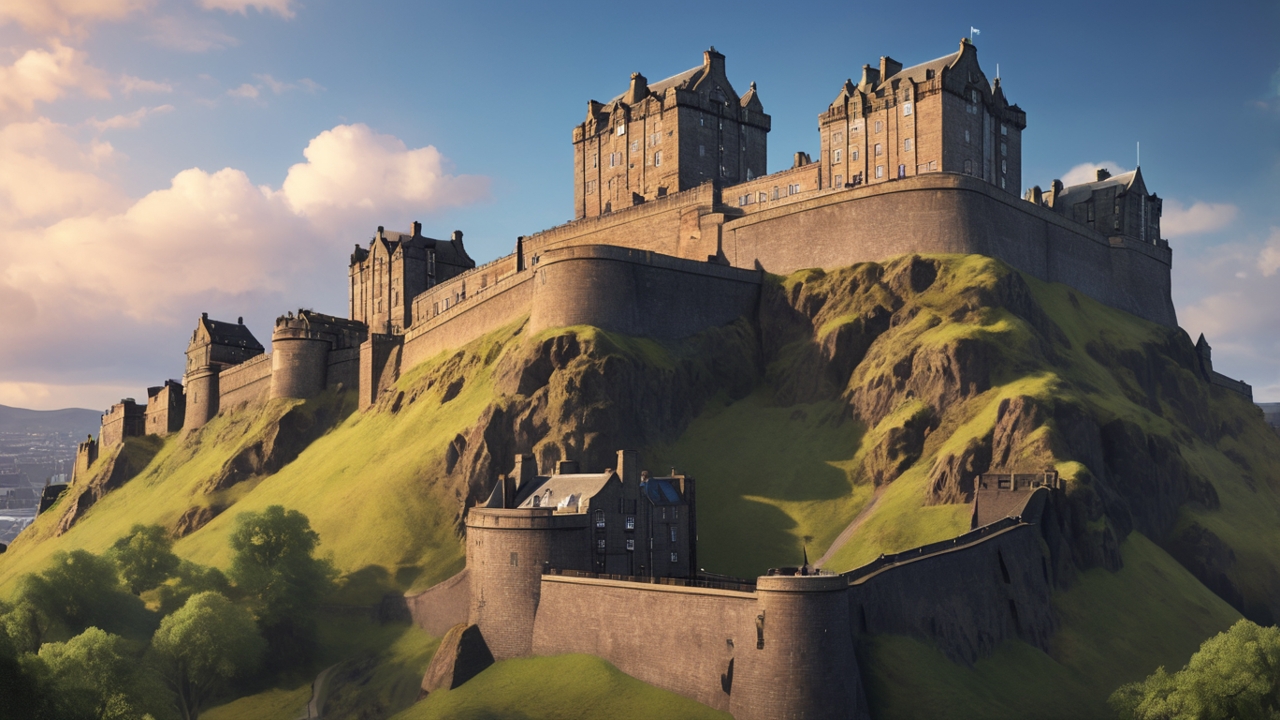
But the problems were significant! On hot summer days, the smell rising from the pile of waste at the base of the wall was terrible. The outside walls of castles became stained from the waste running down them – you can still see these stains on some castles today! The moats, which were already not very clean, became absolutely disgusting cesspools. And perhaps most surprisingly, the garderobe chutes created a security weakness. In at least one famous case, at Edinburgh Castle in Scotland, attackers actually climbed up through a waste chute to sneak into the castle! Imagine being the soldier who volunteered for that mission.
For nighttime use or in private chambers, people used chamber pots instead – ceramic or metal pots that they would use and then servants would empty. Often these were simply emptied out windows, sometimes with a warning shout of “Gardyloo!” (from the French “Gardez l’eau,” meaning “watch out for water!”). Medieval city streets could be quite hazardous places!
Medieval hygiene was very different from today’s. There was no toilet paper – people used moss, leaves, scraps of cloth, or whatever was available. Hand washing after using the toilet wasn’t common practice, contributing to the spread of diseases. Life in a medieval castle, despite what fairy tales might suggest, was definitely not glamorous!
Today, when you visit old castles on tours, you will see that many of them still have garderobes. They’re often a favourite feature for kids because they’re a bit gross and funny. Seeing them helps visitors understand that castle life was very different from what we imagine. The reality was much smellier and less comfortable than fairy tales suggest!
Fact 2: Some Castle Walls Are Over 20 Feet Thick
When you see pictures of castles, their walls look impressive and strong. But until you learn the measurements, you might not realise just how massive these walls are. Some castle walls are over 20 feet thick – that’s wide enough to drive a large truck through if you cut a hole in them! These weren’t just walls; they were more like buildings themselves, with rooms, passages, and staircases hidden inside.
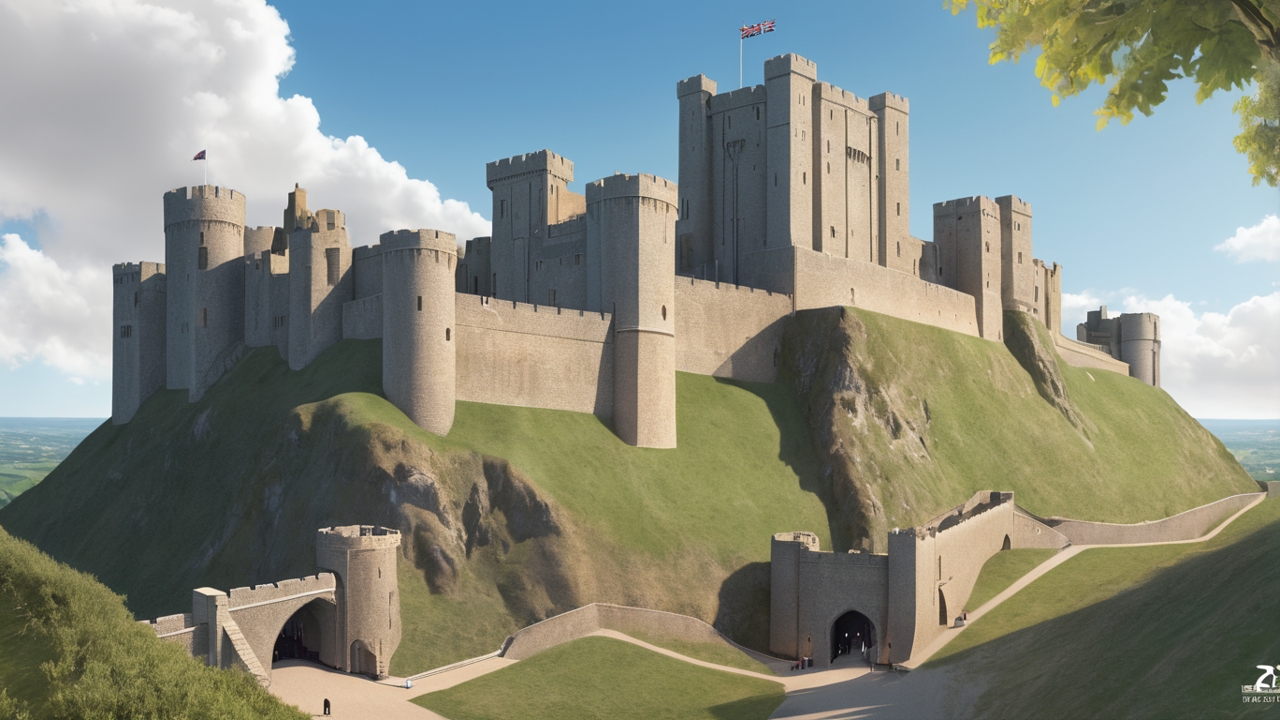
Some castles have truly astounding wall thickness. Dover Castle in England has walls up to 21 feet thick in some sections. Krak des Chevaliers in Syria, one of the best-preserved Crusader castles, has outer walls more than 30 feet thick in places! Windsor Castle’s walls range from 13 to 24 feet thick. The Tower of London has sections where the walls are 15 feet thick. Standing next to these walls and seeing their sheer mass helps you understand the enormous effort that went into building castles.
How were such thick walls constructed? Castle builders used a clever technique: they would build two parallel walls of carefully cut and fitted stone, creating an outer face and an inner face. The space between these two stone faces would be filled with rubble (broken stones and debris) mixed with mortar (a kind of cement made from lime, sand, and water). This technique created incredibly strong, thick walls at less expense than building entirely from fitted stone blocks. The outer and inner stone faces held everything together and protected the rubble fill from the weather.
Building castle walls took years – sometimes decades! Some castles took over 50 years to complete. Thousands of workers were needed: people to quarry (cut) the stone from rock deposits, transport it to the building site (often using rivers, carts pulled by oxen, or sledges), and skilled stone masons to shape and fit the stones perfectly. Building a castle was one of the most expensive things a medieval lord could undertake, costing fortunes that might bankrupt entire regions.
Inside these thick walls, castle builders created all sorts of useful spaces. Spiral staircases were built into the wall thickness, allowing people to move between floors. Storage rooms and small chambers were carved out within the walls. Guard passages and galleries ran through walls, allowing defenders to move unseen to different parts of the castle. Murder holes – openings in the ceiling above gates – were built into walls so defenders could drop stones, boiling water, or other unpleasant things onto attackers below. Some castles even had secret passages hidden within their massive walls!
The tops of castle walls had special defensive features, too. Crenellations were the alternating high and low sections on top of walls – the high parts (merlons) protected defenders, while the low sections (crenels) allowed them to shoot arrows or observe attackers. Arrow slits were narrow vertical windows in walls that archers could shoot through while remaining mostly protected. Machicolations were sections of wall that projected outward with holes in the floor, allowing defenders to drop things straight down on anyone trying to climb the walls or attack the gates.
The width of castle walls at the top – along the battlements where defenders stood – was usually 6 to 10 feet wide, enough for several soldiers to move past each other and for defenders to operate siege weapons. Walking along these battlements gave defenders views for miles around, allowing them to spot approaching enemies and communicate between towers using flags or signals.
As siege weapons became more powerful, especially after gunpowder and cannons arrived in Europe, castle designers made walls even thicker. However, eventually even the thickest stone walls couldn’t withstand sustained cannon fire. By the 1500s and 1600s, traditional tall stone walls were becoming obsolete, and military engineers started building different types of fortifications – lower, thicker earthwork and stone forts called star forts, designed specifically to resist cannon fire. But the great medieval castles with their massive walls remain monuments to the Middle Ages’ incredible engineering achievements!
Fact 3: Windsor Castle Has Been a Royal Home for Over 900 Years
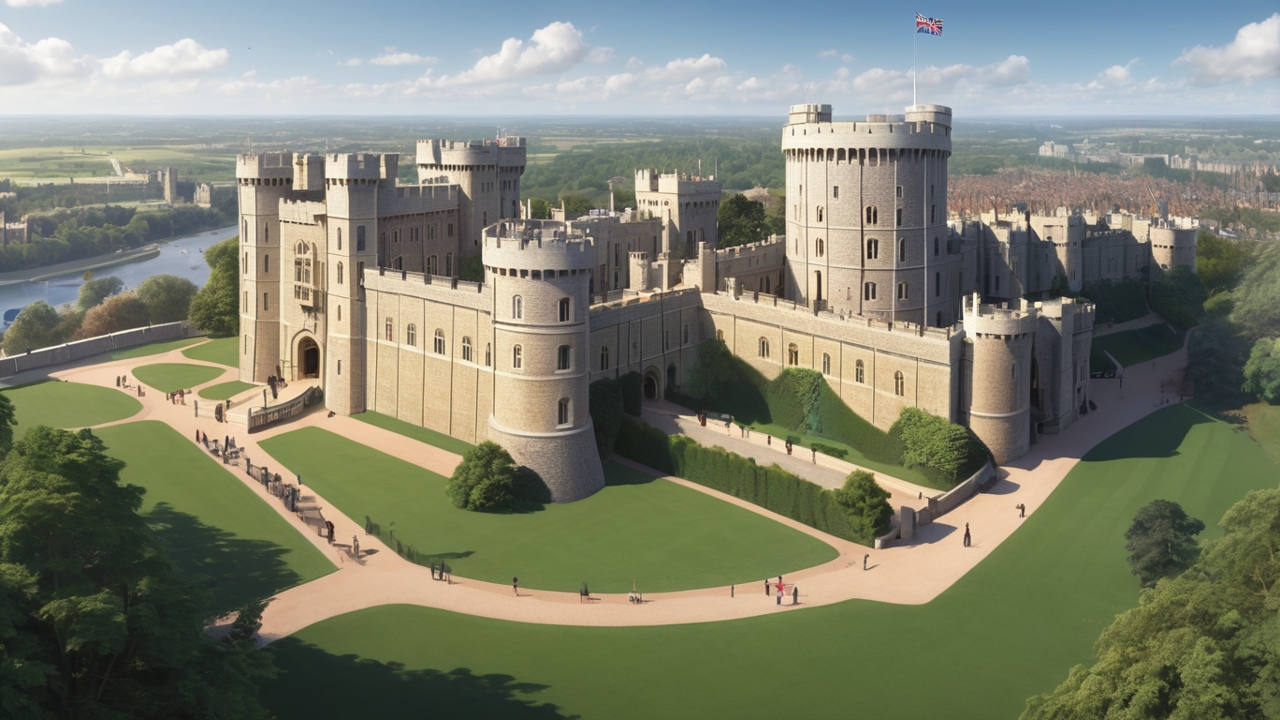
While many castles are now ruins or museums, one truly remarkable castle is still a fully functioning royal residence that has been continuously occupied for nearly a thousand years! Windsor Castle in England, about 20 miles west of London, was built by William the Conqueror around 1070, shortly after the Norman Conquest of England in 1066. Since then, for more than 900 years, British royalty has lived in Windsor Castle. It’s not just the oldest continuously occupied castle in the world – it’s also the largest occupied castle anywhere!
Queen Elizabeth II spent many of her weekends at Windsor Castle, used it for Easter celebrations, and often stayed there in June. When she died in 2022, her funeral was held at St. George’s Chapel at Windsor Castle, and she was buried there alongside her late husband, Prince Philip. King Charles III has continued the tradition of using Windsor as a regular royal residence. This means that right now, today, Windsor Castle is someone’s home – not just a museum, but an actual lived-in palace!
The scale of Windsor Castle is staggering. It covers 13 acres, making it roughly the size of 10 football fields. The castle contains about 1,000 rooms, including State Apartments used for official ceremonies, private apartments where the royal family actually lives, and St. George’s Chapel, one of the finest examples of Gothic architecture in England. At any given time, over 500 people work at Windsor Castle, including guards, administrators, servants, conservators, housekeepers, and many others. It’s like a small town built into a castle!
Windsor’s location was chosen carefully by William the Conqueror. The castle sits on a hill overlooking the River Thames, in a strategically important position. It was about one day’s march from London, making it easy for the king to reach the capital quickly if needed. The castle was part of a defensive ring of fortifications built around London to protect the capital from attacks. From its high position, defenders could see enemies approaching from miles away.
Like most castles, Windsor started relatively simple – just wooden walls on top of an earthen mound (called a motte-and-bailey castle). Over the centuries, each monarch made changes, gradually rebuilding everything in stone, adding towers, expanding the walls, and making the castle more comfortable and impressive. Medieval kings strengthened the defences.
Georgian kings in the 1700s made elegant renovations. Queen Victoria in the 1800s added numerous improvements. In 1992, disaster struck when a devastating fire destroyed over 100 rooms. The restoration took five years and cost £36 million, but Windsor was rebuilt more beautifully than ever.
What makes Windsor truly captivating is that it’s living history. This isn’t a museum where things are preserved exactly as they were centuries ago – it’s a working royal palace that has evolved continuously for a thousand years while maintaining connections to its medieval origins. The State Apartments are used for official functions and can be toured by the public when not in use.
St. George’s Chapel holds regular religious services. The Castle Guard still performs the traditional Changing of the Guard ceremony that tourists can watch. Ancient meets modern inside Windsor – medieval stone walls house up-to-date security systems, fire suppression equipment installed after the 1992 fire, climate control to preserve priceless art and artefacts, and all the necessities of modern life.
Visitors to Windsor Castle can see lavishly decorated State Apartments with artworks by Rembrandt, Rubens, and other masters, tour St. George’s Chapel where monarchs are married and buried, and even visit Queen Mary’s Dolls’ House – an incredibly detailed miniature mansion with working electricity, running water, and tiny books written by famous authors. It’s one of Britain’s most visited tourist attractions, with over a million visitors annually.
Windsor Castle proves that castles weren’t just medieval structures that became obsolete – with continuous maintenance and adaptation, they could remain relevant and useful for a thousand years. The fact that the British royal family still lives and works at Windsor shows that these ancient fortresses, while built for a different time, could evolve to serve modern purposes while maintaining their historical character and majesty.
Fact 4: Castles Had Secret Tunnels and Hidden Passages
One of the most captivating things about castles is that many of them really do have secret passages, hidden tunnels, and concealed rooms – just like in adventure stories! These weren’t just dramatic additions for fun; they served important practical purposes in castle defence and daily life. From emergency escape routes to surprise attack tunnels, from spy passages to forgotten chambers, real castles were full of secrets.
Secret passages in castles took many forms. Escape tunnels, often called sally ports, were hidden exits built into castle walls or under castle grounds. If a castle was being besieged and the situation became hopeless, defenders could escape through these tunnels rather than being captured or killed. Some escape tunnels were quite long, emerging far from the castle walls in woods or buildings where escapees would be safe from besieging armies. These tunnels could also be used to sneak supplies into a castle during a siege, allowing defenders to hold out much longer than enemies expected.
Sally ports served another purpose, too – they allowed defenders to make surprise attacks on besieging forces! A sally port was a small, heavily defended gate, often hidden or disguised. Castle defenders could suddenly charge out through a sally port, attack part of the besieging army (perhaps targeting their siege weapons or supply camps), and then quickly retreat back into the castle before enemies could react. The element of surprise made these raids very effective, and attackers never knew where or when defenders might suddenly emerge.
Some castles have truly amazing secret features. Edinburgh Castle in Scotland has multiple secret tunnels, including one that supposedly connects to Holyrood Palace a mile away (though this has never been confirmed). Predjama Castle in Slovenia is built into a cliff face and has an entire cave system behind it, with secret tunnels leading through the caves to other exits.
During a medieval siege, the castle’s defender, a robber knight named Erazem, used these secret tunnels to sneak out, steal food from his besiegers, and return to the castle, frustrating his enemies who couldn’t understand how he kept getting supplies! Château de Brézé in France has an entire underground fortress beneath the visible castle – complete with tunnels, rooms, and defences all below ground level. Dover Castle in England has tunnels from medieval times and additional tunnels carved during World War II, when Dover was crucial to Britain’s defence.
Castles also had smaller secret passages built into walls for spying and secret movements. A lord might have a hidden passage from his chambers to other parts of the castle so he could move around without being seen or listen to conversations in other rooms. Some passages allowed guards to access different parts of the castle walls without being visible from outside, letting them reinforce defences without attackers knowing where they were. These passages were often narrow, dark, and difficult to navigate, sometimes with stairs at awkward angles or very low ceilings.
In later periods, especially during religious persecution in England during the 1500s and 1600s, many great houses and castles added “priest holes” – tiny hidden rooms where Catholic priests could hide when authorities came searching. These were ingeniously concealed behind panels, under stairs, or within chimneys, and some were so well hidden that they’re still being discovered today!
One of the fascinating things about castle secrets is that they might be forgotten over generations. The original builders and castle inhabitants knew about the passages, but if the castle changed hands or the knowledge wasn’t passed down, these secrets could be lost. Centuries later, restoration work or archaeological surveys might rediscover them! Modern technology like ground-penetrating radar can detect hollow spaces within walls, revealing passages that hadn’t been seen in hundreds of years.
Many castles have legends of undiscovered tunnels or hidden treasure rooms that have never been found. Some of these are probably just myths, but others might be real! Archaeological and historical research continues to uncover hidden features in castles. What makes this especially captivating for visitors is that when you tour a castle today, there might still be hidden chambers and passages within those walls that nobody alive knows about!
Of course, secret passages weren’t without problems. They were dark and could be dangerous – passages might collapse, flood, or become blocked. They required maintenance that had to be done carefully to keep them secret. And if enemies discovered a secret passage, it became a serious security risk rather than an asset. Still, the advantages usually outweighed the risks, which is why so many castles included these hidden features in their designs.
Today, the secret passages discovered are often favourite features on castle tours. Something is thrilling about walking through a hidden tunnel that was used by people centuries ago for escapes, raids, or secret meetings. These passages connect us directly to the drama and danger of medieval castle life in a way that few other features can!
Fact 5: Castles Were Painted in Bright Colours (Not Grey Stone)
Here’s a captivating fact that surprises almost everyone: the grey stone castles we see today looked completely different when they were built! Medieval castles weren’t grey at all – they were typically painted bright white, and their interiors were decorated with vibrant colours. The romantic image we have of weathered grey stone castles is actually what abandoned or poorly maintained castles look like after centuries of weathering. When castles were new and actively used, they were colourful, bright, and impressive!
Most castle exteriors were covered in limewash or whitewash – a coating made from lime mixed with water. This created brilliant white walls that could be seen for miles around. A freshly whitewashed castle gleaming in the sunlight was an impressive and imposing sight, making the castle look even larger and more impressive than it already was. This wasn’t just for decoration – the white coating served important practical purposes too.
Why did castle builders whitewash their walls? First, the bright white exterior was a powerful symbol of authority and wealth. Maintaining whitewash required regular work – it would fade and wash off over time, so reapplying it every few years showed that the castle owner had the resources and power to keep their castle looking impressive.
A well-maintained white castle said, “I am powerful and wealthy enough to take care of my fortress.” Second, the lime coating actually protected the stone underneath from weather damage. Rain, frost, and wind gradually erode stone, but a coating of limewash took the damage instead, preserving the structural stones. Third, lime has natural antiseptic properties that help keep walls cleaner and inhibit the growth of algae and moss.
Some castles went beyond just white! Historical evidence shows that colored pigments were sometimes added to whitewash to create red, ochre (yellowish-brown), or even blue walls. Decorative patterns might be painted on walls. Different sections of castles might be highlighted with different colours. Tower tops might be painted differently from the main walls. Regional traditions varied, with castles in different parts of Europe having their own distinctive styles.
Inside castles, colours were even more vibrant! Wealthy castle owners decorated their halls and chambers with colourful wall paintings showing scenes from the Bible, mythological stories, or hunting scenes. Elaborate tapestries hung on walls, both for decoration and for insulation against cold stone walls – these tapestries were often brightly colored with reds, blues, greens, and golds.
Ceilings might be painted with intricate patterns and highlighted with gold leaf. In the finest castles, tile floors might be glazed in colours. Stained glass windows in chapels and great halls let colored light stream in. The overall effect would have been grand, colourful, and impressive – the complete opposite of bare grey stone!
So why do we see grey stone when we look at castles today? The answer is simple: time and abandonment. Many were abandoned as castles became militarily obsolete with the development of gunpowder and cannons. Without regular maintenance, whitewash wore off within a few years, exposing the stone underneath. Over centuries, the exposed stone weathered to grey, any remaining paint flaked away, tapestries were removed or rotted, and castles became the ruins we often see today.
Interestingly, during the Romantic period of the 18th and 19th centuries, people actually preferred the look of weathered grey ruins! There was a fashion for “authentic” medieval ruins, and some castle owners deliberately left stone exposed rather than maintaining historical whitewash. This romantic aesthetic stuck, and even when castles are restored today, many preservationists choose to leave stone exposed rather than reapplying historical whitewash. Modern taste generally prefers the look of bare stone, seeing it as more “authentic” even though it’s actually less historically accurate!
Evidence for original castle colours comes from several sources. Traces of original whitewash and paint sometimes survive in protected areas, like under later additions or in deep recesses. Historical paintings and illuminated manuscripts from medieval times show white castles, not grey ones. Written descriptions from the period mention whitewashed walls. Chemical analysis of stone surfaces can detect traces of lime wash and pigments that aren’t visible to the naked eye. All this evidence confirms that the grey stone castles in photos and movies don’t show us what medieval people saw!
Some castles and historical sites have done experimental reconstructions, repainting sections to show what they originally looked like. These demonstrations help visitors understand that medieval life was more colourful and vibrant than the weathered grey ruins suggest. The results can be surprising – a bright white castle looks almost modern, very different from our medieval fantasies!
Here’s an ironic twist: the colourful fantasy castles at Disney theme parks, with their bright whites, blues, and other colours, are actually more historically accurate than the grey stone castles in supposedly more “realistic” medieval movies! The Disneyland castle’s bright appearance is closer to what real medieval castles looked like than the weathered ruins we typically associate with medieval times.
Understanding that castles were originally bright and colourful changes how we imagine medieval life. The Middle Ages weren’t drab and grey – they were full of colour, from bright castle exteriors to richly decorated interiors to the colourful clothing people wore. The grey, gloomy image we often have is the result of centuries of weather and neglect, not the medieval reality!
Castles Facts Conclusion
These five captivating facts reveal that real castles were far more complex and surprising than fairy tale versions suggest. From the unfortunately smelly garderobe toilets to walls thick enough to withstand massive siege weapons, from Windsor Castle’s thousand-year continuous occupation to the reality of secret escape tunnels, and from bright white painted exteriors to colourful interiors, castles were sophisticated structures combining military engineering, practical living spaces, and impressive displays of power.
Castles weren’t just buildings – they were centres of medieval life, administration, and military power. Thousands of castles still stand throughout Europe and beyond, preserved as museums, tourist attractions, and in Windsor’s case, as a working royal residence. Visiting castles like Neuschwanstein in Germany, Edinburgh Castle in Scotland, or Himeji Castle in Japan helps us understand medieval military architecture and the realities of life centuries ago.
The captivating truth about castles is that they combined beauty with brutal practicality, grandeur with gritty daily life, and impressive engineering with sometimes unpleasant realities. Studying castles reveals that medieval people were ingenious problem-solvers who created structures that remain standing and impressive nearly a thousand years later, despite lacking modern technology. These fortified stone homes tell stories of human ingenuity, power, survival, and the dramatic history of the Middle Ages!
We hope you enjoyed learning more things about castles as much as we loved teaching you about them. Now that you know how majestic geography is, you can move on to learn about other geography stuff like: Continents, Australia, the United States and Italy.
Why not subscribe to our LearningMole Library for as little as £1.99 per month to access over 3400 fun educational videos.
Maths Circus, an innovative platform we've crafted, presents a captivating realm where children learn mathematics through the exciting theme of a circus. The joy of juggling numbers and solving circus...
Article Summary What this article covers: Twenty-eight polar animals sorted properly by pole, with 21 from the Arctic, 5 from the Antarctic and 2 found at both, along with the...
Article Summary What this article covers: Five active learning strategies for home education (inquiry-based learning, Socratic questioning, gamification, the concrete-pictorial-abstract approach and teaching back), with zero-preparation ideas for busy parents,...
Article Summary What this article covers: Ten facts about Egypt’s modern history from 1952 to today, including the end of the monarchy, the Suez Crisis, the Aswan High Dam and...







Leave a Reply