Tracking progress in art history for students requires thoughtful assessment methods that go beyond typical exams. Teachers need effective ways to measure how students understand art concepts, historical contexts, and critical analysis skills. Well-designed assessment in art history encourages meaningful learning rather than simple memorisation of dates and artists’ names.
Art history education has evolved to include varied assessment techniques that capture different aspects of student learning. These might include written analyses, visual comparisons, creative projects, and class discussions about artistic movements.
As Michelle Connolly, an educational consultant with over 16 years of classroom experience, notes, “The most effective art history assessments balance content knowledge with the development of critical thinking skills that students can apply across disciplines.
Different progress tracking approaches help teachers and students see growth over time. Portfolio development, standards-based assessment, and project-based learning all offer valuable insights into how students are developing their understanding of artistic interpretation and historical context. These methods move beyond simple recall and encourage deeper engagement with the material.
Historical Context of Art History Education
Art history education has evolved significantly over the centuries, reflecting changing cultural values and educational approaches. Both traditional academic disciplines and the emergence of modern art movements have shaped the development of curriculum and teaching methods.
Evolution of Art History Curriculum
The foundations of art history education began in the 18th century when formal academies established structured training for artists. These early programmes focused primarily on technical skills and classical traditions.
In the 19th century, art history emerged as a distinct academic discipline. Universities began offering courses that emphasised chronological study of artistic periods and styles. The approach was largely fact-based and focused on memorisation.
“As an educator with over 16 years of classroom experience, I’ve observed that understanding the historical progression of art education helps you better connect with your students’ learning journey,” notes Michelle Connolly, educational consultant and founder of LearningMole.
By the mid-20th century, the art history curriculum expanded to include social and cultural contexts. This shift reflected a growing recognition that art couldn’t be fully understood in isolation from its historical environment.
Impact of Modern Art on Teaching
The emergence of modern art in the early 20th century dramatically transformed art history education. Traditional teaching methods that focused on technical analysis proved inadequate for understanding abstract expressionism, conceptual art and other non-representational forms.
This challenge led to new pedagogical approaches, including:
Contextual analysis examining social, political and economic factors
Interdisciplinary methods connecting art to other fields
Student-centred learning encourages personal interpretation
The psycho-historical framework emerged as an important teaching tool, helping you understand how historical context shapes art appreciation.
Contemporary art history education now embraces diversity and global perspectives. Digital resources have revolutionised access to art collections worldwide, allowing you to study works that were once inaccessible without extensive travel.
Designing an Art History Curriculum
Creating an effective art history curriculum requires careful planning and consideration of educational objectives. A well-designed curriculum balances theoretical knowledge with practical application while making connections across disciplines.
Essential Components of Art History Education
When designing an art history curriculum, you should include several core elements that give students a comprehensive understanding of the subject. Start with chronological progression to help learners understand how artistic movements evolve.
“As an educator with over 16 years of classroom experience, I’ve found that students grasp art history concepts more effectively when they can place works within their historical context,” says Michelle Connolly, founder and educational consultant.
Include these key components in your curriculum:
Historical context: Political, social, and cultural influences
Formal analysis: Techniques for examining composition, colour, and form
Critical theory: Different approaches to interpreting art
Diverse perspectives: Art from various cultures and traditionally underrepresented artists
Assessment methods should track both knowledge acquisition and analytical skill development. Art History programmes often struggle with developing robust pedagogical scholarship, so documenting your assessment strategies is crucial.
Integrating Critiques and Art Production
Your art history curriculum should combine theoretical study with hands-on creation. This integration helps students understand artistic concepts through practice. Critique sessions are essential for developing visual literacy and analytical thinking. Structure these sessions to include:
Description (What do you see?)
Analysis (How is the work organised?)
Interpretation (What is being communicated?)
Evaluation (How successful is the work?)
Creating artwork inspired by historical styles helps students internalise concepts. For example, you might have students design their own pieces using techniques from specific periods while documenting their process.
Digital portfolios can track student progress, showing how their understanding and production skills develop throughout the course. These portfolios become valuable assessment tools while building skills relevant to graphic design and visual arts careers.
Cross-Disciplinarity with Music and Business
Art history naturally connects to other disciplines, particularly music and business. Building these connections strengthens student understanding and demonstrates real-world relevance.
“Drawing from my extensive background in educational technology, I’ve seen how connecting art history to other disciplines creates deeper learning experiences that prepare students for their future careers,” explains Michelle Connolly.
Music and art often share historical movements and aesthetic principles:
Art Movement
Musical Parallel
Shared Characteristics
Impressionism
Debussy, Ravel
Emphasis on mood, atmosphere
Cubism
Stravinsky
Fragmentation, multiple perspectives
Pop Art
1960s Pop Music
Mass culture, commercialism
The business side of art deserves attention, too. Your curriculum should explore:
Art markets and auction houses
Career paths in museums, galleries and conservation
Marketing and promotion of artists
Legal issues in art (copyright, provenance)
Projects that combine these disciplines, such as creating a business plan for a gallery or analysing the musical and visual elements of a historical period, provide valuable learning experiences.
Teaching Strategies in Art History
Effective approaches to teaching art history combine traditional methods with modern techniques. These strategies foster critical thinking and visual literacy while accommodating diverse learning needs and leveraging digital technologies.
Instructional Strategies for Diverse Learners
To reach all students in your art history classroom, utilise a multi-sensory approach. Visual learners benefit from high-quality images and videos, while auditory learners connect with discussions and oral presentations.
“As an educator with over 16 years of classroom experience, I’ve found that creating concept maps helps students visualise connections between artistic movements and historical contexts,” notes Michelle Connolly, founder and educational consultant.
Consider these inclusive teaching methods:
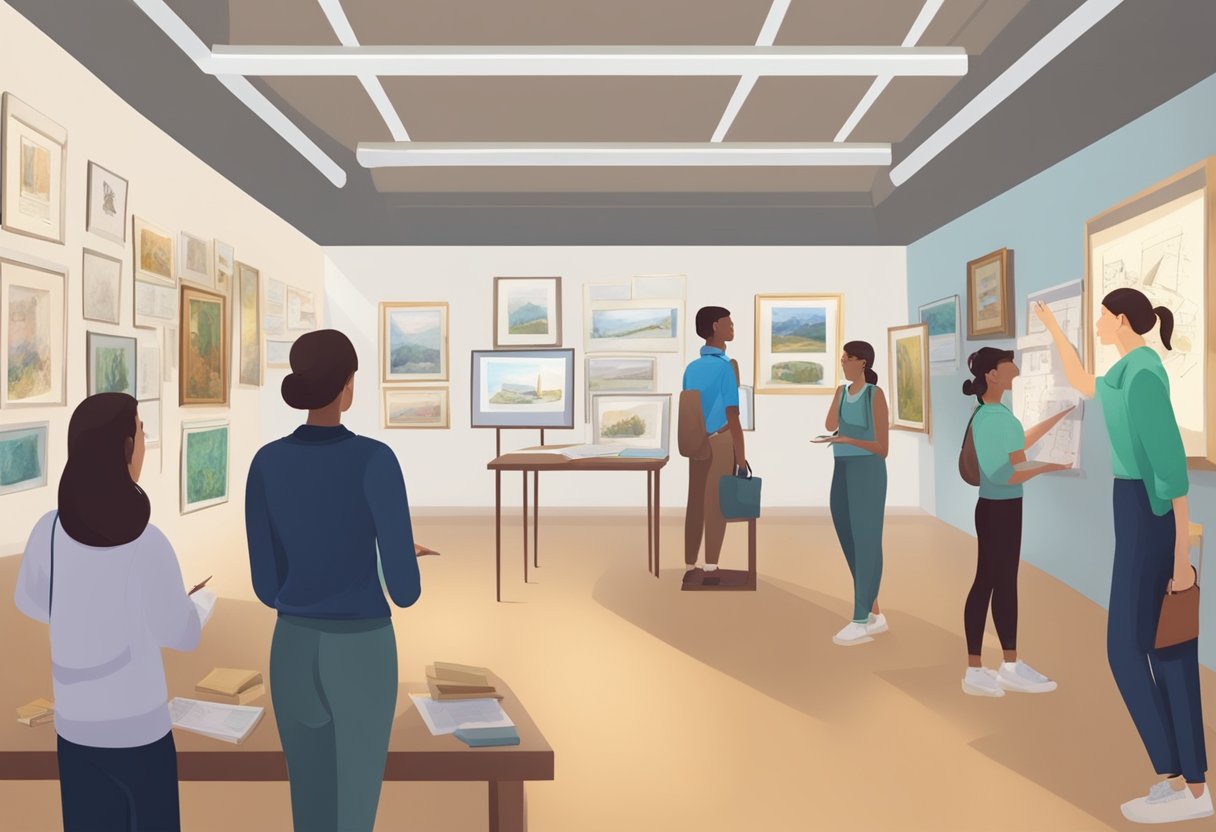
Gallery walks: Allow students to move around, examining reproductions and writing observations
Think-pair-share: Encourage analysis of artworks through collaborative discussion
Jigsaw activities: Assign different aspects of an artistic period to small groups
For assessment, offer choices like creating visual timelines, podcast-style commentaries, or traditional essays. This flexibility honours different learning styles while tracking progress in understanding art history.
Incorporating Digital Media and Photography
Digital tools have revolutionised how you can teach art history. Virtual museum tours enable exploration of global collections without leaving your classroom, while high-resolution images reveal details impossible to see in textbooks.
Create interactive timelines using platforms like Sutori or TimelineJS to help students visualise artistic developments chronologically. These tools make abstract connections concrete.
Photography projects enhance understanding by having students:
Recreate famous compositions using modern settings
Document local architecture reflecting historical styles
Compile visual essays comparing artistic elements across periods
Computer-based teaching strategies enhance learning through interactive platforms like Google Arts & Culture, which offers close examination of brushwork and composition.
Consider implementing formative assessment through arts-based strategies by having students create digital portfolios documenting their growing understanding of artistic movements and techniques.
Assessment Techniques
Effective assessment in art history blends traditional evaluation methods with portfolio-based approaches to measure student understanding and growth. These techniques help you track progress while providing valuable feedback that enhances learning outcomes.
Formative and Summative Evaluation Methods
Formative assessments in art history involve ongoing evaluation throughout a learning period. You might use quick quizzes, short writing assignments or class discussions to gauge student understanding of art movements or critical analysis skills.
“As an educator with over 16 years of classroom experience, I’ve found that regular low-stakes assessments provide invaluable insights into how students are processing complex art historical concepts,” notes Michelle Connolly, educational consultant and founder of LearningMole.
Summative assessments measure achievement at the end of a unit. These might include:
Research papers exploring specific art periods
Written exams testing knowledge of artists and movements
The most effective approach combines both types of evaluation methods, allowing you to track student progress throughout and after completion of art history units.
Portfolio Review and Critique
Portfolio assessment provides a comprehensive view of student development in art history. Students compile their best work, including written analyses, research projects, and visual presentations that demonstrate their understanding.
The portfolio review process encourages self-reflection and critical thinking. You can implement this through:
Individual Critique Sessions
One-on-one discussions about portfolio contents
Feedback on strengths and areas for improvement
Goal-setting for future development
Group Critique Activities
Peer review sessions using specific criteria
Gallery-style presentations with feedback
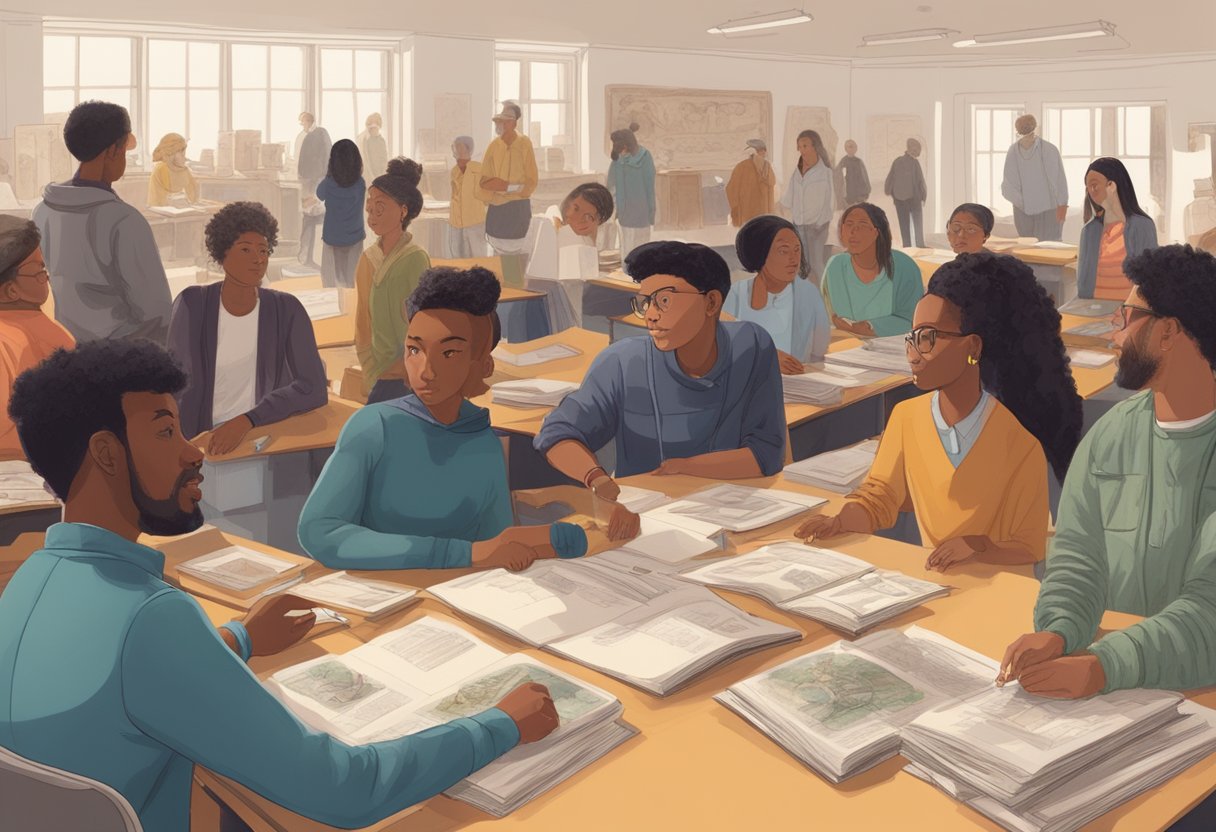
Collaborative discussions about art historical concepts
Socio-cultural interpretations and various standards of quality can be woven into portfolio reviews, helping students develop a deeper understanding of art history. This approach also builds valuable skills in giving and receiving constructive feedback.
Tracking Student Progress
Effective monitoring of student development in art history requires consistent assessment methods and visual tools. Tracking progress helps identify strengths, pinpoint areas needing improvement, and celebrate achievement milestones.
Setting Benchmarks and Goals
Establishing clear benchmarks is essential when tracking student progress in art history. You should create specific, measurable goals that align with curriculum standards while allowing for individual growth paths.
Begin by conducting baseline assessments to understand each student’s starting point. This might include a variety of assessment methods such as written critiques, visual analyses, or interpretive discussions.
“As an educator with over 16 years of classroom experience, I’ve found that setting incremental goals helps students visualise their journey through art history concepts,” notes Michelle Connolly, educational consultant and founder of LearningMole. “Small wins build confidence and maintain motivation.”
Digital portfolios: Collections of student work showing development over time
Self-assessment rubrics: Tools that help students evaluate their own understanding
Remember to regularly check and evaluate progress against established criteria, allowing for adjustments when necessary.
Utilising Concept Maps to Visualise Progress
Concept maps are powerful tools for tracking understanding in art history. These visual organisers help students connect ideas and see relationships between artistic movements, techniques, and historical contexts.
You can introduce concept mapping by starting with a central idea (like Renaissance art) and asking students to branch out with related concepts. As their knowledge deepens, these maps become more complex and interconnected.
Benefits of concept mapping include:
Helping students analyse relationships between artistic concepts
Making abstract ideas concrete and visible
Providing a tangible record of knowledge growth
Encouraging critical thinking as students apply knowledge in new ways
Ask students to revisit and revise their concept maps throughout the term. The evolution of these documents provides clear evidence of progress and highlights areas where misconceptions persist.
Digital tools like Mindmeister or Coggle offer interactive options for creating and sharing concept maps, making progress tracking more engaging and accessible for today’s learners.
Student Engagement and Critical Thinking
Effective art history assessment must incorporate strategies that promote active learning and analytical skills. When students engage deeply with visual material, they develop stronger critical thinking abilities that enhance their overall understanding and retention.
Encouraging Analytical Discussions
To boost student engagement in art history, create an environment where critical thinking is central to classroom activities.
Encourage students to ask probing questions about artworks rather than simply memorising facts.
“As an educator with over 16 years of classroom experience, I’ve found that when you facilitate small group discussions around specific paintings or sculptures, you create safe spaces for students to develop and express their own interpretations,” explains Michelle Connolly, founder and educational consultant.
Try these discussion starters to spark analytical thinking:
What emotional response does this artwork evoke in you?
How does the artist use formal elements to communicate meaning?
In what ways does this artwork reflect its historical context?
Using ungrading techniques can help students focus on developing their critical voice rather than just earning marks. This approach often leads to more thoughtful engagement with the material.
Developing Visual Analytical Skills
Teaching students to analyse visual information systematically is crucial for their progress in art history. You can use scaffolded exercises that build confidence in visual literacy skills.
Begin with simple formal analysis activities:
Element
Questions to Apply
Colour
How does the colour palette create mood?
Composition
Where does your eye travel first? Why?
Technique
What methods did the artist use? To what effect?
Gradually increase complexity by asking students to connect their observations to broader themes and contexts. This progression helps students build confidence while developing sophisticated analytical abilities.
You can assess these skills through projects that require students to apply their critical thinking to new artworks they haven’t previously studied. This tests their ability to transfer analytical methods rather than recite memorised information.
Art History Educational Pathways
Art history offers diverse educational routes that lead to rewarding careers in museums, galleries, education, and beyond. These pathways combine theoretical knowledge with practical skills, preparing you for various professional roles in the visual arts sector.
From Bachelor of Arts to Professional Development
A Bachelor of Arts in art history provides you with foundational knowledge about artistic movements, critical analysis, and historical context. This degree typically includes coursework in various periods, from ancient to contemporary art, and develops your research and writing abilities.
The Bachelor of Fine Arts offers a more studio-based approach, combining art-making with theoretical studies. This path suits you if you’re interested in both creating and analysing art.
After completing your undergraduate degree, you might consider:
Postgraduate studies (MA or PhD) for specialisation
Museum studies certificates for hands-on collection management
Curatorial workshops to develop exhibition skills
Gamified learning structures provide you with agency over your educational journey, increasing engagement and motivation compared to traditional learning methods.
Career Opportunities for Visual Arts Professionals
The art history field offers numerous career paths for visual arts professionals with varying educational backgrounds:
Art historians can work in heritage organisations, auction houses, and universities. The IB program approach encourages you to take responsibility for defining your learning pathway through independent research.
Professional development continues throughout your career with conferences, workshops, and networking events that keep you connected to the latest developments in art historical scholarship and practice.
Implementation of Art Projects
Art project implementation involves key steps that turn ideas into tangible exhibitions and creative works. Effective implementation is critical for tracking progress and ensuring students achieve their learning goals within art history courses.
Planning and Executing Exhibitions
When planning art exhibitions, you need to start with a clear timeline and a resource list. This preparation phase is crucial for success.
“As an educator with over 16 years of classroom experience, I’ve found that students who create detailed implementation plans for their exhibitions are 70% more likely to complete their projects on time,” notes Michelle Connolly, founder and educational consultant at LearningMole.
You should consider these key elements when planning exhibitions:
Space requirements: Gallery dimensions, lighting needs, visitor flow
Promotional materials: Catalogues, digital announcements, press releases
When executing your plan, track progress using simple project management tools. A basic checklist or Gantt chart helps you monitor deadlines and adjust as needed.
Regular documentation through photographs and written reflections provides valuable assessment material. This evidence shows the development from concept to finished exhibition.
Studio Art and Senior Thesis Projects
Studio art and senior thesis projects require careful implementation strategies to track progress effectively. You’ll need to establish clear milestones from the beginning.
Start by breaking down your project into manageable phases:
Research and concept development
Material exploration and technique refinement
Production of preliminary works
Final piece creation
Documentation and presentation
Progress tracking works best when you maintain a project journal documenting your decision-making process. Include sketches, material samples, and reflections on challenges faced.
“Having worked with thousands of students across different learning environments, I’ve observed that the most successful art projects incorporate regular self-assessment using rubrics tailored to both technical and conceptual goals,” explains Michelle Connolly, art education specialist.
Weekly check-ins with tutors provide valuable feedback opportunities. These sessions help you implement necessary adjustments before small issues become major obstacles.
Innovative Art Forms
Art education is evolving to embrace new and traditional techniques that help track student progress in creative ways. These innovative approaches engage learners while providing meaningful assessment opportunities through hands-on art production experiences.
Exploring New Media in Art Education
In today’s digital age, art education has expanded beyond traditional methods to include exciting new media. You can now incorporate digital tools that allow students to create art while tracking their progress more effectively.
Interactive tablets, 3D modelling software, and animation tools enable you to observe skill development over time.
“As an educator with over 16 years of classroom experience, I’ve found that digital portfolios are revolutionary for art assessment. They create a visual timeline of growth that empowers students to recognise their own improvement,” says Michelle Connolly, educational consultant and founder.
Try implementing digital sketchbooks where students photograph their work stages. This creates a built-in assessment tool demonstrating their artistic journey while making progress visible. These new media approaches also allow for innovative solutions to arts assessment challenges, helping you evaluate final products and the creative process itself.
Ceramics, Drawing, and Printmaking Techniques
Through their distinctive processes, traditional art forms offer excellent assessment opportunities. When teaching ceramics, you can evaluate progress at multiple stages. These stages include clay preparation, form building, glazing, and firing, each providing insight into different skills.
Drawing assessment benefits from progression portfolios where students revisit the same subject periodically. This approach clearly demonstrates technical improvement in shading, perspective, and proportion over time.
The iterative nature of printmaking creates natural assessment points. Students produce multiple prints, allowing you to track improvements in technique through each version.
Art History in Practice
Putting art history knowledge into real-world contexts helps develop critical skills and professional connections. These practical applications bridge classroom learning with career opportunities and meaningful engagement with cultural institutions.
Internships and Real-world Exposure
Internships provide invaluable hands-on experience in your art history course of study. Many museums, galleries, and auction houses offer structured programmes that allow you to apply theoretical knowledge in practical settings.
When seeking internships, look for opportunities that align with your specific interests, whether that’s curation, conservation, or education. These positions typically involve:
Assisting with exhibition preparation
Conducting research on artworks
Supporting educational programmes
Learning collection management techniques
“As an educator with over 16 years of classroom experience, I’ve seen how internships transform students’ understanding of art history from abstract concepts to living practice,” notes Michelle Connolly, founder and educational consultant.
The skills you develop during these placements—like socio-cultural interpretation of artworks—will significantly enhance your CV and career prospects.
Networking with Art Educators and Museums
Building professional relationships with art educators and museum professionals opens doors to mentorship, job opportunities, and collaborative projects.
You can develop your network through:
Attending gallery openings and lectures
Participating in museum workshops
Joining professional organisations
Following and engaging with institutions on social media
These connections help you stay informed about emerging practices in arts education and provide insights into career pathways.
Museum partnerships often lead to collaborative projects where you can work alongside experienced professionals. These relationships also keep you informed about job openings that might not be widely advertised.
Remember to maintain these connections through regular communication and showing genuine interest in others’ work and research.
Reflection and Improvement
Reflection and improvement are essential components in developing art history skills. You can deepen your understanding and appreciation of artistic movements and historical contexts through careful self-assessment and continuing education.
Self-assessment and Learning Outcomes
Self-assessment helps you track your progress in art history studies. When you reflect on your learning, you identify strengths and areas needing improvement. This process helps you become more aware of your growth.
Try keeping a reflective journal about artworks you study. Note your initial impressions, then revisit them after further learning. This practice helps you see how your critical thinking has evolved.
“As an educator with over 16 years of classroom experience, I’ve seen how students who regularly assess their understanding of art concepts develop much stronger analytical skills,” explains Michelle Connolly, founder and educational consultant.
Consider creating a portfolio of your analyses to track your progression. This visual record helps you organise your thoughts and improvise new approaches to artistic interpretation.
Self-assessment tools to try:
Comparison charts of before/after knowledge
Visual timelines of artistic movements
Knowledge maps connecting artists, styles and periods
Continuing Education and Lifelong Learning
Art history is a field that rewards lifelong learning. To continue improving, seek out diverse educational resources beyond formal study. Museums, online courses, and art history podcasts offer fresh perspectives.
You might join discussion groups where you can share ideas and gain insights from others. These conversations often help you recall details and make connections between different artistic periods.
Consider setting specific learning goals each month. Perhaps focus on a particular movement or artist that interests you. This targeted approach prevents feeling overwhelmed by the vastness of art history.
“Having worked with thousands of students across different learning environments, I’ve noticed that those who approach art history with curiosity rather than mere memorisation develop the most sophisticated understanding,” notes Michelle Connolly.
Online platforms offer virtual tours of famous galleries and museums, allowing you to experience artwork without travelling. These resources help you improvise when physical access isn’t possible.
Frequently Asked Questions
Assessment and progress tracking in art history involve multiple strategies that can be tailored to different educational settings. These frequently asked questions address common concerns that educators face when evaluating student understanding of art historical concepts and techniques.
How can educators effectively utilise templates for tracking students’ progress in art history?
Templates provide a structured approach to monitoring student development in art history. You can use rubric templates that focus on specific skills like visual analysis, contextual understanding, and critical thinking about artworks. Digital tracking templates allow you to document student growth over time, highlighting improvements in their ability to analyse artistic styles and movements. These templates work best when they include space for both quantitative assessments and qualitative observations. “As an educator with over 16 years of classroom experience, I’ve found that the most effective progress tracking templates include visual elements where students can upload their own annotations of artworks,” explains Michelle Connolly, founder of LearningMole and educational consultant. Customisable templates that align with your specific curriculum goals will yield the most meaningful data about student progress in art history courses.
In what ways can formative and summative assessments enhance learning in the field of art history?
Formative assessments in art history provide ongoing feedback that helps students refine their understanding of artistic periods, techniques, and cultural contexts. Quick sketching exercises, gallery walk activities, and peer critiques are excellent formative tools. Summative assessments measure cumulative knowledge and typically include research projects, virtual museum exhibitions, or comparative analyses of artworks. These comprehensive evaluations give students the opportunity to demonstrate mastery of art historical concepts. The combination of both assessment types creates a balanced approach that supports continuous improvement while documenting achievement of learning objectives.
What are practical examples of assessment tools used in art history education?
Digital portfolios allow students to compile visual analyses, research findings, and reflections on artistic movements. These portfolios demonstrate growth over time and showcase students’ critical thinking skills. Virtual gallery curation assignments challenge students to select, arrange, and justify artwork selections based on thematic or historical connections. This assessment method works well in online environments and mirrors professional curatorial practices. “Having worked with thousands of students across different learning environments, I’ve seen remarkable engagement when using digital annotation tools where students can mark up artwork images and share their observations with peers,” says Michelle Connolly, art education specialist. Timeline creation projects help assess students’ understanding of chronological developments in art history while building important organisational skills.
Why is it important to assess students’ engagement and understanding in art history classes?
Assessing engagement ensures students are connecting personally with historical artworks rather than merely memorising facts. When you measure engagement, you can identify which teaching approaches most effectively foster genuine interest in art history. Regular assessment of understanding helps identify misconceptions about artistic periods or movements before they become entrenched. This allows for timely interventions and redirections in your teaching approach. Meaningful assessment practices in art history develop transferable skills like visual literacy and cultural awareness that extend beyond the classroom into students’ broader educational experience.
How can one measure the progress and development of art analysis skills among students?
Comparative analysis of student responses to the same artwork at different points in the term can reveal growth in observational skills and interpretive abilities. This approach creates a clear before-and-after picture of student development. Progress testing with increasing complexity allows you to track how students develop more sophisticated analytical frameworks. Start with basic formal analysis and build toward contextual and theoretical interpretations. Skill-specific rubrics that break down art analysis into component parts (composition, technique, historical context, symbolism) help you monitor growth in specific areas rather than just overall performance.
What role do art experiences play in the assessment process within art history education?
Firsthand art experiences, like museum visits or virtual tours, provide authentic contexts for meaningful assessment. Students can demonstrate deeper engagement when responding to artworks they’ve experienced directly. “Drawing from my extensive background in educational technology, I’ve found that incorporating virtual reality museum tours as assessment opportunities creates memorable learning moments that students reference in their analyses for months afterwards,” notes Michelle Connolly, founder of LearningMole. Socio-cultural interpretations developed through experiential learning with art often demonstrate more nuanced understanding than those based solely on textbook knowledge. These experiences enhance assessment authenticity. Art-making exercises connected to historical techniques can serve as alternative assessments that reveal comprehension through practical application rather than written expression alone.
Maths Circus, an innovative platform we've crafted, presents a captivating realm where children learn mathematics through the exciting theme of a circus. The joy of juggling numbers and solving circus...
Trees are like the Earth's superheroes! They're big and strong, and they help our planet in so many ways. Imagine if the Earth was a giant garden; trees would be...
A flood happens when water covers land that is normally dry. Most floods follow heavy rain, melting snow, a river bursting its banks or a storm pushing the sea inland....
Wolfgang Amadeus Mozart (1756 to 1791) was an Austrian Classical-period composer who wrote more than 600 works, including operas, symphonies, and piano concertos, in a life of only 35 years....







Leave a Reply