Animal Superpowers Facts for Kids: Have you ever wished you could fly like Superman, become invisible like a superhero, or have super strength? Well, guess what? Animals all around us have real superpowers that are just as amazing as anything you’d see in a comic book! From creatures that can regrow their own body parts to animals that can see colours we can’t even imagine, the natural world is filled with incredible abilities that help these amazing creatures survive and thrive.
The world is full of wonder, and you don’t need to look to superheroes in movies to find amazing powers. You just need to look at the real animals that share our planet. So keep exploring, keep asking questions, and keep discovering the incredible superpowers that make our natural world such an extraordinary place. Who knows? Maybe you’ll be the scientist who discovers the next amazing animal superpower!
In this article, we’re going to explore five absolutely adorable animals with superpowers that will blow your mind. These aren’t made-up stories or fantasy tales. These are real abilities that real animals use every single day. So get ready to discover some of the most fascinating facts about animal superpowers that make our world such an extraordinary place!
Fact 1: The Axolotl’s Regeneration Superpower
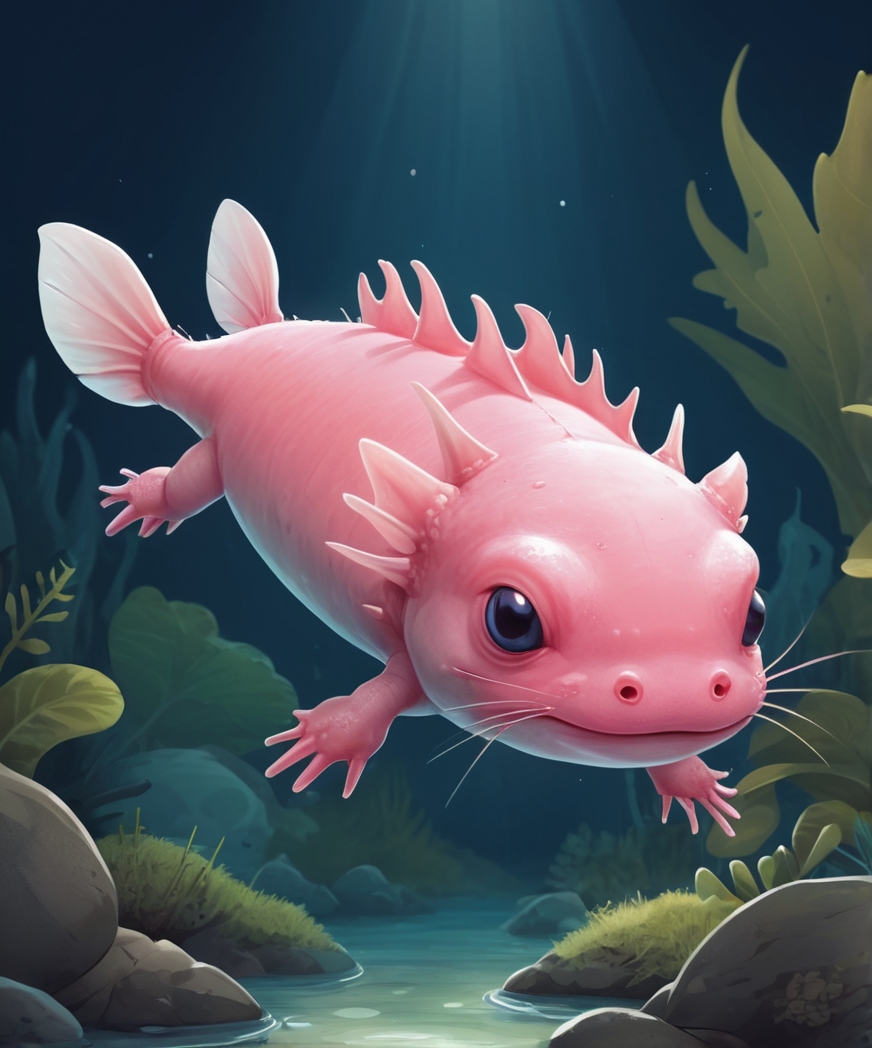
Meet the axolotl, one of the cutest animals on the planet, with one of the most incredible superpowers imaginable. This adorable pink salamander, which looks like it’s always smiling, has the amazing ability to regenerate almost any part of its body. That’s right – if an axolotl loses a leg, a tail, or even parts of its heart or brain, it can simply grow them back!
The axolotl, pronounced “axe-oh-LOT-ul,” lives in the lakes and canals of Mexico. With its feathery external gills that look like a fancy crown on its head and its permanent baby face, the axolotl looks like something out of a cartoon. However, its regeneration ability is remarkably impressive and has sparked considerable interest among scientists in studying these creatures.
Here’s how this superpower works: When an axolotl gets injured, special cells rush to the wound site. These cells can transform into any type of cell the body needs – skin cells, bone cells, nerve cells, or muscle cells. It’s like having a team of tiny builders inside your body that know exactly what needs to be fixed and how to fix it perfectly. Within just a few weeks, a brand new leg or tail grows back, and it works just as well as the original!
What makes this even more amazing is that the new body part isn’t just a simple replacement. It’s perfect down to the smallest detail. The nerves connect properly, the muscles work correctly, and there’s no scar tissue. If humans had this ability, we could regrow fingers, fix damaged hearts, and heal injuries that currently can’t be repaired.
Scientists are studying axolotls to understand how they do this incredible feat. They hope that one day we might be able to use what we learn to help people heal from serious injuries or diseases. The axolotl’s regeneration superpower isn’t just cool – it might actually help save lives in the future!
This superpower is useful for axolotls because they can sometimes get into fights with other axolotls or encounter predators in their watery homes. Being able to regrow body parts means they can survive encounters that would be fatal to most other animals. It’s nature’s way of giving them a second chance, or even a third or fourth chance!
Fact 2: The Mantis Shrimp’s Super Vision
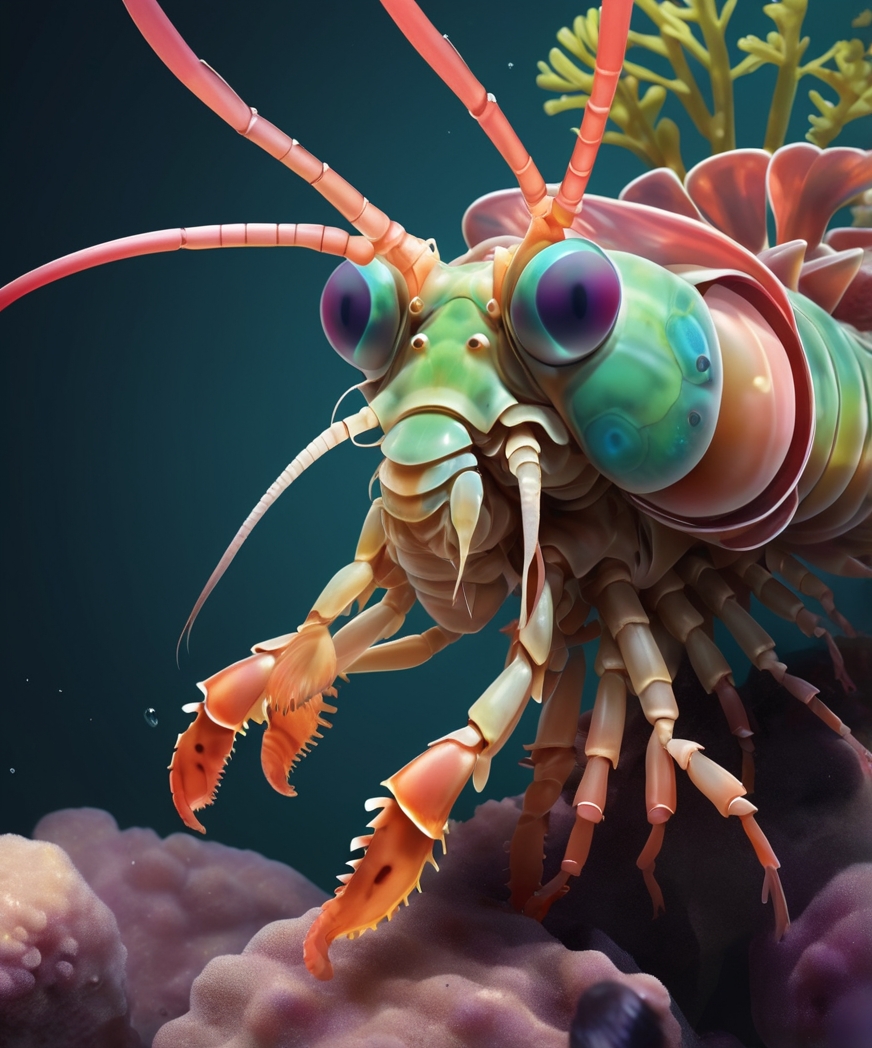
If you think your eyes are pretty good, wait until you hear about the mantis shrimp! This colourful ocean creature, which looks like a tiny rainbow warrior, has the most complex eyes in the entire animal kingdom. While humans have three types of colour receptors in our eyes, the mantis shrimp has sixteen! That means they can see colours that we can’t even begin to imagine.
The mantis shrimp isn’t actually a shrimp at all – it’s more closely related to lobsters and crabs. These creatures grow to about the size of your hand and come in brilliant colours, including bright blues, greens, reds, and oranges. They’re absolutely stunning to look at, with big, bulging eyes that sit on stalks so they can move independently from each other.
Let’s talk about how this vision superpower works. Human eyes have receptors for red, green, and blue light. Our brains mix these three colours together to create all the colours we see. But the mantis shrimp has receptors for all sorts of different wavelengths of light, including ultraviolet light (which is invisible to us) and polarised light. Each eye can move separately, and they can see depth with just one eye – something humans can’t do!
Imagine being able to see secret patterns on flowers that help you find nectar, or being able to spot camouflaged prey that looks invisible to other animals. That’s what life is like for a mantis shrimp. They can detect colours and patterns in the ocean that other animals simply can’t perceive. It’s like they’re living in a completely different, more colourful world than we are.
But wait, there’s more! Mantis shrimps also have another superpower – they’re incredibly strong for their size. They have special club-like arms that they can punch out at speeds of up to 50 miles per hour. That punch is so powerful it can break through crab shells, clam shells, and even aquarium glass! The speed is so fast that it creates bubbles in the water, which flash with light when they collapse. Now that’s what we call a one-two punch of superpowers!
The mantis shrimp uses its super vision to hunt for food, find mates, and communicate with other mantis shrimps. Scientists believe they might display colours and patterns to each other that carry messages we can’t see. It’s like they have a secret language written in colours that only they can read. This incredible vision helps them survive in the busy, competitive coral reef environment where they make their homes.
Fact 3: The Tardigrade’s Indestructibility
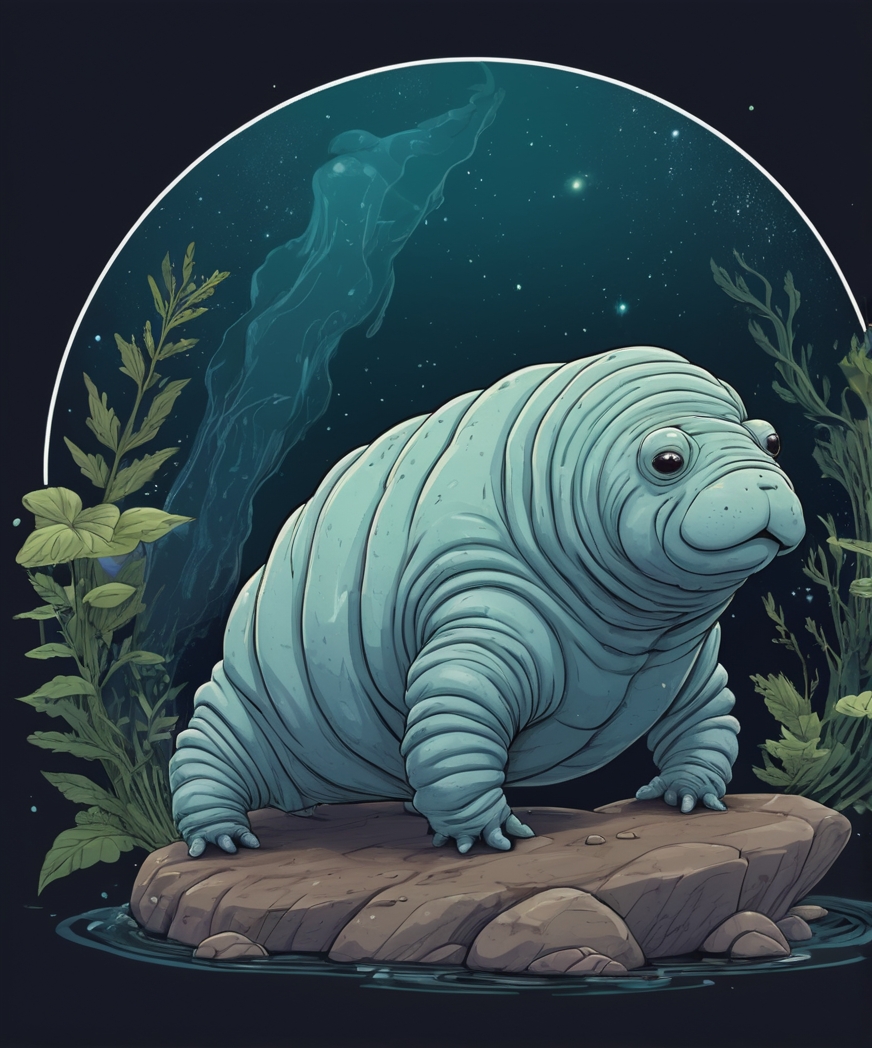
Now, let’s talk about one of the toughest, yet most adorable, microscopic animals on Earth – the tardigrade, also known as the water bear or moss piglet. These tiny creatures are only about half a millimetre long (smaller than the period at the end of this sentence), but they have a superpower that would make any superhero jealous: they’re practically indestructible!
Tardigrades look like chubby little bears with eight legs, and under a microscope, they appear to waddle around in the cutest way imaginable. They live almost everywhere on Earth – in moss, in the ocean, in sand dunes, and even in your backyard. But what makes them truly special is their ability to survive in conditions that would kill almost any other living thing.
Here’s where it gets really wild. Tardigrades can survive being frozen at temperatures close to absolute zero (that’s negative 458 degrees Fahrenheit!). They can also survive being heated to over 300 degrees Fahrenheit. They can go without food or water for more than 30 years. They can survive pressure six times greater than the deepest ocean. They can even survive in the vacuum of space, exposed to deadly radiation that would quickly kill humans and most other life forms!
How do they do it? When conditions get tough, tardigrades go into a special survival mode called cryptobiosis. They curl up into a tiny ball called a tun, pull in their legs, and basically shut down all their normal life processes. They lose almost all the water in their bodies and create special proteins that protect their cells and DNA from damage. In this state, they’re not quite alive and not quite dead – they’re just waiting.
When conditions improve and water becomes available again, the tardigrade rehydrates and comes back to life within just a few hours. It’s like they have a pause button for life itself! Scientists have revived tardigrades that were in this hibernation state for decades. One tardigrade was even brought back to life after being frozen for 30 years, and it went on to have babies!
This indestructibility superpower is useful because tardigrades often live in environments that dry out or experience extreme conditions. Moss can dry up in hot weather, puddles can evaporate, and temperatures can swing wildly. Being able to shut down and wait for better times means tardigrades can survive in places where other animals simply can’t live.
Scientists have even sent tardigrades to space on the outside of rockets and satellites. The tardigrades survived the journey and came back to Earth healthy and ready to reproduce. Some people joke that if there’s ever a catastrophe on Earth, tardigrades will probably be the only survivors. With a superpower like indestructibility, they just might be right!
Fact 4: The Lyrebird’s Master Mimicry
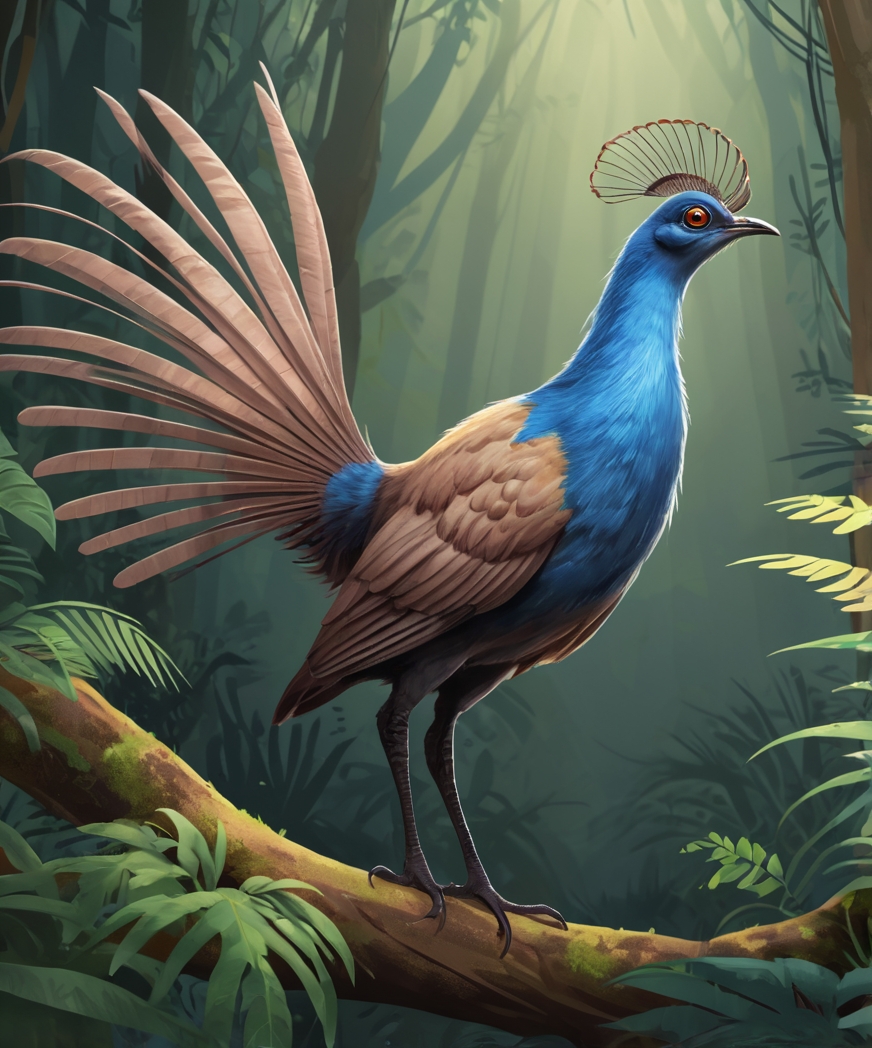
Deep in the forests of Australia lives one of the most talented performers in the animal kingdom – the lyrebird. This adorable bird, named for its tail feathers that look like a lyre (an ancient musical instrument), has an absolutely mind-blowing superpower: it can perfectly mimic almost any sound it hears!
The lyrebird is about the size of a chicken, with beautiful brown feathers and an incredibly elaborate tail. Male lyrebirds have spectacular tail feathers that they spread into a beautiful fan shape when they’re trying to impress female lyrebirds. But their real claim to fame is their voice.
When we say the lyrebird can mimic sounds, we don’t just mean other bird calls (although they can imitate dozens of different bird species perfectly). Lyrebirds can mimic car alarms, camera shutters, chainsaws, crying babies, barking dogs, and even human voices! They can copy the sound of a cell phone ringing, a car engine starting, or construction equipment working. If a lyrebird hears a sound a few times, it can add that sound to its repertoire and reproduce it with stunning accuracy.
Here’s how this incredible superpower works. The lyrebird has a highly specialised voice box called a syrinx, which is much more complex than the human voice box. While humans have one set of vocal cords, the lyrebird’s syrinx has multiple chambers and membranes that can vibrate independently. This allows them to create multiple sounds simultaneously and produce an enormous range of different tones, pitches, and sound effects.
What’s truly fascinating is that lyrebirds don’t simply replicate sounds at random. Male lyrebirds create elaborate performances by combining different sounds into a medley or song. They might start with the calls of several other bird species, add in some environmental sounds like running water or rustling leaves, and then throw in some man-made sounds for good measure. The entire performance is designed to impress female lyrebirds and showcase the male’s skill and experience.
Scientists believe that a male lyrebird with a large repertoire of sounds is showing potential mates that he’s been around for a long time (because it takes time to learn so many sounds), that he’s healthy and smart (because mimicry requires brain power), and that he controls a good territory (because different areas have different sounds to learn).
The mimicry superpower is useful for lyrebirds because it helps them attract mates and defend their territories. A male with an impressive vocal performance is more likely to find a partner and successfully raise chicks. Young lyrebirds begin learning sounds from their fathers and the environment around them, and they continue to add new sounds to their repertoire throughout their lives.
Some lyrebirds living near human areas have learned such good imitations of chainsaws and car alarms that they’ve actually confused people who thought they were hearing the real thing. Imagine walking through the forest and hearing what sounds like a chainsaw, only to discover it’s actually just a clever bird showing off!
Fact 5: The Dolphin’s Echolocation Superpower
Last but definitely not least, let’s dive into the ocean to learn about one of the most intelligent and beloved animals on the planet – the dolphin! These playful, social creatures have a superpower that’s like having built-in sonar: echolocation. This incredible ability allows dolphins to “see” with sound, creating detailed pictures of their underwater world even in complete darkness.
Dolphins are marine mammals that can grow anywhere from six to twelve feet long, depending on the species. With their sleek bodies, curved fins, and that characteristic smile-shaped mouth, dolphins have captured human hearts for generations. They’re known for being incredibly smart, playful, and social, often swimming in groups called pods and working together to hunt and protect each other.
So how does echolocation work? It’s actually quite amazing. A dolphin makes clicking sounds in its head using special structures near its blowhole. These clicks are focused into a beam of sound by a special fatty organ in the dolphin’s forehead called the melon. The sound beam travels through the water, and when it hits an object – like a fish, a rock, or even another dolphin – the sound bounces back as an echo.
The dolphin receives these echoes through its lower jaw, which contains special fat channels that transmit sound to the inner ear and then to the brain. The dolphin’s brain is incredibly good at interpreting these echoes. From the returning sounds, a dolphin can tell how far away something is, how big it is, what shape it is, what it’s made of, and even what’s inside it! It’s like having X-ray vision combined with a super-accurate measuring tape, all powered by sound.
Dolphins can make up to 1,000 clicking sounds per second when they’re really concentrating on something. That’s way faster than a machine gun fires bullets! The more clicks they make, the more detailed the “picture” they can create with sound. This allows them to hunt fish in murky water or even in complete darkness. They can detect a fish hiding in the sand on the ocean floor or tell the difference between different types of fish swimming nearby.
What makes this superpower even more impressive is that dolphins can echolocate while swimming at high speeds, chasing prey, and interacting with other dolphins all at the same time. It’s like they have a biological sonar system that never needs batteries and works perfectly in any ocean condition. They can even adjust the intensity and focus of their clicks depending on what they’re trying to detect – using stronger clicks for long-distance detection and softer clicks for examining something up close.
Animal Superpower Conclusion
Isn’t the animal kingdom absolutely amazing? We’ve journeyed together through five incredible animal superpowers that prove nature is even more creative and surprising than any comic book writer could imagine. From the axolotl’s incredible regeneration ability to the dolphin’s sound-based vision, each of these adorable animals has evolved special abilities that help them survive and thrive in their environments.
The axolotl can regrow entire body parts like it’s no big deal. The mantis shrimp sees in colours we can’t even dream of and packs a punch that can break glass. The tardigrade can survive in space and come back from being frozen for decades. The lyrebird can mimic any sound it hears with perfect accuracy. And the dolphin can see detailed pictures of its world using only sound waves. Each of these superpowers is real, scientifically documented, and absolutely mind-blowing!
These animal superpowers remind us that there’s still so much to learn about the natural world around us. Scientists study these amazing abilities not just because they’re fascinating, but because understanding how animals do these incredible things might help us solve problems and help people. The axolotl’s regeneration might teach us how to help people heal from injuries. The mantis shrimp’s eyes might inspire new kinds of cameras. Tardigrades might help us understand how to protect astronauts in space. And dolphin echolocation has already inspired sonar technology that helps ships navigate.
The next time you’re outside, take a moment to really look at the animals around you. That bird singing in the tree, that spider building a web, that butterfly floating by – they all have their own special abilities and superpowers that help them live their lives. Some animals can navigate using Earth’s magnetic field, some can change colours to match their surroundings, and some can run across water without sinking!
If you enjoyed learning about these fascinating animals, why not check out more fantastic facts about other animals: Raccoons, Pandas, endangered animals and Whales.
Why not subscribe to our LearningMole Library for as little as £1.99 per month to access over 3400 fun educational videos.
Maths Circus, an innovative platform we've crafted, presents a captivating realm where children learn mathematics through the exciting theme of a circus. The joy of juggling numbers and solving circus...
The 9 times table multiplication has a reputation for being tricky, yet it holds more mathematical magic than any other table in the primary curriculum. Every answer follows two neat...
Article Summary What this article covers: Ten differences between river otters and sea otters, from size, fur and swimming style to diet, tool use and family life, plus which otter...
Article Summary What this article covers: The nine main types of natural disasters, how each one works and how they are measured, which hazards genuinely affect the UK, and how...





Leave a Reply